Making dairy-free overnight oats that are just as creamy as the traditional version made with cow’s milk is easy — as long as you choose the right plant-based milk. Oat milk creates a naturally sweet, mild flavour, almond milk keeps things subtle and nutty, coconut milk makes for a rich, satisfying breakfast, and water yields a lighter, leaner dish. The secret lies in the fat content: the higher the fat, the silkier the texture. Below, you will find a full comparison of the most popular options, two delicious plant-based recipes, and the ideal ratio for your soaking liquid.
Why dairy-free overnight oats work so well
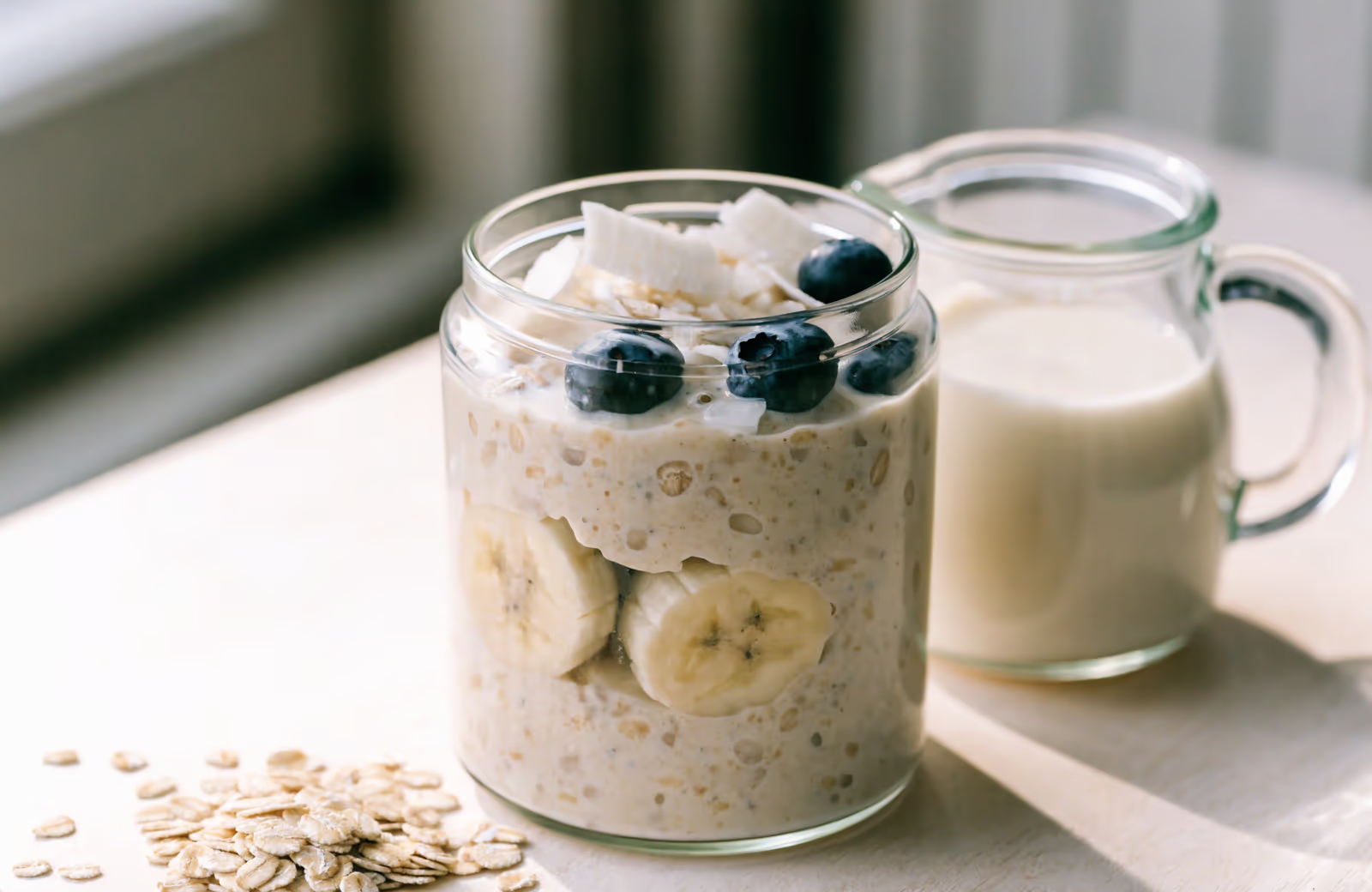
Cow’s milk was long considered the gold standard for muesli and porridge, but plant-based alternatives have well and truly earned their place in our cupboards. One major benefit of plant-based milk is the variety of flavours on offer. While dairy milk tastes fairly uniform, almond milk adds delicate nutty notes, coconut milk brings a tropical richness, and oat milk enhances the natural sweetness of rolled oats.
Plant-based options are also gentler on digestion. This is particularly true for anyone managing lactose intolerance or a sensitivity to dairy proteins. You will feel comfortably nourished rather than weighed down after breakfast, giving your digestive system an easier start to the day. Shelf life is another great perk: unopened cartons of plant milk keep in the pantry for months, ensuring you always have the base for your breakfast ready to hand, even when you have not had time to pop to the shops.
Oat milk, almond milk or coconut milk: what really matters
Whether a carton is labelled as plant drink or plant milk, what truly determines the final creaminess is the fat content on the nutritional label. A fat content of around 3 per cent or higher produces a velvety, luxurious texture, whilst lower-fat options yield a lighter consistency. All the varieties mentioned here are naturally vegan.
Which plant-based milk works best?
Supermarket shelves offer an extensive selection, yet each plant-based milk behaves slightly differently when paired with rolled oats. Here is a closer look at your best options for the breakfast jar:
Thick coconut milk (culinary / tinned): If you are after ultimate creaminess, culinary coconut milk from a tin or carton is an outstanding choice. Because of its high fat content and thick texture, it is best diluted with equal parts water. This keeps your breakfast from feeling too heavy whilst retaining its luscious consistency and tropical flavour.
Soya milk: Soya milk is naturally rich in plant protein and has excellent binding properties. It softens rolled oats beautifully and has a neutral taste. It is an ideal base when using robust flavours like peanut butter, cocoa powder, or warming spices, as it will not overpower your other ingredients.
Almond milk and cashew milk: These nutty varieties are light and typically lower in calories. They bind oats slightly less firmly than soya or oat milk, so you may want to stir in an extra teaspoon of chia seeds to achieve a thicker, spoonable texture. They pair wonderfully with fresh berries and fragrant spices like vanilla or cardamom.
Oat milk: A classic choice for anyone who loves a balanced, wholesome flavour. Because it is made from the same grain as porridge oats, the flavours complement each other seamlessly. For more preparation tips, explore our guide to overnight oats.
Water overnight oats or coffee instead of milk: does it work?
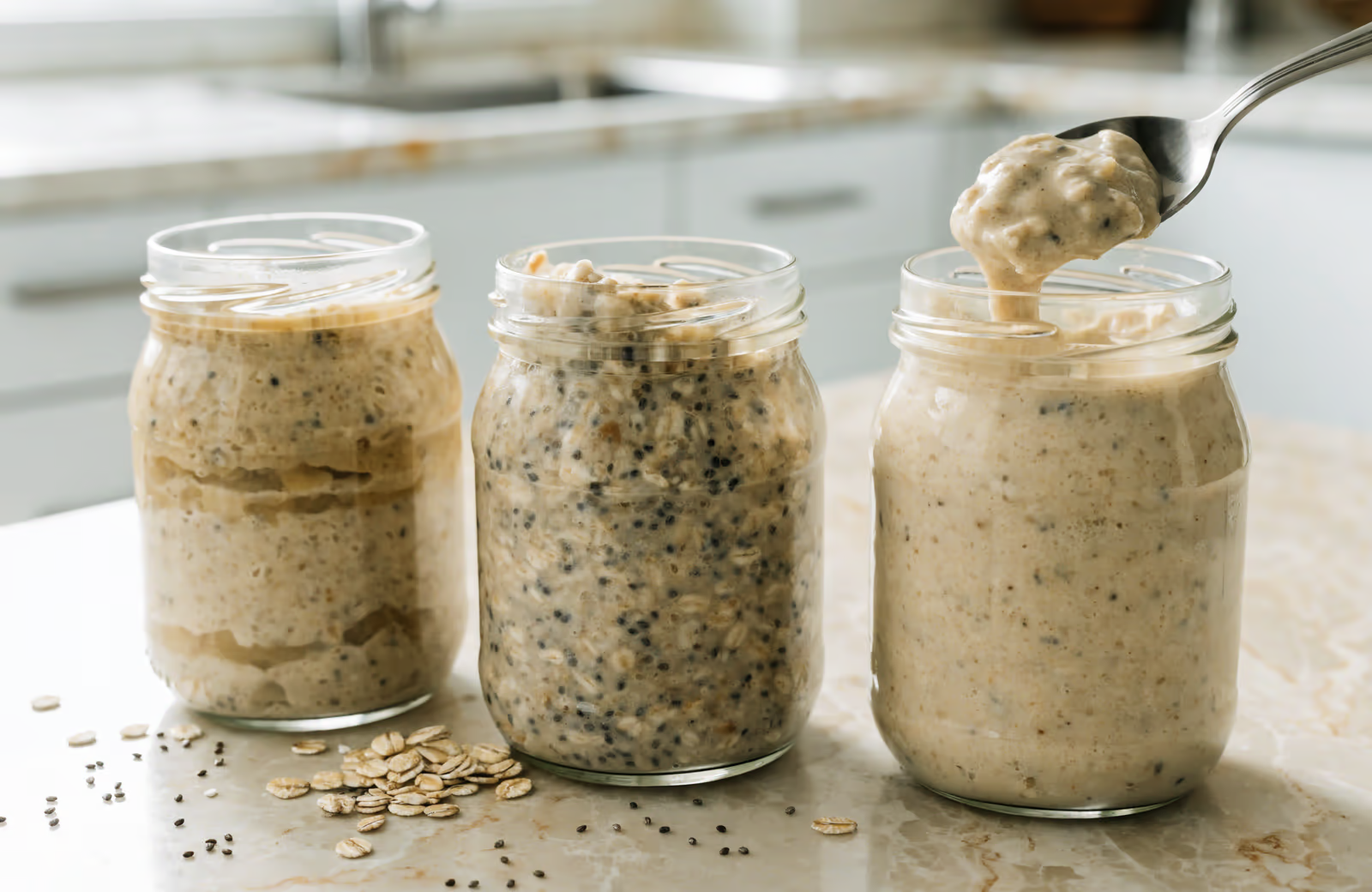
It may sound unconventional at first, but you do not strictly need a milk alternative to make overnight oats. If you want to cut calories or simply find yourself without any plant-based milk in the fridge, plain tap water works well. The natural starches in the rolled oats combined with the gelling action of chia seeds still create a pleasant texture, though water overnight oats will naturally taste lighter and less rich than those made with plant milk.
Another clever morning option is cooled filter coffee or an espresso shot as your soaking liquid, which works brilliantly alongside a dusting of cocoa powder. The oats absorb the rich coffee flavours overnight, giving you breakfast and your morning caffeine boost in a single jar. Adding chia seeds or milled flaxseed is recommended here to help thicken the runnier liquid.
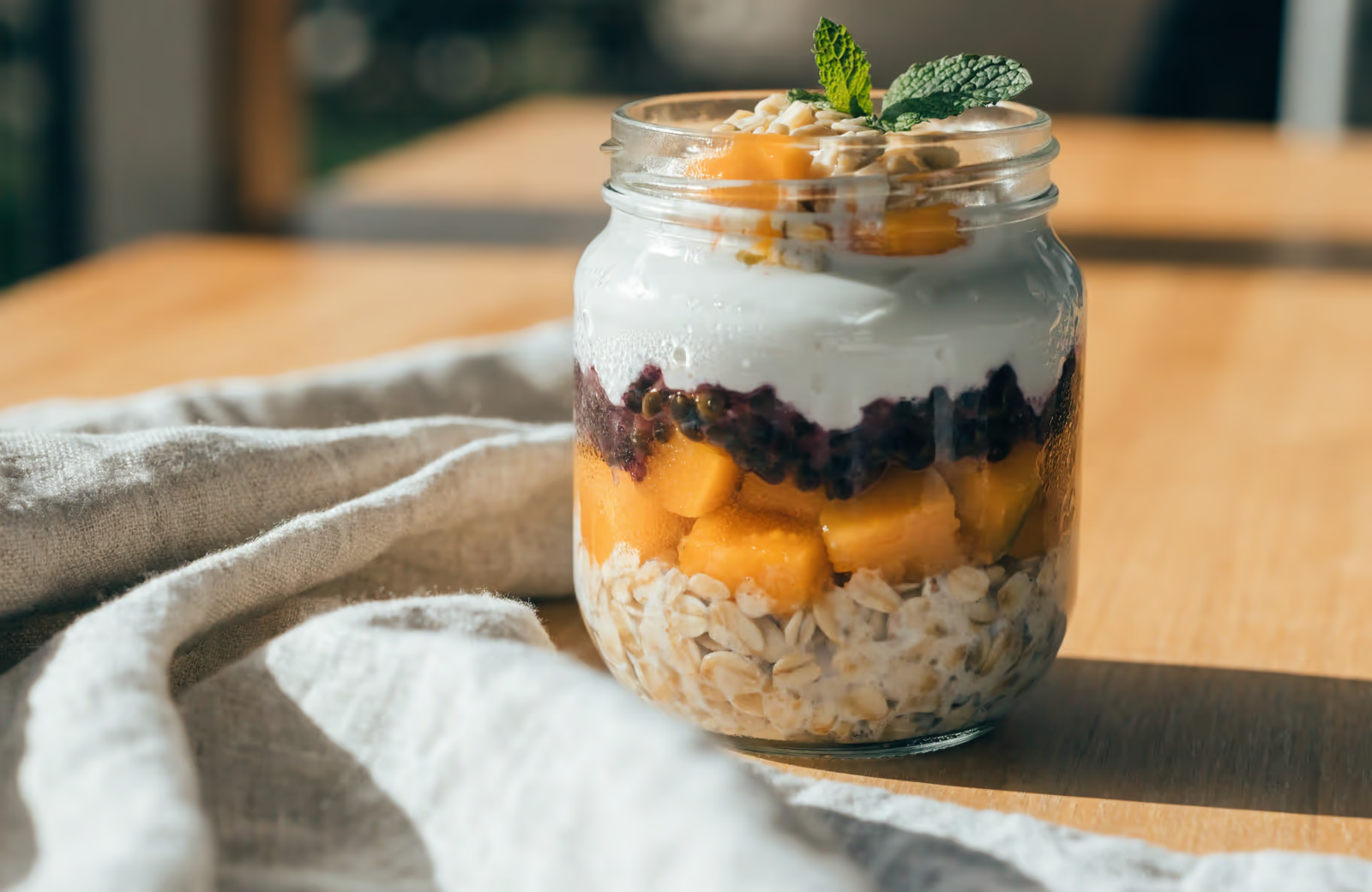
Recipe 1: Creamy dairy free overnight oats with coconut milk and mango
This recipe is perfect for anyone who loves a thick, decadent breakfast. Diluting culinary coconut milk with water strikes the ideal balance, ensuring it remains silky without feeling overly heavy.
Ingredients:
- 50 g rolled oats
- 1 tbsp chia seeds
- 50 ml thick coconut milk (culinary grade, from a tin or carton)
- 50 ml water
- 1/2 ripe mango, diced into juicy chunks
- 1 tbsp desiccated coconut for serving
Method:
- Place the rolled oats and chia seeds into a clean, sealable glass jar or container.
- In a small bowl or measuring jug, thoroughly whisk the thick coconut milk with the water until smooth and completely combined.
- Slowly pour the coconut soaking liquid over the dry ingredients in the jar.
- Stir thoroughly, ensuring no dry pockets of oats or chia seeds remain at the bottom or around the edges.
- Seal the jar and refrigerate for at least six hours, or ideally overnight (eight to twelve hours).
- In the morning, give the oats another gentle stir, top with the fresh mango chunks, and sprinkle generously with desiccated coconut.
Recipe 2: High-protein peanut and raisin dairy free oats recipe
This recipe provides sustained energy throughout the morning. Soya milk supplies quality plant-based protein, whilst natural peanut butter delivers healthy fats and a wonderfully rich flavour. It is also an ideal dairy-free overnight oats without chia seeds option, using nutrient-dense milled flaxseed instead.
Ingredients:
- 50 g rolled oats
- 1 tbsp milled flaxseed (linseed)
- 1 pinch ground cinnamon
- 1 tbsp sweet raisins (or other dried fruit of your choice)
- 100 ml soya milk
- 1 tbsp smooth peanut butter
Method:
- Combine the rolled oats, milled flaxseed, cinnamon, and raisins in your jar. Flaxseed makes a fantastic alternative to chia seeds, offering an exceptional source of plant-based omega-3 fatty acids and fibre.
- Add the smooth peanut butter directly to the dry ingredients.
- Pour in the soya milk.
- Stir vigorously to help break down the peanut butter so it blends evenly throughout the soaking liquid and oats.
- Seal the jar tightly and leave to chill in the fridge overnight, ideally for eight to ten hours.
- In the morning, you will be greeted by an exceptionally thick, creamy breakfast that tastes like a wholesome dessert.
Nutritional values per portion
| Nutrient | Per portion |
|---|---|
| Energy | 462 kcal |
| Protein | 10.9 g |
| Fat | 20.2 g |
| Carbohydrates | 63.9 g |
Frequently Asked Questions (FAQ)
Can I wait and add the peanut butter in the morning instead?
Yes, this is entirely down to personal preference. Stirring peanut butter in the night before disperses the flavour evenly throughout the oats, whereas spooning it over the top in the morning provides a lovely textural contrast with every bite. Both methods are delicious.
Do I need to adjust the amount of soaking liquid if I use water?
No, the absorption capacity of rolled oats and seeds remains virtually identical whether you use water, coffee, or a plant-based milk. You can stick to the same standard ratio; water overnight oats will simply appear slightly more translucent and taste lighter.
Are dairy-free overnight oats just as healthy as the original?
Yes, they are exceptionally nutritious and a wholesome addition to any balanced diet. While many plant-based milks naturally contain slightly less protein than dairy milk (with soya milk being the notable exception), they are low in saturated fats and free from dietary cholesterol. When shopping, look for options fortified with calcium and vitamin D if that suits your nutritional goals.
Related reading: See also our guide to the perfect overnight oats liquid ratio and matcha overnight oats.
Summary
Preparing dairy-free overnight oats requires zero compromise on taste or texture. Whether you prefer the indulgent creaminess of coconut milk, the protein-rich satisfaction of soya milk, or the refreshing lightness of water and cold-brew coffee, plant-based alternatives offer endless variety. Experiment with different options to discover just how delicious and easy a dairy-free morning routine can be.
Source note: Inspiration for these plant-based creations comes from the YouTube video by Ana Cristina.