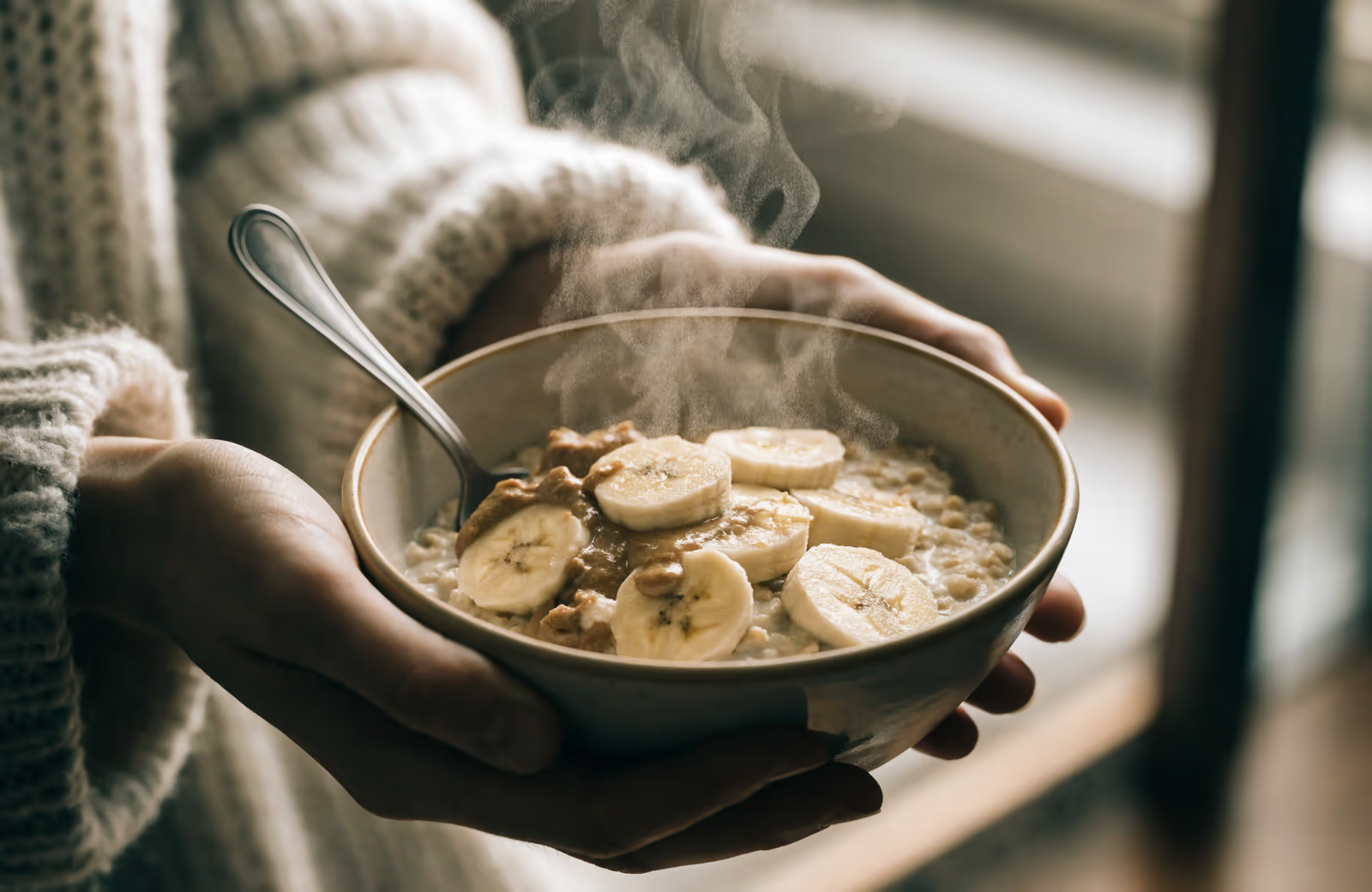
A chilled breakfast straight from the fridge is undeniably convenient. Yet on chilly, drizzly mornings, many of us crave something comforting to start the day. That naturally raises the question: can you enjoy warm overnight oats? The short answer is yes, absolutely. You do not have to abandon your evening meal prep routine to enjoy a hot meal. You still prepare your breakfast effortlessly the night before, allowing the oats to soak as usual. The next morning, simply take the jar from the fridge and, with just a couple of quick steps, transform the chilled mixture into a steaming, comforting bowl of oat goodness. It combines effortless preparation with all the breakfast warmth of freshly made porridge. Here is how to gently heat your oats without compromising on texture.
Can you heat overnight oats?
There is no reason at all not to warm up your prepared oat mixture. The ingredients do not suffer from a brief spell of heat. Because the rolled oats have already absorbed most of the liquid overnight—which also aids phytic acid breakdown—they are remarkably tender and easy on the digestion. When you gently warm this mixture, you achieve a wonderfully creamy porridge texture. The biggest advantage is time: you do not need to stand by the hob waiting for dry oats to cook down. All the hard work has already happened in the fridge overnight. A hot breakfast is comforting, gentle on the stomach, and takes barely a minute or two to heat up, saving you precious time during busy morning routines.
Microwave heating for overnight oats
Microwave heating is by far the quickest and most straightforward approach. In most cases, you will not even need a separate bowl—provided you use a heat-safe jar. Many standard, thick glass preserving jars and mason jars can easily handle the heat.
Take the jar from the fridge and remove the lid completely; heating a tightly sealed jar in the microwave can be dangerous. Give the chilled mixture a thorough stir, as it tends to set quite firmly overnight. Add a generous splash of milk, plant drink, or water before heating. Place the open jar in the microwave and heat on medium power for roughly one minute. Carefully remove the jar and stir well from the bottom. If it needs a little longer, return it for another thirty seconds. Chia seeds and oats thicken considerably once warmed, so feel free to stir in an extra splash of liquid until you reach your preferred consistency.
Stovetop warming in a saucepan
If you do not have a microwave or prefer not to use one, stovetop warming in a saucepan is an excellent alternative. It is still significantly faster than cooking traditional porridge from scratch. Simply reach for a small, non-stick saucepan.
Tip the entire contents of your jar into the saucepan. The mixture can quickly catch on the bottom of the pan once heat is applied, so add two to three tablespoons of your chosen liquid straight away. Set the hob to medium heat. There is no need to bring the oats to a rolling boil; simply warm them gently while stirring continuously. As soon as steam rises and tiny bubbles appear around the edges, your breakfast is ready. This usually takes just under two minutes. Pour the warm oats into a deep bowl and enjoy. It requires only a fraction more effort than the microwave, with equally delicious results.
The ideal temperature for gentle reheating
Overnight oats should be gently warmed rather than boiled. Around 50 to 60°C is the sweet spot where the oats become pleasantly hot whilst maintaining their creamy mouthfeel. Stir frequently during heating to distribute the warmth evenly and prevent sticking. If you boil the mixture vigorously, the starches that swelled overnight can break down, turning the texture gluey rather than velvety. Because the rolled oats are already fully softened, they do not require further cooking.
Which ingredients work best? Warm overnight oats with yogurt vs no yogurt
Almost all staple ingredients hold up brilliantly to gentle reheating. Rolled oats, chia seeds, ground flaxseed, and plant drinks all tolerate brief heat well. Warming also enhances the aroma of warming spices like cinnamon, vanilla, or unsweetened cocoa powder. However, certain additions require a little care. Fresh berries and sliced banana tend to turn soft and mushy when heated; if you prefer fresh, crisp fruit, add it as a topping after warming. Furthermore, dairy yogurt, soya yogurt, or quark can split and curdle if exposed to high heat. If you fancy warm overnight oats no yogurt is often the simplest route, but if you have already stirred yogurt into your basic overnight oats recipe, simply use very gentle, low heat to keep it smooth.
Recipe: warm overnight oats with milk or plant drinks
This recipe is tailored specifically for warming up the next morning. We omit fresh fruit from the overnight soak and stick to ingredients that respond beautifully to heat. It follows the classic overnight oats ratio of 50 grams of oats to 100 millilitres of liquid.
- 50 g rolled porridge oats
- 100 ml milk or plant drink (e.g. soya, oat, or almond)
- 1 tbsp chia seeds (or ground flaxseed)
- 1 tsp cocoa powder (unsweetened)
- 0.5 mashed ripe banana (for natural sweetness)
- 1 pinch of salt
- An extra splash of liquid for the morning
Step-by-step method
- Mash half a very ripe banana directly in your heat-safe jar with a fork until smooth.
- Add the rolled oats, chia seeds, cocoa powder, and a tiny pinch of salt. Mix thoroughly.
- Pour over the milk or plant drink. Stir well until the cocoa powder has completely dissolved.
- Seal the jar tightly and leave it to soak in the fridge overnight.
- The next morning, remove the lid and pour in a good splash of milk or water.
- Heat the jar in the microwave for 60 to 90 seconds, or warm the mixture gently in a saucepan.
- Give the warm, chocolatey oats a final stir, then garnish with fresh fruit, seeds, or chopped nuts.
Meal prep: prepare cold, enjoy warm
Combining batch preparation with a warm breakfast is ideal throughout the autumn and winter months. You can prep multiple jars on a Sunday evening for the working week ahead, storing them in the fridge exactly as usual. You only need to decide in the morning whether you feel like eating them chilled or warmed up. This flexibility makes your meal prep routine even more practical. To keep things fresh, store your toppings in small separate containers in the fridge, scattering crunchy nuts, seeds, and fresh fruit over the steaming oats just before eating.
Nutritional values per serving
| Nutrient | Per serving |
|---|---|
| Energy | 336 kcal |
| Protein | 10.4 g |
| Fat | 9.4 g |
| Carbohydrates | 53.3 g |
Frequently asked questions (FAQ)
What is the difference compared to traditional porridge?
The main difference lies in the cooking time. Because the oats have already soaked for hours, they only need a minute or two of heat in the morning. Traditional porridge made with raw oats takes considerably longer on the hob to achieve the same creamy consistency.
Can I heat the jar in the oven?
Baking your oats in an ovenproof dish works well if you enjoy baked oats. However, heating oats in the oven takes roughly 15 to 20 minutes, making the microwave or hob far more practical for a speedy morning meal.
Does microwaving destroy the nutrients?
Brief microwave heating is very gentle on ingredients. Macronutrients such as protein, complex carbohydrates, and fibre remain entirely intact. Because the oats are heated only briefly rather than boiled for extended periods, heat-sensitive vitamins are well preserved.
Related reading: Take a look at our apple and cinnamon overnight oats and find the perfect oats-to-liquid ratio.
Conclusion
You do not need to choose between convenient meal prep and a satisfying, hot breakfast. Preparing warm overnight oats gives you the best of both worlds: quick preparation in advance and a comforting bowl in under two minutes using the microwave or hob. Simply remember to add a splash of extra liquid in the morning to keep the porridge texture delightfully creamy, and enjoy a nourishing, effortless start to your day.