If you are experiencing post cholecystectomy diarrhoea after having your gallbladder removed, you are likely looking for clear answers. Following gallbladder removal (cholecystectomy), the loss of a reservoir to store and regulate bile release can lead to long-term digestive difficulties such as loose stools, fat malabsorption, or constipation. Bile continuously trickling into the bowel has a laxative effect causing gut mucosal irritation, which directly explains your sudden, uncontrolled bowel movements.
Despite the disruption to daily life, effective fast-acting remedies such as psyllium husk and healing clay can rapidly bind excess bile acids. In this guide, we explain the physiological mechanics behind bile acid malabsorption and share practical dietary strategies to restore balance to your digestion and quickly regain your quality of life.
Is Post Cholecystectomy Diarrhoea Normal?
If you are experiencing watery, loose stools in the first few weeks after surgery, you are far from alone. Many patients feel overwhelmed during this initial phase, finding that frequent bathroom visits dominate their routine. Post cholecystectomy diarrhoea is one of the most common postoperative complaints and, from a medical standpoint, entirely normal at first. Your digestive system requires time to adapt to this new physiological state. For the majority of patients, these symptoms improve significantly within three to six months. Living without a gallbladder does not mean you are destined to endure chronic diarrhoea indefinitely, and straightforward interventions can support your gut throughout this transition.
Immediate Relief: What Stops the Diarrhoea Quickly?
To firm up loose stools rapidly, binding excess bile acid in the intestinal lumen is the most effective approach. Psyllium husk is a tried-and-tested, well-tolerated option. The soluble fibre swells in the gastrointestinal tract, acting like a sponge to absorb irritating bile acids. Start with 5 grams (around 1 level teaspoon) of psyllium husk powder stirred into 200 millilitres of water, once or twice daily. It is essential to drink an additional 250 millilitres of water immediately afterwards to prevent the powder from clumping in the stomach.
In addition, the following everyday tips can provide prompt symptom relief:
- Small, low-fat meals: Eat 5 to 6 small meals rather than 3 large portions throughout the day. Limit total fat to 10 to 15 grams per meal so you do not overwhelm your digestive capacity.
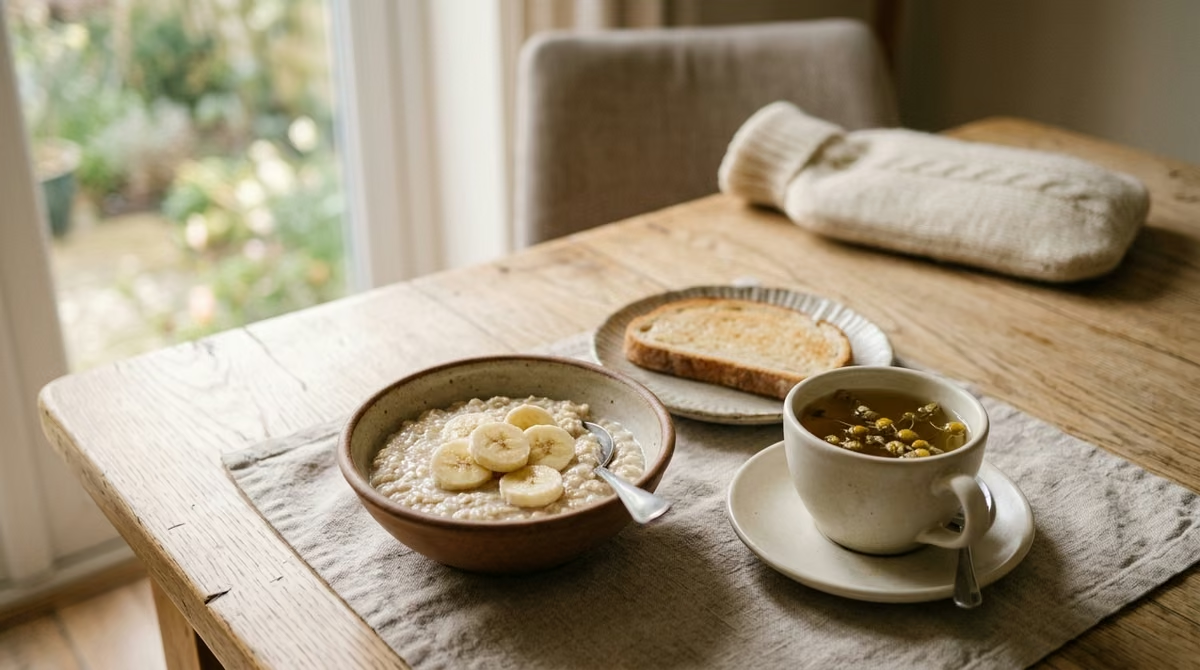
- Binding foods: A very ripe, mashed banana, a finely grated apple, or porridge oats (for example, 40 grams simmered in water) help absorb excess fluid and soothe gut mucosal irritation.
- Eliminating irritants: During acute flare-ups, avoid drinking coffee on an empty stomach, highly spiced foods, and fizzy carbonated drinks.
Patience is often required. Current scientific reviews on the management of bile acid diarrhoea demonstrate that therapeutic approaches do not produce identical results for every individual.[1][6] Home remedies do not offer a guaranteed immediate cure. If your symptoms fail to improve after 3 days, consult your GP or healthcare provider promptly.
Bile Acid Diarrhea Causes: Why the Gut Loses Its Rhythm
Following gallbladder removal (cholecystectomy), the absence of controlled bile storage and timed release can cause ongoing digestive issues, including diarrhoea, fat malabsorption, or constipation. This change represents the primary anatomical explanation for your symptoms. Normally, the gallbladder stores bile produced by the liver, releasing it into the small intestine only when fatty food needs digesting.
Without this reservoir, bile fluid drips continuously into the digestive tract. When excessive quantities of irritating bile acids reach the colon, they trigger gut mucosal irritation. The large intestine responds by secreting water and electrolytes, resulting in rapid, watery diarrhoea. A systematic meta-analysis from 2026 confirms that an altered gastrointestinal environment and shifts in the gut microbiota are key contributors to postoperative symptoms following gallbladder surgery.[3]
Duration of Symptoms: When Will It Improve?
Allowing the digestive system to recalibrate after a cholecystectomy takes time. A systematic review and meta-analysis from 2026 shows that approximately 10 to 20 percent of patients develop postoperative complaints such as post cholecystectomy diarrhoea.[3] In most cases, symptoms settle once the colon adapts to the continuous flow of bile acids, a process that typically takes 3 to 6 months. If watery diarrhoea persists beyond this timeframe, a GP evaluation is recommended, as chronic bile acid malabsorption rarely resolves without targeted management.
What Should I Eat If I Have Bile Acid Diarrhea? The Traffic Light Food Guide
Completely cutting out dietary fat after surgery is a common misconception and nutritionally inadvisable. Healthy fats remain essential, particularly for the absorption of fat-soluble vitamins A, D, E, and K. However, because bile now flows directly into the small intestine without being stored, heavy, high-fat meals quickly exceed digestive capacity and may require supplementary digestive enzymes. The most effective approach is switching to 5 or 6 smaller meals spread throughout the day to lighten the digestive workload. The following traffic light guide provides an evidence-based framework, though portion sizes should be tailored to your individual tolerance. Clinical reviews from 2024 emphasise that dietary management for bile acid diarrhoea must be strictly personalised.[6]
Green (Foundation of your daily diet)
- Complex carbohydrates: Porridge oats, boiled or baked potatoes, soft wholemeal bread, and white or brown rice help stabilise digestion.
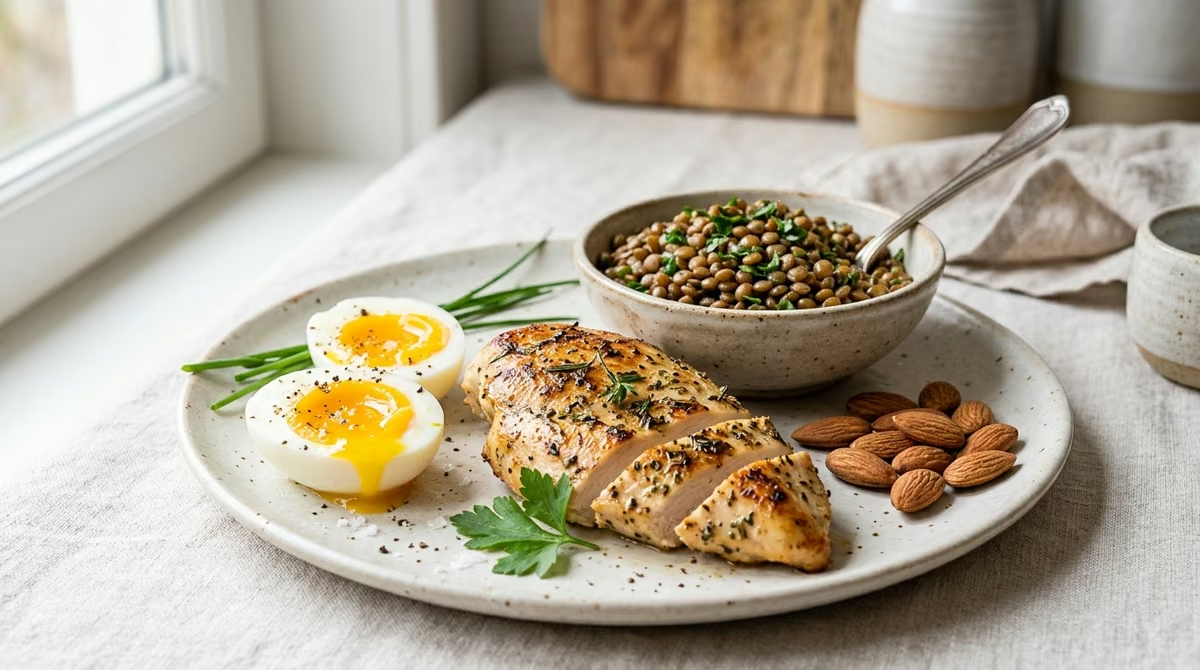
- Lean protein: Skinless chicken breast, turkey, low-fat quark, cottage cheese, and white fish such as cod or pollock supply essential nutrients without excess fat.
- Steamed, gentle vegetables: Carrots, courgettes, pumpkin, butternut squash, and fennel are easy on the gut lining.
- Natural soluble fibre: Psyllium husk gently binds excess bile acids within the bowel.
Amber (Introduce cautiously in small amounts)
- Selected dairy products: Semi-hard cheeses with moderate fat content, and low-fat natural yoghurt (around 1.5 percent fat).
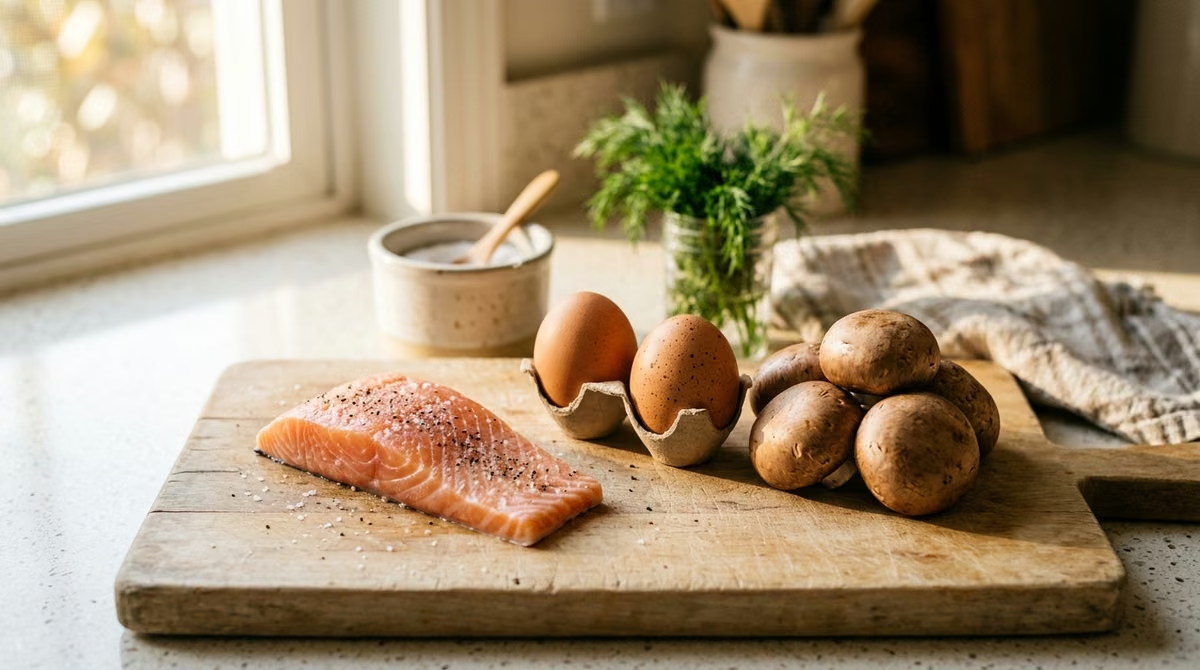
- Oily fish: Salmon and mackerel offer beneficial omega-3 fatty acids, but require greater bile concentrations to digest.
- Raw vegetables and tough fibres: Tomatoes and peppers are often better tolerated when peeled and deseeded.
- Plant oils: Olive oil or rapeseed oil used sparingly (maximum 1 to 2 teaspoons per meal).
Red (Common triggers for post cholecystectomy diarrhoea – avoid for now)
- Hidden animal fats: Puff pastry, croissants, mayonnaise, rich double cream sauces, and chocolate.
- Deep-fried and heavily roasted foods: Chips, croquettes, battered or breaded meats, and greasy fried potatoes.
- Processed meats: Salami, bacon, pork belly, and high-fat sausages.
- Digestive irritants: High volumes of alcohol, fiery spices (such as chilli), and strong black coffee consumed on an empty stomach.
Bile Acid Malabsorption Symptoms: Finding Triggers with a Food Diary
A symptom diary specifically structured for gallbladder patients helps pinpoint personal dietary triggers. For two weeks, record the time of each meal, exact foods eaten (noting hidden cooking fats), alongside the timing and consistency of your bowel movements. Tracking these bile acid malabsorption symptoms reveals clear patterns: does your bowel react specifically to higher fat intake, or do loose stools occur independently of food, such as first thing in the morning? Fasting morning diarrhoea strongly points to direct irritation from unbuffered bile acids. Identifying these distinctions makes it possible to adjust your diet with precision.
When Diarrhoea Persists: Medication & Post-Cholecystectomy Syndrome
If diarrhoea continues for longer than four to six weeks following a cholecystectomy, chronic post-cholecystectomy syndrome (PCS) or secondary bile acid malabsorption may have developed. A meta-analysis from 2026 highlights that persistent digestive dysfunction is a well-recognised postoperative outcome[3]. Without the gallbladder acting as a holding pouch, the unceasing trickle of bile modifies the intestinal microbiome. A 2026 review on gallbladder-related dysbiosis confirms that altered gut bacteria disrupt normal digestion and drive chronic watery stools[2].
Where dietary adjustments prove insufficient, medical treatments such as prescription bile acid binders are frequently prescribed. Medications containing active substances like colestyramine sequester excess bile acid in the intestinal tract so it can be excreted in the stool without triggering gut mucosal irritation. A 2024 review alongside 2026 clinical guidelines confirm the efficacy of these treatments for symptom management[6][1]. While binders manage symptoms rather than cure the anatomical cause, medical supervision from your GP is essential to titrate the dose accurately and avoid side effects such as constipation or poor absorption of fat-soluble vitamins.
Red Flags: When to Seek Immediate Medical Attention
A short adaptation period is expected following surgery, but certain warning signs require urgent medical assessment. Contact your GP surgery, call NHS 111, or attend an emergency department if you experience any of the following:
- More than six watery stools in a 24-hour period persisting for over 48 hours.
- Visible blood in your stool or black, tarry bowel motions.
- Signs of dehydration such as severe dizziness, extreme thirst, confusion, or passing less than 500 millilitres of urine per day.
- Unintentional weight loss exceeding five percent of your body weight within a single month.
- A fever above 38.5 degrees Celsius or yellowing of the skin and whites of the eyes (jaundice).
Clinical guidelines, including recommendations on surgical complications from 2021, urge prompt diagnostic investigation when these red flags occur.[7] Such symptoms exceed normal postoperative recovery and require timely medical care.
Frequently Asked Questions About Post Cholecystectomy Diarrhoea
Can I drink coffee after gallbladder removal?
Coffee, particularly caffeinated coffee, can significantly stimulate bowel motility and exacerbate post cholecystectomy diarrhoea in up to 30% of patients with post-cholecystectomy syndrome. During the first 4 to 6 weeks following surgery, limit your intake to a maximum of 1 to 2 cups (around 150 to 300 ml) of coffee per day, or switch entirely to decaffeinated coffee. Monitor your individual tolerance carefully. Caffeine further accelerates the already rapid intestinal transit of bile acids, which can directly trigger typical watery loose stools immediately after meals.
Why are my stools yellow after surgery?
Yellowish discolouration of the stool is a classic sign of bile acid malabsorption symptoms (chologenic diarrhoea), which permanently affects around 10 to 20% of patients after gallbladder removal. Without the gallbladder acting as a storage reservoir, bile produced by the liver trickles continuously into the small intestine. If these bile acids are not sufficiently reabsorbed in the terminal ileum, they enter the large intestine. There, they cause gut mucosal irritation, draw in excess water, and lead to characteristic yellow, often burning, and foul-smelling watery loose stools.
How does being overweight affect symptoms?
Being overweight is considered a significant risk factor for developing chronic symptoms after a cholecystectomy. Recent studies show that patients with a body mass index (BMI) over 30 kg/m² have an up to 40% higher risk of suffering from persistent post cholecystectomy diarrhoea.[3] One key reason is that obesity is frequently associated with a markedly higher endogenous production of bile acids in the liver. This places an extra burden on the already impaired regulation of bile acid excretion, overwhelming the digestive system and substantially increasing the frequency of diarrhoea episodes.
What happens if I had IBS before the operation?
Patients with pre-existing irritable bowel syndrome (IBS) belong to a particularly high-risk group. Around 60% of these individuals report that their symptoms—especially diarrhoea-predominant IBS (IBS-D)—worsen temporarily or even permanently after gallbladder removal. The continuous gut mucosal irritation caused by unabsorbed bile acids meets an already hypersensitive intestinal lining. As a result, unpredictable cramping abdominal pain and watery loose stools can occur much more frequently, intensely, and severely than in people without IBS.
Why does diarrhoea often occur in the morning on an empty stomach?
Morning diarrhoea is a very common and distressing issue. Overnight, the liver continuously produces around 500 to 600 ml of bile, which continually trickles into the small intestine in the absence of a gallbladder. Because no food is consumed overnight to bind these bile acids, they pass unbuffered into the colon. Upon waking or immediately after drinking the first glass of water, the gastrocolic reflex is often triggered. The accumulated bile acids irritate the intestinal mucosa, leading to sudden, urgent bowel movements and severe watery diarrhoea on an empty stomach.
Do probiotics help with diarrhoea after gallbladder surgery?
Taking probiotics can be a highly beneficial complementary measure, as gut microbiome dysbiosis frequently develops after surgery. Constant contact with bile acids alters the microbial balance negatively. Clinical observations suggest that targeted probiotic therapy for at least 4 to 8 weeks relieves symptoms in around 30 to 40% of patients.[2] Specific bacterial strains can actively help soothe irritated gut mucosa, reduce inflammatory processes, and help normalise stool consistency over the long term.
Is alcohol allowed after gallbladder removal?
In principle, alcohol is not strictly forbidden once you have fully recovered, but it requires significant caution. Because the liver is directly responsible for metabolising alcohol, it faces extra strain. Furthermore, alcohol can speed up intestinal transit and cause gut mucosal irritation, rapidly worsening post cholecystectomy diarrhoea. It is recommended to abstain from alcohol completely for the first 2 to 3 months. Afterwards, intake should be limited to a maximum of 10 to 20 grams of pure alcohol per day (around one small glass of wine), whilst carefully monitoring how your digestion responds.
Does persistent diarrhoea lead to dangerous nutrient deficiencies?
With prolonged bile acid malabsorption, there is indeed a heightened risk of nutritional deficiencies. Because bile acids are essential for breaking down and absorbing fats, the lack of bile storage frequently leads to fat malabsorption. As a result, fat-soluble vitamins (A, D, E, and K) are no longer adequately absorbed through the gut. Around 15 to 25% of patients with chronic diarrhoea exhibit demonstrable deficiencies. Essential electrolytes such as potassium and magnesium are also lost in frequent loose stools, which is why routine blood tests via your GP are strongly recommended.
References
- Maqsood A, Fatima SK, Kumar S et al.: Primary Bile Acid Diarrhea: A Narrative Review of Pathophysiology, Diagnostic Challenges, and Emerging Therapeutic Strategies. 2026. PubMed 42291991. DOI: 10.7759/cureus.108847.
- Kijpongpans K, Chattipakorn N, Chattipakorn SC. et al.: Cholecystectomy-induced gut dysbiosis and its consequences: bridging animal models and clinical outcomes in narrative review. 2026. PubMed 42291171. DOI: 10.21037/tgh-2026-0007.
- Zhou H, Xuan F, Liu M. et al.: Incidence risk and risk factors for postcholecystectomy syndrome: A systematic review and meta-analysis. 2026. PubMed 41686575. DOI: 10.1097/md.0000000000047687.
- Capkan DU, Sahiner IT.: Cross-Modal Assessment of Post-Cholecystectomy Symptoms: Integrating MRCP Metrics with Upper Endoscopy. 2026. PubMed 41893834. DOI: 10.3390/tomography12030039.
- Nam C, Lee JS, Kim JS et al.: Clinical perspectives on post-cholecystectomy syndrome: a narrative review. Annals of medicine 2025. PubMed 40304725. DOI: 10.1080/07853890.2025.2496408.
- Walters JRF, Sikafi R: Managing bile acid diarrhea: aspects of contention. Expert review of gastroenterology & hepatology 2024. PubMed 39264409. DOI: 10.1080/17474124.2024.2402353.
- de’Angelis N, Catena F, Memeo R et al.: 2020 WSES guidelines for the detection and management of bile duct injury during cholecystectomy. World journal of emergency surgery : WJES 2021. PubMed 34112197. DOI: 10.1186/s13017-021-00369-w.
- Tarnasky PR: Post-cholecystectomy syndrome and sphincter of Oddi dysfunction: past, present and future. Expert review of gastroenterology & hepatology 2016. PubMed 27762149. DOI: 10.1080/17474124.2016.1251308.
Featured image: illustrative image, created with AI (Gemini)