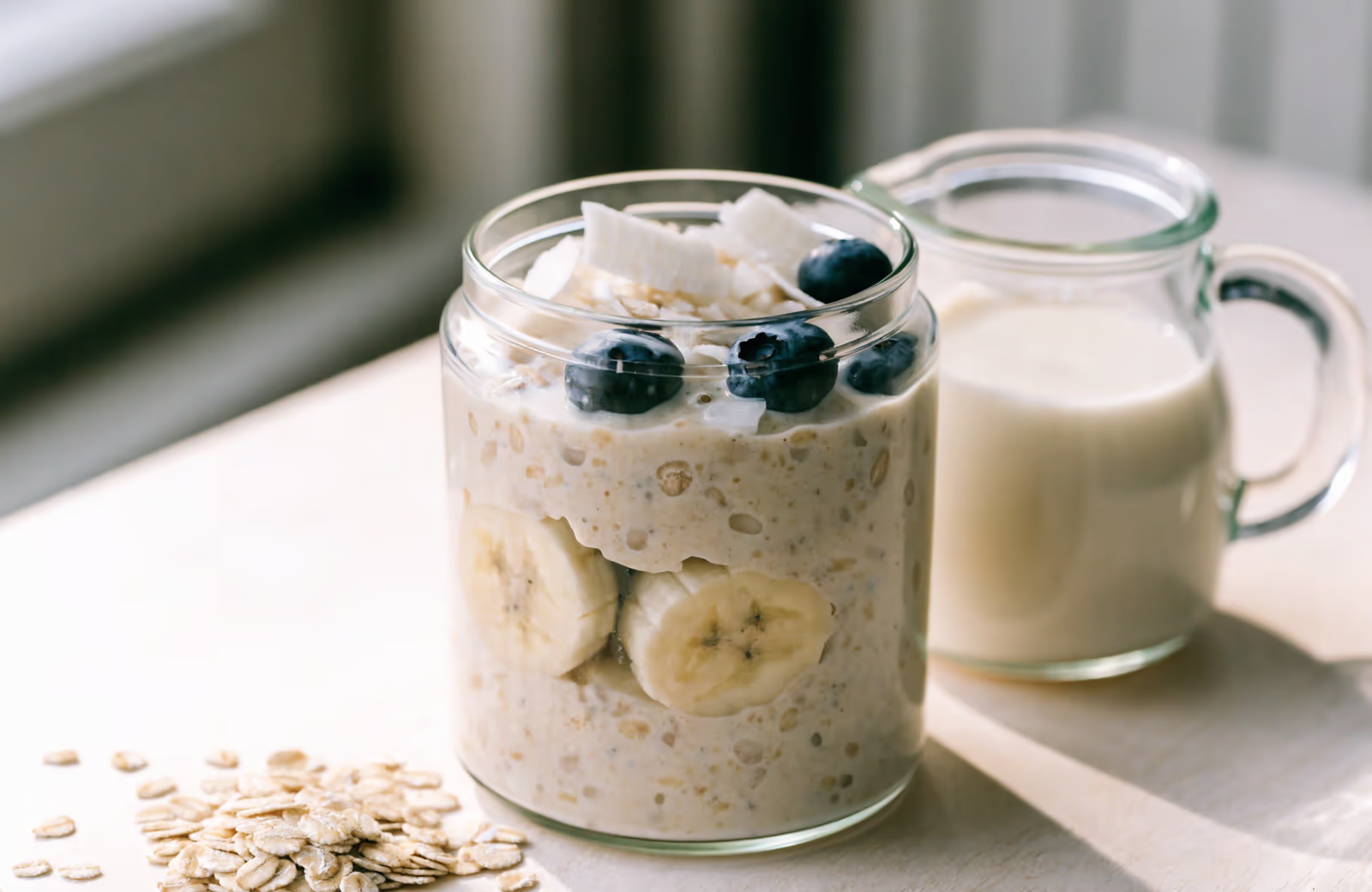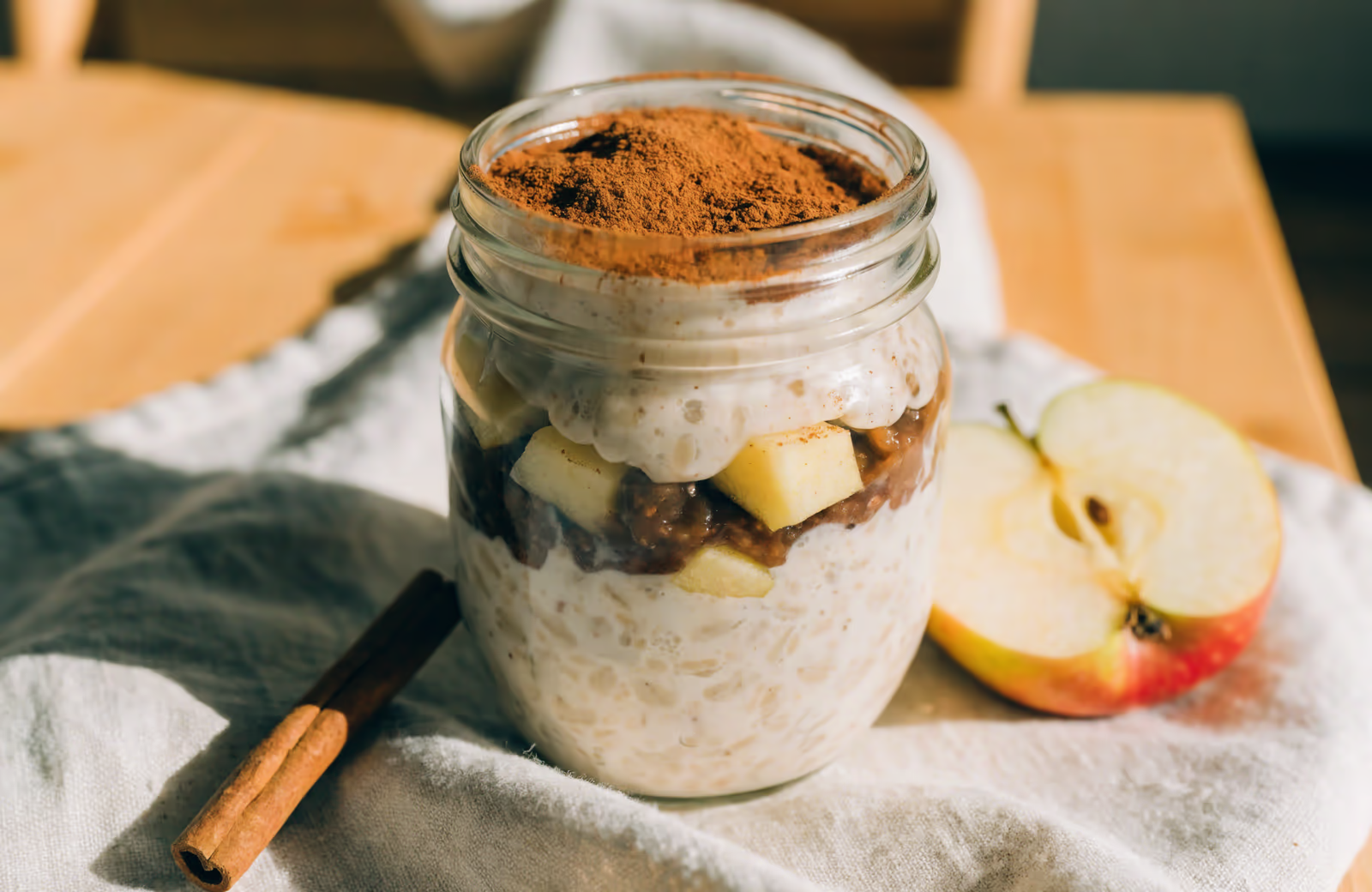
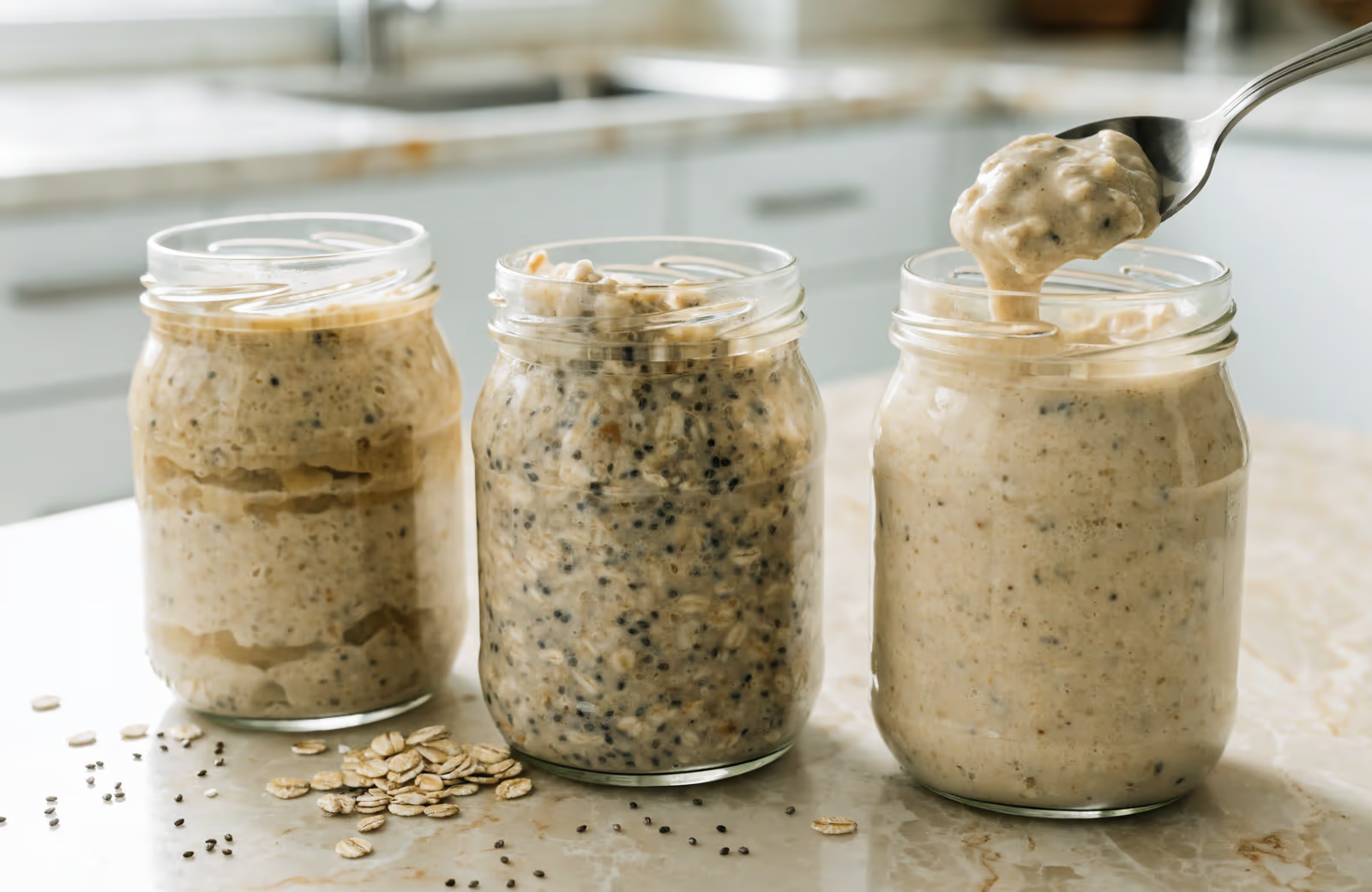
Getting your overnight oats ratio right determines whether your breakfast turns out luxuriously thick or ends up like soup. The golden rule for an overnight oats ratio in grams is 50 g of rolled oats to 100 ml of liquid, giving a 1:2 ratio in grams to millilitres. Jumbo oats require slightly more liquid than standard porridge oats, whilst chia seeds absorb extra moisture. Here is everything you need to know about exact quantities for a creamy consistency, the ideal soaking time, and how to rescue a jar that is too runny or too thick.
Where the Creamy Consistency Comes From
The creamy consistency of overnight oats is created by fridge absorption. Rolled oats are naturally absorbent and take in substantial moisture. During this slow process, they gradually release starch into the surrounding liquid. This starch release creates that signature rich texture. However, the balance is delicate: if the liquid ratio between your oats, liquid, and seeds is off, the texture suffers immediately.
Temperature is another crucial factor. Cold ingredients bind differently in the fridge compared to warm porridge cooked on the hob. This makes knowing your precise measurements essential. Avoid guessing by eye, especially if you are new to this style of meal prep, as ingredient quantities directly dictate the end result.
The Ideal Overnight Oats Ratio: Oats to Liquid
There are a few ways to measure out portions for your breakfast. Many people rely on volume measurements using a cup. Here, the standard guideline is equal parts oats and liquid: if you use half a cup of porridge oats, add half a cup of milk or plant-based drink. The oats absorb this liquid to create a thick mixture.
For maximum accuracy, weighing with a digital kitchen scale is best. A reliable benchmark is an overnight oats ratio in grams of 1:2 (grams to millilitres) — 50 grams of porridge oats to 100 millilitres of liquid. This method is far more precise and delivers consistent results, as jumbo oats and fine rolled oats vary in weight by volume. If you would like to explore more proportions, check out our guide to overnight oats.
The Overnight Oats Ratio with Chia Seeds and Flaxseeds
While porridge oats bind liquid well on their own, achieving a pudding-like viscosity often calls for a little help. Chia seeds are especially effective: they absorb water and develop a gel-like coating overnight, yielding an exceptionally smooth texture. When perfecting your overnight oats with chia, adding just one teaspoon per portion is usually enough to transform a looser mixture into a rich, spoonable breakfast.
Milled flaxseed has a similar binding effect and is an affordable, locally sourced alternative. However, use flaxseed sparingly; adding too much can introduce a slightly bitter undertone. Chia seeds, on the other hand, have a neutral flavour that will not alter your recipe.
For an even silkier finish, try making overnight oats with yogurt or fresh kefir whey. These mildly tangy ingredients round off the flavour profile, provide a velvety mouthfeel, and prevent the liquid from separating by morning.
The Optimal Soaking Time: How Long Is Best?
As the name suggests, the best soaking time is overnight. In practical terms, your oats need at least four to five hours of fridge absorption to soften properly and drink up the liquid. An eight to twelve-hour soak is even better, allowing spice flavours to infuse fully and making the oats gentler on digestion.
How long can you store them? Jars prepared without fresh fruit keep well in the fridge for up to five days, whilst those with fresh fruit should be eaten within two to three days, making them brilliant for meal prep. After day five, the texture begins to deteriorate as the oats lose their bite and turn mushy. For the best quality, aim to consume them within five days.
Common Mistakes with Your Overnight Oats Ratio (and How to Fix Them)
Although the concept is straightforward, a few common pitfalls can arise. Here are the most frequent mistakes and their solutions:
Mistake 1: Too much liquid. If your breakfast looks watery, you have used too much milk or high-moisture fruit. Solution: Stir in an extra tablespoon of fine rolled oats or half a teaspoon of chia seeds in the morning, then allow the jar to sit for 10 to 15 minutes to absorb the excess.
Mistake 2: Too thick and dry. A solid clump forms when highly absorbent seeds are added without increasing the liquid ratio. Solution: Add a splash of milk or water in the morning and stir vigorously until the creamy consistency returns.
Mistake 3: Soggy toppings. Nuts, seeds, or granola left in the jar overnight will soften and lose their crunch. Solution: Never mix these elements in the night before; store them separately and scatter over just before eating.
Recipe: Perfectly Balanced Strawberry and Walnut Overnight Oats
This recipe demonstrates how to achieve the perfect texture in practice. It balances soft, creamy oats with the satisfying crunch of fresh walnuts.
Ingredients:
- 50 g rolled oats (approx. 3 heaped tablespoons)
- 100 ml milk or plant-based milk
- 1 tsp chia seeds
- 1 tsp milled flaxseed
- 1 tsp honey or agave syrup
- 1 small dash kefir whey or natural yogurt (for a touch of pleasant acidity)
- 1 handful fresh red strawberries
- 2 tbsp roughly chopped walnuts (for topping)
- 1 tbsp crunchy granola (for topping)
Method:
- Add the rolled oats, chia seeds, and milled flaxseed to a clean breakfast jar and mix well whilst dry.
- Add the honey, kefir whey (or natural yogurt), and milk. Drizzle the honey in a thin stream so it blends easily into the cold liquid.
- Stir all ingredients thoroughly, ensuring the chia seeds are evenly distributed throughout the liquid rather than clumping at the base or corners.
- Seal the jar tightly and place it in the fridge for at least eight hours.
- The following morning, slice the washed strawberries into neat pieces or bite-sized cubes.
- Remove the jar from the fridge, give the wonderfully creamy oats a final stir, and arrange the fresh strawberries on top.
- Finish by scattering the chopped walnuts and granola over the surface for the ultimate fresh crunch with every spoonful.
Nutritional Values per Portion
| Nutrient | Per Portion |
|---|---|
| Energy | 472 kcal |
| Protein | 13.6 g |
| Fat | 20.2 g |
| Carbohydrates | 56.6 g |
Frequently Asked Questions (FAQ)
Can I use warm milk to speed up the soaking time?
This is not recommended. Warm milk alters the starch release during soaking, often resulting in a gluey, sticky texture. Always use cold liquid straight from the fridge to achieve a light, creamy consistency.
Should I use rolled porridge oats or jumbo oats?
This comes down to personal preference. Standard porridge oats break down more readily for a smoother, denser texture, whereas jumbo oats retain more structural integrity and provide a firmer chew. For the creamiest result, opt for fine rolled oats.
Why does liquid sometimes separate from the oats by morning?
Separation usually happens if the mixture was not stirred thoroughly before chilling, or if very juicy fruit released water overnight. A quick, vigorous stir in the morning will easily re-emulsify the ingredients.
Related reading: See our guides on eating overnight oats warm and mango overnight oats.
Conclusion
Achieving the perfect breakfast texture comes down to a reliable overnight oats ratio UK readers can depend on. Porridge oats generally require twice their weight in liquid, chia seeds can be used to fine-tune the thickness, and crunchy toppings should always be added just before serving. Give this strawberry and walnut recipe a try to discover just how delicious a properly balanced ratio can be.
Source note: Inspiration for these texture tips comes from the YouTube video by Enzo Neto.