
Should you consider giving up coffee? Although coffee is associated with many health benefits and even a longer life expectancy, there are specific groups of people who should avoid it. Scientific studies identify clear risk groups for whom caffeine does more harm than good.
From glaucoma patients to people with epilepsy and pregnant women – research highlights dramatic effects: coffee can increase intraocular pressure, worsen seizures, and cut sleep by more than two hours. But who belongs to these high-risk groups?
Table of contents
- Key takeaways
- Glaucoma and elevated intraocular pressure
- Epilepsy and seizures
- Stomach problems and acid reflux
- Bladder problems and urinary incontinence
- Sleep disruption and caffeine
- Pregnancy and breastfeeding risks
- Dangerous coffee enemas
- Giving up coffee: Caffeine dependence and withdrawal
- How to quit coffee: Practical tips
Key takeaways
- Glaucoma risk: Coffee increases intraocular pressure – a family history alone is a reason for caution
- Epilepsy control: Stopping coffee significantly reduces seizure frequency – daily limit of 2.5 cups
- Sleep disruption: Coffee 6 hours before bed cuts sleep duration by 1 hour – and by 2+ hours in older adults
- Pregnancy risks: Increased risk of miscarriage, premature birth, and low birth weight
- Age sensitivity: 400mg of caffeine reduces sleep by 1 hour in 24-year-olds, and by 2 hours in 52-year-olds
- Withdrawal reality: Caffeine dependence brings days of headaches and difficulty concentrating
Glaucoma and elevated intraocular pressure
Patients with glaucoma or those with a family history of the condition should completely avoid caffeinated coffee. Scientific research demonstrates that coffee increases intraocular pressure and can worsen or even trigger existing glaucoma.
How significantly does coffee affect intraocular pressure?
Even a single cup of coffee can lead to measurable increases in intraocular pressure in sensitive individuals. The risk is particularly elevated with:
- An existing diagnosis of glaucoma
- A family history of glaucoma
- Elevated intraocular pressure without symptoms
- Regular high caffeine consumption
The underlying mechanisms are complex: caffeine can stimulate the production of aqueous humour in the eye whilst simultaneously obstructing its outflow. For those affected, this poses a substantial risk of vision loss.
Epilepsy and seizures
Case reports clearly document that epilepsy patients who gave up coffee experienced a significant reduction in seizure frequency. These clinical observations carry important therapeutic implications.
Why does coffee worsen epileptic seizures?
Caffeine acts as an antagonist at adenosine receptors in the brain and can increase neuronal excitability. In people with epilepsy, this leads to:
- A lower seizure threshold
- More frequent seizures
- Increased severity of seizure episodes
- Impaired effectiveness of anti-epileptic medication
What caffeine intake is still tolerable for people with epilepsy?
Medical guidelines recommend a maximum of 2.5 cups of coffee daily (around 590ml) for epilepsy patients. However, many neurologists advise giving up coffee entirely, as individual sensitivity varies considerably.
Stomach problems and acid reflux: Signs you should stop drinking coffee
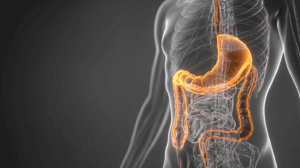
Coffee can significantly exacerbate acid reflux and heartburn. The acidity and specific compounds in coffee stimulate gastric acid production and relax the lower oesophageal sphincter.
How does coffee worsen stomach problems?
The mechanism is multi-layered: coffee not only increases gastric acid production, but also delays gastric emptying. This results in:
- Worsened heartburn
- More frequent acid regurgitation
- Irritation of the oesophageal lining
- Deterioration of existing acid reflux conditions
Drinking coffee on an empty stomach is particularly problematic, as the surge in gastric acid occurs without any food to buffer it, leading to especially harsh effects.
Bladder problems and urinary incontinence
Both British and international clinical guidelines recommend that women experiencing bladder issues reduce their caffeine intake. Caffeine acts as a mild diuretic and can increase urinary urgency and frequency.
How does caffeine affect the bladder?
The clinical evidence is nuanced yet relevant: whilst observational studies found no definitive link between caffeine intake and urinary incontinence, interventional trials showed more distinct outcomes:
- 50% of studies observed reduced urinary frequency following caffeine reduction
- Only 2 out of 7 studies showed an improvement in urinary incontinence
- Effects were particularly pronounced at 2–3 cups daily (480–720ml)
- Tolerance reduces the effect in regular coffee drinkers
Who benefits most from giving up coffee?
Giving up coffee or cutting down on caffeine is particularly worthwhile for those with:
- Existing urinary incontinence
- Frequent urinary urgency
- Nocturia (waking up at night to urinate)
- An overactive bladder
Sleep disruption and caffeine
The impact of coffee on sleep disruption is far more dramatic than most people realise. Even drinking coffee six hours before bedtime can reduce total sleep time by more than an hour.
How much does timing influence sleep disruption?
Controlled trials reveal alarming findings: four cups of coffee (around 400mg of caffeine) – less than a large high-street coffee – consumed six hours before going to bed reduced sleep duration by over an hour.
Why are older adults more severely affected?
The age-related differences are striking:
- 24-year-olds: 400mg caffeine = 1 hour less sleep
- 52-year-olds: 400mg caffeine = over 2 hours less sleep
These disparities stem from slower caffeine metabolism and heightened sensitivity with ageing.
Is a single cup with dinner enough to disrupt sleep?
Yes. Studies confirm that even a single cup of coffee with an evening meal leads to significantly poorer sleep quality. It takes longer to fall asleep, and deep sleep stages are compromised.
Pregnancy and breastfeeding risks
Coffee consumption during pregnancy is linked to various adverse pregnancy outcomes. These risks include miscarriage, premature birth, and low birth weight.
Which pregnancy complications are backed by research?
Scientific studies document the following risks:
- Miscarriage risk: Elevated with regular caffeine intake
- Premature birth: More common among pregnant women who drink coffee
- Low birth weight: A dose-dependent relationship
- Childhood leukaemia: A potentially increased risk
Are birth defects a risk?
Interestingly, studies found no link between coffee intake and common birth defects. Nevertheless, the potential risk of childhood leukaemia remains a concern.
What about decaffeinated coffee?
Decaffeinated coffee offers an alternative, though it still contains trace amounts of caffeine and other bioactive compounds. Completely giving up coffee remains the safest option during pregnancy.
Dangerous coffee enemas
Coffee enemas are not only ineffective, but also extremely dangerous. Medical case reports document severe complications, some of which are life-threatening.
What are the dangers of coffee enemas?
Documented complications include:
- Colitis (inflammation of the colon)
- Rectal burns from hot liquids
- Bowel perforation with life-threatening consequences
- Electrolyte imbalances leading to cardiac arrhythmias
- Dehydration and cardiovascular collapse
A systematic review strongly warns against this practice, emphasising that there is no scientific evidence whatsoever supporting any health benefits.
Giving up coffee: Caffeine dependence and withdrawal
Daily caffeine consumption leads to physical dependence – a phenomenon underpinning a global multi-billion-pound market. This dependence is genuine and medically recognised.
What withdrawal symptoms should you expect?
Caffeine withdrawal symptoms can persist for several days and include:
- Severe headaches (the most common symptom)
- Extreme fatigue and lack of energy
- Difficulty concentrating and brain fog
- Irritability and mood swings
- Low mood and depressive feelings
Caffeine withdrawal timeline: How long does it last?
Acute withdrawal symptoms typically peak within 1–2 days and subside within 7–10 days on the caffeine withdrawal timeline. However, psychological habituation can take weeks or even months to overcome.
Are there quitting coffee benefits despite dependence?
Ironically, the addictive nature of caffeine could be seen as an advantage if evidence confirms that coffee slows biological ageing, as habitual intake reinforces those protective mechanisms. However, for those suffering side effects, understanding the quitting coffee benefits is vital.
Practical tips for giving up coffee
Giving up coffee requires a systematic approach to minimise withdrawal symptoms and achieve lasting success.
How to quit coffee: a step-by-step approach
Weeks 1–2: Reduction
- Reduce daily caffeine intake by 25%
- Mix caffeinated beverages with decaffeinated alternatives
- Have your final cup by 2 pm at the latest
- Drink plenty of water (2–3 litres daily)
Weeks 3–4: Finding alternatives
- Herbal teas to replace the daily ritual
- Short brisk walks when fatigue sets in
- Power naps instead of caffeine hits
- Breathing exercises to manage withdrawal symptoms
What are the alternatives?
Healthy alternatives for sustained energy:
- Green tea: Lower in caffeine, rich in L-theanine
- Matcha: Slower, sustained caffeine release
- Rooibos tea: Completely caffeine-free
- Chicory coffee: Coffee-like flavour without caffeine
When should you seek medical advice?
Consulting a GP or medical professional is recommended if you experience any of the following:
- Severe withdrawal symptoms lasting longer than 2 weeks
- Heart palpitations or arrhythmias during withdrawal
- Severe depression or extreme anxiety
- Debilitating physical symptoms
Scientific sources
- Li M, Wang M, Guo W, Wang J, Sun X. The effect of caffeine on intraocular pressure: a systematic review and meta-analysis. Graefes Arch Clin Exp Ophthalmol. 2011;249(3):435-442.
- Bonilha L, Li LM. Heavy coffee drinking and epilepsy. Seizure. 2004;13(4):284-285.
- Surdea-Blaga T, Negrutiu DE, Palage M, Dumitrascu DL. Food and gastroesophageal reflux disease. Curr Med Chem. 2019;26(19):3497-3511.
- Drake C, Roehrs T, Shambroom J, Roth T. Caffeine effects on sleep taken 0, 3, or 6 hours before going to bed. J Clin Sleep Med. 2013;9(11:1195-1200.
- Robillard R, Bouchard M, Cartier A, Nicolau L, Carrier J. Sleep is more sensitive to high doses of caffeine in the middle years of life. J Psychopharmacol. 2015;29(6):688-697.
- Poole R, Kennedy OJ, Roderick P, Fallowfield JA, Hayes PC, Parkes J. Coffee consumption and health: umbrella review of meta-analyses of multiple health outcomes. BMJ. 2017;359:j5024.
- Son H, Song HJ, Seo HJ, Lee H, Choi SM, Lee S. The safety and effectiveness of self-administered coffee enema: A systematic review of case reports. Medicine (Baltimore). 2020;99(36):e21998.
- Juliano LM, Griffiths RR. A critical review of caffeine withdrawal: empirical validation of symptoms and signs, incidence, severity, and associated features. Psychopharmacology (Berl). 2004;176(1):1-29.
- Le Berre M, Presse N, Morin M, et al. What do we really know about the role of caffeine on urinary tract symptoms? A scoping review on caffeine consumption and lower urinary tract symptoms in adults. Neurourol Urodyn. 2020;39(5):1217-1233.
- Chen X, Yin X, Gao Y, Chen X, Ye N, He X. From cup to clock: exploring coffee’s role in slowing down biological aging. Food Funct. 2024;15(10):5655-5663.
Sources and references
Systematic reviews, meta-analyses and controlled clinical trials relevant to this article. All links verified on 16 August 2026.
- Yan A, La Rosa A, Chhablani PP et al.: Caffeine and Vision: Effects on the Eye. Turkish journal of ophthalmology 2024. PubMed 39463170. DOI: 10.4274/tjo.galenos.2024.43895.
- Nehlig A: Effects of Coffee on the Gastro-Intestinal Tract: A Narrative Review and Literature Update. Nutrients 2022. PubMed 35057580. DOI: 10.3390/nu14020399.
- Yoon JJ, Danesh-Meyer HV: Caffeine and the eye. Survey of ophthalmology 2019. PubMed 30365973. DOI: 10.1016/j.survophthal.2018.10.005.
- Nehlig A: Effects of coffee/caffeine on brain health and disease: What should I tell my patients?. Practical neurology 2016. PubMed 26677204. DOI: 10.1136/practneurol-2015-001162.