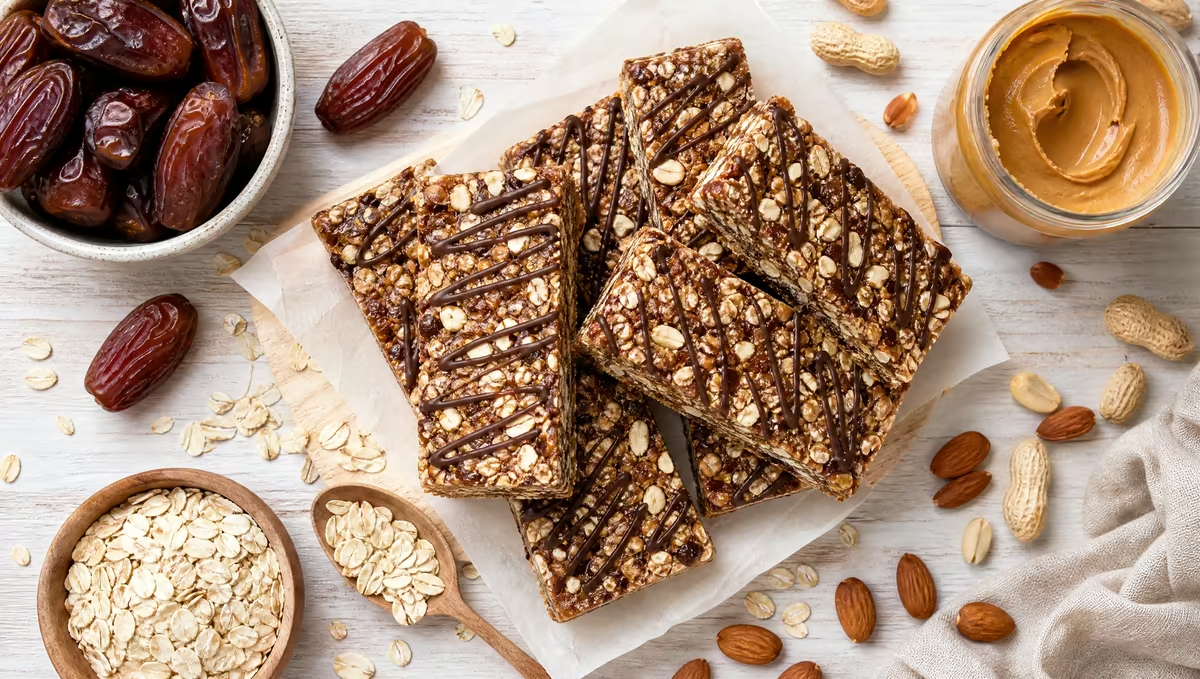
Making homemade protein bars is cheaper, healthier, and far tastier than relying on shop-bought options: free from unnecessary sugars, free from artificial additives, and packed with the exact macronutrients your body needs. Here is a simple, no bake protein bars recipe alongside plenty of versatile variations – from vegan protein bars and powder-free alternatives to decadent chocolate-topped options.
Why make protein bars at home?
Shop-bought bars are expensive and often loaded with hidden sugars and sugar alcohols. When making your own, you decide the exact protein content, sweetness, and ingredients – ideal for muscle recovery, a quick afternoon snack, or supporting weight loss goals. You also save a substantial amount of money.
Homemade protein bars (no bake) – basic recipe
- 100 g rolled oats (or porridge oats)
- 60 g protein powder (e.g. vanilla)
- 3 tbsp peanut butter and a dash of honey or date syrup
- a splash of milk until a firm dough forms
Knead all the ingredients together, press firmly into a lined tin, chill in the fridge for 1 hour, and slice into bars. No oven needed.
Protein bars without protein powder
You can easily skip the supplement tubs: combining nuts, almond flour, low-fat quark, and rolled oats delivers a naturally high protein content. Dates provide natural sweetness and hold the mixture together. A fantastic solution for anyone preferring wholefood nutrition.
Vegan protein bars
For a plant-based alternative, opt for plant protein powder (such as pea, rice, or hemp) and use date syrup in place of honey. Blended with peanut butter and rolled oats, they turn out deliciously moist and provide a complete plant-based protein profile.
Chocolate protein bars
A classic favourite: coat your finished bars with a drizzle of melted dark chocolate and chill until set. It satisfies chocolate cravings whilst delivering far more protein and substantially less sugar than commercial confectionery.
Protein bars with dates
Dates serve as nature’s ultimate binder and sweetener. Pulse them in a food processor with nuts and protein powder, press into a dish, and you have delicious refined sugar free bars, very similar to our homemade energy balls.
Homemade protein bars low calorie (for weight loss)
For a lower-calorie alternative, swap out nut butters for low-fat quark and select a calorie-free sweetener. This creates high-protein bars that stay low in fat and calories – ideal for curbing cravings during a calorie deficit.
Protein bars with oats
Rolled oats make your bars satisfyingly filling, delivering plenty of dietary fibre and sustained energy release. They form the foundational base of almost every bar recipe, providing that beloved flapjack-style texture.
Baked protein bars
If you prefer a firmer crunch, bake the pressed mixture at 170 °C for around 15–20 minutes. This gives a crisper, sturdier texture that travels exceptionally well in a gym bag or lunchbox.
How much protein is in a homemade bar?
Depending on your chosen ingredients, expect roughly 10–20 g of protein per bar. Incorporating whey protein powder or quark easily achieves 15 g or more – matching commercial gym bars without artificial fillers.
Storage and meal prep tips
In the fridge, homemade protein bars will keep for approximately 5–7 days, or up to several weeks in the freezer. Wrap each bar individually in greaseproof baking parchment for effortless meal prep, ensuring a nourishing snack is always ready to grab.
Frequently asked questions (FAQ)
Can you make protein bars without protein powder?
Yes. Combining nuts, almond flour, low-fat quark, rolled oats, and dates yields a naturally high protein count without needing protein powder.
How do you prevent bars from crumbling?
Adequate binding ingredients are essential: peanut butter, date paste, or a touch of honey hold the mixture firmly. Press the dough tightly into your tin and allow sufficient chilling time before slicing.
Are homemade protein bars healthy?
Yes, absolutely: you cut out refined sugars and artificial additives whilst tailoring the recipe to your dietary goals. Keep an eye on total portions, as nuts and nut butters are naturally energy-dense.
Which protein powder is best?
Whey protein powder works best for smooth, creamy bars, whilst plant-based powders (pea, rice, or hemp) suit vegan recipes. Unflavoured or vanilla powders blend seamlessly with most flavours.
Can you freeze protein bars?
Yes, they freeze brilliantly for several weeks. Wrap each bar individually in parchment paper and allow to thaw briefly at room temperature before eating.
Are protein bars good for weight loss?
As a high-protein, satiating snack, they help keep hunger and cravings at bay. For fat loss, opt for the lower-calorie version made with low-fat quark and be mindful of portion sizes.
How long do homemade protein bars last?
They last around 5–7 days in the fridge. No bake recipes should always be stored chilled to maintain their shape and firmness.
When should you eat a protein bar?
They are ideal between meals, post-workout to support muscle recovery, or as a quick, wholesome breakfast on the go.
Summary
Preparing homemade protein bars is quick, cost-effective, and remarkably versatile – whether you choose a no bake method, vegan protein bars, chocolate toppings, or a low-calorie recipe for dieting. Mix your batch, refrigerate, and enjoy healthy snacks all week long. If you are looking for more high-protein recipe ideas, take a look at our protein pancakes.