An anti inflammatory smoothie is the fastest low-inflammation breakfast of all: in just two minutes, you can combine berries, leafy greens, flaxseeds, and spices into a drink that specifically delivers the plant compounds linked in clinical studies with lower inflammatory markers. Getting the composition right is essential – otherwise, what should be a healthy start turns into a sugar bomb. Here is the science, a simple builder formula, and the most common mistakes to avoid.
What makes the best smoothie for inflammation
The decisive factor is not a single “superfood”, but the combination. A low-inflammation smoothie follows three key principles: plenty of polyphenols (berries, leafy greens), plant-based omega-3 fatty acids and dietary fibre (flaxseeds, chia seeds), and minimal free sugars. In scientific research, the anti-inflammatory quality of a diet is measured using inflammatory markers such as CRP, IL-6, and TNF-alpha – and dietary patterns rich in plant compounds and fibre consistently lower these markers. The most common mistake is adding too much fruit and fruit juice, which spikes blood sugar levels and cancels out the health benefits.
The key ingredients and their proven benefits
Berries – anthocyanins and antioxidants to lower inflammation
Blueberries, raspberries, and blackberries are rich in anthocyanins, the blue-red polyphenols with potent antioxidant properties. Controlled human trials show that regular berry consumption can reduce CRP and other inflammatory markers; observational studies link a high anthocyanin intake to a significantly lower risk of cardiovascular disease. Anthocyanins work in part by inhibiting the inflammatory master switch NF-κB. You can read more in our guides on blueberries and health and wild blueberries vs cultivated blueberries.
Leafy greens – the unsung hero
A handful of spinach or kale barely alters the taste, yet substantially boosts nutrient density: folate, vitamin K, magnesium, and nitrates. In observational studies, leafy greens are among the foods most strongly associated with lower inflammation levels. Their neutral flavour makes leafy greens the ideal base vehicle in any smoothie.
Flaxseeds & chia – plant-based omega-3 fatty acids
Milled flaxseeds and chia seeds provide the essential plant-based omega-3 fatty acid ALA, alongside soluble dietary fibre and – in the case of flax – lignans. Meta-analyses demonstrate a reduction in CRP from flaxseeds, particularly in individuals with elevated baseline levels. Important: always use milled or ground flaxseeds, otherwise they simply pass through the digestive tract unabsorbed.
Ginger & turmeric – anti inflammatory smoothies with turmeric and spice boosters
Ginger (gingerols) and turmeric (curcumin) are two of the most thoroughly researched anti-inflammatory spices. Meta-analyses confirm a reduction in inflammatory markers for both. For turmeric, keep in mind: the bioavailability of curcumin is naturally low – pairing it with black pepper (piperine) and a source of healthy fat significantly enhances absorption. One teaspoon of freshly grated ginger or a pinch of ground turmeric is plenty. Discover more in our ginger shot recipe and guide to golden milk.
The liquid base – unsweetened instead of fruit juice
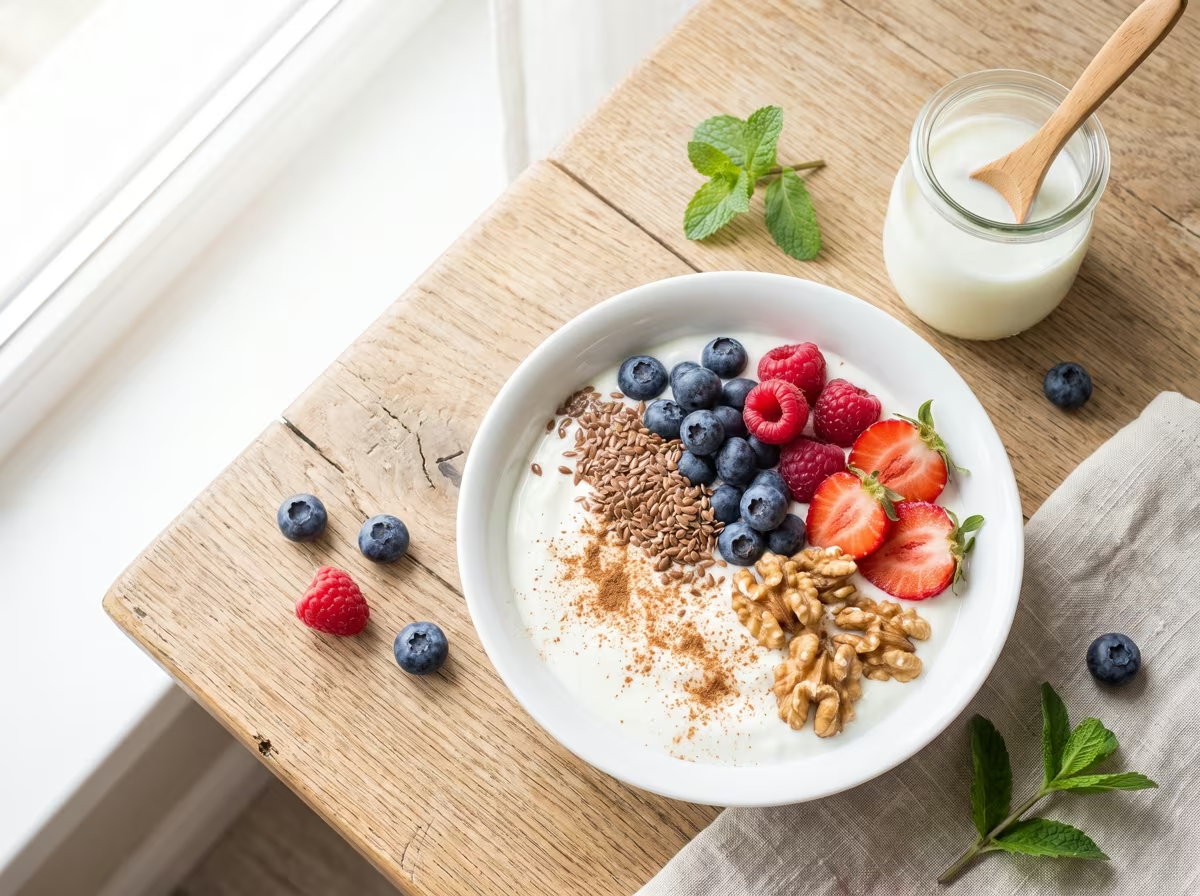
Ideal liquids include water, unsweetened plant-based milk alternatives, or natural yoghurt/kefir. Fermented dairy products introduce probiotics, which help dampen inflammation via a healthy gut microbiome. Fruit juices, on the other hand, do not belong in your blender – they flood the body with free sugars stripped of their slowing dietary fibre.
The formula: your simple anti inflammatory smoothie in 5 steps
- Liquid base (250 ml): Water, unsweetened almond/oat drink, or kefir.
- Berries (1 handful): Blueberries, raspberries, or blackberries (frozen is ideal).
- Leafy greens (1 handful): Spinach or kale.
- Omega-3 (1 tbsp): Milled flaxseeds or chia seeds.
- Booster (optional): 1 tsp fresh ginger, a pinch of turmeric + pinch of black pepper, ½ banana or avocado for creaminess.
Blend until smooth – done. This core structure can be adapted endlessly without losing its low-inflammatory properties.
3 anti inflammatory smoothie recipes to try
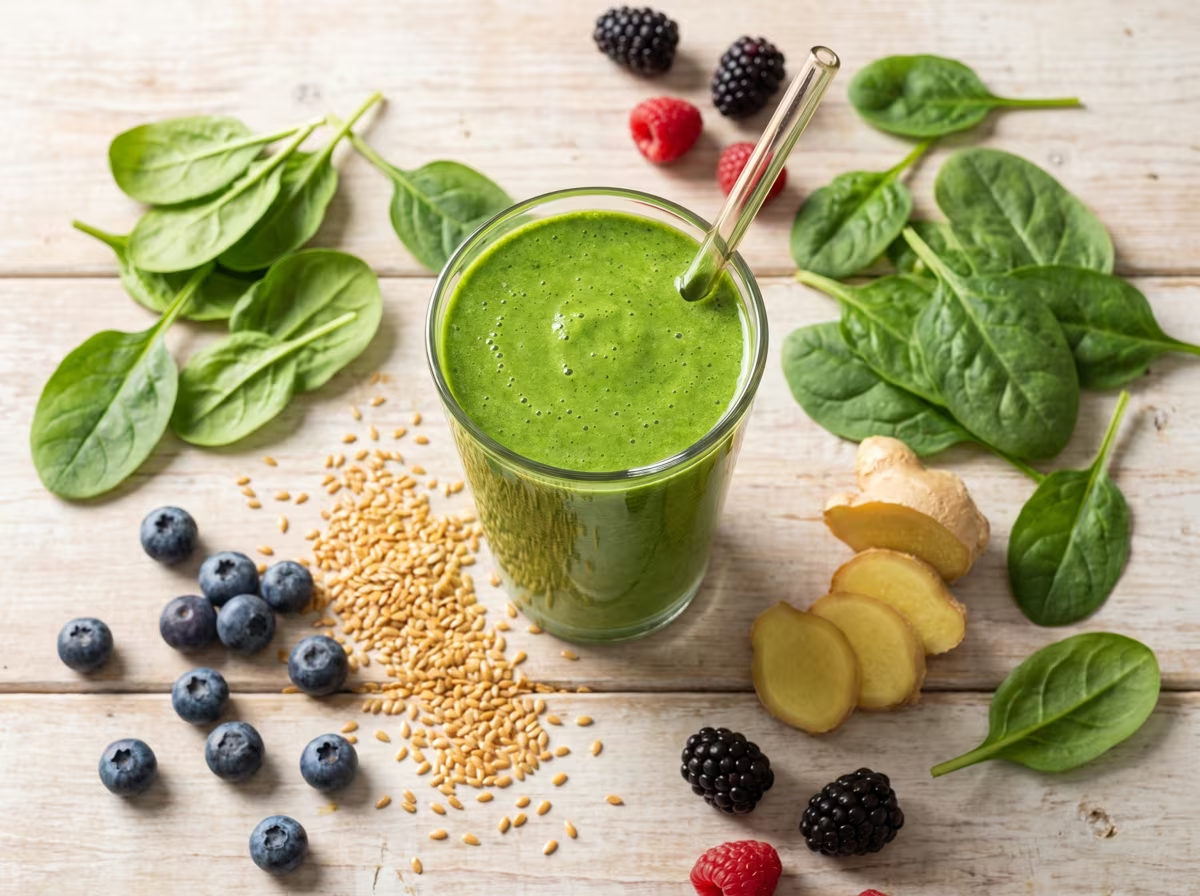
- Green anti-inflammation smoothie: Spinach, ½ banana, blueberries, milled flaxseeds, ginger, water.
- Beetroot and berry smoothie: Cooked beetroot, raspberries, natural yoghurt, chia seeds – beetroot provides dietary nitrates that support vascular health.
- Golden smoothie: Mango, turmeric, black pepper, kefir, chia seeds – creamy and rich in curcumin.
The 4 most common mistakes
- Too much fruit: More than one portion of fruit makes the smoothie high in sugar. Berries are significantly lower in fructose than bananas, mangoes, and tropical fruits.
- Fruit juice as a base: Delivers high amounts of free sugars – opt for water or unsweetened dairy-free drinks instead.
- Whole flaxseeds: Nutrients can only be absorbed if the seeds are ground or milled.
- No fat or black pepper with turmeric: Without both, curcumin remains poorly absorbed by the body.
Smoothies for weight loss – what to keep in mind?
A smoothie provides less satiety than a solid meal because it lacks chewing and solid food structure. If your goal is weight loss, focus on protein and dietary fibre: use kefir or skyr as the base, add a generous spoonful of flaxseeds or chia seeds, and keep fruit portions modest. This keeps the smoothie calorie-conscious whilst keeping you fuller for longer. As a supplement to a balanced diet – rather than replacing every whole-food meal – it is a practical nutritional tool.
An honest scientific perspective
The evidence base for the individual ingredients – anthocyanins, flaxseeds, ginger, turmeric – is solid, though trials generally show moderate effects and some rely on smaller sample cohorts. A smoothie cannot replace an overall balanced diet or prescribed medical treatment. Its true value lies in making anti-inflammatory whole foods practical and accessible in seconds – serving as an everyday building block within a broader anti-inflammatory dietary pattern.
Frequently asked questions about the anti inflammatory smoothie
What is the best smoothie for inflammation?
The most effective combination pairs berries (anthocyanins), leafy greens, milled flaxseeds, and an active spice such as ginger or turmeric, kept low in fruit sugars and completely free of fruit juice.
Is an anti inflammatory smoothie healthy for breakfast?
Yes, provided it is balanced correctly: plenty of greens and berries, omega-3 seeds, and minimal sugar. A pure fruit-and-juice blend, however, is not recommended.
Why should I use milled flaxseeds?
Whole flaxseeds pass through the digestive system intact. Only when ground or milled do the anti-inflammatory ALA omega-3 fatty acids and lignans become bioavailable.
Do I always need to add black pepper to turmeric?
For optimal efficacy, yes. Piperine from black pepper drastically increases curcumin absorption, and a small amount of dietary fat further improves bioavailability.
Will a smoothie keep me full?
Less so than a solid meal. Adding protein (kefir, Greek yoghurt, skyr) and dietary fibre (flaxseeds, chia seeds) ensures longer-lasting satiety.
Are fresh or frozen berries better?
Both are nutritionally equivalent. Frozen berries are picked and flash-frozen at peak ripeness, are available all year round, and give the smoothie a thicker, chilled texture.
Is a green smoothie with spinach safe to drink daily?
For healthy individuals, yes, in typical dietary amounts. If you are prone to kidney stones, it is advisable to rotate spinach (due to its oxalate content) with lower-oxalate greens like kale or romaine lettuce.
Can I prepare the smoothie in advance?
It is best enjoyed freshly blended. If necessary, it can be kept sealed in the fridge for a few hours; stir in your flaxseeds just before drinking to preserve the texture.
Summary
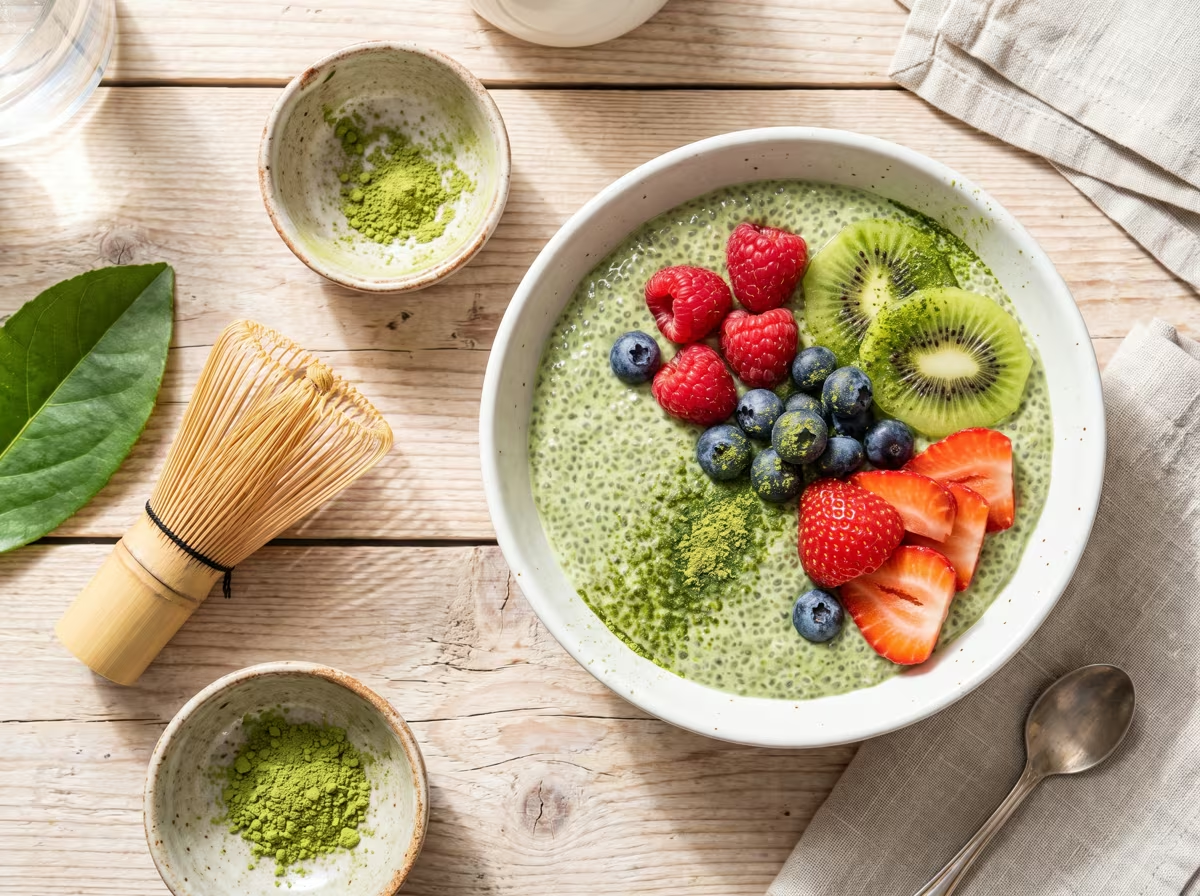
An anti inflammatory smoothie is anti-inflammatory nutrition at its fastest: berries, leafy greens, flaxseeds, and targeted spices deliver plant compounds with proven benefits for inflammatory markers – provided you skip the fruit juice and added sugars. Use the builder formula above and adjust to your taste. For a more filling breakfast, pair your drink with overnight oats or chia pudding.