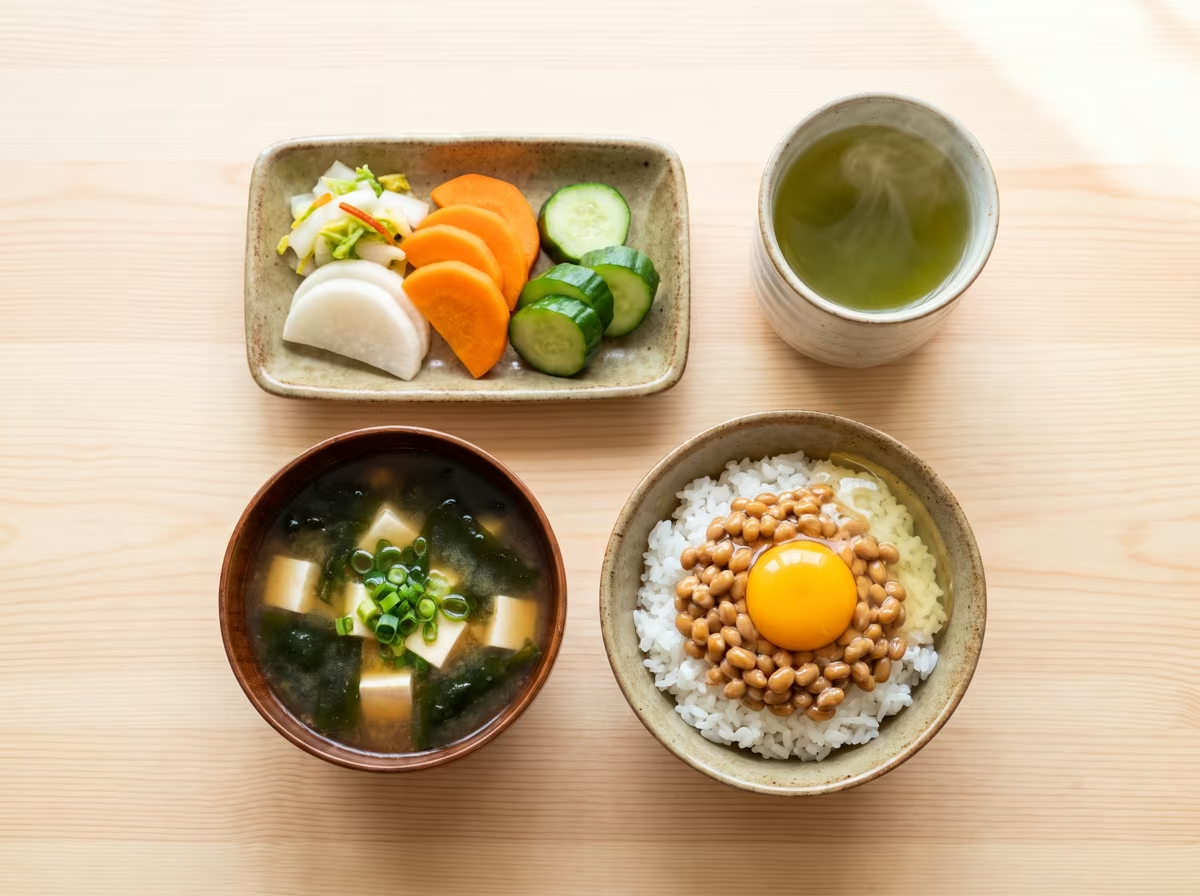
A traditional Japanese breakfast rich in fermented foods is widely regarded as one of the key secrets behind remarkable Okinawa longevity. Instead of refined sugar and white flour, the morning table is set with fermented foods: miso, natto, and pickled vegetables (tsukemono). This specific food group is among the very few scientifically proven to actively lower inflammatory markers. Here is the science behind the habit, and how you can easily adopt the principle for everyday life.
Why a Fermented Breakfast Is Anti-Inflammatory
Fermented foods provide live cultures (probiotics), enzymes, and bioactive compounds that support the gut microbiome – and our microbiome is intimately linked to systemic inflammation regulation. A widely cited study demonstrated that individuals with a high intake of fermented foods had a more diverse gut microbiota and lower inflammatory markers in their blood. Furthermore, the fermentation process breaks down anti-nutrients and enhances the bioavailability of essential minerals such as calcium and magnesium. This anti-inflammatory quality is clinically measured using markers such as CRP, IL-6, and TNF-alpha.
The Three Pillars of a Traditional Japanese Breakfast
Miso – The Fermented Soya Paste
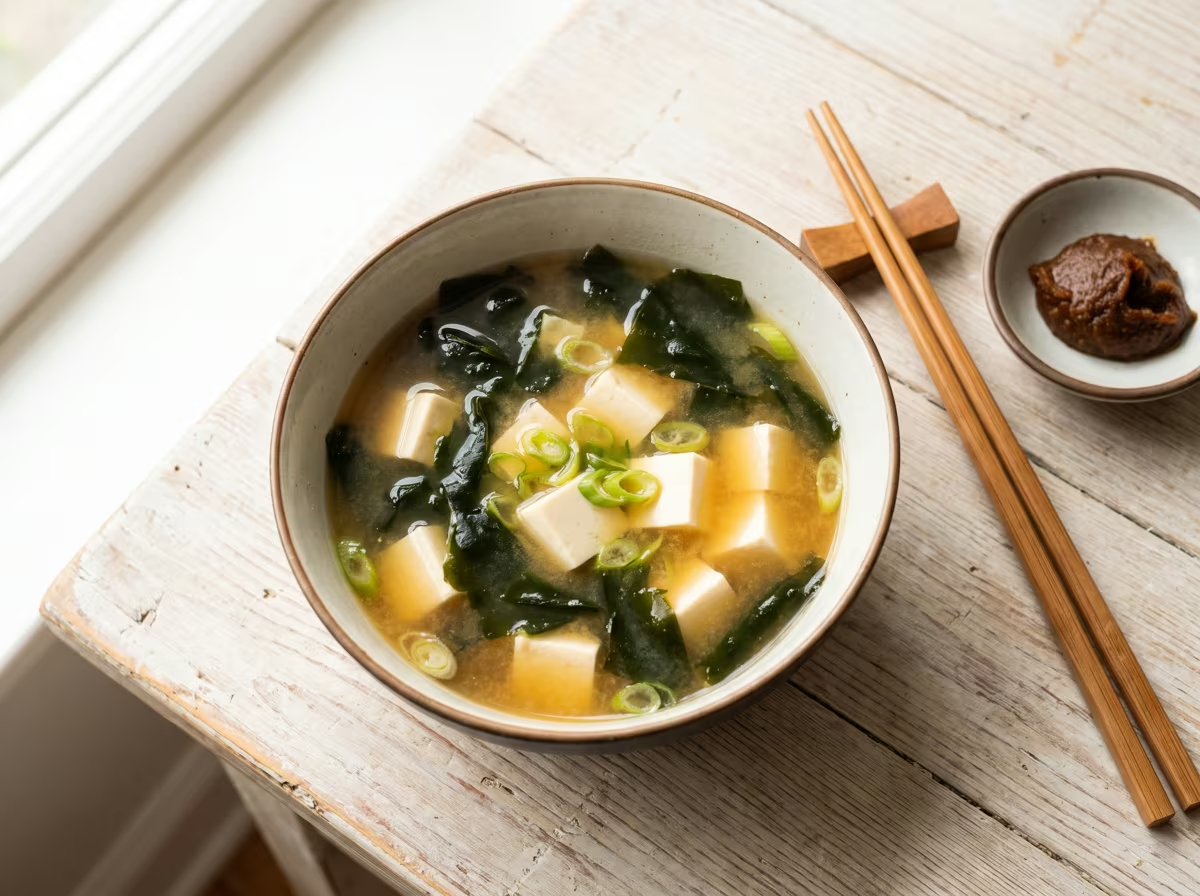
Crafted from soya beans fermented with koji, miso forms the foundation of the classic breakfast soup. It delivers probiotics, enzymes, and vitamin K2. Crucially, never boil miso; instead, stir it into hot stock once removed from the hob. You can find a dedicated recipe in our guide to an anti-inflammatory breakfast.
Natto – Fermented Soybeans
Natto is produced by fermenting soya beans with Bacillus subtilis. It stands as one of the richest plant-based sources of vitamin K2 and contains the potent enzyme nattokinase, which clinical studies link to improved circulation and cardiovascular health. Despite its pungent flavour and sticky texture, this traditional natto Japanese food is eaten by millions in Japan every morning – typically served over rice with a touch of mustard.
Tsukemono – Fermented Pickled Vegetables
Naturally fermented vegetables (such as daikon radish, cucumber, and carrot) provide probiotics and dietary fibre with minimal calories. Unlike standard vinegar pickles, authentic tsukemono are created through lactic acid fermentation – and only these deliver beneficial live cultures.
How to Adopt the Principle in Everyday Life
- Start with miso soup: Stir a teaspoon of miso into hot (not boiling) water or broth, adding tofu and seaweed.
- Add fermented vegetables: Enjoy a few slices of naturally fermented pickled radish or – for a Western twist – a spoonful of live-culture sauerkraut or kimchi.
- How to eat natto: Be adventurous and start with a single tablespoon of fermented soybeans over warm rice, seasoned with a dash of soy sauce and mustard.
- Drink green tea alongside: Swap your morning coffee for green tea to gain an extra boost of anti-inflammatory catechins.
There is no need to overhaul everything overnight: incorporating just one or two fermented elements on a regular basis makes a substantial difference.
Western Alternatives Using the Same Principle
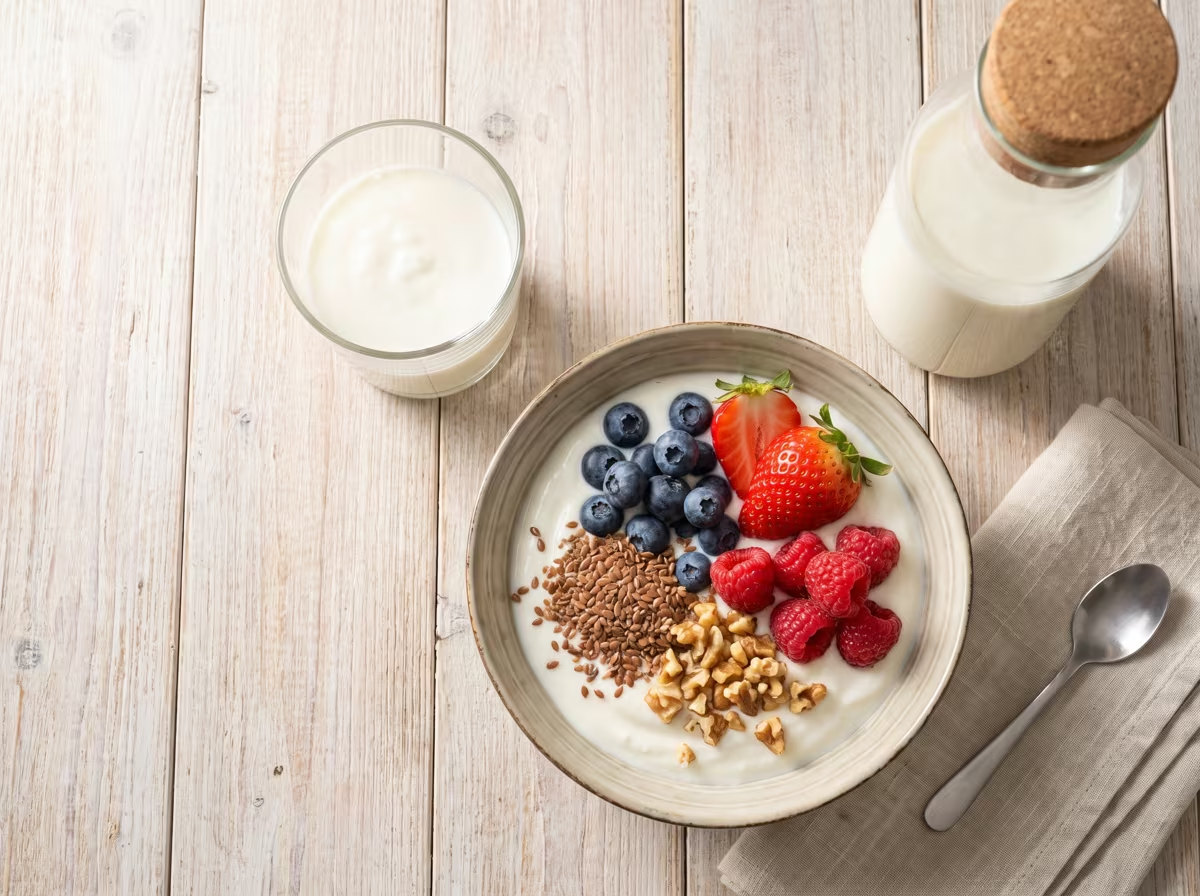
If you prefer not to use Japanese ingredients, you can achieve the exact same probiotic benefits with kefir, plain natural yoghurt, sauerkraut, or kimchi. The crucial factor is choosing unpasteurised products with live cultures – heat-treated tinned varieties no longer contain active probiotics. A fermented kefir breakfast bowl follows precisely the same principle.
An Honest Assessment
The scientific evidence linking fermented foods to reduced inflammation is remarkably solid for a dietary pattern; however, the effects remain moderate and partly stem from smaller trials. Furthermore, natto and miso are naturally high in salt and soya – take care with portion sizes if you have high blood pressure or a soya intolerance. If you take anticoagulant medication (blood thinners), discuss natto’s high vitamin K2 content with your GP or pharmacist first. A Japanese breakfast is a valuable dietary habit, not a medical cure.
Frequently Asked Questions About the Fermented Japanese Breakfast
Is a fermented breakfast genuinely anti-inflammatory?
Yes – clinical studies correlate high consumption of fermented foods with reduced inflammatory markers and greater gut microbiome diversity.
What is natto?
Fermented soybeans with a distinct sticky texture, exceptionally rich in vitamin K2 and the enzyme nattokinase.
Do I need to find where to buy natto and specialist ingredients?
No. Live-culture kefir, natural yoghurt, sauerkraut, or kimchi deliver the same valuable probiotic benefits without needing to hunt down specialist imports.
Why should miso never be boiled?
High heat destroys the delicate live cultures. Always whisk the paste into hot broth after taking the pan off the heat.
Are standard pickled gherkins in vinegar fermented?
No. Only naturally (lacto-fermented) pickled vegetables retain live cultures – heat-processed or vinegar-pickled varieties do not.
Is this breakfast high in salt?
Miso and tsukemono do contain noticeable amounts of salt – keep portion sizes in mind if you are managing high blood pressure.
Can natto interact with prescription medication?
Due to its high vitamin K2 levels, natto can interact with blood-thinning drugs – consult your GP before making it a daily staple.
What is the best way to get started?
Begin with a simple bowl of miso soup and a spoonful of fermented vegetables – you can always experiment with how to eat natto later on.
Conclusion
A fermented Japanese breakfast puts probiotics front and centre: natto and miso paired with fermented pickled vegetables supply live cultures and vitamin K2 – the most evidence-backed food group for lowering inflammation markers. Whether enjoyed traditionally or adapted with kefir and sauerkraut, the concept is simple to adopt. Discover more inspiration in our guide to an anti-inflammatory breakfast.