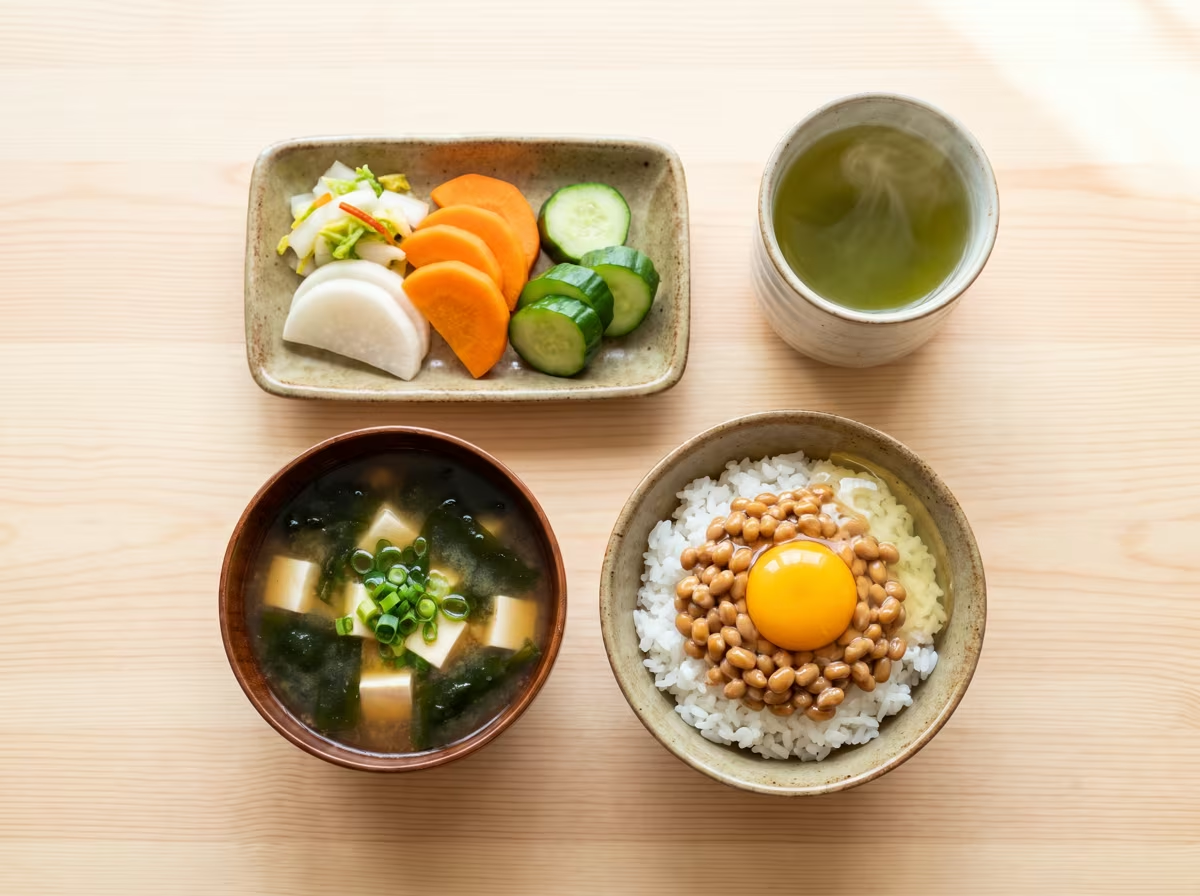
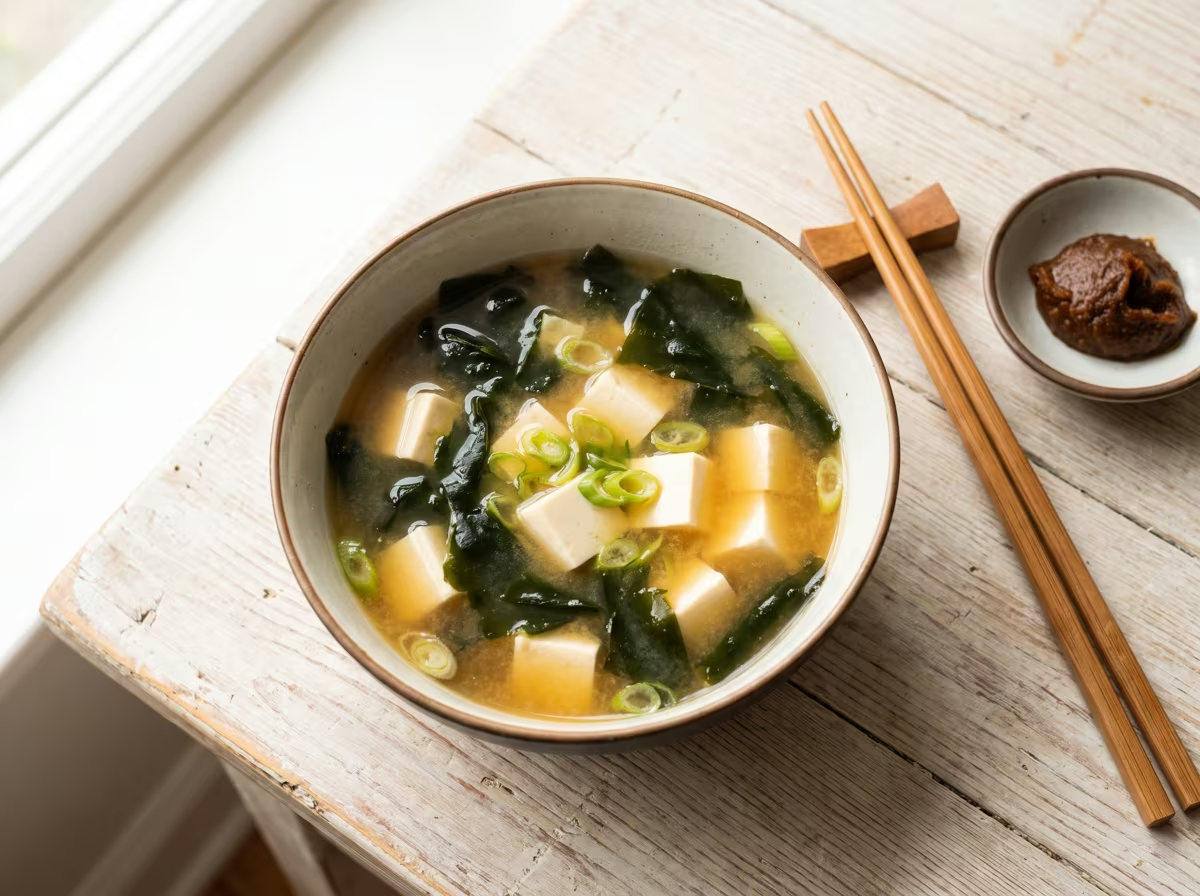
A miso soup breakfast is perhaps the most unusual, yet scientifically sound, savoury anti-inflammatory start to the day. In Japan, this warm, fermented soybean broth is traditionally enjoyed in the morning – and fermented foods are among the few dietary staples proven to actively reduce inflammatory markers. Here, you will discover why miso works and how to prepare a low-inflammation breakfast soup in just five minutes.
Miso Soup for Breakfast Benefits: Why It Is Anti-Inflammatory
Miso is produced by fermenting soybeans with koji mould. This fermentation process generates live cultures, digestive enzymes, and bioactive compounds. In nutritional science, fermented foods boast some of the most compelling clinical data: a widely cited study demonstrated that individuals with a high intake of fermented foods had lower inflammatory markers in their blood alongside a more diverse gut microbiome. The gut microbiome is intimately linked to systemic immune health and inflammatory regulation – and miso delivers these probiotics entirely naturally. This anti-inflammatory effect is clinically measured using markers such as CRP, IL-6, and TNF-alpha.
The Science: Exploring the Key Benefit of Miso
Miso Probiotic Cultures & Digestive Enzymes
The live cultures and natural digestive enzymes in miso support digestion, nutrient breakdown, and a balanced gut microbiome. Crucially, miso must never be boiled – stir the paste into hot (not boiling) broth once the pan has been removed from the heat; otherwise, the heat-sensitive live cultures will be destroyed.
Vitamin K2
Fermented soy products made from fermented soybeans are one of the few excellent dietary sources of vitamin K2. This nutrient helps direct calcium into the bones and keep it out of arterial walls – vital for long-term bone and vascular health.
A Warm, Savoury Breakfast Instead of Sugar
As a savoury breakfast that is completely sugar-free, miso soup keeps blood glucose levels stable – an independent, anti-inflammatory advantage over sweet pastries or sugary breakfast cereals. When paired with tofu, wakame seaweed, and spring onions, it becomes deeply satisfying and nutrient-dense.
Basic Recipe: Easy Miso Soup Breakfast (1 Serving)
Ingredients: 250 ml water or mild vegetable/dashi broth · 1 heaped tsp miso paste · a few cubes of silken tofu · 1 tsp dried wakame seaweed · 1 spring onion (finely sliced) · optional: a little freshly grated ginger.
Method:
- Gently heat the dashi broth (do not boil), then add the wakame and tofu to infuse for 2 minutes.
- Remove the pan from the heat, dissolve the miso paste in a spoonful of warm broth until smooth, and stir it in.
- Scatter with the spring onions and optional ginger. Serve and drink immediately.
What to Eat with Miso Soup for Breakfast: Tasty Variations
- With leafy greens: Stir in a handful of spinach or pak choi for extra folate and dietary nitrates.
- With egg: A soft-poached egg adds high-quality protein to make the soup even more filling.
- With ginger & garlic: Both ingredients provide additional anti-inflammatory compounds – see our ginger shot recipe.
Which Miso Should You Choose?
White (shiro) miso is mild, slightly sweet, and ideal for beginners, whilst darker varieties (such as red or brown miso) are richer, stronger, and saltier. Always look for unpasteurised miso to ensure the live cultures remain active. Because miso is naturally rich in salt, one teaspoon per cup is plenty.
An Honest Assessment
The scientific evidence linking fermented foods to reduced inflammation is exceptionally robust for a dietary pattern; however, the effects remain moderate and stem partly from smaller clinical trials. Miso is also naturally high in sodium – if you are managing high blood pressure, keep portion sizes in mind. As a wholesome, savoury breakfast, miso soup is a valuable, evidence-based addition to an anti-inflammatory diet, not a medical cure.
Frequently Asked Questions About Having a Miso Soup Breakfast
Is miso soup genuinely anti-inflammatory?
Yes. As a fermented food, miso provides natural probiotics; clinical studies associate a regular intake of fermented foods with reduced inflammatory markers and a healthier, more diverse gut microbiome.
Why should miso paste not be boiled?
Excessive heat kills beneficial live cultures and breaks down delicate digestive enzymes. Always take the pan off the heat before stirring in the paste.
Is miso soup for breakfast unusual?
In Japan, it is the classic morning staple. As a warm, savoury, sugar-free alternative to morning coffee or sugary cereals, it helps keep blood sugar steady.
Does miso contain a lot of salt?
Yes, miso has a relatively high salt content. One teaspoon per serving is sufficient; monitor your intake if you have hypertension or have been advised by the NHS to reduce sodium.
Is miso gluten-free?
Pure rice or soy miso is typically gluten-free, whereas barley miso contains gluten. Always check the product packaging if you have coeliac disease.
Which miso is best for beginners?
White shiro miso is mild, subtle, and the easiest entry point for a morning broth.
Is miso soup filling enough on its own?
With tofu, seaweed, and an optional poached egg, it makes a light, satisfying meal. For greater satiety, add leafy greens or extra protein.
How often can I drink miso soup?
It can easily be enjoyed daily, provided you consume it in moderate quantities to keep your overall salt intake balanced.
Conclusion
A miso soup breakfast is a time-tested, savoury anti-inflammatory tradition: delivering probiotics and vitamin K2 from fermented soybeans in a warm, sugar-free bowl. It serves as an unusual yet well-supported cornerstone alongside the morning options in our guide to an anti-inflammatory breakfast.