
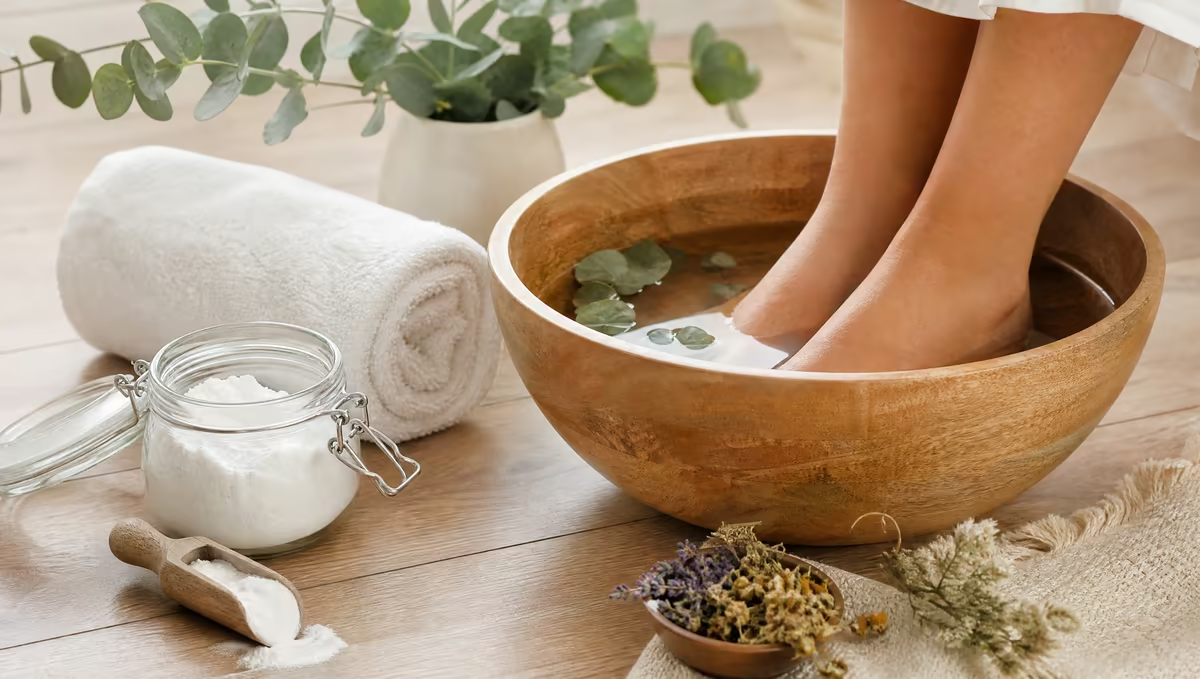
A bicarbonate of soda foot soak is one of the most affordable and popular home remedies for well-cared-for feet: it is soothing for tired feet, helps tackle foot odour, softens hard skin, and provides gentle skin softening. Here you’ll find the step-by-step guide, the correct dosage, and all the variations – from addressing fungal infections to combining with apple cider vinegar.
Bicarb Foot Soak Benefits: An Overview
Bicarbonate of soda (sodium bicarbonate) is mildly alkaline. In a foot soak, it can neutralise odours, soften calluses and rough skin, and leave your feet feeling pleasantly refreshed. Whilst it does not replace medical treatment, a bicarbonate of soda foot soak is a tried-and-tested wellness home remedy to enjoy at home.
Bicarbonate of Soda Foot Soak: Step-by-Step Guide (Basic Recipe)
- 3–4 litres of warm water in a basin or bowl
- 2–3 tbsp of bicarbonate of soda stirred in until dissolved
- Soak feet for 15–20 minutes
- Dry thoroughly afterwards and apply a moisturising cream
The basic recipe for a bicarb foot soak is that simple. The water should be comfortably warm, but not too hot.
Bicarb Foot Soak for Foot Odour
Bicarbonate of soda neutralises odour-causing acids and creates an unfavourable environment for odour-producing bacteria. For sweaty feet, try a foot soak 2–3 times a week – your feet will feel noticeably fresher in no time.
Bicarbonate of Soda Foot Soak for Hard Skin and Calluses
The alkaline soak softens hard skin, calluses, and cracked heels. After soaking, gentle exfoliation with a pumice stone or foot file makes removing softened skin effortless. Always follow up with a rich, nourishing foot cream.
Soaking Feet in Baking Soda for Fungus: Does It Work?
A foot soak can support hygiene and maintain a dry skin environment, but it is no substitute for an antifungal treatment. If you have an active fungal infection or athlete’s foot, always consult a pharmacy or your GP, and make sure to dry your feet thoroughly afterwards.
Bicarb Foot Soak for Sweaty Feet
For feet prone to heavy sweating, the alkaline soak can help calm the skin and reduce unwanted foot odour. In combination with breathable socks and well-ventilated footwear, it is a simple everyday trick.
Soaking Feet in Baking Soda and Vinegar
A popular approach is to have a bicarb soak first, followed on another day by an apple cider vinegar foot bath (one cup of apple cider vinegar in a basin of water). Important: Do not mix bicarbonate of soda and apple cider vinegar together in the same bowl, as they neutralise each other.
Relaxing Foot Soak with Essential Oils and Epsom Salts
For a mini home spa experience, add a few drops of lavender or peppermint oil and some sea salt or epsom salts. This relieves tension after a long day and pampers the skin – effortless wellness for tired feet.
How Often Should You Do a Foot Soak?
2–3 times a week is a good rule of thumb. Daily foot baths can dry out the skin – so it is better to soak less frequently and moisturise consistently afterwards.
What You Should Keep in Mind
- Do not use water that is too hot, particularly if you have diabetes or poor circulation.
- Avoid open wounds or broken skin.
- Dry thoroughly after your soak, especially between the toes.
- If you have diabetes, check with a doctor or GP beforehand to ensure foot baths are suitable.
Frequently Asked Questions (FAQ)
How much bicarbonate of soda for a foot soak?
Around 2–3 tablespoons of bicarbonate of soda for 3–4 litres of warm water. Stir well until the powder is completely dissolved.
How long should a foot soak last?
15–20 minutes is ideal. Soaking for longer than 20 minutes can soften the skin excessively and lead to dryness.
Does a bicarbonate of soda foot soak help with foot odour?
Yes, sodium bicarbonate neutralises acids and reduces odour-causing bacteria. Used regularly, your feet will feel noticeably fresher.
Can you use bicarbonate of soda and apple cider vinegar together?
Not at the same time in the same bath – they neutralise one another. It is much better to use them on alternate days.
Is a bicarb foot soak suitable for diabetics?
Anyone with diabetes or circulatory conditions should seek medical advice first. The water must not be too hot, and feet must be dried carefully afterwards.
Which type of bicarbonate of soda is best for a foot soak?
Standard culinary bicarbonate of soda (sodium bicarbonate) from the supermarket is perfectly adequate. There is no need for specialist products.
Does a foot soak dry out the skin?
If done too frequently, yes. That is why 2–3 times a week is sufficient, and you should always apply foot cream afterwards.
Does it help soften hard skin and calluses?
Yes, it softens hard skin and calluses, making them much easier to remove with a pumice stone or foot file.
Conclusion
A bicarbonate of soda foot soak is affordable, quick to prepare, and a comforting home remedy for fresh, well-kept feet – tackling foot odour, softening hard skin, and reviving tired feet. Treat yourself to a 20-minute foot soak this evening and moisturise well afterwards for soft, refreshed feet.