
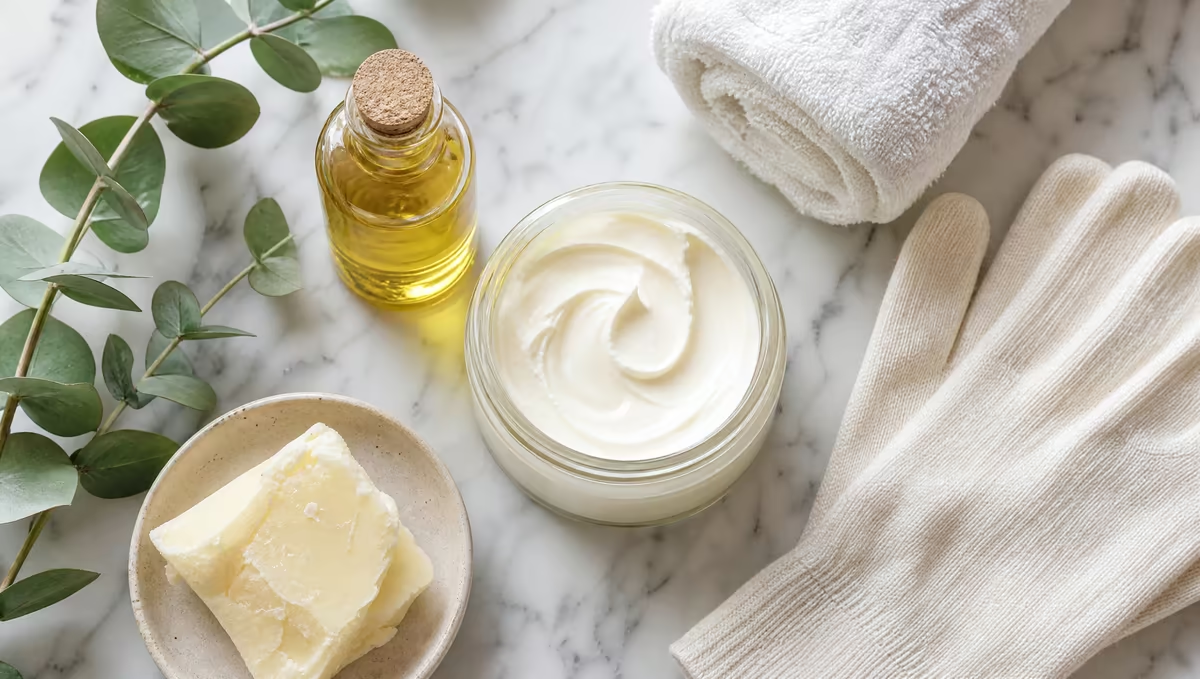
Dry hands are something almost everyone experiences: the skin feels tight, flaky, itchy, and cracked – particularly in cold weather and after frequent washing. The good news is that with the right care routine and a few simple solutions, rough, chapped hands can quickly become soft again. Here are the main causes, top tips, and most effective remedies.
Dry hands causes: why does hand skin dry out?
The skin on our hands has very few sebaceous glands, making it prone to transepidermal water loss. Frequent washing, hand sanitiser, cold weather, dry central heating, and harsh cleaning agents further disrupt the skin barrier function – leaving hands dry, rough, and vulnerable to chapped skin.
The best home remedies for severely dry cracked hands
- Gently massage in a thin layer of olive oil or coconut oil
- Apply honey as a deeply nourishing mask (leave on for 10 minutes)
- Use an avocado or natural yoghurt mask for an extra moisture boost
- Try an oatmeal hand soak to soothe irritated, chapped hands
These home remedies replenish essential lipids, deliver moisture, and calm stressed skin – affordably and gently.
Effective dry hands treatment: choosing the right cream
Opt for a rich emollient formulated with urea, glycerine, panthenol, or shea butter. Urea binds moisture exceptionally well, whilst panthenol supports skin regeneration. Apply multiple times a day, especially after every hand wash.
Chapped hands in winter
Cold temperatures and indoor central heating strip essential moisture from the skin. Wear gloves when heading outdoors in winter and choose a lipid-rich emollient cream. For an intensive overnight treatment, apply a generous layer of cream and slip on cotton gloves before going to sleep.
Dry skin caused by frequent washing
Hot water and aggressive soaps break down the skin’s protective barrier. Wash your hands with lukewarm water and a mild, lipid-replenishing soap instead, and always follow up with a moisturiser. When using hand sanitiser, look for formulas containing moisturising ingredients.
How to treat cracked and chapped skin
For deeper fissures and painful cracks, ointments containing dexpanthenol or a thick healing balm offer targeted relief. Apply a generous layer overnight and cover with cotton gloves. If the cracks fail to heal or become inflamed, consult a GP or dermatologist.
Hand exfoliation for silky soft skin
A gentle scrub removes dead skin cells, allowing hydrating creams to penetrate more deeply. Simply mix granulated sugar with a little plant oil and massage gently into the skin – similar to our coffee grounds scrub. Always finish with an emollient.
Overnight intensive hand treatment
The most effective intensive care method: rub a thick layer of rich cream or oil into your hands before bed and put on a pair of cotton gloves. The nourishing active ingredients absorb deeply overnight, leaving hands noticeably softer by morning.
Nourishing dry skin from the inside out
You can also support your skin from within: drinking plenty of fluids and consuming healthy fats such as omega-3 from nuts, flaxseed oil, and oily fish promote supple skin. A balanced, anti-inflammatory diet provides valuable additional support for your skin barrier function.
When to see a doctor for sudden dry skin on hands
If your skin remains intensely itchy, weeps, becomes inflamed, or develops persistent deep fissures despite regular care, it could indicate hand eczema or an underlying skin condition such as atopic eczema or psoriasis. If you notice sudden dry skin on hands that does not improve, seeking advice from a GP or dermatologist is recommended.
Frequently asked questions (FAQs)
What provides quick relief for dry hands?
A rich emollient containing urea or shea butter, combined with an overnight oil treatment using cotton gloves, is the fastest way to restore soft, comfortable hands.
Which home remedy works best for dry hands?
Olive oil or coconut oil provides rich lipids, whilst honey works brilliantly as a hydrating mask. Gently massage either remedy in and allow it time to absorb.
Why are my hands still dry despite moisturising?
Hands are often moisturised too infrequently or with lotions that are too lightweight. Switch to rich products containing urea and reapply after every wash. If the dryness persists, an underlying skin condition may be the cause.
Which ingredients should a good hand cream contain?
Look for urea, glycerine, panthenol, shea butter, and natural plant oils. These ingredients lock in hydration and reinforce the skin barrier function.
How often should you apply hand cream?
Multiple times a day – ideally after every hand wash and always before going to sleep at night.
Does drinking water help with dry skin?
Adequate fluid intake supports skin health from within. However, topical hand care is far more crucial, as the skin on our hands loses moisture rapidly from external exposure.
Why do hands become drier in winter?
Cold outdoor air and dry central heating accelerate moisture loss, whilst the skin’s sebaceous glands produce less natural oil. Wearing gloves and applying rich creams helps protect against dehydration.
What should you do for cracked, painful hands?
Apply a thick layer of dexpanthenol ointment overnight beneath cotton gloves. If the skin shows signs of inflammation or cracks fail to heal, consult a GP or dermatologist.
Summary
Dry hands can almost always be managed successfully with the right care routine: gentle cleansing, rich creams formulated with urea, regular natural home remedies, and an intensive overnight treatment. Stay consistent – within just a few days, rough, irritated hands will feel soft and supple again.