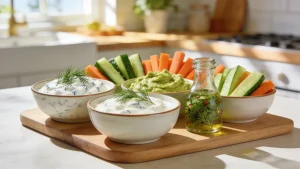
Anyone who makes fresh milk kefir knows the problem of abundance: kefir grains grow relentlessly, producing more probiotic kefir each day than you can possibly drink. The most traditional and delicious way to use up this milk kefir surplus is by making genuine kefir cheese (known in the Middle East as kefir labneh, and in Portugal and Brazil as queijo de kefir).
With just a clean cloth, a sieve, and a little patience, you can transform liquid kefir into a velvety probiotic cream cheese that beats ordinary supermarket soft cheese on flavour, protein content, and live cultures.
In this guide, you will learn step by step how to make kefir cheese at home, how to serve it with olive oil and herbs, and how to make the most of the leftover whey.
1. What is Kefir Labneh? (Kefir Cheese vs Labneh)
Kefir cheese is created through the straining and whey separation of fermented milk kefir. Driven by gravity, the thin, yellowish whey slowly drips away, leaving the rich casein protein, healthy fats, and beneficial bacterial strains behind in the sieve.
The result is a wonderfully spreadable, thick soft cheese with a distinctive tangy note – reminiscent of traditional Middle Eastern labneh or strained yoghurt, but enriched with a diverse probiotic profile of over 30 strains of lactic acid bacteria and yeasts.
2. Is Labneh Kefir Cheese Good for You? Health Benefits Over Shop-Bought Soft Cheese
Commercial soft cheese and cream cheese from the supermarket chillers are pasteurised (heat-treated) after fermentation to extend their shelf life for months. This heating process destroys virtually all beneficial live microorganisms. Furthermore, many industrial products contain stabilisers, thickeners like carrageenan, or artificial flavourings.
- Billions of live cultures: Actively supports a healthy gut microbiome and strengthens normal immune function.
- 100% natural: Just one single ingredient (milk kefir) plus a pinch of sea salt. Free from preservatives, palm oil, and binding agents.
- High in protein: As moisture drips away, the high-quality casein concentrates, delivering a rich protein content of up to 10–12 g of protein per 100 g.
- Naturally low in lactose: Over 90% of the milk sugar passes into the strained whey or has already been broken down by the fermenting bacteria.
3. The 3 Stages of Straining: From Soft Dip to Firm Cheese Balls
| Straining Time | Texture & Consistency | Ideal For |
|---|---|---|
| 6 to 12 hours | Greek yoghurt / Quark style | Breakfast bowls, desserts, dips, and sauces |
| 18 to 24 hours | Classic soft cheese (spreadable) | Toast topping, herb spreads, and jacket potatoes |
| 36 to 48 hours | Firm cheese / Labneh balls | Marinated cheese balls preserved in olive oil & herbs |
4. How to Make Kefir Cheese: Basic Method in 3 Simple Steps
Equipment & Ingredients:
- 1 litre fresh, fully fermented milk kefir (fermented for at least 24–36 hours)
- 1/2 tsp fine sea salt (optional)
- 1 large kitchen sieve (plastic or stainless steel)
- 1 clean piece of cheesecloth (or nut milk bag / muslin cloth)
- 1 deep bowl (to catch the dripping whey)
Step-by-Step Instructions:
- Set up your straining station: Rest the sieve over the deep bowl. Line the sieve smoothly with the cheesecloth.
- Pour in the kefir: Stir the sea salt into the milk kefir and pour it gently into the lined sieve. Loosely fold the corners of the cloth over the top.
- Leave to strain: Place the whole setup in the fridge. After 12 to 24 hours, your fresh kefir labneh will be ready. Transfer to a clean glass jar.
5. Savoury Kefir Cheese Recipes: Garlic & Herbs, Chilli, and Sun-Dried Tomatoes
- 1. Mediterranean garlic and herb cheese: 200 g kefir cheese + 1 crushed garlic clove + 2 tbsp chopped chives & parsley + 1 tsp extra virgin olive oil + freshly ground black pepper.
- 2. Sun-ripened tomato and basil spread: 200 g kefir cheese + 3 soft sun-dried tomatoes (finely chopped) + 5 fresh basil leaves + 1 tsp toasted pine nuts.
- 3. Fiery chilli and lime spread: 200 g kefir cheese + 1/2 finely diced red chilli + grated lime zest + 1 pinch of ground cumin.
6. Preserved Kefir Labneh in Olive Oil: Storage & Gourmet Serving Ideas
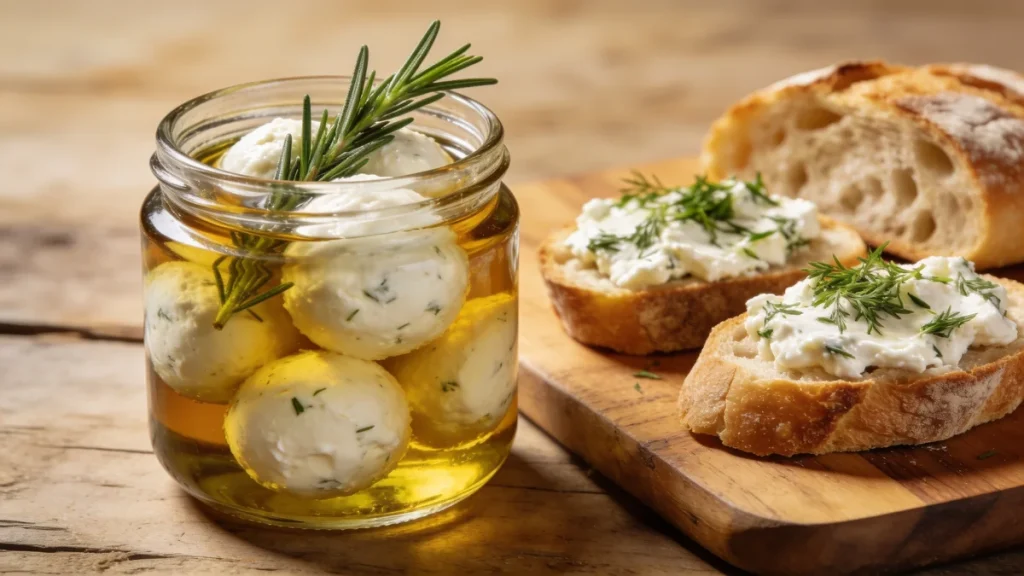
When you strain the kefir for 36 to 48 hours, the curd becomes firm enough to roll into traditional labneh balls:
- Lightly oil your hands with olive oil and roll the firm curd into walnut-sized balls.
- Coat the balls in dry seasonings or herbs (such as za’atar, sumac, nigella seeds, or dried oregano).
- Layer the balls into a sterilised preserving jar with fresh rosemary sprigs and garlic cloves, then submerge them completely in extra virgin olive oil.
- Shelf life: Keeps well in the fridge for 3 to 4 weeks.
7. Sweet Kefir Cheese Ideas: Honey-Walnut & Berry Parfait
- Greek-style honey and nut bowl: Mix 150 g unsalted kefir soft cheese with 1 tbsp clear honey, toasted walnuts, and a pinch of ground cinnamon.
- High-protein berry cheesecake pots: Crush wholemeal oat biscuits into the base of small jars, top with vanilla-infused kefir cheese, and finish with a fresh raspberry coulis.
8. Lactose, Protein Content & Calories in Detail
| Nutritional Values per 100 g | Standard Soft Cheese | Authentic Homemade Kefir Cheese |
|---|---|---|
| Calories | approx. 250–290 kcal | approx. 110–135 kcal |
| Protein | approx. 5–6 g | approx. 10–12 g |
| Fat | approx. 24–28 g | approx. 6–8 g |
| Carbohydrates / Lactose | approx. 3–4 g | under 1.5 g |
| Live probiotics | 0 (pasteurised) | Billions of live cultures |
9. Clever Ways to Use Leftover Kefir Whey
- Baking and breadmaking: Swap water 1:1 for acidic kefir whey in sourdough or soda bread recipes for an extra tender crumb.
- Isotonic post-workout drink: Blend 200 ml whey + 100 ml orange juice + a pinch of sea salt for a refreshing electrolyte boost.
- Vegetable fermentation: Use 2 tbsp whey as an active starter culture for fermenting homemade sauerkraut or pickles.
- Natural skin toner: Applied with a cotton pad, pure whey helps rebalance the skin’s natural acid mantle.
10. Common Straining Mistakes & Expert Tips
- Straining at room temperature: Warm temperatures cause the kefir to over-sour quickly. Always let it strain in the fridge for a clean, mild flavour.
- Cloths washed with fabric conditioner: Scented detergents and conditioners ruin the taste. Always scald and rinse your cheesecloth thoroughly in boiling water without chemicals.
- Squeezing the cloth too hard: Let gravity do the work rather than forcing the solids through the weave.
11. Frequently Asked Questions About Kefir Cheese (FAQ)
How long does homemade kefir cheese keep?
Stored in an airtight jar in the fridge, fresh kefir cheese keeps for 7 to 10 days. Submerged in olive oil, it will keep for up to 4 weeks.
Can you make kefir cheese from shop-bought kefir?
Yes, organic whole milk kefir from the supermarket chiller cabinet works wonderfully!
12. Summary: The Simplest, Healthiest Soft Cheese You Can Make
Making your own kefir labneh is pure kitchen alchemy: with minimal effort, you turn simple milk into a gourmet probiotic soft cheese packed with protein and vibrant live cultures.
Give it a try with your next batch of kefir – whether whipped with fresh herbs on crusty sourdough or rolled into Mediterranean labneh balls in olive oil and herbs!