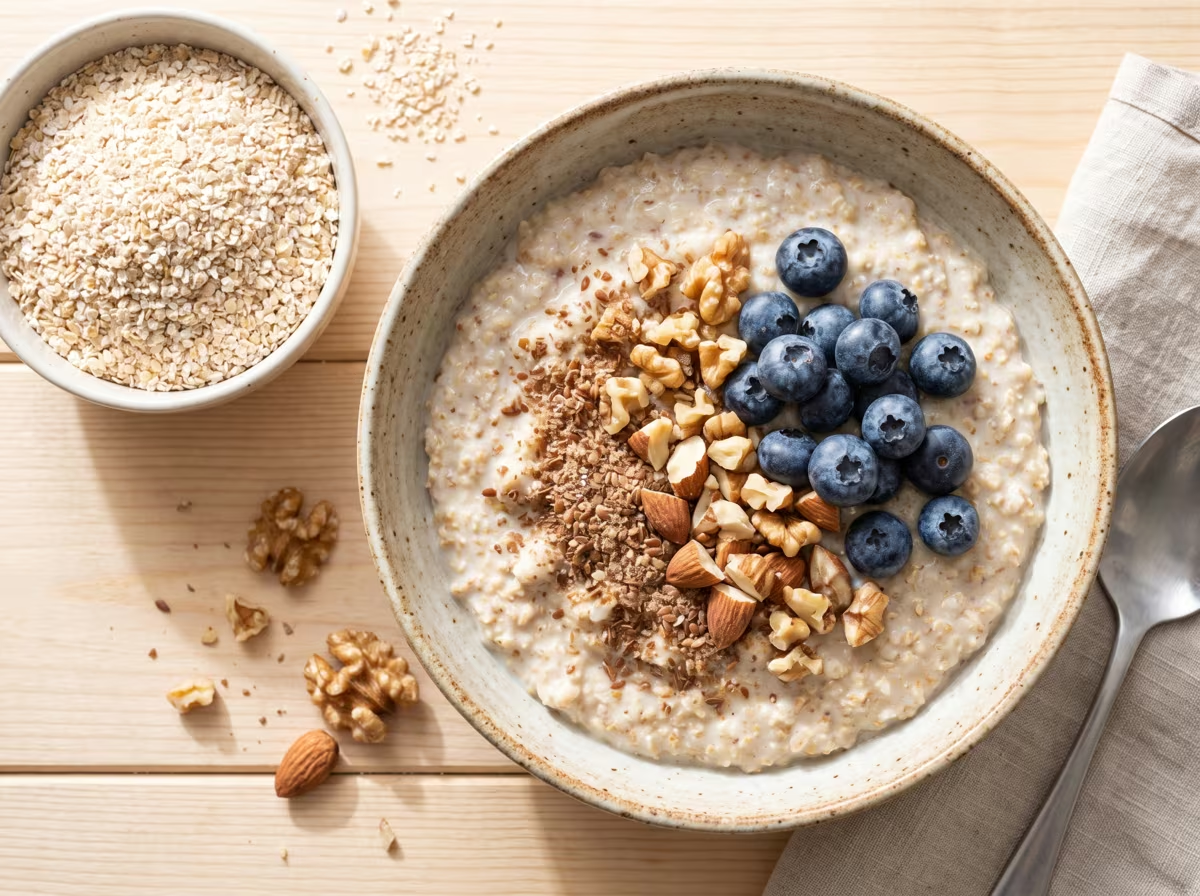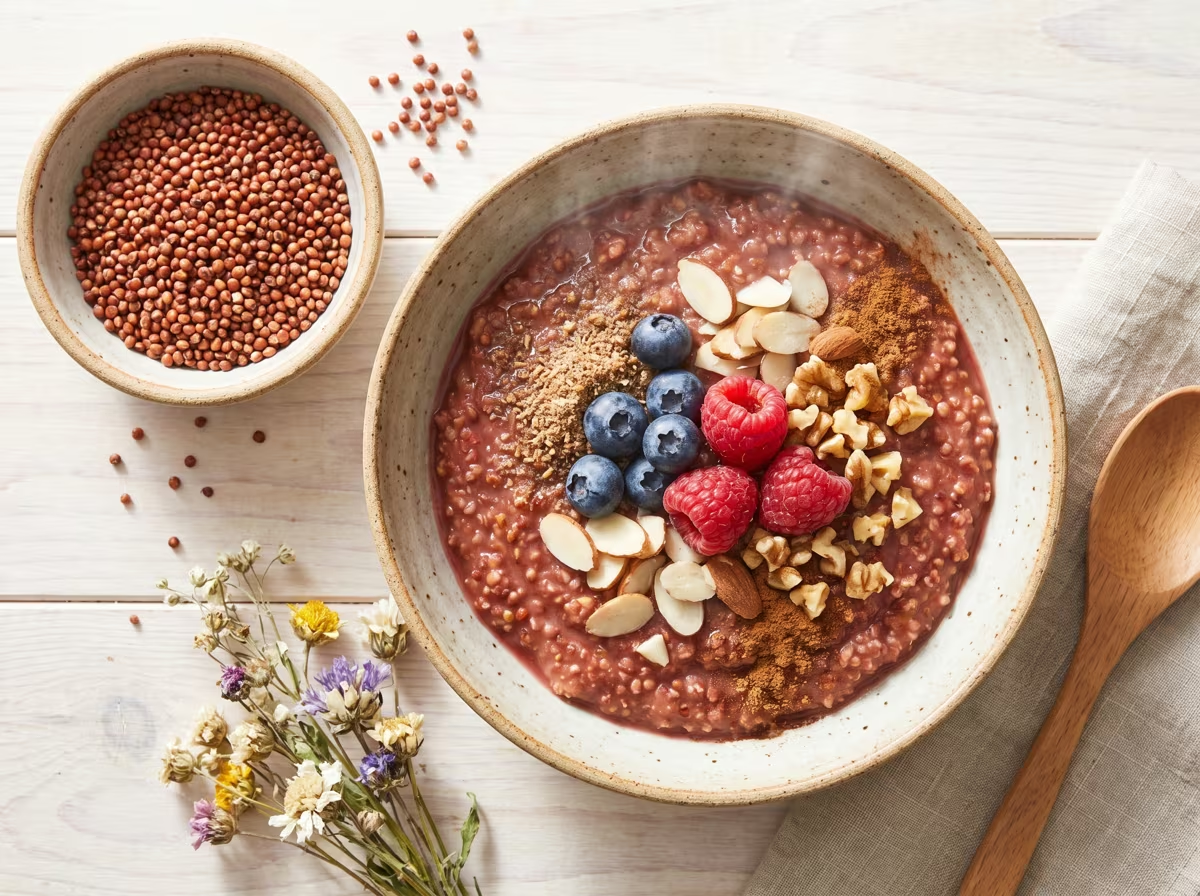
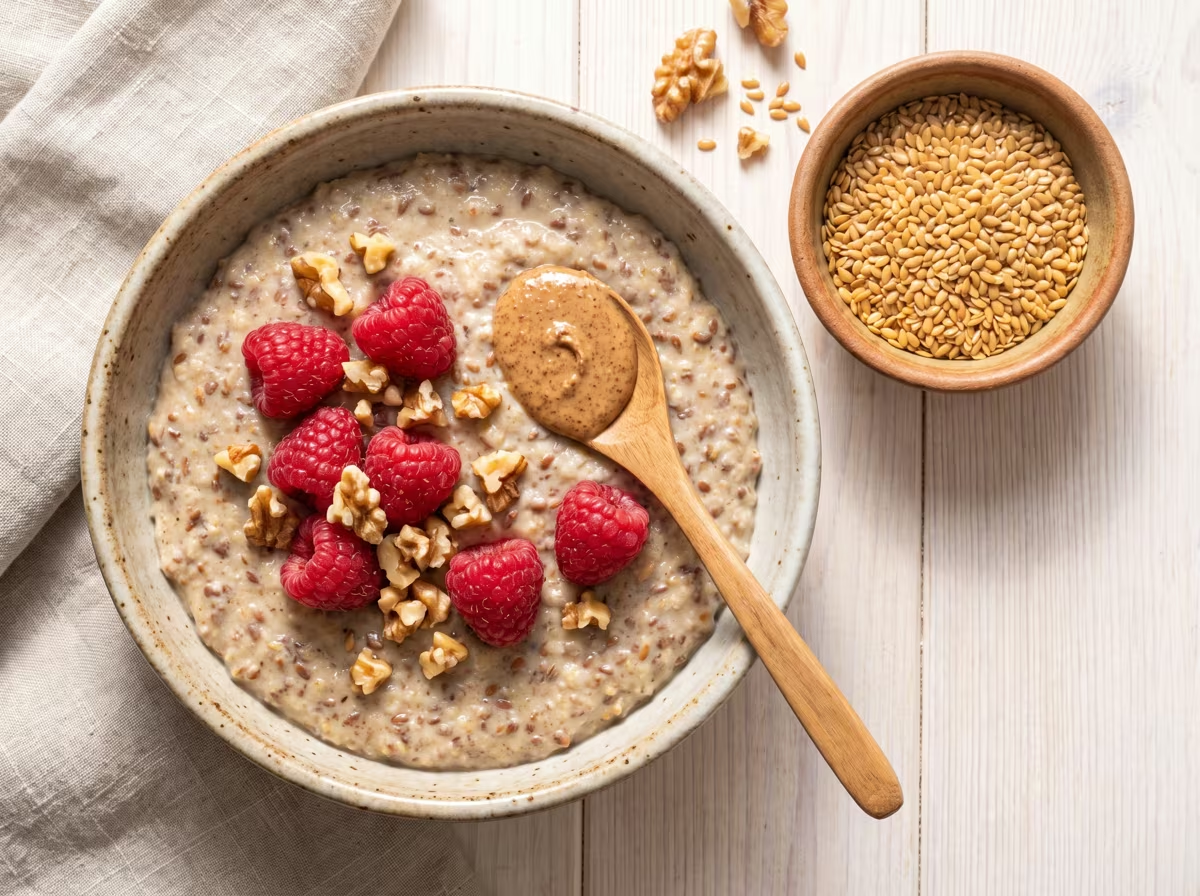
Linseed porridge is a warm, creamy breakfast bowl made from ground flaxseed – putting the spotlight on the single whole food backed by the strongest evidence for lowering the inflammatory marker CRP. Naturally low in carbohydrates, this linseed mash is also an ideal low-carb and keto breakfast. Here you will find the tested recipe alongside the proven clinical science.
Flaxseed porridge benefits: why linseed combats inflammation
Few everyday foods combine three potent active components so effectively: the plant-based omega-3 fatty acid alpha-linolenic acid (ALA), soluble fibre, and lignans – of which linseed is the richest dietary source. Multiple meta-analyses of randomised controlled trials show that linseed helps lower C-reactive protein (CRP), with particularly pronounced benefits in individuals with elevated baseline levels. This is remarkable, given that very few individual foods produce a statistically measurable anti-inflammatory response. Clinical studies assess this anti-inflammatory quality using biomarkers such as CRP, IL-6, and TNF-alpha.
The science in detail
C-reactive protein, blood pressure & blood lipids
Alongside reducing C-reactive protein, clinical studies show that linseed delivers one of the most potent blood-pressure-lowering effects ever documented for a single food, as well as a reduction in LDL cholesterol driven by soluble fibre. This soluble fibre binds bile acids in the digestive tract and simultaneously slows down glucose absorption.
Why make linseed porridge?
Ground flaxseed swells in liquid to create a thick, creamy bowl without requiring any grains or porridge oats. This makes linseed porridge naturally low-carb and gluten-free, keeping blood glucose levels stable whilst nourishing the gut microbiome. Crucially, always use ground flaxseed (milled linseed), otherwise the whole seeds will pass through your digestive system unabsorbed.
Flaxseed porridge recipe: basic linseed porridge (1 portion)
Ingredients: 3 tbsp ground flaxseed · 200 ml hot plant milk · ½ tsp cinnamon · 1 handful of berries · 1 tbsp nuts · optional 1 tsp nut butter.
Method:
- Stir the ground flaxseed into the hot plant milk.
- Leave to stand for 2–3 minutes until a thick, creamy consistency forms (add a splash more liquid if preferred).
- Stir in the cinnamon, then top with fresh berries, nuts, and optional nut butter.
Top tip: Freshly milled is best because delicate omega-3 fatty acids oxidise over time – store ground flaxseed in an airtight container in a cool, dark place.
Keto flaxseed porridge recipe: low carb porridge options
Because this bowl contains zero grains, it is exceptionally low in carbohydrates and fits effortlessly into a low-carb diet or ketogenic eating plan. Topped with nut butter and chopped nuts, it becomes rich in healthy fats and keeps you full for hours – ideal for preventing blood sugar spikes.
How much linseed per day?
Most clinical trials demonstrating therapeutic benefits used 1–2 tablespoons (10–30 g) of ground flaxseed daily. A single bowl of porridge delivers exactly this target amount. If your diet is not currently high in fibre, increase your intake gradually and ensure you drink plenty of fluids throughout the day.
Vegan & sugar-free
Prepared with unsweetened plant milk, this porridge is completely vegan. For a sugar-free version, sweeten naturally with a handful of fresh berries or a little mashed banana whilst maintaining a low glycaemic index.
An honest assessment
Linseed is one of the few individual foods with robust clinical backing for reducing CRP and improving blood pressure. Nevertheless, these effects remain moderate and develop over several weeks of consistent daily intake. Linseed porridge is not a medicine, but it represents an exceptionally well-evidenced, low-carb foundation for an anti-inflammatory diet. If you are taking anticoagulant (blood-thinning) or antihypertensive medications, consult your GP before consuming very large medicinal quantities; standard breakfast portions are entirely safe.
Frequently asked questions about linseed porridge
Is linseed truly anti-inflammatory?
Yes – meta-analyses confirm a significant reduction in the inflammatory marker CRP, especially in those with elevated baseline levels. This is driven by ALA omega-3 fatty acids, lignans, and soluble fibre.
Why use ground flaxseed instead of whole seeds?
Whole linseeds pass straight through the gut intact. Only ground or milled flaxseed allows your body to absorb the active nutrients.
Is this genuinely a keto porridge?
Yes. It is completely grain-free and naturally very low in carbohydrates, making it an excellent low carb porridge and keto breakfast choice.
How much linseed should I use per serving?
Around 3 tablespoons of ground flaxseed creates a satisfying, thick porridge and supplies an effective, evidence-based daily portion.
Why does the porridge thicken so much?
Soluble fibre binds large amounts of liquid. Simply stir in extra plant milk if you prefer a lighter texture, and drink plenty of water.
Linseed vs chia seeds: which is better?
Both swell to create a gel-like texture. Linseed provides substantially more lignans and stronger clinical data for lowering CRP, whereas chia seeds absorb even more liquid. They work brilliantly together – for example, in a chia pudding recipe or in overnight oats.
Is linseed porridge good for weight loss?
Very much so – it is low in carbohydrates, rich in dietary fibre, and promotes long-lasting satiety.
Can you eat too much linseed?
Consuming excessive quantities may cause mild digestive bloating; standard breakfast amounts (1–3 tbsp) are safe. Increase your portion size gradually.
Summary
Linseed porridge turns the single most researched food for reducing CRP into a warm, creamy breakfast – low-carb, gluten-free, and blood-sugar friendly. It is an exceptionally well-supported dietary staple alongside the ideas in our anti-inflammatory breakfast guide.