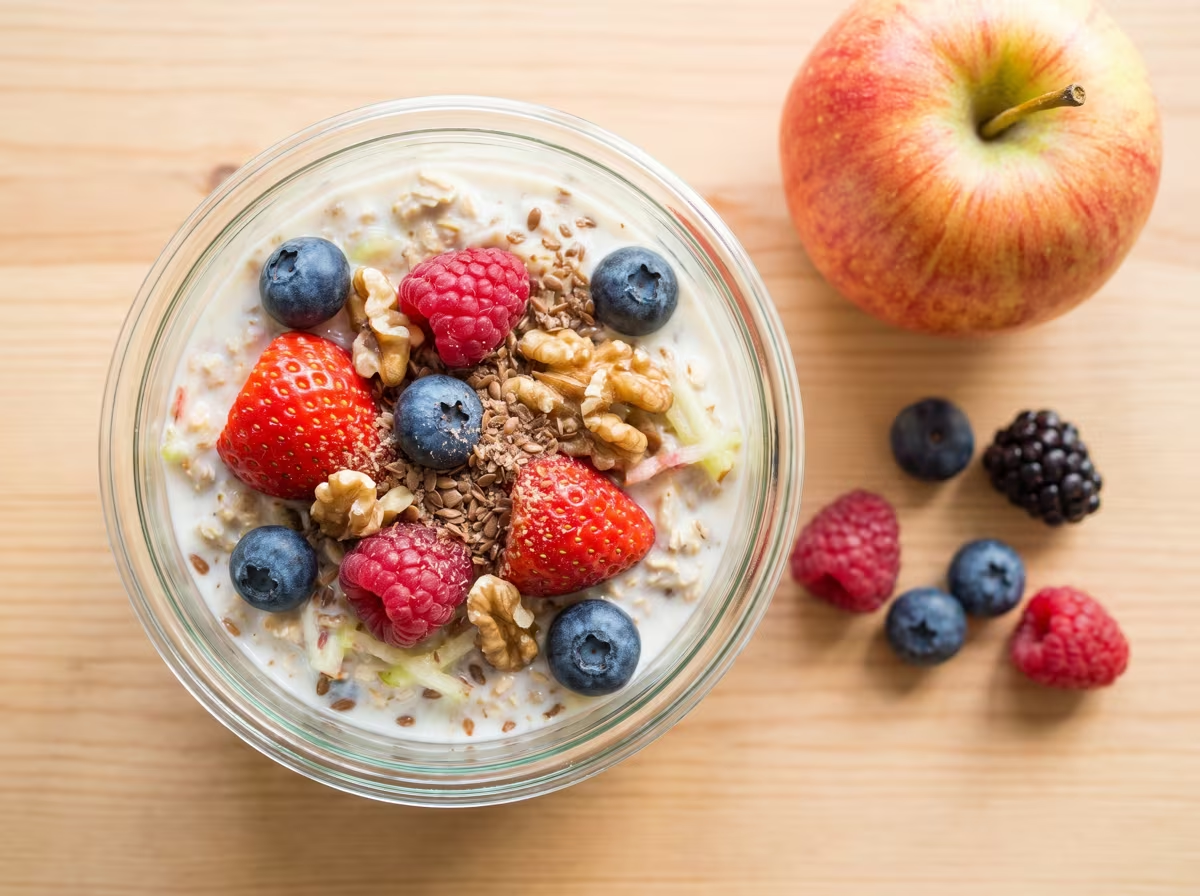
This berry bircher muesli with walnuts and flaxseeds is an anti-inflammatory evolution of a traditional Swiss breakfast classic. Instead of sugary supermarket cereals, this nutrient-dense bowl spotlights berries (anthocyanins), walnuts and flaxseeds (omega-3 fatty acids), alongside fresh grated apple and rolled oats. Softened through overnight soaking, it transforms into a creamy, satisfying breakfast packed with scientifically backed anti-inflammatory components and a low glycaemic load. Below, explore the full recipe and the nutritional science behind it.
Is bircher muesli actually healthy? Rethinking the anti-inflammatory classic
The original Bircher muesli was developed over a century ago. In this anti-inflammatory version, we focus specifically on whole food ingredients associated in clinical studies with reductions in inflammatory markers (such as c-reactive protein (CRP), IL-6, and TNF-alpha), whilst eliminating added refined sugars entirely. The result is a nourishing breakfast where every single ingredient serves a proven functional purpose.
The key ingredients in detail
Rolled oats – beta-glucan
The base provides soluble fibre in the form of beta-glucan, which helps lower LDL cholesterol, supports a healthy gut microbiome, and moderates the rate of carbohydrate absorption. Fewer blood glucose spikes translate to reduced oxidative stress—a distinct anti-inflammatory benefit in itself. Soaking rolled oats overnight makes them particularly gentle on digestion.
Berries – anthocyanins
Blueberries, raspberries, and blackberries are rich in anthocyanins, potent plant pigments that help inhibit pro-inflammatory signalling pathways such as NF-κB. They also have a lower fructose content than many other fruits, making them ideal for maintaining steady blood glucose levels. Learn more in our guide to blueberries and health.
Walnuts & flaxseeds – plant-based omega-3 fatty acids
Walnuts are among the richest nut sources of plant-based omega-3 fatty acids, whilst milled flaxseeds supply alpha-linolenic acid (ALA), lignans, and soluble fibre. Systematic reviews and meta-analyses demonstrate that regular flaxseed consumption contributes to lower levels of c-reactive protein. Together, they provide the essential fatty acid profile required to support natural anti-inflammatory pathways. Be sure to use milled or ground flaxseeds to ensure optimal nutrient absorption.
Grated apple & cinnamon
Traditional grated apple adds the soluble prebiotic fibre pectin alongside natural sweetness, eliminating the need for added sugar. A touch of cinnamon introduces protective polyphenols and further assists in healthy blood sugar regulation.
Berry bircher muesli recipe UK (1 serving)
Ingredients: 50 g rolled oats (or traditional porridge oats) · 100 ml plant-based milk (e.g. unsweetened oat or almond milk) · 100 g natural plain yoghurt or kefir · ½ grated apple · 1 generous handful of berries · 1 tbsp chopped walnuts · 1 tbsp milled flaxseeds · ½ tsp ground cinnamon.
Method:
- In a bowl or jar, combine the rolled oats, plant-based milk, yoghurt, grated apple, milled flaxseeds, and cinnamon, stirring thoroughly.
- Cover and leave to soak in the fridge overnight (or for a minimum of 30 minutes).
- In the morning, top with fresh berries and walnuts before serving.
Is bircher muesli healthier than overnight oats?
Both rely on overnight soaking in liquid. The key difference is that traditional Bircher muesli includes grated apple and yoghurt, giving it a much fruitier, creamier texture than basic soaked oats. In our anti-inflammatory iteration, the nutritional focus shifts further towards berries, walnuts, and flaxseeds. While the cold-soaking technique is identical to our classic overnight oats recipe, it is the synergistic anti-inflammatory ingredient profile that makes this bowl distinct.
Vegan & sugar-free
By opting for a plant-based yoghurt (such as unsweetened soya or coconut yoghurt), this muesli is completely vegan. Added refined sugar is entirely unnecessary—the grated apple and fresh berries provide delicate natural sweetness alongside a low glycaemic load.
Bircher muesli overnight: meal prep for the week ahead
This recipe is ideally suited for batch preparation. Mix multiple portions at once and divide them into sealed glass jars; they keep perfectly in the fridge for 2–3 days. This ensures a ready-to-eat, anti-inflammatory breakfast on busy mornings. Simply add your fresh berries and walnuts just before eating, or allow frozen berries to thaw directly in the mixture overnight.
An honest assessment
The individual active components—beta-glucan, anthocyanins, and omega-3s from flaxseed—carry sound, moderate clinical evidence that builds steadily over weeks of regular dietary inclusion. This berry bircher muesli is not a medical treatment, but rather a practical, whole-food breakfast where every component earns its place. When increasing your intake of flaxseeds and high-fibre oats, ensure you drink plenty of fluids throughout the day, and build up gradually if your digestive system is unaccustomed to high-fibre meals.
Frequently asked questions about berry bircher muesli
What makes this Bircher muesli anti-inflammatory?
The thoughtful combination of functional ingredients: beta-glucan from rolled oats, antioxidant anthocyanins from berries, and omega-3 fatty acids from walnuts and milled flaxseeds—all showing measurable benefits on inflammatory markers—combined with the total absence of refined sugar.
What is the difference between Bircher muesli and overnight oats?
Bircher muesli traditionally incorporates freshly grated apple and yoghurt, creating a creamier, slightly tangy, and fruitier dish. This anti-inflammatory recipe builds on that heritage with extra berries, walnuts, and seeds.
Do I need to grind or mill the flaxseeds?
Yes. Whole flaxseeds often pass through the digestive system unabsorbed. Grinding or milling them breaks the outer seed coat, allowing your body to access the ALA omega-3 fats, lignans, and soluble fibre.
How long does Bircher muesli need to soak?
Overnight soaking is ideal for optimal creaminess and digestibility, but a minimum of 30 minutes in the fridge will suffice if you are short on time.
Can I make it completely sugar-free?
Yes. The natural sugars in the grated apple and berries provide all the flavour you need. Adding refined sugar or syrups is unnecessary and would diminish the anti-inflammatory value.
Is berry Bircher muesli suitable for weight management?
Yes. The viscous beta-glucan fibre and protein from the yoghurt promote long-lasting satiety and keep blood glucose stable. For a higher protein content, consider using Greek yoghurt or skyr.
Should I use fresh or frozen berries?
Both are nutritionally equivalent. Frozen berries can be mixed in the night before; as they thaw in the fridge, they release vibrant juices and rich colour into the oats.
How long will prepared Bircher muesli keep in the fridge?
It keeps well in an airtight container for 2–3 days, making it ideal for meal prepping in advance.
The bottom line
This berry bircher muesli with walnuts and flaxseeds revitalises a Swiss breakfast favourite with a clear anti-inflammatory focus. Combining porridge oats, vibrant berries, and omega-3-rich seeds, it delivers an evidence-backed meal that is free from added sugars and gentle on blood sugar levels. It fits seamlessly into a weekly meal prep routine and pairs naturally with the principles outlined in our comprehensive anti-inflammatory breakfast guide.
References & studies
Systematic reviews, meta-analyses, and controlled trials relating to the topics discussed in this article. All links verified on 16 August 2026.
- Yu X, Pu H, Voss M et al.: Overview of anti-inflammatory diets and their promising effects on non-communicable diseases. The British journal of nutrition 2024. PubMed 39411832. DOI: 10.1017/S0007114524001405.
- Alappat B, Alappat J: Anthocyanin Pigments: Beyond Aesthetics. Molecules (Basel, Switzerland) 2020. PubMed 33255297. DOI: 10.3390/molecules25235500.
- Kalt W, Cassidy A, Howard LR et al.: Recent Research on the Health Benefits of Blueberries and Their Anthocyanins. Advances in nutrition (Bethesda, Md.) 2020. PubMed 31329250. DOI: 10.1093/advances/nmz065.
- Parikh M, Maddaford TG, Austria JA et al.: Dietary Flaxseed as a Strategy for Improving Human Health. Nutrients 2019. PubMed 31130604. DOI: 10.3390/nu11051171.
- Calder PC: Omega-3 fatty acids and inflammatory processes: from molecules to man. Biochemical Society transactions 2017. PubMed 28900017. DOI: 10.1042/BST20160474.