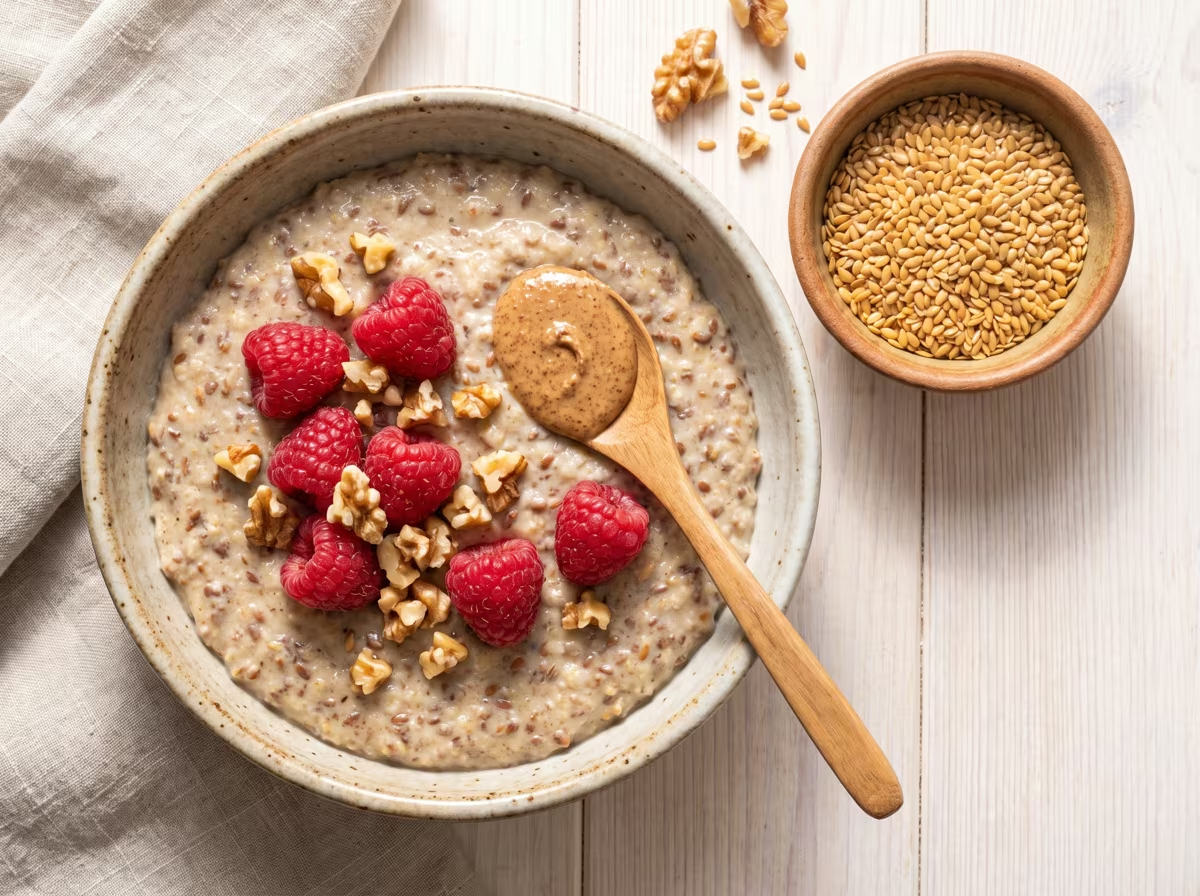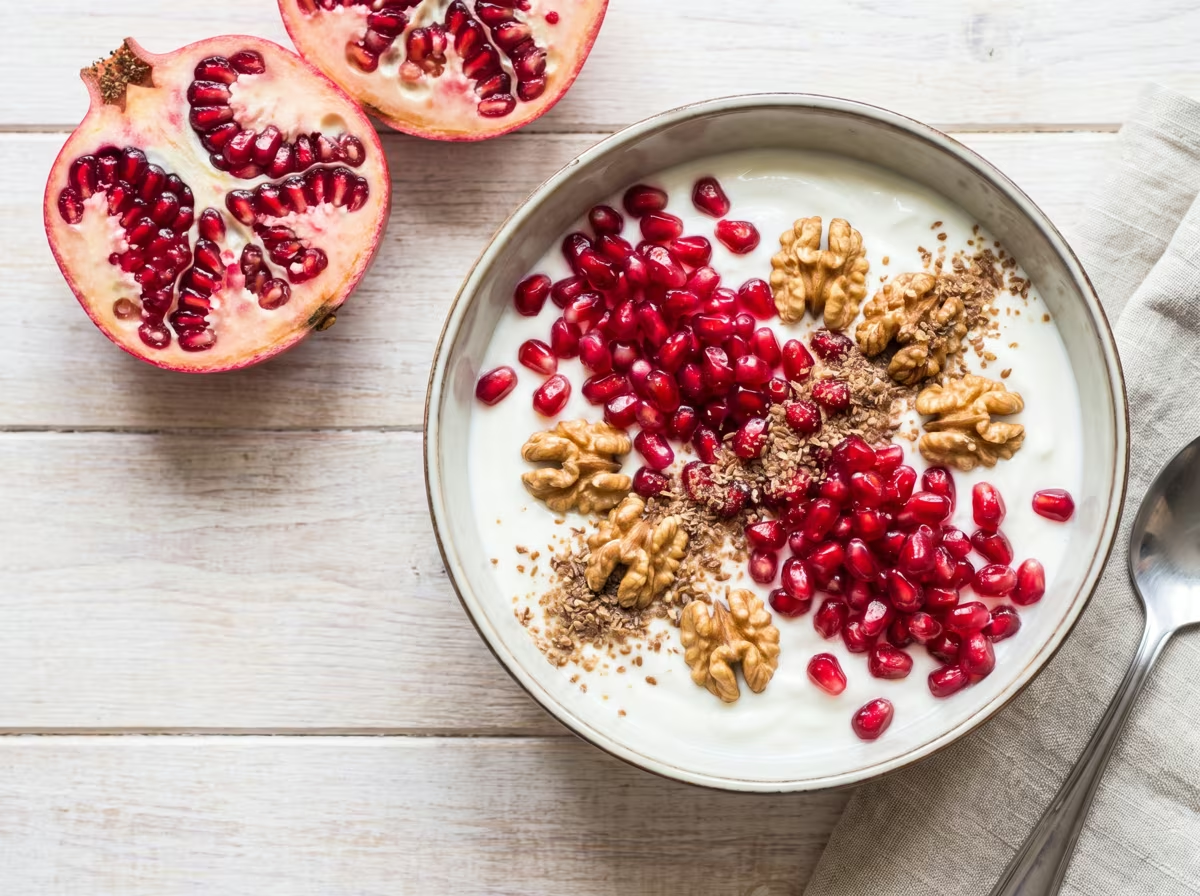
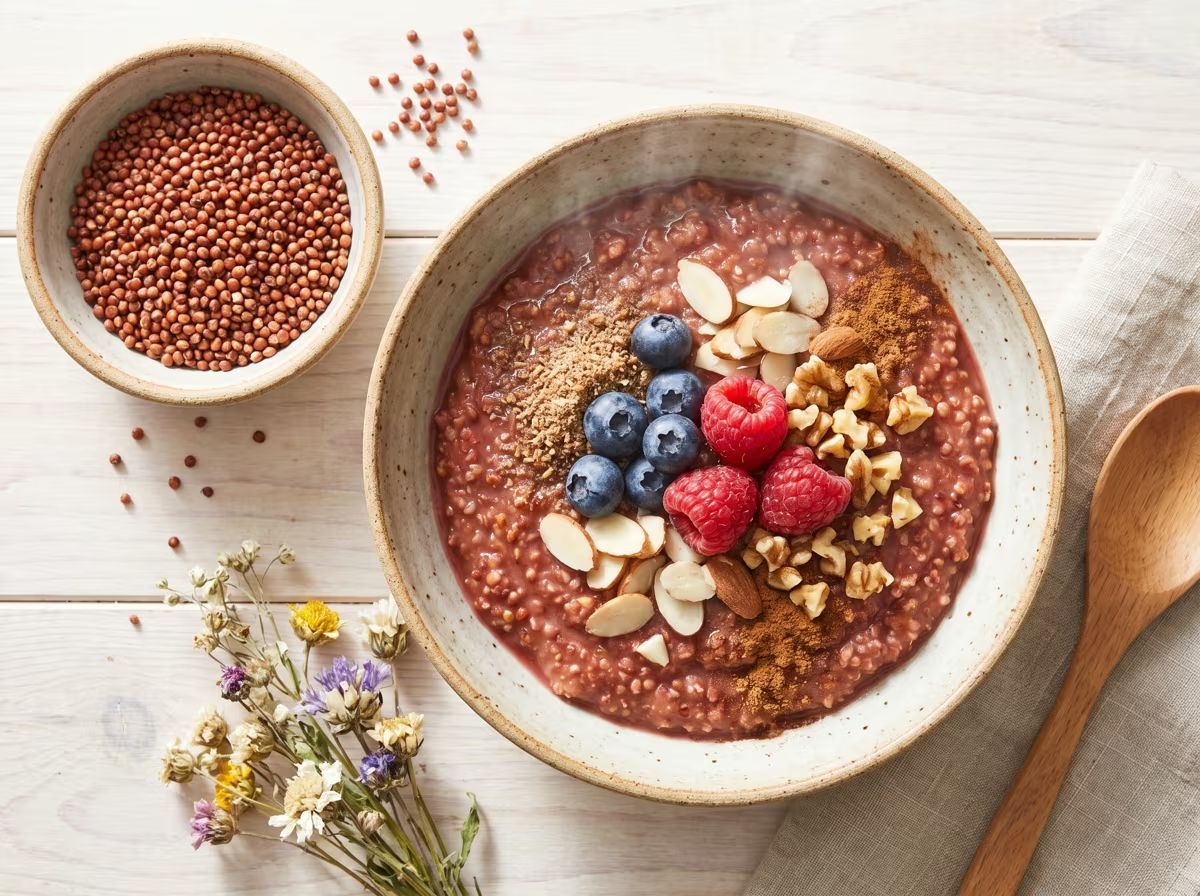
Sorghum porridge turns an ancient grain that is still relatively unfamiliar in the UK into a breakfast star. Sorghum grain is a naturally gluten-free grain, rich in antioxidants, and has one of the slowest-digesting starch profiles among all edible grains – leading to a remarkably stable blood glucose response. Simmered warm and topped with berries and nuts, it creates a satisfying, anti-inflammatory breakfast. Here is the science along with the recipe.
Sorghum porridge benefits: why it is anti-inflammatory
Sorghum is a gluten-free grain that delivers an exceptionally high concentration of antioxidants and polyphenols – often surpassing other cereal grains. Its effect on glycaemic control is notable: research indicates an approximate 20% lower blood glucose response compared to wheat. Stable blood sugar levels help prevent the sharp spikes that fuel oxidative stress and low-grade inflammation. This anti-inflammatory potential is reflected in inflammatory markers such as CRP, IL-6, and TNF-alpha, both of which are positively influenced by whole grains and a low glycaemic index.
The science in detail
Slow-digesting starch and blood sugar
The starch in sorghum breaks down slowly, meaning blood glucose rises only gently after eating. This slow-digesting starch is one of the most effective dietary levers against chronic low-grade inflammation and makes sorghum particularly valuable for anyone looking to support their glycaemic control.
Polyphenols – especially in darker varieties
Sorghum is packed with polyphenols; red and darker varieties tend to provide higher amounts due to their deeper pigmentation. Whilst traditional medicine in several regions has relied on sorghum for centuries, modern research links these benefits directly to its potent antioxidant and polyphenol content, which also supports a healthy gut microbiome.
How to make sorghum porridge: basic sorghum porridge recipe (1 serving)
Ingredients: 50 g whole sorghum grain (or sorghum flakes) · 250 ml plant-based milk or water · ½ tsp ground cinnamon · 1 handful fresh berries · 1 tbsp chopped nuts · 1 tbsp milled flaxseeds.
Method:
- Rinse the whole sorghum grain thoroughly before cooking; soaking overnight will significantly reduce the cooking time.
- Bring to the boil with your choice of plant-based milk or water, then reduce the heat and simmer gently – whole grains require 40–50 minutes, whereas flakes need only 5–10 minutes.
- Stir in the cinnamon and top with fresh berries, nuts, and milled flaxseeds.
A quicker sorghum grain breakfast: flakes or puffed sorghum
Whole grains take time to simmer – for a faster option, choose sorghum flakes (prepared just like porridge oats) or puffed sorghum as a crunchy topping over yoghurt. This makes the grain easy to enjoy every day, much like our anti-inflammatory breakfast ideas.
How sorghum compares to other ancient grains
Alongside buckwheat, millet, quinoa, and amaranth, sorghum belongs to the group of gluten-free ancient grains that support steady blood sugar levels. Its distinct advantage lies in its particularly slow-digesting starch and high polyphenol density. Rotating several of these ancient grains ensures a diverse intake of beneficial plant compounds and prebiotic fibres for your gut microbiome.
Vegan and helpful for weight management
Prepared with plant-based milk or water, the porridge is completely vegan. The sustained digestion keeps you full for hours and prevents energy crashes – a genuine advantage for weight management. Keeping it free from added sugars preserves its low glycaemic impact.
An honest assessment
The evidence supporting sorghum for glycaemic control is promising, though it primarily comes from smaller clinical studies showing moderate effects. Sorghum porridge is not a medical cure, but rather a wholesome, gluten-free component of a balanced, anti-inflammatory diet. In the UK, whole sorghum grain and flakes are readily available in health food shops, specialist organic grocers, and online retailers.
Frequently asked questions about sorghum porridge
Is sorghum truly anti-inflammatory?
Yes. Sorghum is rich in polyphenols and antioxidants and features slow-digesting starch (producing an approximate 20% lower blood glucose response than wheat), all of which contribute to an anti-inflammatory dietary pattern.
Is sorghum gluten-free?
Yes, sorghum is naturally gluten-free and suitable for people with coeliac disease or non-coeliac gluten sensitivity.
What exactly is sorghum?
Sorghum is an ancient cereal grain cultivated worldwide, valued for its resilience and rich nutrient profile, and widely available in UK health food shops.
How long does sorghum take to cook?
Whole grains require 40–50 minutes of simmering (faster if soaked overnight), whilst rolled sorghum flakes cook in just 5–10 minutes.
Which sorghum variety is best?
Red and dark-coloured varieties generally contain higher concentrations of polyphenols thanks to their richer pigment.
Sorghum vs millet: what is the difference?
Both are gluten-free ancient grains that promote steady energy. Sorghum is distinct for its exceptionally slow starch digestion and higher polyphenol content. Including both in your diet offers the best variety.
Can sorghum porridge support weight loss?
Yes. Its high fibre content and slow digestion promote long-lasting satiety and stable blood sugar levels.
Where can I buy sorghum in the UK?
You can find whole sorghum grains, flakes, and puffed sorghum in health food shops, world food aisles, organic grocers, or from online retailers.
Summary
Sorghum porridge brings a nutrient-dense, gluten-free ancient grain to the breakfast table, offering slow-digesting starch, exceptional polyphenol levels, and steady glycaemic control. It is a versatile choice that complements other wholesome staples such as buckwheat, millet, and quinoa. Discover further inspiration in our anti-inflammatory breakfast guide.
References and sources
Review articles, meta-analyses, and controlled clinical trials relevant to this article. All links were verified on 16/08/2026.
- Olson D, Muniandy A, Zhu L et al.: Sorghum Starch and Protein Digestibility: Mechanisms, Modifications, and Health Implications. 2026. PubMed 42195884. DOI: 10.3390/foods15101681.
- Kumari P, Kumar V, Kumar R et al.: Sorghum polyphenols: plant stress, human health benefits, and industrial applications. Planta 2021. PubMed 34374841. DOI: 10.1007/s00425-021-03697-y.
- Fernando WMADB, Abdulraheem RA, Kariyawasam KP et al.: Sorghum and Sorghum-Based Products: Nutritional Composition, Prebiotic Potential and Health Benefits in Gut Microbiota Interactions. 2025. PubMed 41324089. DOI: 10.1155/ijfo/7084868.
- Stefoska-Needham A: Sorghum and health: An overview of potential protective health effects. Journal of food science 2024. PubMed 38407549. DOI: 10.1111/1750-3841.16978.
- de Oliveira LL, de Alencar Figueiredo LF: Sorghum phytonutrients and their health benefits: A systematic review from cell to clinical trials. Journal of food science 2024. PubMed 38517029. DOI: 10.1111/1750-3841.17011.
- Dionisi T, Rinninella E, Raoul P et al.: Sorghum (Sorghum vulgare): an ancient grain, a novel choice for a healthy gluten-free diet. Minerva gastroenterology 2024. PubMed 36943204. DOI: 10.23736/S2724-5985.23.03300-4.
- Lúcio H, Anunciação P, da Silva B et al.: Consumption of Extruded Sorghum SC319 Improved Gut Microbiota at Genus Level and Reduced Anthropometric Markers in Men with Overweight: A Randomized Controlled Clinical Trial. Nutrients 2023. PubMed 37686818. DOI: 10.3390/nu15173786.
- Espitia-Hernández P, Chávez González ML, Ascacio-Valdés JA et al.: Sorghum (Sorghum bicolor L.) as a potential source of bioactive substances and their biological properties. Critical reviews in food science and nutrition 2022. PubMed 33280412. DOI: 10.1080/10408398.2020.1852389.
- Amarakoon D, Lou Z, Lee WJ et al.: A mechanistic review: potential chronic disease-preventive properties of sorghum. Journal of the science of food and agriculture 2021. PubMed 33179254. DOI: 10.1002/jsfa.10933.
- Dykes L: Sorghum Phytochemicals and Their Potential Impact on Human Health. Methods in molecular biology (Clifton, N.J.) 2019. PubMed 30652287. DOI: 10.1007/978-1-4939-9039-9_9.
- Vanamala JKP, Massey AR, Pinnamaneni SR et al.: Grain and sweet sorghum (Sorghum bicolor L. Moench) serves as a novel source of bioactive compounds for human health. Critical reviews in food science and nutrition 2018. PubMed 28662339. DOI: 10.1080/10408398.2017.1344186.
- de Morais Cardoso L, Pinheiro SS, Martino HS et al.: Sorghum (Sorghum bicolor L.): Nutrients, bioactive compounds, and potential impact on human health. Critical reviews in food science and nutrition 2017. PubMed 25875451. DOI: 10.1080/10408398.2014.887057.