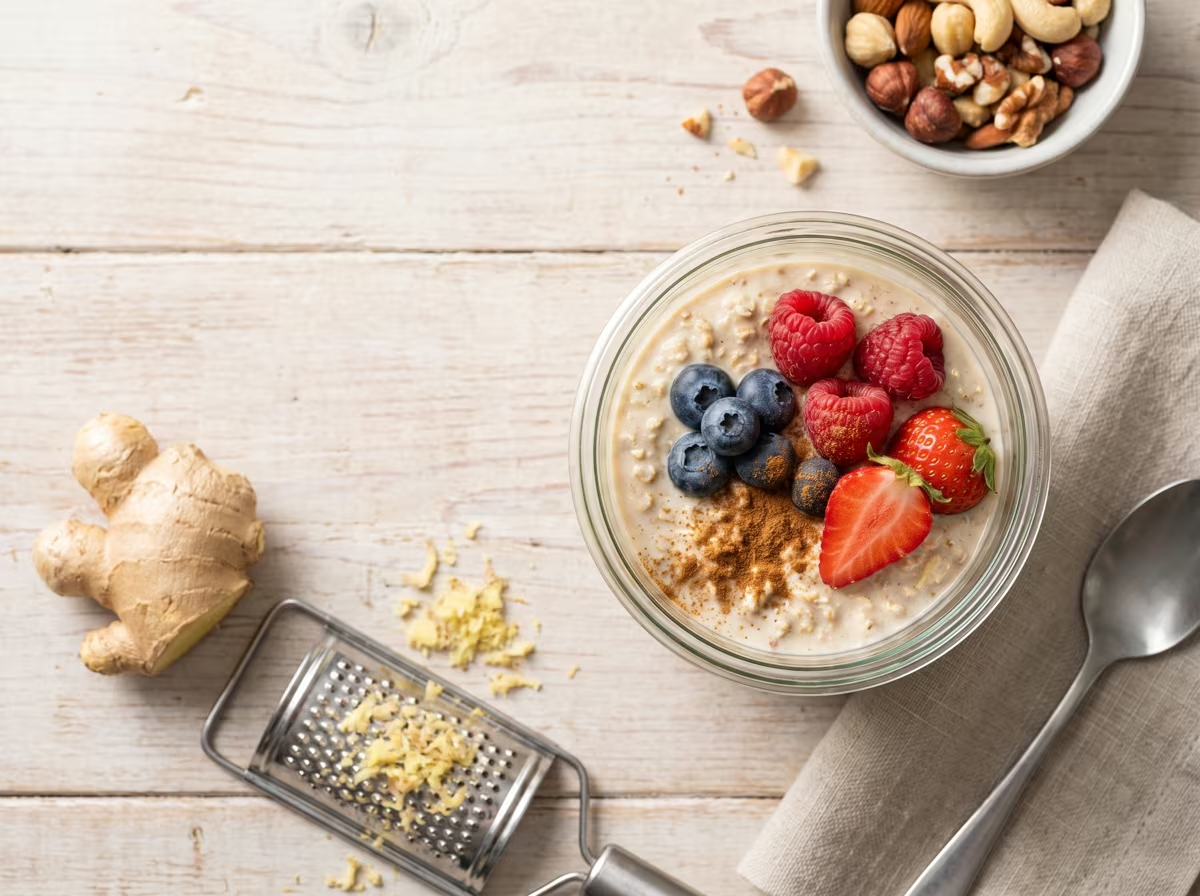
Ginger overnight oats make one of the most thoroughly researched anti-inflammatory spices the star of your breakfast: ginger, packed with bioactive gingerols. Left to soak overnight in plant milk and live yoghurt, then topped with berries and flaxseeds, these soaked oats create a filling, cold breakfast that supports steady blood sugar regulation and gut health. Here you will find the evidence-based science, the recipe, and how it compares to our other ginger and oat recipes.
Why ginger is anti-inflammatory
Ginger contains pungent gingerols, for which meta-analyses of randomised controlled trials report a reduction in inflammatory markers such as C-reactive protein (CRP) and TNF-alpha. Gingerols inhibit pro-inflammatory enzymes (COX, LOX) and cellular signalling pathways. When combined with beta-glucan-rich porridge oats (with a low glycaemic index) and omega-3 fatty acids from flaxseeds, you get a breakfast built on multiple anti-inflammatory pillars. This anti-inflammatory quality is measured in clinical trials via markers like C-reactive protein, IL-6, and TNF-alpha.
The science in detail
Gingerols – versatile anti-inflammatory compounds
Ginger is one of the few spices backed by robust human clinical data. Alongside reducing inflammatory markers, studies demonstrate positive effects on nausea, post-exercise muscle soreness, and blood sugar regulation. For a daily breakfast, a gentle, consistent intake through whole foods is ideal.
Fresh or ground ginger?
Freshly grated ginger provides the highest concentration of gingerols and a brighter, more pungent flavour; ground ginger is more convenient and contains higher levels of shogaols, which form during the drying process and are also bioactive. Both work well—though fresh is the top culinary choice. (Tip: for a warming twist akin to ginger turmeric overnight oats, add a pinch of ground turmeric alongside the ginger.)
Soaked oats & blood sugar regulation
Porridge oats soaked overnight develop more resistant starch, which digests more slowly and further flattens post-meal blood sugar spikes. Fewer spikes translate to less oxidative stress—an independent anti-inflammatory benefit that supports gut health.
Ginger overnight oats recipe (1 portion)
Ingredients: 50 g porridge oats · 150 ml plant-based milk · 100 g natural live yoghurt or kefir · 1–2 tsp freshly grated ginger (or ½ tsp ground ginger) · ½ tsp ground cinnamon · 1 tbsp milled flaxseeds · 1 handful of berries · optional 1 tsp honey.
Method:
- Stir together the porridge oats, plant-based milk, live yoghurt, ginger, cinnamon, and flaxseeds in a bowl or jar.
- Cover and leave in the fridge overnight to allow the soaked oats to thicken.
- In the morning, top with berries and sweeten lightly if desired.
The difference: Ginger oats, ginger shots & classic overnight oats
All three make use of beneficial ingredients, but in different formats: a ginger shot is a concentrated functional drink, our classic overnight oats provide a neutral base—and here, ginger is the deliberately chosen anti-inflammatory star of a nourishing, spoonable breakfast.
Vegan & sugar-free variations
Using plant-based yoghurt makes these oats entirely vegan. For a refined sugar-free version, sweeten naturally with mashed banana or fresh berries—ensuring the low glycaemic index is preserved.
An honest assessment
The clinical evidence linking ginger to reduced inflammation is solid for a culinary spice, though the effects are moderate and many trials utilized concentrated extracts. A portion of ginger in your morning breakfast delivers a lower dose of active compounds than a supplement capsule—yet it does so in natural whole-food form as part of an anti-inflammatory diet. It is not a medical treatment. If you are taking blood-thinning medication or have gallstones, speak to your GP or a pharmacist before consuming medicinal quantities of ginger; normal culinary amounts are completely safe.
Frequently asked questions about ginger overnight oats
Is ginger genuinely anti-inflammatory?
Yes—meta-analyses demonstrate a reduction in inflammatory markers such as C-reactive protein and TNF-alpha due to gingerols, which inhibit pro-inflammatory enzymes.
Should I use fresh or ground ginger?
Fresh provides more gingerols and vibrant flavour; ground is more convenient. Both offer bioactive benefits.
Why soak the oats overnight?
Soaking increases resistant starch, makes the oats gentler on digestion, and prevents sharp blood sugar spikes.
Will the breakfast taste overly spicy?
1–2 tsp of fresh ginger delivers a gentle, pleasant warmth. Paired with cinnamon and berries, the result is mildly spiced and comforting.
How does this differ from a ginger shot?
A ginger shot is a quick, concentrated drink; these oats are a balanced, satisfying meal with ginger featured as both a flavour profile and functional ingredient.
Are ginger overnight oats for weight loss effective?
Yes. The soluble fibre (beta-glucan) from porridge oats and protein from live yoghurt keep you satiated for hours, supporting steady blood sugar regulation.
Can I eat them warm?
Yes, you can gently warm the soaked oats in a pan or microwave in the morning if you prefer a warm breakfast.
How long do they keep in the fridge?
They keep well for 2–3 days in an airtight container in the fridge—ideal for meal prep.
Summary
Ginger overnight oats combine evidence-backed gingerols with beta-glucan oats and omega-3 fatty acids from flaxseeds into a refreshing, filling breakfast that supports healthy blood sugar regulation. Here, ginger takes centre stage as an effective anti-inflammatory ingredient. Discover more ideas in our anti-inflammatory breakfast guide.