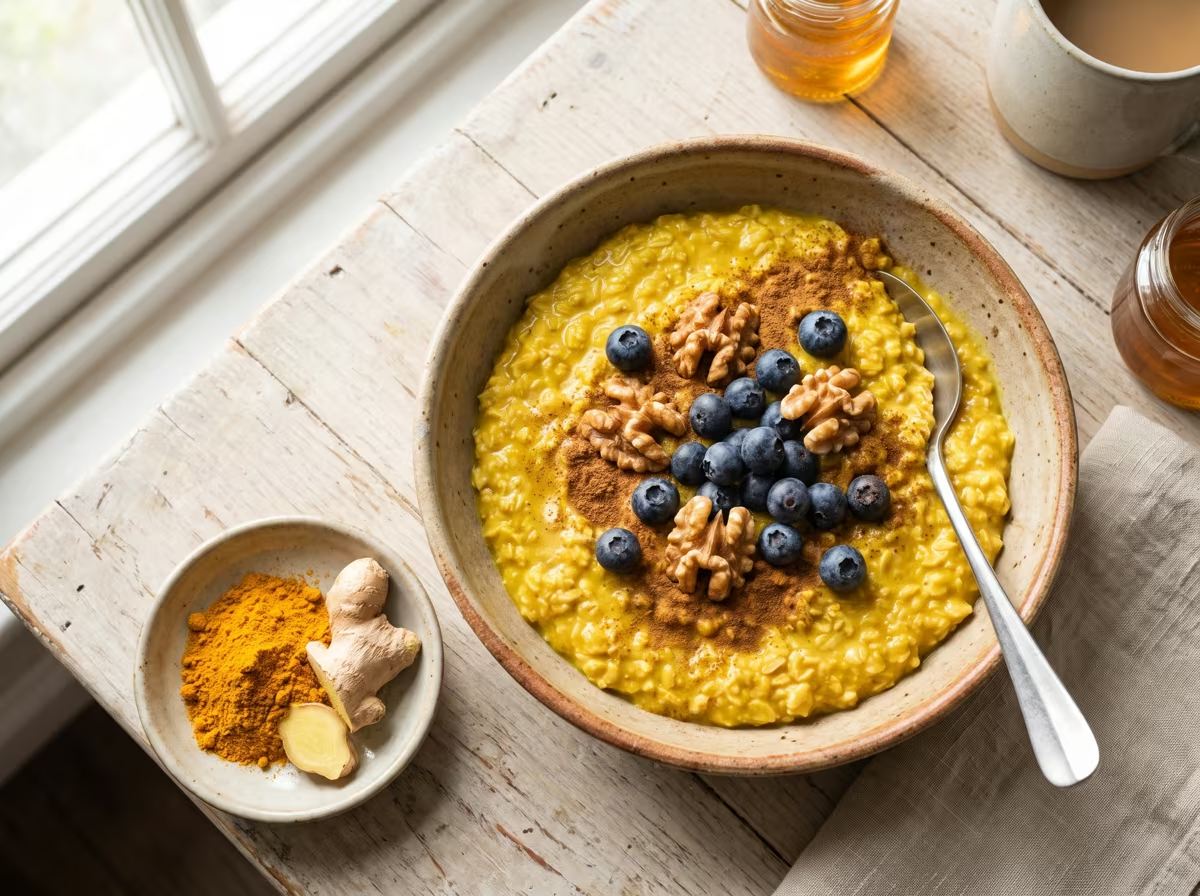
Turmeric porridge – also known as “golden oats” – is one of the few morning meals where the active anti-inflammatory compound doesn’t just play a supporting role, but takes centre stage: curcumin from turmeric, enhanced by ginger and cinnamon alongside black pepper. Combined with beta-glucan fibre from rolled oats, it creates a warming, satisfying anti-inflammatory breakfast featuring multiple evidence-based ingredients. Here you’ll find the golden oats recipe, the science behind it, and key variations.
Why Turmeric Porridge Is Truly Anti-Inflammatory
Unlike many dishes loosely labelled “anti-inflammatory”, turmeric porridge makes the active ingredients the star of the show. In clinical research, anti-inflammatory potential is measured through markers such as C-reactive protein (CRP), IL-6, and TNF-alpha (linked to cytokine reduction), as well as the master inflammatory switch NF-κB. Human clinical trials show promising results across all these markers for curcumin, ginger, and oat fibre. In addition, the low glycaemic index of rolled oats prevents blood sugar spikes, keeping inflammation in check.
The Science Behind the Ingredients
Turmeric & Curcumin – The Star Player
Curcumin, the vibrant yellow active compound in turmeric root, is one of the most thoroughly researched botanical anti-inflammatories. Meta-analyses of randomised controlled trials demonstrate a clear reduction in C-reactive protein and other inflammatory markers. Curcumin inhibits NF-κB, thereby blocking the expression of multiple pro-inflammatory genes. The key challenge is curcumin absorption: on its own, curcumin has poor bioavailability. Combining it with piperine (black pepper) has been shown to increase absorption substantially, whilst a small amount of dietary fat boosts it further. This is why every bowl of turmeric porridge needs a pinch of black pepper alongside nuts or a splash of plant-based milk.
Ginger – The Enhancer
Ginger provides gingerols, which meta-analyses have also shown to help reduce inflammatory markers. Turmeric and ginger are classic warming spices that complement each other in flavour whilst targeting inflammation through distinct biological pathways. Read more about ginger in our ginger shot recipe. If you prefer a paste-based drink, golden milk uses the same active compounds in warm liquid form.
Oats – Beta-Glucan Fibre and Low GI
The base offers far more than just satiety: the soluble beta-glucan fibre in rolled oats is proven to lower LDL cholesterol and slow down glucose absorption, which dampens blood sugar spikes. Fewer glucose spikes mean less oxidative stress, delivering an independent anti-inflammatory benefit. Furthermore, beta-glucan nourishes beneficial gut microbiota, which ferment it into butyrate, an anti-inflammatory short-chain fatty acid.
Cinnamon & Toppings
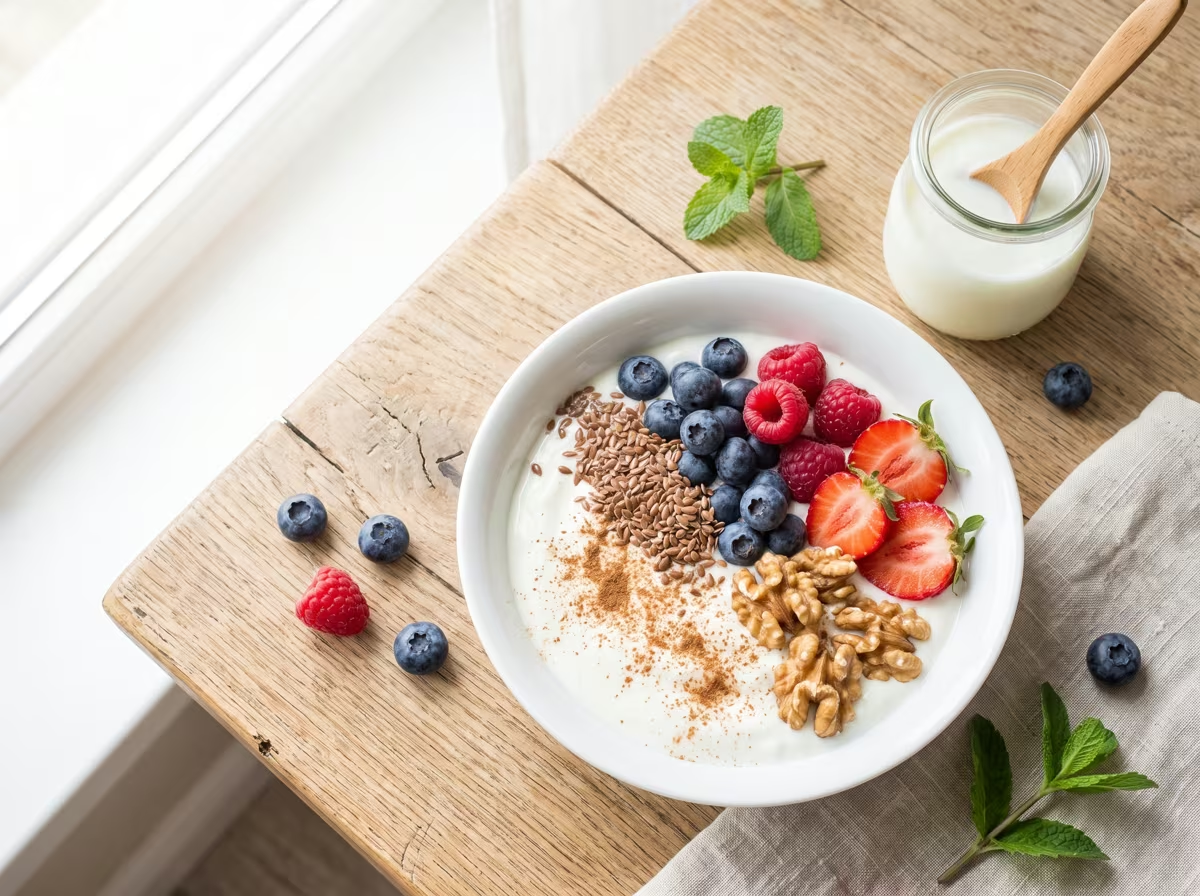
Cinnamon delivers additional polyphenols and supports healthy blood sugar regulation. Excellent toppings include berries (rich in anthocyanins), walnuts (plant-based omega-3), and milled flaxseeds – transforming your porridge into a breakfast with multiple anti-inflammatory pillars.
How to Make Turmeric Porridge: Basic Golden Oats Recipe (1 Portion)
Ingredients: 50 g rolled oats (porridge oats) · 250 ml plant-based milk or water · ½ tsp turmeric · ¼ tsp ground ginger (or 1 tsp freshly grated) · 1 pinch black pepper · ½ tsp cinnamon · Toppings: berries, 1 tbsp walnuts, 1 tbsp milled flaxseed, optional drizzle of honey.
Method:
- Bring the rolled oats and plant-based milk to the boil in a small saucepan.
- Stir in the turmeric, ginger, black pepper, and cinnamon, then simmer gently over low heat for 3–5 minutes until thick and creamy.
- Pour into a bowl and top with berries, walnuts, and milled flaxseed.
- Sweeten with a teaspoon of honey if desired – or rely entirely on the natural sweetness of fresh berries and sliced banana.
Golden Milk Oats Recipe: Overnight Variation
Short on time in the morning? Simply mix rolled oats, plant-based milk, turmeric, ginger, black pepper, and cinnamon the night before, then leave it in the fridge overnight – your golden milk oats are ready to go. The difference compared to standard overnight oats is the potent turmeric and ginger base that turns your breakfast into an anti-inflammatory powerhouse.
Vegan & Sugar-Free
When made with plant-based milk, this recipe is naturally vegan. For a sugar-free version, omit the honey and sweeten with mashed banana or fresh berries instead. This keeps the glycaemic index low – essential because sharp blood sugar spikes are a primary driver of systemic inflammation.
How to Maximise the Benefits
- Fresh ginger instead of ground: provides a punchier flavour and higher levels of active gingerols.
- Flaxseed oil or walnuts: healthy fats further enhance curcumin absorption.
- Mixed berries: blueberries, raspberries, and blackberries supply a diverse spectrum of anthocyanins.
- Ceylon cinnamon rather than cassia: contains much lower levels of coumarin, ideal if you eat cinnamon daily.
An Honest Nutritional Perspective
The evidence supporting curcumin and ginger is solid, but many clinical trials use concentrated extracts at higher doses than a standard culinary serving of turmeric. A bowl of turmeric porridge provides less of the active compound than a supplement capsule – but it delivers it in a natural, gentle, whole-food form as part of a wholesome anti-inflammatory breakfast. It is a valuable dietary building block, not a medical cure. Anyone taking blood-thinning medication or living with gallstones should consult their doctor before consuming very large therapeutic quantities of turmeric; in normal culinary amounts, turmeric is safe and well tolerated.
Frequently Asked Questions About Turmeric Porridge
Is turmeric porridge genuinely anti-inflammatory?
Yes – here, the active anti-inflammatory compounds (curcumin, backed by ginger) form the heart of the meal, complemented by beta-glucan fibre from rolled oats and a low glycaemic index. In clinical studies, all three elements are linked to reductions in inflammatory markers.
Why add black pepper to porridge?
Piperine in black pepper significantly enhances curcumin absorption. Without piperine and a touch of dietary fat, curcumin has very poor bioavailability.
How much turmeric should I use per serving?
Half a teaspoon is plenty. Using more can introduce a bitter flavour; consistency over time and combining it with black pepper are what truly matter for results.
Does it have a strong turmeric taste?
When paired with ginger and cinnamon alongside berries, the flavour is gently spiced, warming, and pleasant. It also gives the oats a beautiful golden yellow colour.
Can I make this recipe cold or overnight?
Yes. Soak the ingredients overnight to create golden milk oats – perfect for meal prep.
Is turmeric porridge good for weight loss?
Yes. The beta-glucan fibre in rolled oats promotes long-lasting satiety and keeps blood sugar levels stable. Made without added sugar, it makes a nutrient-dense, calorie-conscious breakfast.
Can I eat it every day?
Yes, standard culinary amounts are completely safe. If you consume cinnamon every day, opt for Ceylon cinnamon due to its lower coumarin content.
Turmeric porridge or golden milk?
Both harness the benefits of curcumin and ginger. Porridge is a hearty, filling meal, whilst golden milk is a soothing beverage. You can easily enjoy both.
Summary
Turmeric porridge is an anti-inflammatory breakfast where health-promoting botanicals truly take the lead: curcumin and ginger as the stars, beta-glucan fibre from rolled oats as a sustaining, blood-sugar-stabilising base, and berries and nuts as nutrient boosters. Adding a pinch of black pepper ensures optimal curcumin absorption. For more meal ideas, explore our guide to an anti-inflammatory breakfast.