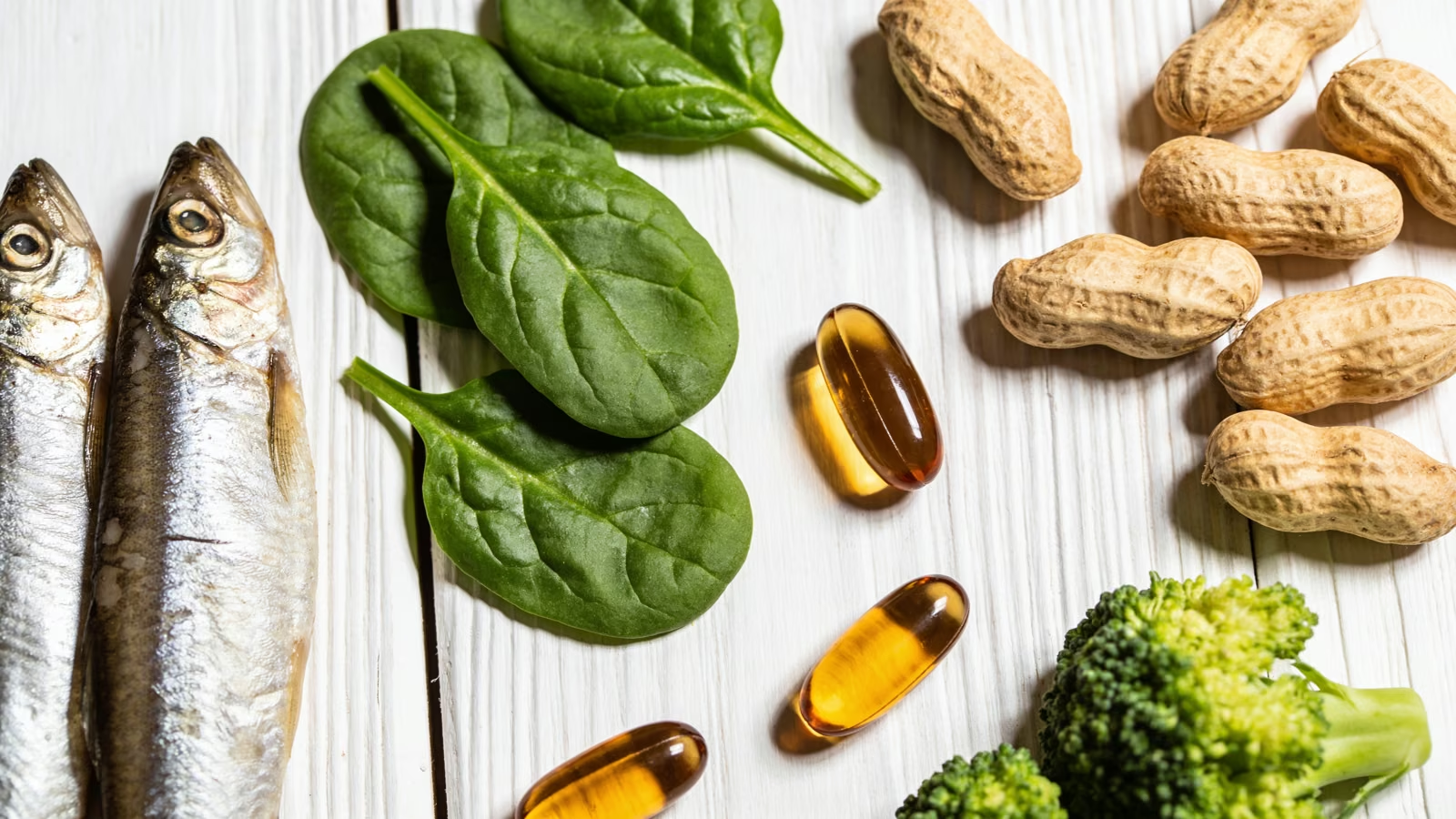
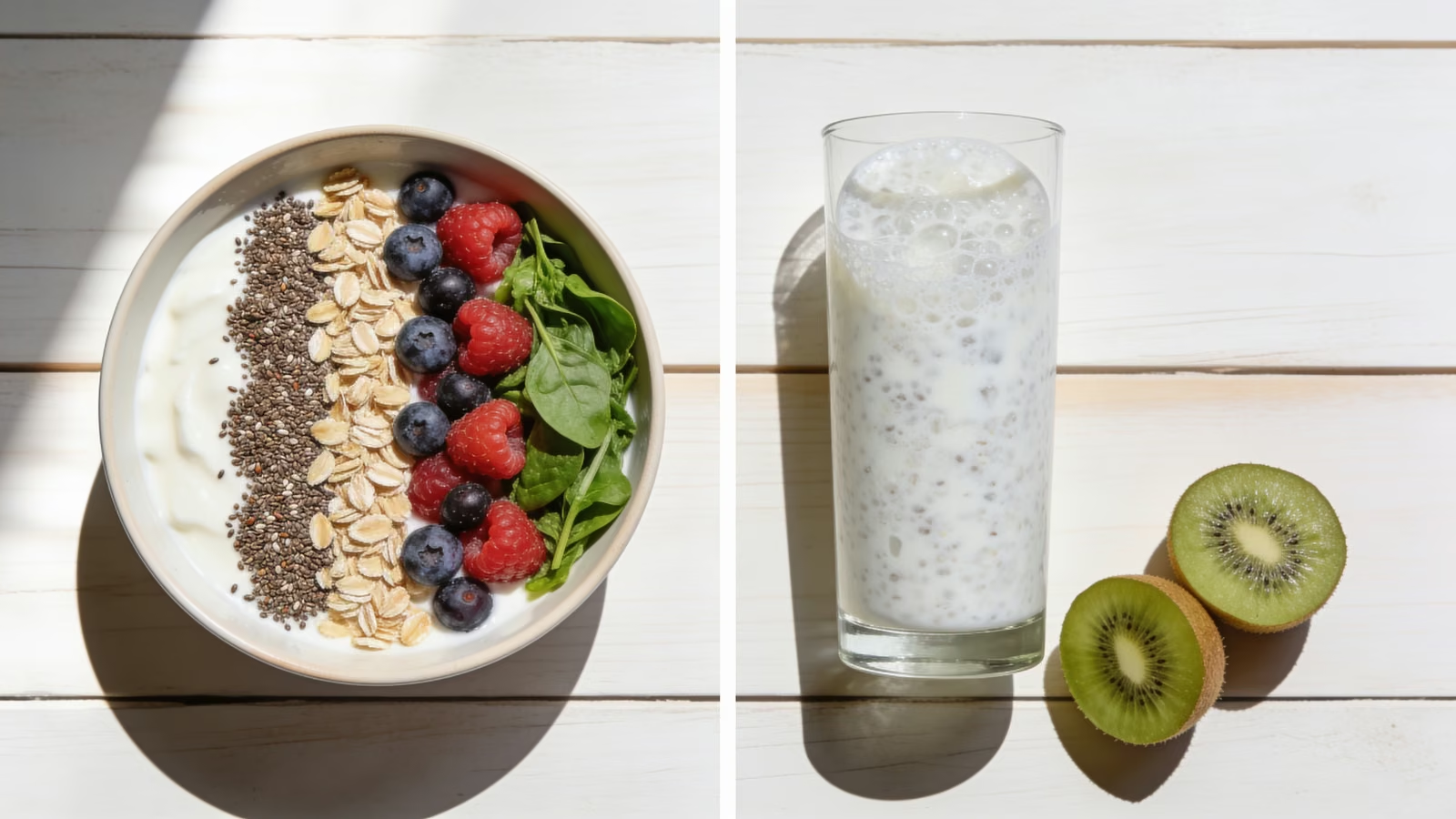
Most of us do a regular food shop without knowing which items genuinely support our digestion. When it comes to nurturing your gut microbiome, one factor matters above all: bacterial diversity. Here are the research-backed best foods for gut health to help build a thriving, diverse microbiome – and what to look out for in the supermarket aisles.
Key takeaways: Gut friendly foods at a glance
- For long-term gut health, the diversity of your gut microbiome (alpha diversity) is key.
- In a clinical study, almonds boosted gut flora diversity more effectively than other nuts.
- When choosing yoghurt, look for live active cultures – ideally at least 100 million per gram.
- Kiwi fruit proved even more effective for constipation relief than psyllium husk.
- Thanks to beta-glucan, porridge oats reduced LDL cholesterol by around 9 per cent.
How to improve gut health naturally: The power of microbiome diversity
To improve gut health, the diversity of beneficial bacteria in your digestive system – known as alpha diversity – is crucial. The more varied bacterial strains residing in your gut microbiome, the more resilient it becomes. Large-scale human studies show that high microbial diversity is linked to better health markers, particularly regarding inflammation and metabolic function.
Diversity increases primarily with higher vegetable intake. Blood sugar levels are also closely tied to the composition of your gut microbiome – and elevated blood sugar carries a higher cardiovascular risk than smoking or high blood pressure.
Almonds: Prebiotic fibre for beneficial bacteria
Whilst almonds might not have the absolute highest fibre content among nuts, they possess a unique combination of prebiotic fibre and polyphenols that fuels the diversity of beneficial bacteria. In a randomised trial involving 73 participants over eight weeks, subjects ate either almond-rich crackers or crackers made with other nuts, matched for calories. The result: the almond group experienced a significantly greater increase in alpha diversity. Adding a small handful of almonds to your breakfast acts as a prebiotic, nourishing your resident gut microbes.
Yoghurt and fermented foods with live active cultures
A substantial portion of the immune system is housed in the gut. Yoghurt can support this defence, but only if it contains live active cultures. The European Food Safety Authority (EFSA) specifies that products claiming “live cultures” must provide at least 100 million viable cultures per gram throughout their shelf life.
Many supermarket yoghurts do not declare this on the label, which often means they lack sufficient live bacteria – a selling point brands would otherwise highlight. Look for explicit mentions of “live active cultures”, as heat-treated yoghurts no longer offer living probiotic benefits.
Kiwi fruit for gentle constipation relief and digestion
A green kiwi provides around 93 milligrams of vitamin C per 100 grams – virtually your entire daily requirement. Golden kiwis contain approximately 163 milligrams, three times as much as a lemon. However, green kiwis offer double the dietary fibre.
Most remarkably, a 2022 clinical trial compared kiwi fruit directly against psyllium husk, one of the standard remedies for bowel regularity. In patients with functional constipation, kiwi proved even more effective at increasing stool frequency. Maintaining regular digestion is vital, as prolonged transit times allow waste products to remain in the bowel longer than ideal.
Porridge oats and beta-glucan
Porridge oats stand out as a superior choice compared to many other cereal grains. Their primary active soluble fibre, beta-glucan, helps lower LDL cholesterol and supports normal immune function. In a 45-day clinical trial where participants consumed 80 grams of either white rice or rolled oats daily:
- The oat group saw a significant increase in beneficial, cholesterol-lowering Bifidobacteria
- Blood LDL cholesterol dropped by 9.1 per cent (compared to a non-significant 3 per cent reduction in the rice group)
A preparation tip: gentle heating, such as steaming or making warm porridge, releases the beta-glucan without degrading it – making standard rolled oats ideal. Eating completely raw oats is best avoided, as uncooked starch can lead to bloating and discomfort.
Summary: Choosing the best foods for gut health
When looking to improve gut health, fostering a diverse gut microbiome is paramount – and incorporating everyday gut friendly foods makes it achievable. Almonds supply prebiotic fibre, yoghurt with live active cultures supports immune resilience, kiwi promotes smooth digestion and constipation relief (outperforming psyllium husk in clinical trials), and oats lower LDL cholesterol through beta-glucan. Always check for live cultures on yoghurt and gently cook your oats to get the most from these best foods for gut health.
Frequently asked questions
What are the best foods for gut health?
Almonds, yoghurt with live cultures, kiwi fruit, and porridge oats are among the best foods for gut health. They nourish beneficial bacteria and support microbial diversity, which is essential for overall digestive wellness.
What is alpha diversity in the gut microbiome?
Alpha diversity measures the variety of distinct bacterial species within your gut microbiome. Higher diversity makes the digestive tract more resilient and correlates with better metabolic and inflammatory health markers.
Why are almonds considered gut friendly foods?
Their unique blend of prebiotic fibre and protective plant compounds supports diverse gut flora. Research demonstrates that almonds increase alpha diversity more effectively than other nut varieties.
What should I look for when buying yoghurt?
Ensure the pot specifies live active cultures – ideally at least 100 million per gram. Many conventional supermarket yoghurts omit this guarantee and may lack viable friendly bacteria.
Can kiwi fruit help with constipation relief?
Yes. In clinical research, eating kiwi was more effective than psyllium husk at improving bowel frequency in individuals suffering from functional constipation.
Are golden or green kiwis better for digestion?
Golden kiwis offer higher vitamin C levels (around 163 mg per 100 g), whilst green kiwis contain twice the dietary fibre. Both are excellent choices to support healthy digestion.
How do oats help reduce cholesterol?
Oats contain beta-glucan, which encourages the growth of cholesterol-lowering Bifidobacteria. Clinical studies show this mechanism can lower blood LDL cholesterol by around 9 per cent.
Should you eat raw porridge oats?
It is better not to eat them completely raw, as uncooked starch can trigger bloating. Light cooking or steaming also helps unlock the beneficial beta-glucan fibre.