Measuring less than a thousandth of a millimetre, mitochondria work relentlessly as the cellular powerhouses of our bodies. They generate the cellular energy we need for every heartbeat, every thought, and every movement. Yet modern lifestyle factors – from physical inactivity to radiation emitted by mobile phones and wireless networks – can take their toll on them. Here is what research reveals about what harms these structures, and how to improve mitochondrial function using simple, evidence-based measures.
Key Takeaways
- Mitochondria are the powerhouses of our cells, driving daily ATP production in vast amounts to fuel biological processes.
- They possess their own DNA and divide independently – when they underperform, it often manifests as chronic fatigue, an energy slump, and increased susceptibility to infection.
- A laboratory study demonstrated that even mobile phone radiation within legal limits (2 W/kg) significantly increased harmful oxygen free radicals and oxidative stress in cells.
- Antioxidants were shown to buffer this effect in experimental models – particularly when combining water-soluble and fat-soluble varieties.
- The most effective and best-evidenced strategy to boost mitochondria remains regular physical activity.
What Mitochondria Are and Why They Are Vital
Mitochondria are microscopic organelles found in almost every cell in the human body. Their primary role is energy generation: they convert nutrients and oxygen into adenosine triphosphate (ATP), the body’s universal energy currency. Throughout the day, enormous quantities of this vital fuel are produced, broken down, and regenerated continuously.
Particularly high concentrations of mitochondria reside in energy-demanding tissues such as skeletal muscle, the heart, and the brain. A unique feature of mitochondria is that they contain their own distinct DNA and divide autonomously. You can picture them almost like cellular tenants living in symbiosis with us – much like the beneficial bacteria residing in our gut microbiome.
When these cellular powerhouses function poorly or decline in number, the effects become noticeable: typical symptoms include persistent tiredness, a sharp dip in physical and mental performance, general exhaustion, and lowered immune resilience.
What Harms Your Mitochondria
Many stressors that affect our mitochondria stem from daily habits and can be modified. Ageing also plays a role, as mitochondrial efficiency naturally declines over the decades. The primary risk factors include:
- A sedentary lifestyle and lack of movement
- Ongoing, chronic stress
- Poor quality or insufficient sleep
- Smoking
- A heavily processed, nutrient-depleted diet
- Oxidative stress caused by an excess of reactive oxygen species (free radicals)
An increasingly debated factor is prolonged exposure to non-ionising radiation emitted by mobile phones, 4G/LTE, and wireless networks. Interesting laboratory findings have shed light on this mechanism – which we examine objectively below.
Ionising vs Non-Ionising Radiation: The Key Difference
Radiation is present all around us: in sunlight, Wi-Fi routers, smartphones, and medical X-rays. However, not all radiation acts in the same way. It is broadly categorised into two main types:
| Type | Energy Level | Biological Effect | Examples |
|---|---|---|---|
| Ionising radiation | High | Can detach electrons from atoms and directly damage DNA | X-rays, gamma radiation |
| Non-ionising radiation | Lower | Cannot detach electrons; primarily exerts thermal and oscillating effects | Radio waves, microwaves, infrared, mobile phone radiation, 4G/LTE |
When holding a smartphone to our ear or browsing online, we are primarily exposed to non-ionising radiofrequency radiation. This does not pose the immediate, acute hazard associated with an X-ray. However, because we carry these devices close to our bodies over extended periods, researchers continue to investigate whether long-term cellular effects may occur.
The SAR Value: How Mobile Phone Radiation Is Measured
A crucial metric in this field is the Specific Absorption Rate (SAR). It quantifies the rate at which radiofrequency energy is absorbed per kilogram of body tissue. A SAR value of 2 Watts per kilogram (W/kg) indicates that 2 Watts of energy are absorbed per kilogram of tissue.
Under safety guidelines established by the International Commission on Non-Ionizing Radiation Protection (ICNIRP) and adopted across the UK and Europe, the recommended exposure limit for mobile handsets is 2 W/kg (averaged over 10 grams of head or torso tissue). This threshold is deemed safe under current regulatory frameworks and serves as the benchmark for consumer devices.
Mobile Phone Radiation and Mitochondria: What the Study Found
Compelling questions arise when cells are exposed to radiation precisely at this legally permitted limit. In an experimental study, cultured cells were exposed to a frequency of 1,800 MHz – a standard frequency used in 4G/LTE mobile communications, well below 5G bands – at a SAR of 2 W/kg. Five distinct groups were evaluated:
- Control group: received no exposure or treatment
- Melatonin group: treated solely with melatonin (widely recognised as a sleep-regulating hormone, but also a potent, small-molecule antioxidant)
- Radiation group: exposed to the mobile phone radiofrequency field
- Radiation + melatonin group: exposed to radiation whilst simultaneously treated with melatonin
- Positive control group: treated with hydrogen peroxide to induce strong free radical generation at high concentrations
The findings revealed that radiation at the regulatory limit resulted in a statistically significant increase in harmful reactive oxygen species – more than doubling baseline values. Melatonin successfully buffered this surge, bringing free radical levels back down to non-significant differences relative to controls. The hydrogen peroxide group exhibited oxidative damage comparable to the radiation exposure.
The Impact on Cellular Powerhouses and Mitochondrial DNA
The outcomes were particularly notable when researchers examined the direct effects on the mitochondria themselves. They measured 8-OHdG (8-hydroxy-2′-deoxyguanosine), a sensitive biomarker indicating oxidative damage to genetic material. This marker is also widely monitored in oncological research, as damaged DNA can trigger aberrant cell division.
Within the mitochondria, radiofrequency exposure led to a statistically significant rise in 8-OHdG, accompanied by a measurable drop in mitochondrial replication rates. Fewer dividing powerhouses translate to diminished cellular energy: leading to lethargy, weakness, and heightened vulnerability to infections. Here again, the application of antioxidants markedly alleviated the cellular damage.
For proper perspective: this was an isolated 24-hour in vitro laboratory study on cell cultures. In everyday life, we do not keep a phone continuously pressed against our body, and signal output fluctuates – transmitting at higher power only when network reception is poor. Whilst these laboratory findings cannot be mapped directly onto real-world human exposure, they provide sound rationale for adopting sensible habits with digital devices.
How to Improve Mitochondrial Function: Best Exercise to Increase Mitochondria
Whilst radiation research offers fascinating insights, regular physical exercise remains the single most effective and clinically validated intervention to enhance cellular powerhouses. In particular, endurance training and high-intensity interval training stimulate mitochondrial biogenesis – prompting muscle cells to build more numerous, denser, and higher-performing mitochondria. This physiological adaptation is the most substantial lever available and forms the foundation of any protocol on how to improve mitochondrial function.
Protecting Mitochondria: How to Combine Antioxidants Effectively
Environmental stressors cannot always be eliminated entirely, but we can limit the resulting oxidative stress by supplying adequate antioxidants. The key strategy is combining water-soluble and fat-soluble antioxidants to ensure comprehensive protection across all cellular compartments, including cell membranes and the aqueous cytoplasm. Well-established pairings include:
| Water-Soluble | Fat-Soluble |
|---|---|
| Vitamin C | Coenzyme Q10 |
| Glutathione | Astaxanthin |
| Alpha-lipoic acid (both) | Alpha-lipoic acid (both) |
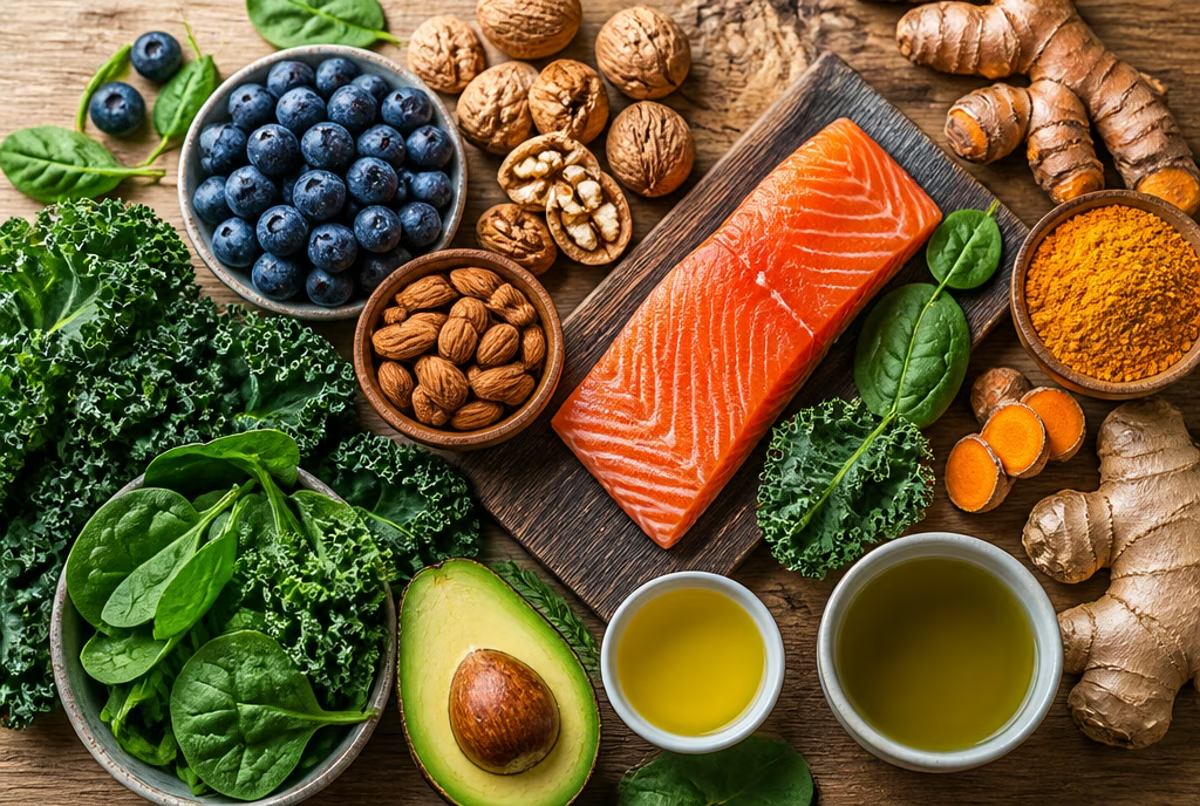
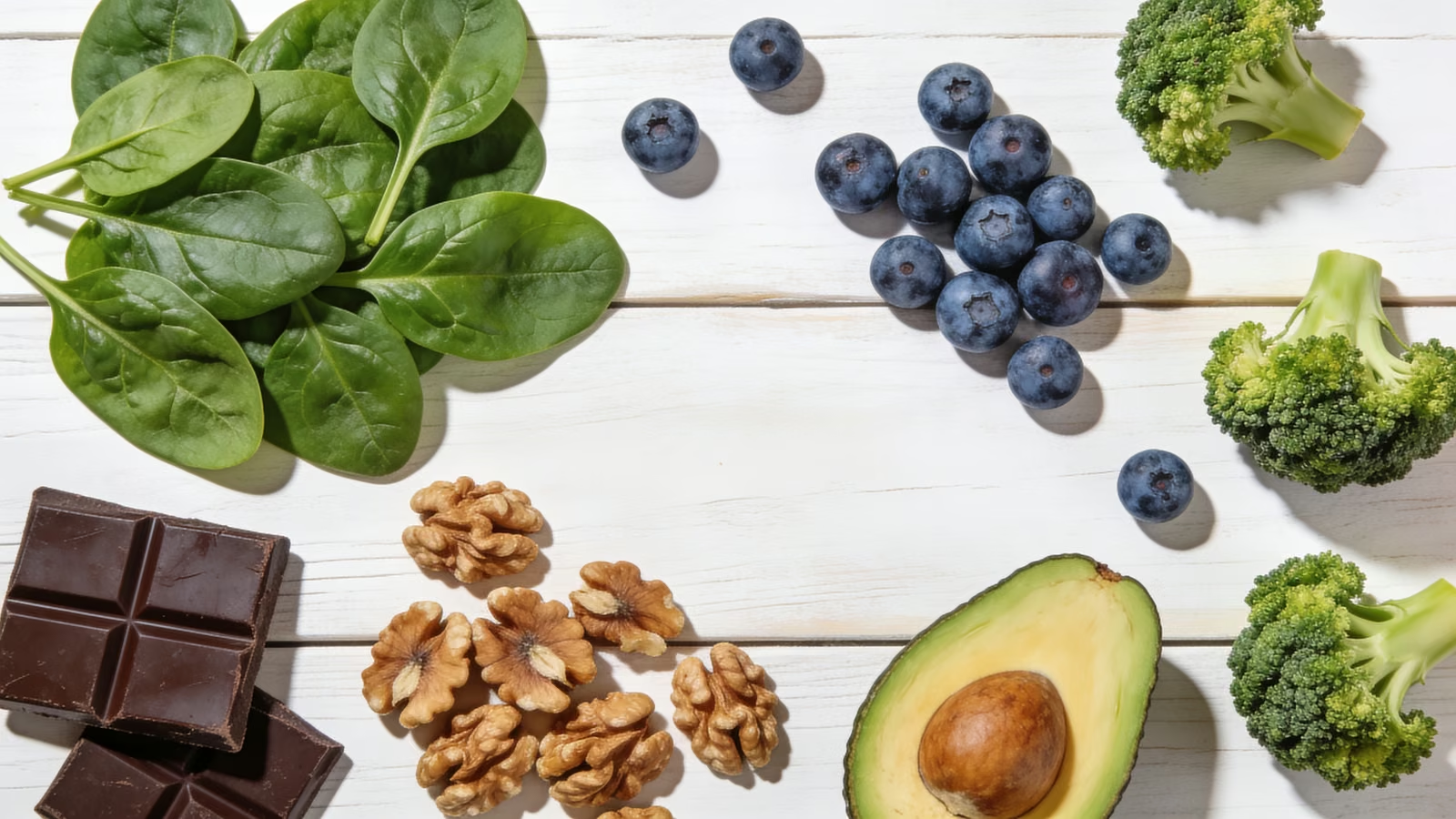
This nutritional synergy is readily achieved through whole foods. For instance, anthocyanins in wild blueberries act as potent water-soluble antioxidants; enjoying them alongside a handful of almonds adds fat-soluble vitamin E, of which almonds are one of the richest nut sources. Similarly, a colourful salad featuring sweet peppers, tomatoes, and carrots provides fat-soluble carotenoids alongside abundant water-soluble vitamin C.
Summary
Mitochondria are the vital cellular powerhouses of our body, and their efficiency is heavily influenced by everyday lifestyle factors. Inactivity, chronic stress, poor sleep, and a heavily processed diet impair their performance, whilst the biological impact of mobile radiation continues to be evaluated in laboratory settings. Fortunately, the most effective tools remain firmly in our control. Engaging in regular endurance or interval training, eating a diverse whole-food diet, prioritising restorative sleep, and combining water- and fat-soluble antioxidants provides our cells with the best support – without the need for expensive therapies.
Frequently Asked Questions
What are mitochondria in simple terms?
Mitochondria are microscopic powerhouses present in nearly every human cell. They convert nutrients and oxygen into usable cellular energy (ATP) and are unique in carrying their own distinct DNA.
How can I boost mitochondria naturally?
The most proven method is regular physical training, especially endurance and interval exercise. This should be supported by restorative sleep, stress management, and a colourful, antioxidant-rich diet.
Is mobile phone radiation truly harmful to our cells?
A 24-hour laboratory study demonstrated that mobile radiation within statutory SAR limits elevated reactive oxygen species in cell cultures. Whilst in vitro findings cannot be applied one-to-one to daily human life, they underline the value of mindful device usage.
What is the SAR value?
The Specific Absorption Rate measures the rate of radiofrequency energy absorbed per kilogram of body tissue. In the UK and Europe, consumer mobile phones must adhere to a safety ceiling of 2 W/kg.
Which supplements and antioxidants protect mitochondria?
Combining water-soluble and fat-soluble antioxidants offers the broadest protection – such as vitamin C paired with coenzyme Q10, or glutathione alongside astaxanthin. Alpha-lipoic acid is unique in being both water- and fat-soluble.
What foods repair mitochondria and support cellular energy?
Nutrient-dense foods rich in antioxidants provide ideal support: berries, nuts, seeds, and leafy or vibrant vegetables. Pairing wild blueberries with almonds or eating a fresh salad of peppers, carrots, and tomatoes supplies both water- and fat-soluble antioxidants simultaneously.
What are the signs that my mitochondria are struggling?
Common signs include unyielding fatigue, noticeable energy dips, prolonged physical exhaustion, and increased frequency of minor illnesses. Because these symptoms can stem from diverse medical conditions, persistent issues should always be discussed with a GP.
Can you take supplements to increase mitochondria?
Individual compounds such as coenzyme Q10 are widely marketed for this purpose. However, by far the greatest effect comes from your lifestyle – exercise, nutrition and quality sleep achieve far more than expensive supplements.