Boron is a largely overlooked trace mineral, yet research highlights its remarkably diverse roles within the body. From supporting bone density and regulating hormones to soothing inflammation, offering antioxidant defence, and aiding vitamin D absorption: we examine what the scientific evidence truly shows regarding boron supplement benefits – and how much you actually need.
Key Boron Supplement Benefits at a Glance
- Boron is a trace mineral obtained from plant-based dietary sources such as fruit, vegetables, and nuts.
- Boron can help support calcium retention and reduce mineral loss – decreasing urinary calcium excretion by 40 to 50% in one study.
- Boron influences hormone balance: increasing free testosterone and optimising oestrogen metabolism.
- Boron exhibits strong anti-inflammatory properties and lowers inflammatory markers such as c-reactive protein (CRP).
- Particularly noteworthy: boron can increase vitamin D levels – boosting serum concentrations by 39% in one trial without any additional vitamin D supplementation.
What is Boron and Which Dietary Sources Contain It?
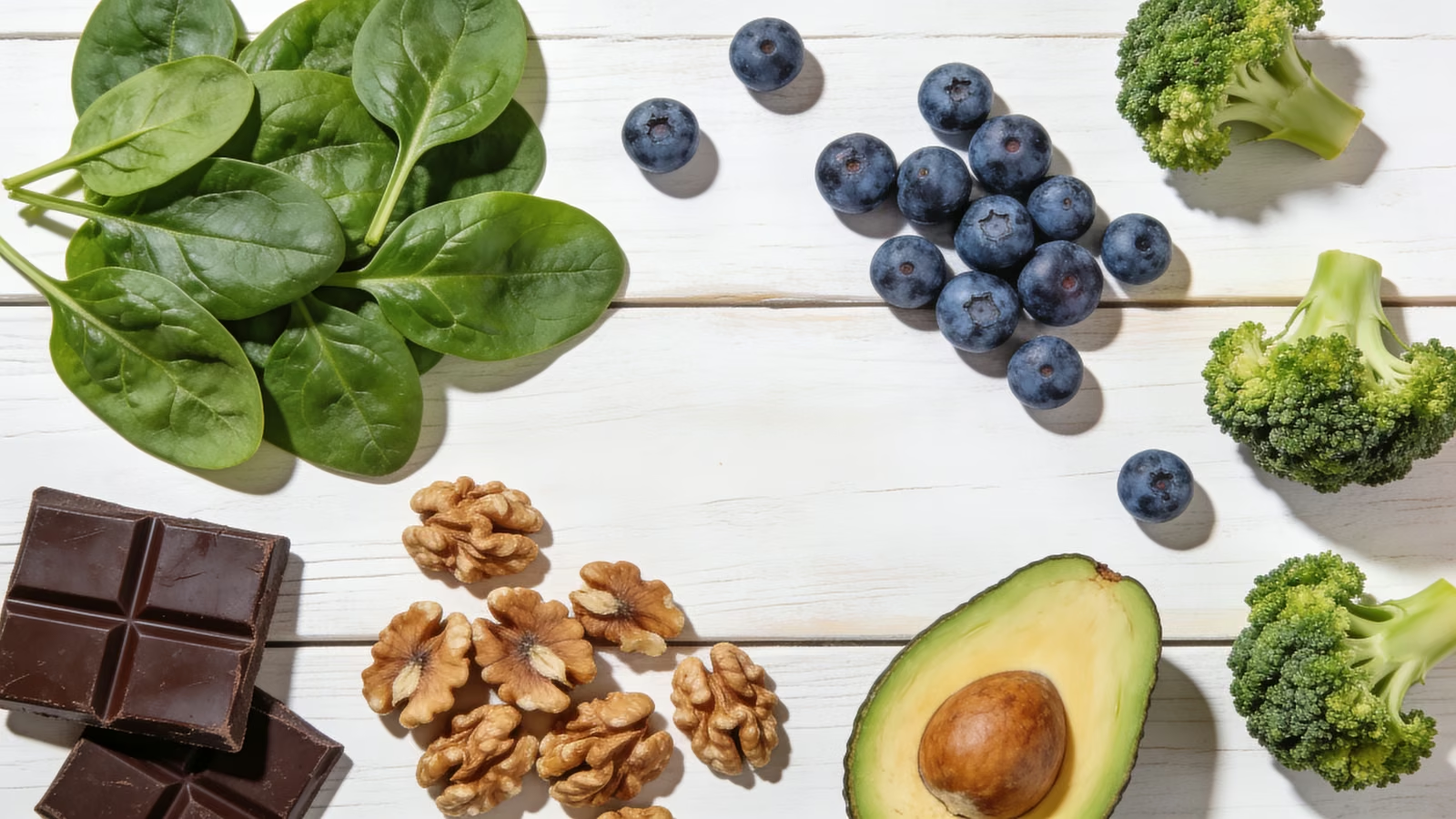
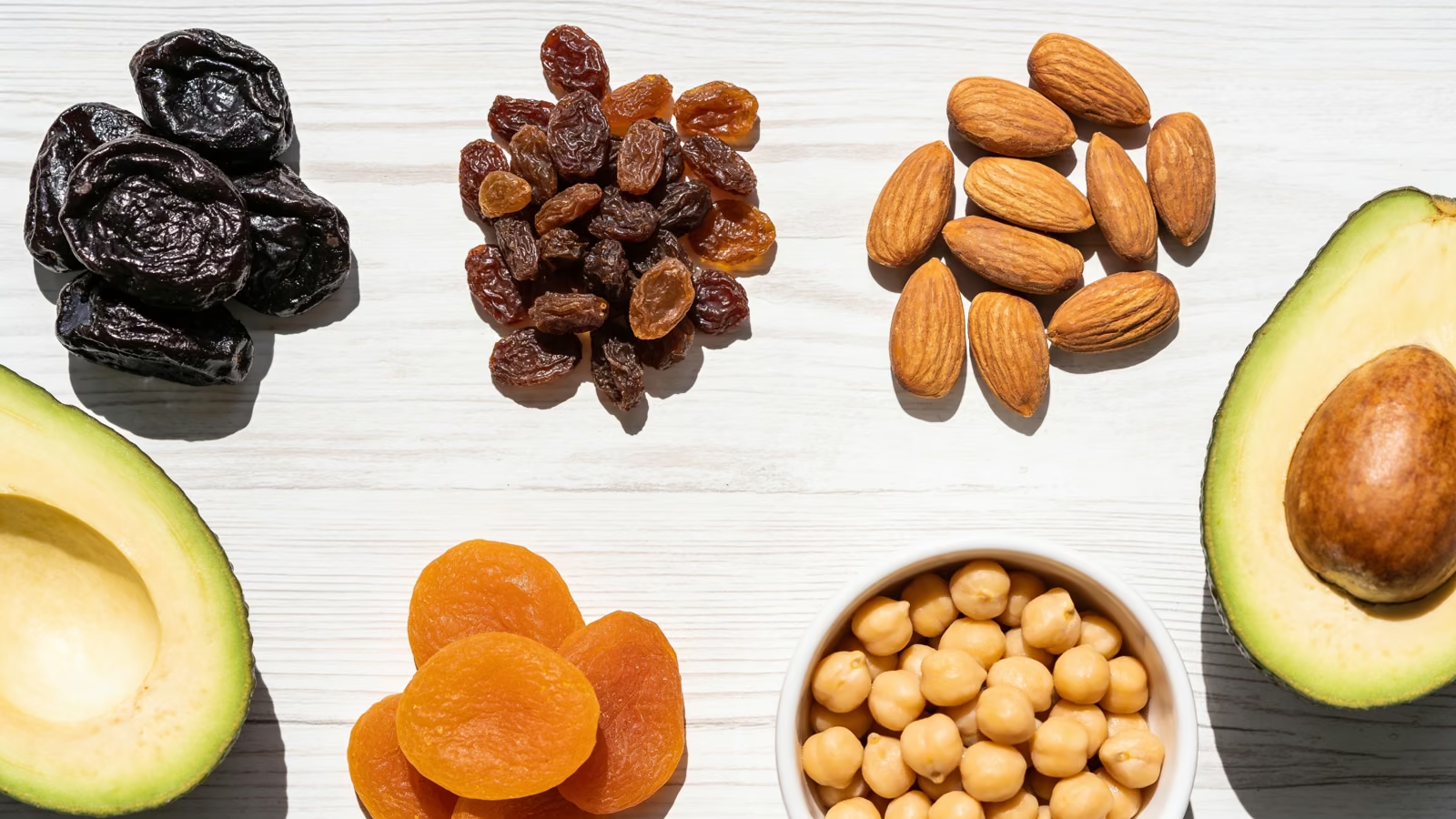
Boron is a lesser-known trace mineral found primarily in plant-based foods, including fruits, vegetables, pulses, and nuts. A wholesome, plant-rich diet naturally provides small quantities of this nutrient. Nonetheless, emerging research indicates that boron exerts a broad range of positive effects across human physiology that have long gone unnoticed.
Boron for Bones: Reducing Calcium Loss and Supporting Bone Density
As early as the 1980s, researchers discovered that boron may play a crucial role in maintaining healthy bones. A landmark 1987 USDA study by Nielsen investigated postmenopausal women and revealed a striking link with calcium retention:
- On a diet very low in boron (0.25 mg per day), urinary calcium excretion increased substantially.
- When the same women were subsequently supplemented with 3 mg of boron per day, calcium excretion dropped by around 40 to 50%.
- This strongly suggests that without adequate boron, the body loses vital calcium at an accelerated rate.
Animal studies and trials involving athletes also corroborate these positive effects on bone density: boron intake led to improvements in bone volume and circulating calcium levels. When paired with vitamin K2, which directs calcium from the bloodstream into the bone matrix, it creates a synergistic combination for long-term skeletal health.
Boron Benefits for Men: Testosterone and Oestrogen Metabolism
A notable 2011 clinical study (Naghii et al.) administered 10 mg of boron daily to healthy male participants for one week. The outcome was remarkable: the proportion of bioavailable, free testosterone increased significantly, whilst serum oestrogen (oestradiol) levels fell.
- Free testosterone in the boron group rose from approximately 8.5 to 11.25.
- Oestrogen levels in the boron group decreased from around 41 to 33.
Researchers propose that boron reduces the proportion of testosterone bound to sex hormone-binding globulin (SHBG), leaving more active, free testosterone available in the bloodstream. By modulating specific enzymes involved in steroid hormone synthesis, boron exerts a noticeable influence on oestrogen metabolism and androgen balance. This is especially relevant given that average male testosterone levels have been in steady decline for decades.
Boron Against Inflammation and Joint Discomfort
In a double-blind clinical trial (Scorei et al., 2011) involving 60 middle-aged participants, supplementing with 6 mg of boron daily for just two weeks significantly alleviated joint symptoms. Assessment was conducted using the WOMAC score – a standard questionnaire evaluating pain, stiffness, and physical function in knee and hip osteoarthritis.
- WOMAC scores improved by roughly 25% compared to placebo after only 14 days.
- The McGill Pain Questionnaire (MPQ) also demonstrated a statistically significant reduction in pain intensity.
- The key inflammatory marker c-reactive protein (CRP) decreased significantly.
In the aforementioned male study (Naghii, 2011), pro-inflammatory cytokines such as interleukin-6, TNF-alpha, and c-reactive protein also dropped markedly. This confirms that boron acts at a molecular level to dampen inflammatory cascades, highlighting its natural anti-inflammatory properties.
Boron as an Antioxidant and Cellular Protection
Beyond its influence on hormones, inflammation, and skeletal strength, boron affects cellular oxidation. Oxidative stress occurs when free radicals outnumber antioxidants in the body – a process accelerated by environmental pollutants, heavy metals, psychological stress, or diets high in ultra-processed and fried foods. Our bodies rely on endogenous antioxidant enzymes to neutralise these unstable molecules.
Cellular and animal studies indicate that boron enhances the activity of key antioxidant enzymes, including superoxide dismutase (SOD), catalase, and glutathione peroxidase. These enzymes constitute an essential frontline defence against cellular oxidative damage. In laboratory models, boron was also shown to mitigate oxidative stress triggered by heavy metal toxicity and pesticides.
Boron and Vitamin D: Supporting Vitamin D Absorption
One of the most intriguing boron supplement benefits lies in its interaction with vitamin D. In a controlled trial involving middle-aged adults fed a low-boron diet followed by 3 mg of boron daily, serum levels of 25-hydroxyvitamin D3 increased substantially after 49 days – climbing from an average of 44.9 to 62.4 nmol/l. This represents an increase of approximately 39%, achieved without any supplemental vitamin D.
An open-label pilot study in individuals with severe vitamin D deficiency supported this finding: taking 6 mg of boron daily for two months raised vitamin D3 levels by around 20% – even during the winter months. Research (Miljkovic et al., 2004) suggests the underlying mechanism is that boron slows the breakdown of vitamin D by inhibiting the 24-hydroxylase enzyme, thereby extending the half-life and bioactivity of circulating vitamin D. For those seeking to optimise vitamin d absorption and maintain healthy winter levels, boron may prove a valuable supporting nutrient.
Safe Daily Dosage and Potential Boron Supplement Side Effects
Most clinical trials have utilised dosages ranging from 3 to 10 mg of boron per day. A plant-rich diet abundant in fruit, vegetables, and nuts provides a solid baseline intake. For adults, the recognised tolerable upper intake level is approximately 10 mg per day; excessive doses well above this threshold should be avoided to prevent any adverse boron supplement side effects.
Boron is not a magic cure and cannot replace a balanced diet. If you are considering targeted supplementation – perhaps alongside vitamin D or calcium – it is advisable to speak with your GP or a qualified healthcare professional, particularly if you have pre-existing medical conditions or take prescription medication. For most people, the evidence for boron is an excellent incentive to incorporate more plant-based foods into daily meals.
Conclusion: Summary of Boron Supplement Benefits
Boron is an underappreciated trace mineral offering an impressive spectrum of biological actions: it supports bone density by enhancing calcium retention, optimises hormone balance by increasing free testosterone, lowers systemic markers like c-reactive protein, and reinforces antioxidant defences. Its ability to elevate vitamin D levels by up to 39% without extra supplementation is especially noteworthy. Whilst many trials have been relatively small, a nutrient-dense diet provides dependable baseline levels, whilst a safe daily dosage of around 3 mg is considered moderate for supplementation. If taking higher doses or managing ongoing health concerns, always seek guidance from a doctor or pharmacist.
Frequently Asked Questions
What is boron and why does the body need it?
Boron is an essential trace mineral used by the body in minute amounts. Research indicates that it supports bone density, hormonal regulation, inflammatory balance, and vitamin D metabolism. It is primarily found in plant-based dietary sources.
Which dietary sources contain boron?
Boron is found predominantly in plant foods, such as fruits, leafy vegetables, legumes, and nuts. Eating a diverse, plant-based diet naturally supplies small, beneficial amounts.
What are the boron benefits for women and bone health?
Boron aids calcium retention and helps reduce urinary calcium excretion – shown to decrease by 40 to 50% in postmenopausal women. Working alongside vitamin K2, it plays an important role in preserving bone density.
What is the effective boron dosage for testosterone?
In a clinical study with healthy men, a daily boron dosage of 10 mg for one week significantly increased free testosterone whilst lowering oestrogen. This is likely because boron reduces the binding of testosterone to transport proteins.
Does boron have anti-inflammatory properties?
Yes. Studies demonstrate that boron lowers inflammatory markers such as c-reactive protein (CRP), interleukin-6, and TNF-alpha, significantly improving joint pain and morning stiffness in osteoarthritis patients within 14 days.
Can boron raise vitamin D levels?
Yes, clinical studies showed that boron supplementation alone increased serum vitamin D3 levels by approximately 39% without additional vitamin D intake, likely by slowing the enzymatic breakdown of the vitamin.
What is a safe daily dosage of boron?
Clinical studies generally administer between 3 and 10 mg per day. The established safe daily dosage upper limit for adults is 10 mg per day. A plant-rich diet provides a good baseline level for most individuals.
Are there any boron supplement side effects?
Boron is generally well tolerated and safe when consumed within moderate limits of up to 10 mg daily. High doses should be avoided to minimise the risk of side effects. Anyone taking medication or managing a chronic condition should consult their doctor before supplementing.