Low-grade chronic inflammation, often termed silent inflammation, is now recognised as a key driver of many modern lifestyle conditions – from cardiovascular disease and type 2 diabetes to joint stiffness. The good news is that your plate provides one of the most powerful tools to counter it. Certain foods supply phytochemicals, omega-3 fatty acids and antioxidants that have been proven to dampen inflammatory pathways. Here are 15 of the most potent anti inflammatory foods – and how to easily incorporate them into your daily routine.
What is silent inflammation? Understanding food and inflammation
Acute inflammation serves a vital purpose: it heals wounds and fights off pathogens. Problems arise when the body remains continuously under low-grade “fire” – triggered by excess weight, physical inactivity, chronic stress and a diet high in ultra-processed products. You cannot feel this silent inflammation directly, yet over time it contributes to vascular damage and metabolic dysfunction. Whilst diet is not an overnight cure, everyday meals represent a powerful lever for long-term health.
1. Turmeric – a standout among anti inflammatory foods
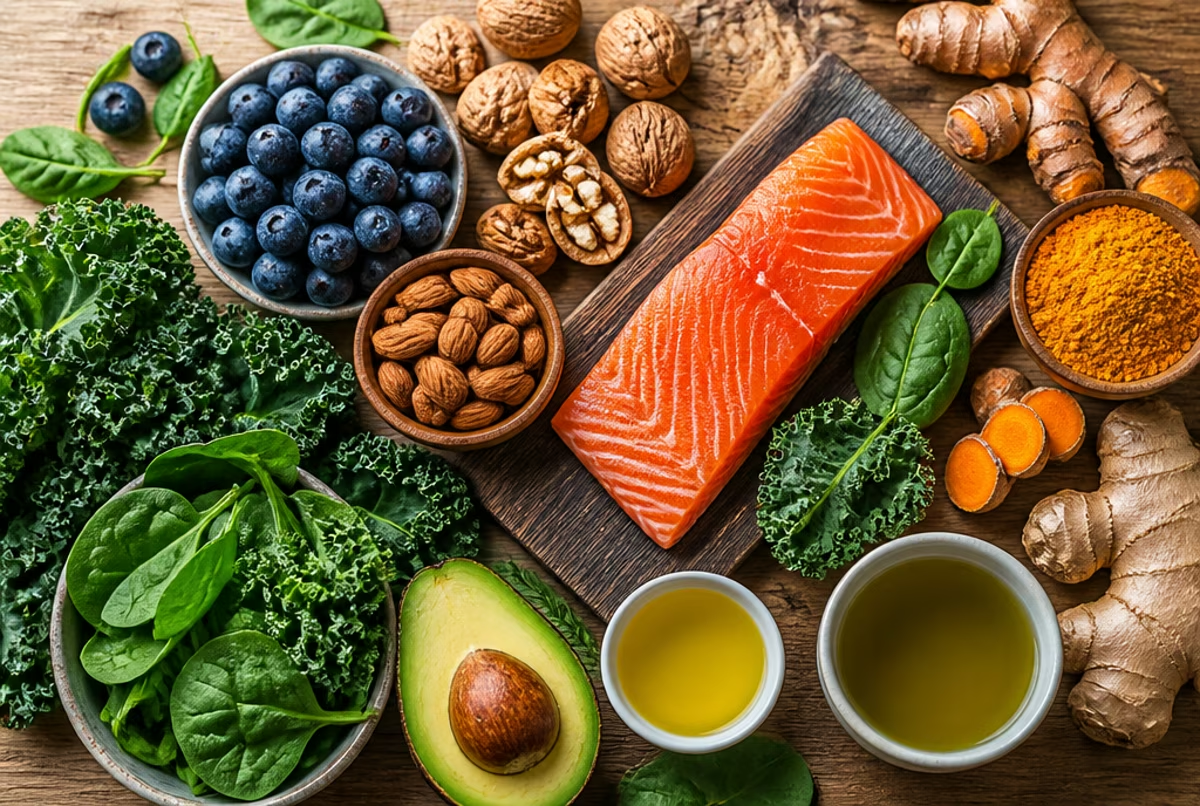
This vibrant yellow root contains curcumin, one of the most thoroughly investigated plant-derived anti-inflammatory agents. Curcumin inhibits inflammatory signalling molecules such as NF-κB. Crucially, combining it with a pinch of black pepper (piperine) and dietary fat significantly improves absorption – making it ideal in golden milk or warming curries.
2. Oily fish – omega-3 fatty acids against inflammation
Salmon, mackerel, herring and sardines provide the long-chain omega-3 fatty acids EPA and DHA. These act as precursors to specialised pro-resolving mediators (resolvins). The NHS recommends eating two portions of fish per week, including one oily portion; plant-based alternatives include algae oil and flaxseed oil, which supply the precursor ALA.
3. Berries – anti inflammatory fruits rich in anthocyanins
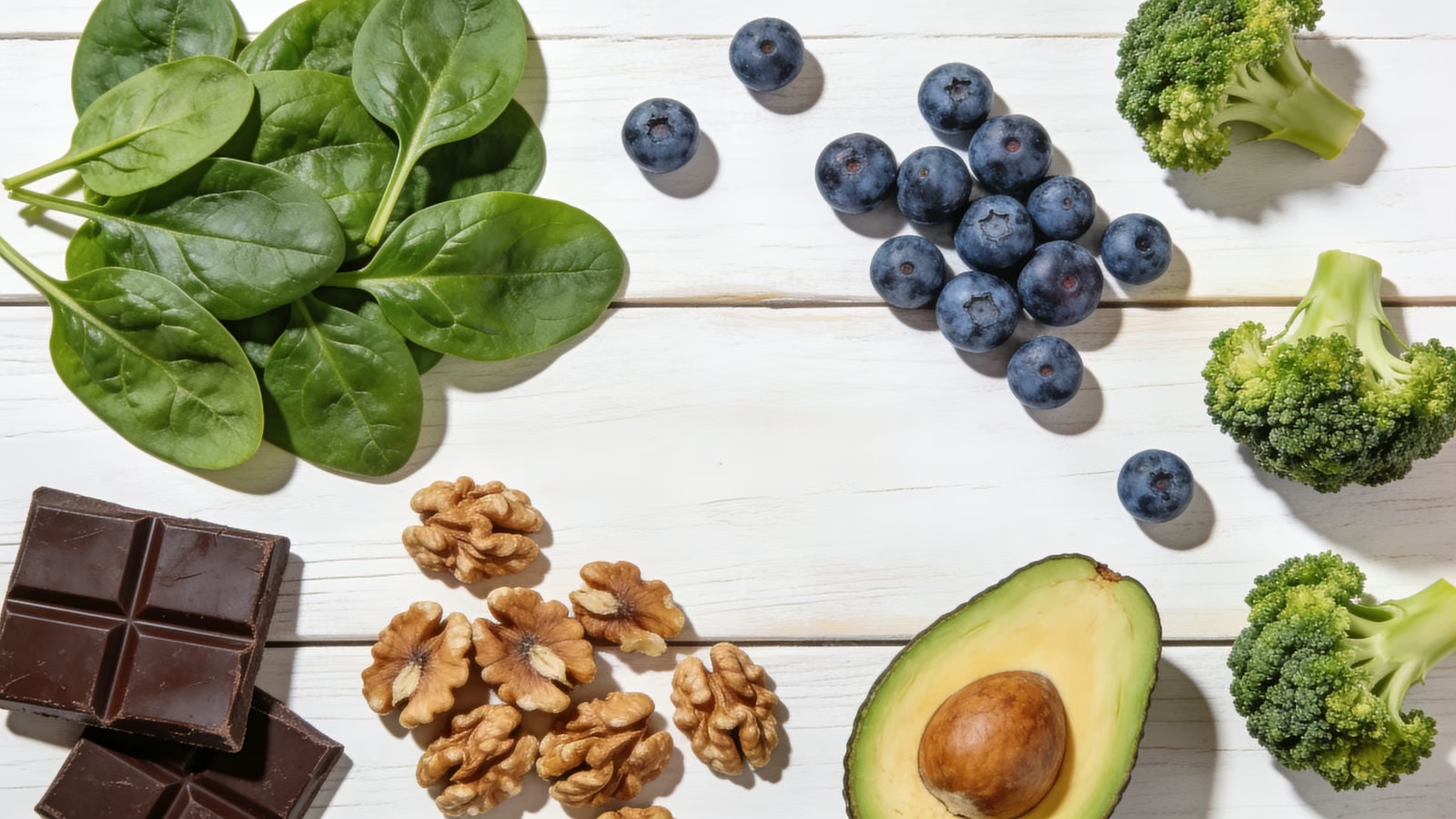
Blueberries, raspberries and blackberries are packed with anthocyanins – the blue and purple plant pigments that function as potent antioxidants and reduce oxidative stress. A daily handful, fresh or frozen, is a simple addition to an anti-inflammatory breakfast.
4. Dark leafy greens – essential anti inflammatory vegetables
Spinach, kale and Swiss chard provide vitamin K, folate and protective phytochemicals associated with lower inflammatory markers. The secret: dress them with a drizzle of healthy oil so that your body can absorb the fat-soluble vitamins effectively.
5. Nuts and almonds
Walnuts deliver plant-based omega-3 fatty acids, whilst almonds are rich in vitamin E. Clinical studies consistently link regular nut consumption with reductions in inflammatory markers, such as c-reactive protein, and improved cholesterol profiles. A modest handful each day is all that is needed.
6. Extra virgin olive oil
The cornerstone of the Mediterranean diet contains oleocanthal, a natural compound with anti-inflammatory effects comparable to low-dose ibuprofen. Cold-pressed, unrefined varieties provide the highest concentration of polyphenols – perfect for dressings and finishing cooked dishes.
7. Ginger
The pungent active compounds known as gingerols exert anti-inflammatory actions that can help soothe joint stiffness and exercise-induced muscle soreness. Enjoy it freshly grated in herbal teas, soups or as a concentrated ginger shot.
8. Green tea
The catechin EGCG is among the most potent antioxidants found in green tea and works to dampen inflammatory signalling cascades. Sipping two to three cups daily is an effortless healthy habit – explore more in our article on the health benefits of green tea.
9. Broccoli and cruciferous vegetables
Broccoli, cauliflower and Brussels sprouts supply the precursor to sulforaphane – a plant bioactive that upregulates protective antioxidant enzymes throughout the body. Gentle steaming or chopping them raw and allowing them to rest for several minutes before cooking preserves maximum potency.
10. Avocado
Abundant in heart-healthy monounsaturated fats, dietary fibre and carotenoids. Observational research links habitual avocado intake with reduced inflammatory markers and superior satiety after meals.
11. Tomatoes
The bright red pigment lycopene is an exceptionally strong antioxidant. Interestingly, cooking tomatoes with a splash of healthy oil (such as in a pasta sauce) makes lycopene substantially more bioavailable than eating raw tomatoes.
12. Dark chocolate and cocoa
Cocoa is rich in flavanols, which support vascular health and deliver systemic antioxidant protection. Look for quality dark chocolate containing at least 85% cocoa solids – best enjoyed mindfully in modest amounts.
13. Garlic
The bioactive sulphur compound allicin forms when raw garlic cloves are crushed, offering anti-inflammatory and antimicrobial properties. Letting crushed garlic stand for several minutes prior to cooking helps retain its beneficial compounds.
14. Pulses and legumes
Lentils, chickpeas and beans supply soluble and insoluble fibre that the gut microbiome ferments into anti-inflammatory short-chain fatty acids. They also stabilise blood glucose levels – a double advantage for metabolic wellness.
15. Spices: cinnamon, cloves & more
Many everyday culinary spices rank among the most antioxidant-dense foods available. Cinnamon supports steady blood sugar levels, whilst cloves and oregano deliver concentrated polyphenols. Generous seasoning brings genuine health benefits.
Inflammatory foods that fuel chronic inflammation
Removing dietary triggers is just as vital as adding protective nutrients. Common inflammatory foods include ultra-processed ready meals, refined sugar and sweetened soft drinks, refined white flour products, processed meats (such as sausages and bacon) and refined vegetable oils with an unbalanced omega-6 profile.
A day on an anti inflammatory diet
Breakfast: Porridge oats topped with blueberries, walnuts and cinnamon. Lunch: Warm lentil bowl with leafy greens, steamed broccoli, avocado and extra virgin olive oil. Snack: A cup of green tea and a square of dark chocolate. Dinner: Grilled salmon paired with turmeric-roasted vegetables. This framework allows you to easily enjoy a dozen anti inflammatory foods each day – without restrictive meal plans.
Frequently asked questions (FAQ)
What are the most potent anti inflammatory foods?
There is no single miracle food. However, turmeric (curcumin), oily fish (omega-3 fatty acids) and berries (anthocyanins) possess some of the strongest scientific backing. The real benefit comes from combining a colourful variety consistently across your weekly diet.
How quickly does an anti-inflammatory diet take effect?
Measurable improvements in inflammatory markers, such as c-reactive protein, can often be observed within a few weeks of consistent dietary changes in clinical studies. It is a long-term lifestyle shift rather than a quick fix.
Do I need to eliminate sugar and meat entirely?
No. What matters is your overall nutritional pattern. If the majority of your plate consists of whole, colourful plant foods and minimally processed ingredients, occasional indulgences fit in comfortably.
Are supplements necessary?
For most healthy adults, whole foods provide nutrients in their optimal natural matrix. High-dose turmeric or omega-3 supplements can be helpful in targeted situations – it is best to discuss this with your GP or a registered dietitian.
Can dietary changes help with joint stiffness and pain?
Many people report substantial symptom relief, and research in this area is encouraging. Whilst an anti-inflammatory diet cannot replace prescribed medical care, it serves as a valuable complementary approach.
Does coffee trigger inflammation?
On the contrary: black coffee is packed with polyphenols and moderate consumption is generally linked with lower markers of systemic inflammation – provided it is not loaded with syrups or excessive sugar.
Which cooking oil is best?
Extra virgin olive oil is ideal for dressings, cold dishes and gentle sauteing. Its high polyphenol concentration is responsible for much of its anti-inflammatory value, making cold-pressed quality essential.
Can I use frozen berries instead of fresh?
Yes. Frozen berries are flash-frozen shortly after harvesting, which locks in the vast majority of their anthocyanins – frequently retaining higher nutrient levels than fresh berries that have spent days in supermarket transit.
References and sources
Systematic reviews, meta-analyses and controlled clinical trials informing this article. All links were verified for accessibility on 16/08/2026.
- Nunes YC, Mendes NM, Pereira de Lima E et al.: Curcumin: A Golden Approach to Healthy Aging: A Systematic Review of the Evidence. Nutrients 2024. PubMed 39203857. DOI: 10.3390/nu16162721.
- Dehzad MJ, Ghalandari H, Nouri M et al.: Antioxidant and anti-inflammatory effects of curcumin/turmeric supplementation in adults: A GRADE-assessed systematic review and dose-response meta-analysis of randomized controlled trials. Cytokine 2023. PubMed 36804260. DOI: 10.1016/j.cyto.2023.156144.
- Anh NH, Kim SJ, Long NP et al.: Ginger on Human Health: A Comprehensive Systematic Review of 109 Randomized Controlled Trials. Nutrients 2020. PubMed 31935866. DOI: 10.3390/nu12010157.
- Pulido-Moran M, Moreno-Fernandez J, Ramirez-Tortosa C et al.: Curcumin and Health. Molecules (Basel, Switzerland) 2016. PubMed 26927041. DOI: 10.3390/molecules21030264.