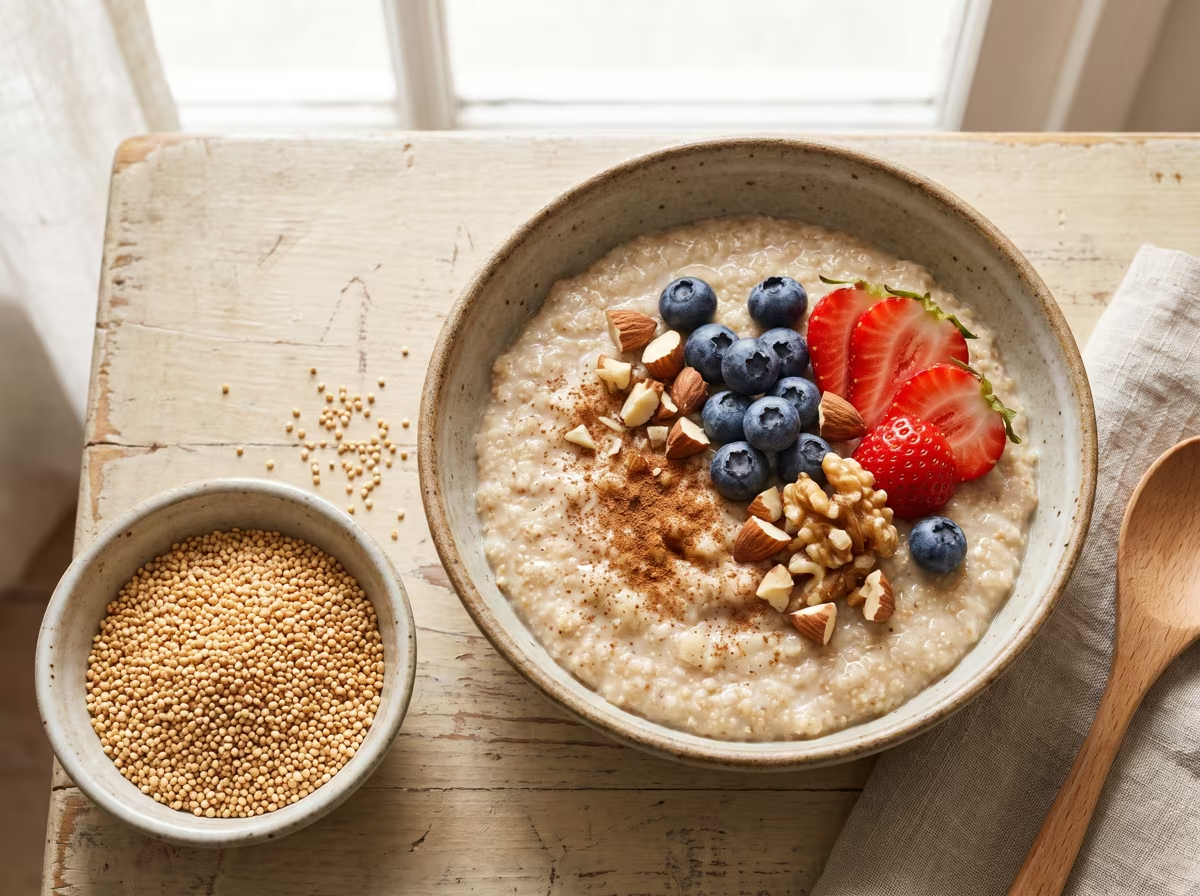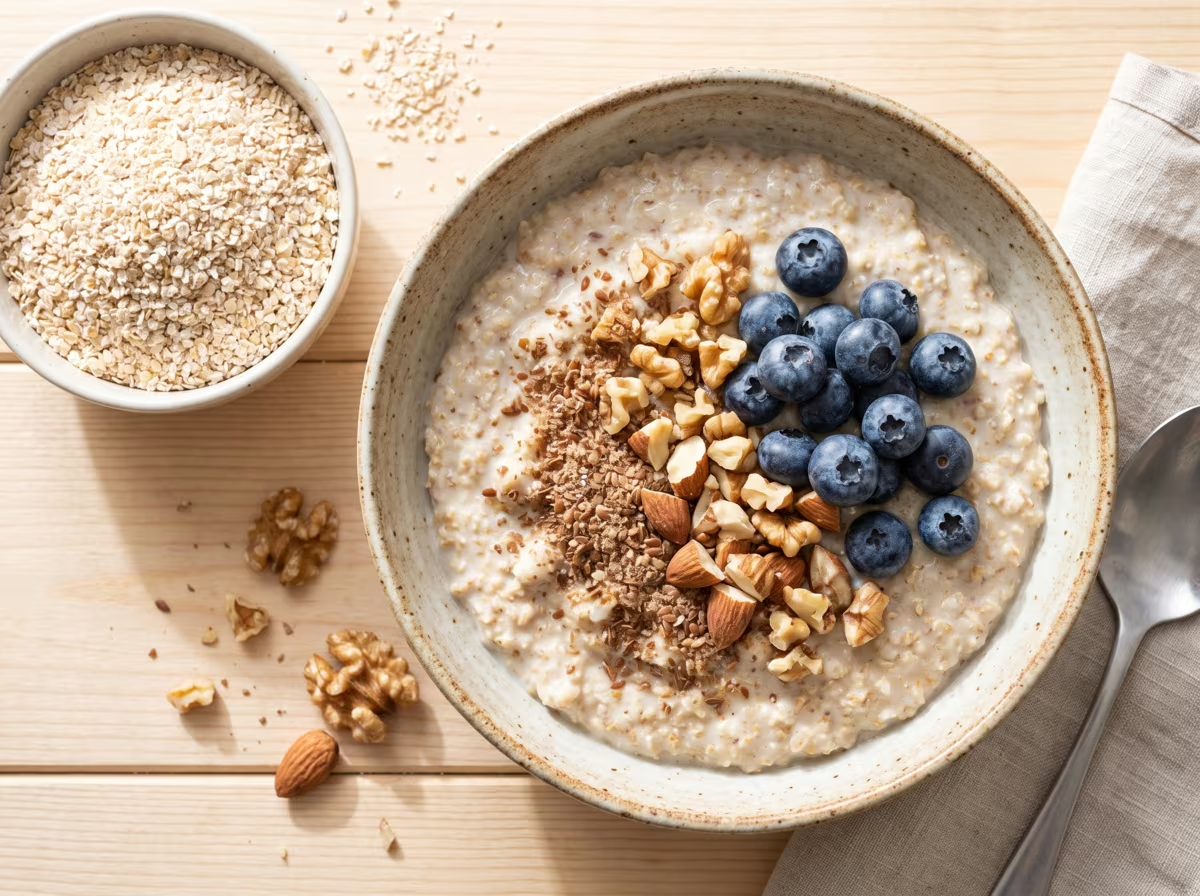
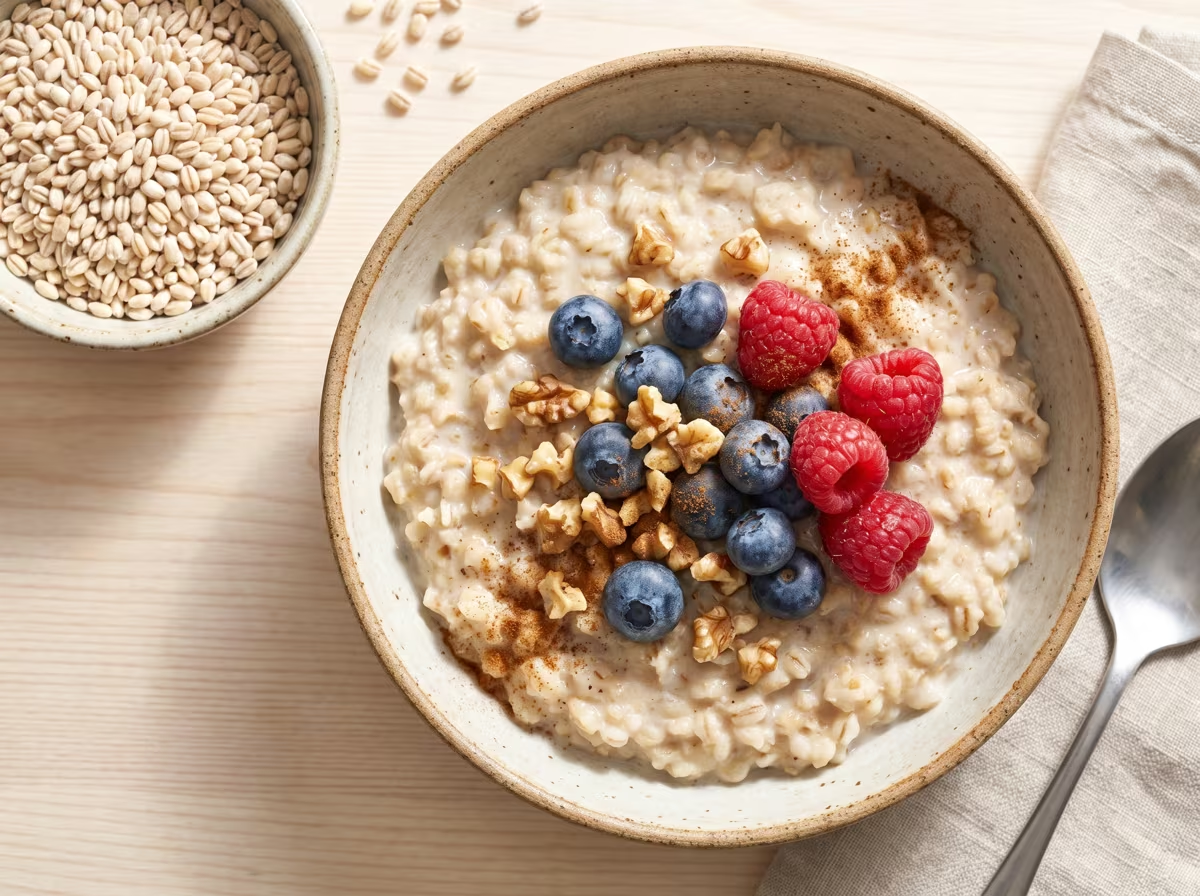
Barley porridge puts a largely forgotten grain firmly in the spotlight. Barley is exceptionally rich in the soluble fibre beta-glucan, proven to lower LDL cholesterol and support blood sugar regulation. It also provides the eye-protecting carotenoids lutein and zeaxanthin. Cooked warm and topped with berries and nuts, it makes a filling, anti-inflammatory breakfast. Here is the science alongside an easy pearl barley porridge recipe.
Barley porridge benefits: why barley fights inflammation
Barley contains even more beta-glucan than porridge oats—the soluble fibre scientifically proven to achieve a reduction in LDL cholesterol and a muted glycaemic response. Stable blood sugar avoids the spikes that fuel oxidative stress and low-grade inflammation. Beta-glucan also nourishes the gut microbiota, which ferment it into the anti-inflammatory short-chain fatty acid butyrate. In clinical research, anti-inflammatory effects are measured via markers such as CRP and IL-6. Note: barley contains gluten and is not suitable for people with coeliac disease.
The science in detail
Beta-glucan – cholesterol and blood sugar
Beta-glucan forms a viscous gel in the digestive tract that binds bile acids and slows cholesterol reabsorption, thereby lowering LDL cholesterol. At the same time, the gel slows down glucose absorption. Both effects are well documented for barley and oats, allowing health claims regarding cholesterol reduction in the UK and internationally.
Lutein & zeaxanthin
Barley delivers the carotenoids lutein and zeaxanthin, which act as antioxidants vital for cellular health—especially for the eyes. Combined with dietary fibre, they make whole-grain barley a distinctly anti-inflammatory grain.
Classic pearl barley porridge recipe (1 portion)
Ingredients: 50 g pearl barley (ideally whole-grain or pot barley) · 250 ml plant-based milk or water · ½ tsp cinnamon · 1 handful of berries · 1 tbsp nuts · 1 tbsp milled flaxseeds.
Method:
- Rinse the pearl barley. To reduce cooking time, soak overnight in cold water.
- Bring to the boil with plant-based milk or water and simmer gently over low heat for 25–35 minutes until tender (soaked barley cooks faster).
- Stir in the cinnamon and top with fresh berries, nuts and flaxseeds.
A quicker option with barley flakes
Barley flakes cook much faster (around 5–10 minutes) or can be soaked overnight, making your barley porridge quick and convenient for everyday routines, much like our overnight oats recipe.
Vegan & weight management
Made with plant-based milk, this porridge is naturally vegan. Beta-glucan keeps you feeling full for longer, which is a major advantage for healthy weight loss. Without added sugar, the glycaemic index remains low.
An honest assessment: is pearl barley good for you? (NHS context)
The evidence supporting beta-glucan for cholesterol and blood sugar regulation is solid; the effects are moderate yet dependable. When considering is pearl barley good for you, NHS and dietary guidelines recognise whole grains as essential for cardiovascular health. Barley porridge is not medicine, but a satisfying, cholesterol-friendly component of an anti-inflammatory diet. Due to its gluten content, it is not suitable for coeliac disease—certified gluten-free oats or pseudo-grains are the recommended alternative.
Frequently asked questions about pearl barley porridge
Is barley genuinely anti-inflammatory?
Barley is particularly rich in beta-glucan (lowers cholesterol, stabilises blood sugar) and supplies carotenoids—factors that contribute to an anti-inflammatory effect.
Does barley contain gluten?
Yes. Barley is not suitable for those with coeliac disease or non-coeliac gluten sensitivity.
Barley or porridge oats?
Both are rich in beta-glucan. Oats are readily available in certified gluten-free versions, whilst barley tends to contain even higher amounts of beta-glucan. For gluten sensitivity, oats remain the preferred choice.
Why soak pearl barley beforehand?
Soaking significantly shortens the cooking time and makes the grain easier to digest.
Can I prepare it faster?
Yes, by using rolled barley flakes (around 5–10 minutes) or by making an overnight version.
Is barley porridge good for weight loss?
Yes. Beta-glucan promotes long-lasting satiety and helps keep blood sugar levels steady.
What does barley taste like?
It has a mild, subtly nutty flavour with a pleasant, chewy bite. Cinnamon and fresh berries complement it perfectly.
Whole-grain or polished pearl barley?
For maximum fibre, choose whole-grain pot barley or hull-less barley; heavily polished pearl barley contains slightly less beta-glucan.
Conclusion
Barley porridge delivers cholesterol-lowering beta-glucan in generous amounts, alongside eye-protecting carotenoids and a low glycaemic index. It is a satisfying, anti-inflammatory breakfast staple alongside the ideas in our anti-inflammatory breakfast guide.
Sources on this topic
Systematic reviews, meta-analyses and controlled trials relating to this article. Every link was checked for accessibility on 16/08/2026.
- Ahmed HGMD, Yang L, Yang X et al.: Beta-Glucan in barley as a natural immunomodulator: mechanisms and therapeutic potential. Molecular biology reports 2025. PubMed 41075026. DOI: 10.1007/s11033-025-11136-4.
- Wang Y, Harding SV, Thandapilly SJ et al.: Barley β-glucan reduces blood cholesterol levels via interrupting bile acid metabolism. The British journal of nutrition 2017. PubMed 29115200. DOI: 10.1017/S0007114517002835.
- Zou Y, Liao D, Huang H et al.: A systematic review and meta-analysis of beta-glucan consumption on glycemic control in hypercholesterolemic individuals. International journal of food sciences and nutrition 2015. PubMed 26001090. DOI: 10.3109/09637486.2015.1034250.
- Kang I, Jang H, Gim M et al.: Barley-Based Cereals Enhance Metabolic Health and Satiety in Overweight Korean Adults: A Randomized Trial. Nutrients 2025. PubMed 40944189. DOI: 10.3390/nu17172801.
- Obadi M, Sun J, Xu B et al.: Highland barley: Chemical composition, bioactive compounds, health effects, and applications. Food research international (Ottawa, Ont.) 2021. PubMed 33648288. DOI: 10.1016/j.foodres.2020.110065.
- Idehen E, Tang Y, Sang S et al.: Bioactive phytochemicals in barley. Journal of food and drug analysis 2017. PubMed 28911532. DOI: 10.1016/j.jfda.2016.08.002.