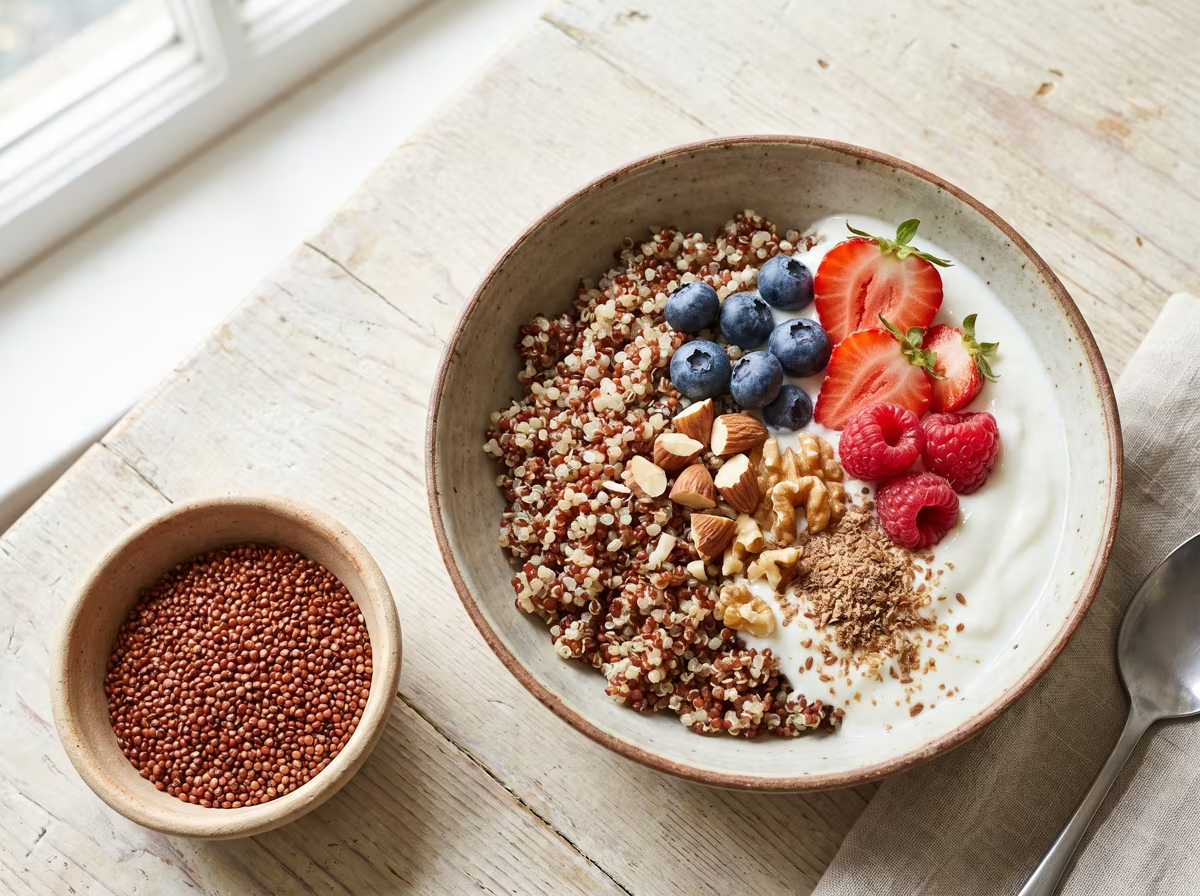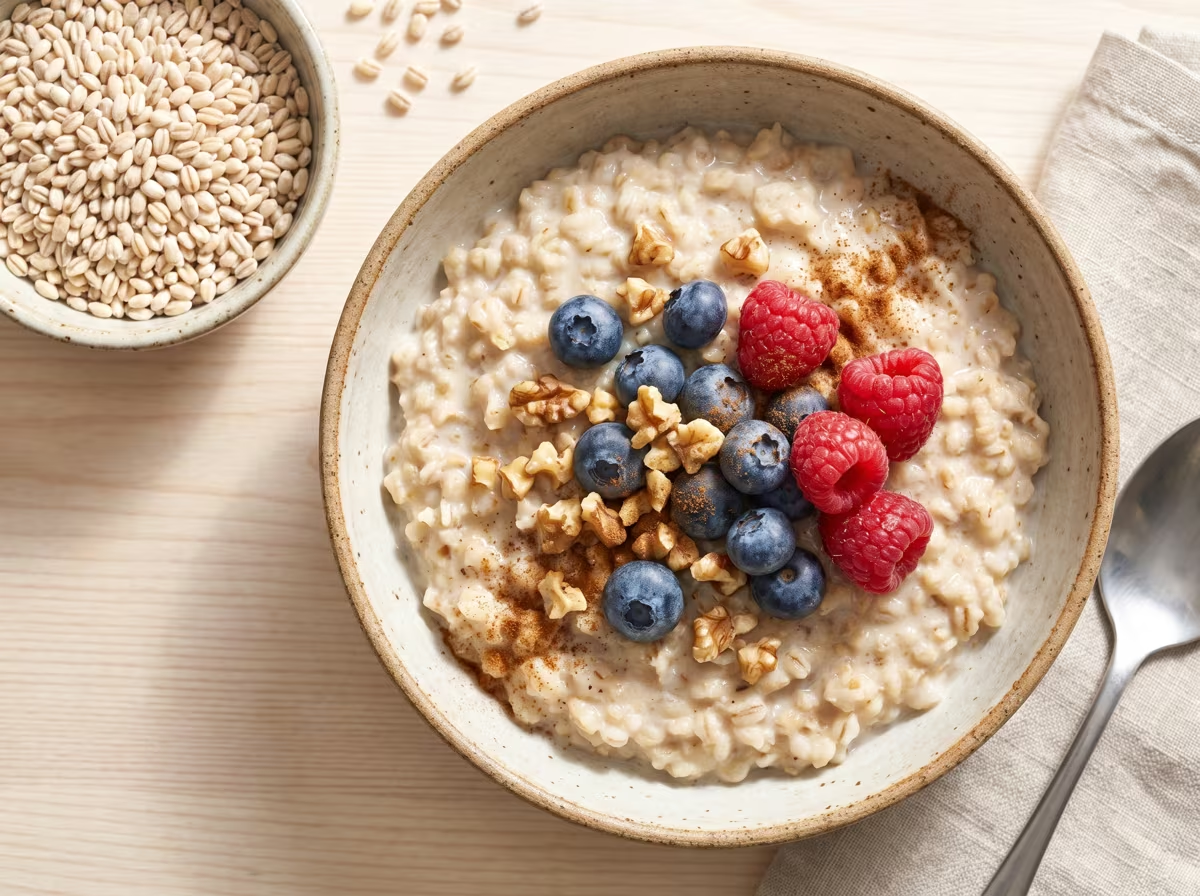
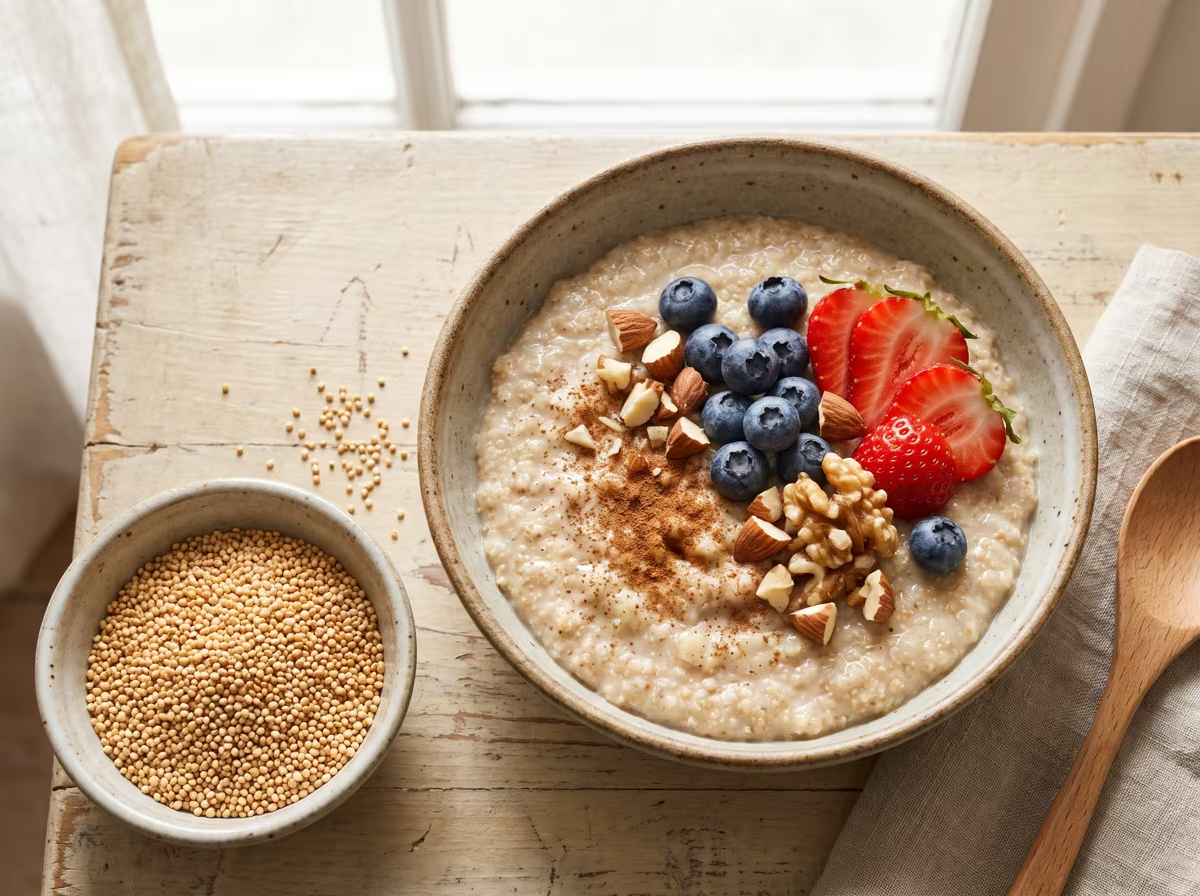
Amaranth porridge puts one of the world’s oldest cultivated crops centre stage: amaranth is a naturally gluten-free pseudocereal (safe for those with coeliac disease) packed with exceptionally high levels of manganese, magnesium, and protective plant compounds like squalene. In clinical studies, ancient grains like amaranth have even been shown to improve markers of irritable bowel syndrome and liver inflammation. Cooked warm and topped with berries and nuts, it creates a satisfying, anti-inflammatory start to the day. Here is the recipe and the science behind it.
Why Amaranth Is Anti-Inflammatory
Amaranth is naturally gluten-free and delivers high-quality plant-based protein, abundant manganese (a single portion meets your daily requirement), as well as antioxidant pigments, squalene, and polyphenols. Research shows that ancient grains are far less inflammatory than refined wheat: individuals with irritable bowel syndrome reported fewer symptoms when consuming ancient grains, alongside improvements in liver inflammation markers, blood sugar balance, and cholesterol control. In clinical research, anti-inflammatory properties are evaluated via biomarkers such as CRP and IL-6; whole grains and a low glycaemic index help attenuate both.
The Science in Detail
Ancient Grains Against Inflammation
The decisive advantage over white flour lies in the whole seed with all of its dietary fibre and phytonutrients. These nourish the gut microbiome, which ferments them into anti-inflammatory butyrate, whilst delivering antioxidants that neutralise oxidative stress. Refined grains lose these vital components during processing — making ancient grains like amaranth the clearly superior, low-inflammation choice.
Manganese & Minerals
Manganese shields cells against free radicals and plays a key role in the synthesis of the body’s own antioxidant enzymes. Amaranth provides exceptionally generous amounts of it, alongside bioavailable magnesium, iron, and calcium.
How to Make Amaranth Porridge (1 Serving)
Ingredients: 50 g amaranth · 250 ml plant-based milk or water · ½ tsp cinnamon · 1 handful fresh berries · 1 tbsp chopped nuts · 1 tbsp milled flaxseed · optional: 1 tsp raw honey.
Method:
- Bring the amaranth and plant-based milk to the boil in a small saucepan, then reduce the heat and simmer gently for around 20 minutes until thick and creamy, stirring occasionally.
- Stir in the cinnamon, then top with the berries, nuts, and milled flaxseed.
Tip: Amaranth retains a slight, pleasant crunch even when cooked — that delicate caviar-like texture is entirely characteristic of the grain.
Quick Puffed Amaranth Breakfast Bowl
If you are short on time, opt for puffed amaranth: simply scatter it over live yoghurt or stir it into a cold breakfast bowl for instant crunch without any cooking required. It pairs seamlessly with our anti-inflammatory breakfast ideas in seconds.
Vegan & Sugar-Free
Prepared with unsweetened plant-based milk, this porridge is completely vegan. For a refined-sugar-free version, sweeten naturally with a mashed banana or fresh berries to maintain a gentle, low glycaemic response.
An Honest Assessment
Studies exploring ancient grains demonstrate promising, yet generally moderate benefits, frequently derived from smaller trial cohorts. Amaranth porridge is not a medical cure, but rather a nutrient-dense, gluten-free building block within a balanced, anti-inflammatory diet.
Frequently Asked Questions About Amaranth Porridge
Is amaranth genuinely anti-inflammatory?
As an ancient grain, amaranth is significantly less inflammatory than refined wheat; it supplies polyphenols, squalene, manganese, and prebiotic fibre. Studies show noticeable improvements in irritable bowel syndrome and liver inflammation markers with ancient grain consumption.
Does amaranth contain gluten?
No, amaranth is a completely gluten-free pseudocereal, making it safe for anyone managing coeliac disease or non-coeliac gluten sensitivity.
How to cook amaranth for breakfast without it going mushy?
Simmer it gently on low heat with a 1:5 ratio of grain to liquid for 20 minutes. Amaranth naturally retains a slight, pleasant pop to the bite, which is its normal texture.
Which is healthier: quinoa or amaranth?
Both are gluten-free pseudocereals offering complete plant-based protein. Amaranth is particularly rich in manganese, squalene, and calcium, whilst quinoa has a slightly higher overall protein percentage. Alternating between both is ideal for dietary variety.
What is puffed amaranth?
These are amaranth seeds popped under heat — light, crisp, ready to eat without cooking, and perfect as a crunchy bowl topping.
Is amaranth porridge good for weight loss?
Yes. Its combination of plant-based protein and dietary fibre promotes long-lasting satiety and helps keep blood sugar levels steady.
What does amaranth taste like?
It has a mild, nutty flavour with subtle earthy undertones. Paired with cinnamon and berries, it turns deliciously gentle and comforting.
Is it okay to eat amaranth every day?
Yes, a standard portion of around 50 g (uncooked weight) is perfectly safe and nourishing to enjoy on a daily basis as part of a varied whole-food diet.
Summary
Amaranth porridge brings a mineral-packed ancient pseudocereal straight to your breakfast table — gluten-free, fibre-rich, and linked in clinical studies to improved inflammatory and digestive markers. A wholesome addition alongside the recipes in our anti-inflammatory breakfast guide.
Sources & References
Review articles, meta-analyses, and controlled trials relevant to this article. Every link was verified for accessibility on 16/08/2026.
- Tang Y, Tsao R: Phytochemicals in quinoa and amaranth grains and their antioxidant, anti-inflammatory, and potential health beneficial effects: a review. Molecular nutrition & food research 2017. PubMed 28239982. DOI: 10.1002/mnfr.201600767.
- Terzieva S, Baycheva S, Tzanova M et al.: Multifunctional Edible Amaranths: A Review of Nutritional Benefits, Anti-Nutritional Factors, and Potential in Sustainable Food Systems. 2026. PubMed 41517196. DOI: 10.3390/foods15010130.
- Macías-Naranjo SM, Arjona JM, Huebra-Montero L et al.: Amaranth, the ancient pseudocereal: a promising crop for climate-resilient agriculture and healthy diets. 2026. PubMed 41907743. DOI: 10.3389/fpls.2026.1716624.
- Lourembam E, Gogoi S, Das RT et al.: Unraveling the Therapeutic Benefits of Amaranthus Species: a Comprehensive Review. Plant foods for human nutrition (Dordrecht, Netherlands) 2025. PubMed 41137874. DOI: 10.1007/s11130-025-01415-7.