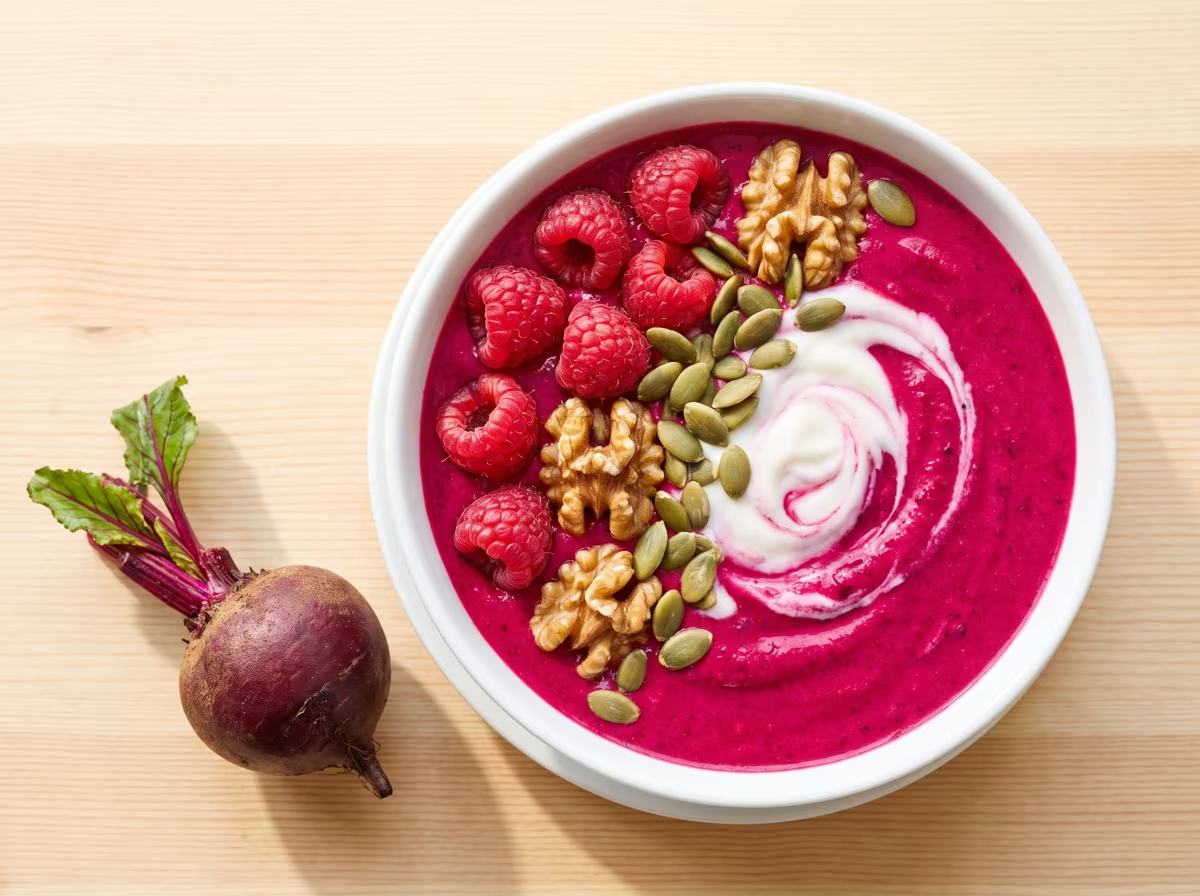
This beetroot smoothie bowl breakfast puts an often underrated root vegetable firmly in the spotlight: beetroot is exceptionally rich in betalains and dietary nitrates, two plant compounds with proven antioxidant properties that support vascular health and combat systemic inflammation. Combined with berries, natural yoghurt, and flaxseeds, it creates a vibrant pink, anti-inflammatory breakfast. Here is the science alongside the recipe.
Why beetroot combats systemic inflammation and supports vascular health
The striking colour of beetroot comes from betalains—plant pigments with potent antioxidant effects that have been shown in studies to suppress pro-inflammatory signalling pathways, notably the NF-κB pathway. In addition, its high concentration of dietary nitrates is converted by the body into nitric oxide, a signalling molecule that relaxes blood vessels, improves endothelial function, and helps lower blood pressure. In clinical research, anti-inflammatory effects are tracked via inflammatory markers such as CRP and IL-6; trials on beetroot consistently demonstrate positive outcomes for blood pressure, vascular health, and oxidative stress.
What goes well with beets in a smoothie: the key ingredients
Can I put raw beetroot in a smoothie? Betalains and dietary nitrates
For this bowl, vacuum-packed, pre-cooked beetroot (not pickled in vinegar) or freshly steamed beetroot works best. If you are wondering whether you can use raw beetroot: yes, raw grated beetroot can be blended, although it has a distinctly more earthy flavour. Because dietary nitrates and betalains are relatively heat-stable, very little nutritional value is lost during cooking.
Berries – complementary anthocyanins
Raspberries or blueberries complement beetroot brilliantly in both flavour and appearance whilst contributing valuable anthocyanins. Their gentle fruit acidity balances the earthy undertones of the beetroot.
Natural yoghurt & flaxseeds
Natural yoghurt or kefir provides beneficial live cultures (probiotics), whilst milled flaxseeds supply ALA omega-3 fatty acids and dietary fibre—creating a thick, creamy texture and adding another anti-inflammatory element.
Basic recipe: beetroot smoothie bowl (1 serving)
Ingredients: 1 small cooked beetroot (approx. 80 g) · 1 handful of raspberries or blueberries (frozen) · 150 g natural yoghurt or kefir · 1 tbsp milled flaxseeds · optional: ½ banana for natural sweetness · Toppings: walnuts, pumpkin seeds.
Method:
- Blend the cooked beetroot, berries, natural yoghurt, and banana (if using) until smooth and creamy.
- Pour into a bowl and stir in the milled flaxseeds.
- Scatter walnuts and pumpkin seeds over the top.
Alternatively, add a splash of water or milk to enjoy it as a drinkable beetroot smoothie.
Warm option: beetroot porridge
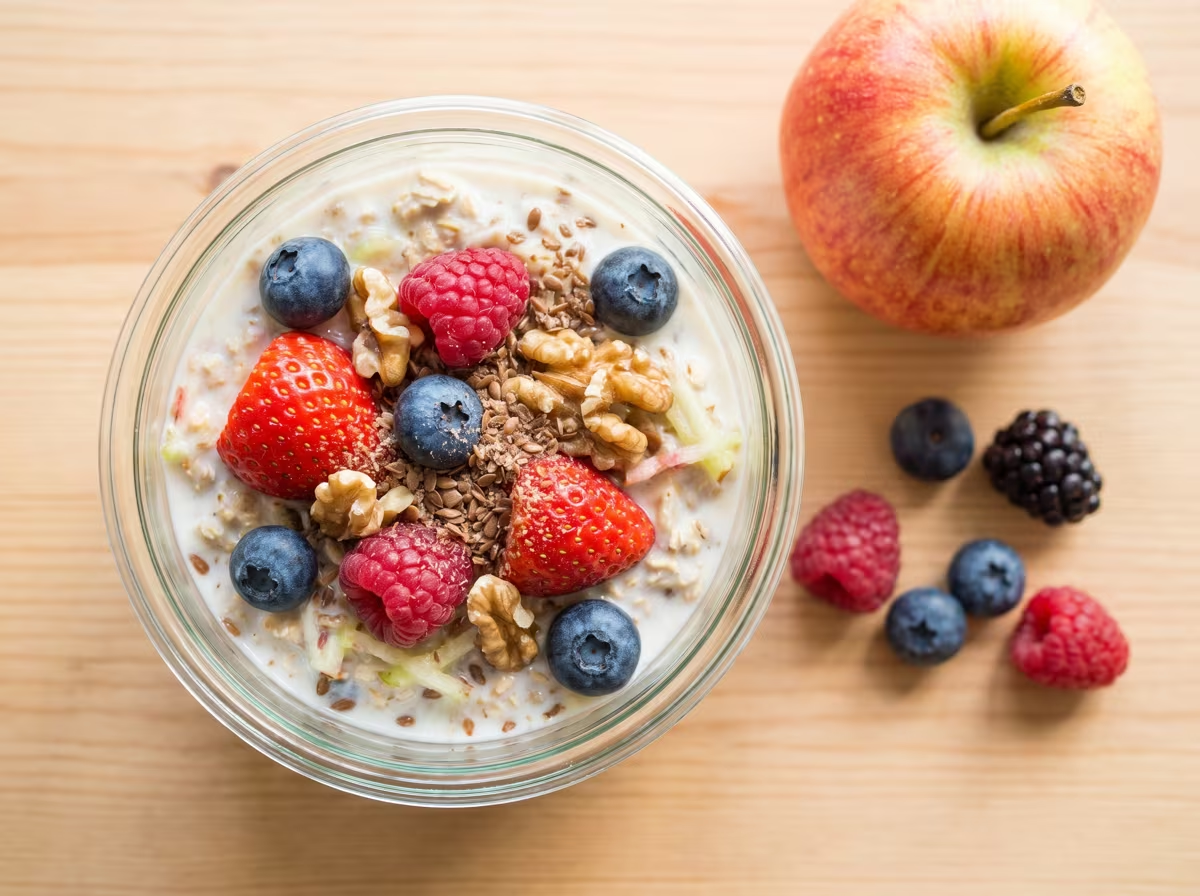
For a warming alternative on colder mornings, stir finely grated or puréed cooked beetroot into freshly prepared porridge oats. This provides an appealing colour, beta-glucans from the oats, and the protective betalains of the root vegetable all in one bowl.
Vegan & weight loss options
Swap in an unsweetened plant-based yoghurt (such as soya or coconut yoghurt) to make this bowl entirely vegan. Beetroot is naturally low in calories and high in fibre; when combined with a protein-rich base like Greek-style yoghurt or soya yoghurt and made without added refined sugars, this beetroot breakfast smoothie bowl is ideal for weight management. The combination of protein and prebiotic fibre keeps you satiated for hours whilst supporting steady blood sugar levels.
An honest appraisal
The strongest clinical evidence for beetroot centres on blood pressure, endothelial function, and vascular health (driven by dietary nitrates); the anti-inflammatory properties of betalains are scientifically plausible and backed by mechanistic studies, though human trials are smaller in scale. A beetroot smoothie bowl is a nutrient-dense, colourful addition to an anti-inflammatory diet, not a medical cure. Note: beetroot can temporarily turn urine and stools reddish (beeturia)—this is completely harmless. If you are prone to kidney stones (calcium oxalate), enjoy beetroot in moderation.
Frequently asked questions about a beetroot breakfast smoothie
Is beetroot genuinely anti-inflammatory?
Yes. Beetroot provides betalains (which inhibit the NF-κB pathway) and dietary nitrates (which boost nitric oxide). Clinical research confirms positive effects on blood pressure, endothelial function, and markers of oxidative stress.
Which type of beetroot should I use?
Pre-cooked, vacuum-packed beetroot (in natural juices, not vinegar) or freshly cooked beetroot is easiest. Raw, finely grated beetroot can also be blended, but it has a much stronger earthy taste.
Does the beetroot smoothie bowl taste overly earthy?
The combination of berries, natural yoghurt, and a little banana softens the earthy notes into a pleasantly fresh, fruity flavour—whilst retaining the striking pink colour.
Will beetroot turn my urine red or pink?
In some individuals, yes—this is known as beeturia. It is entirely harmless and caused by the natural betalain pigments.
Can I serve this breakfast warm?
Yes, by preparing beetroot porridge: simply stir puréed cooked beetroot through warm porridge oats.
Is it suitable for weight loss?
Yes. Beetroot is low in calories and rich in fibre; paired with a high-protein yoghurt base, the bowl promotes satiety and helps prevent blood sugar spikes.
Can I make this bowl vegan?
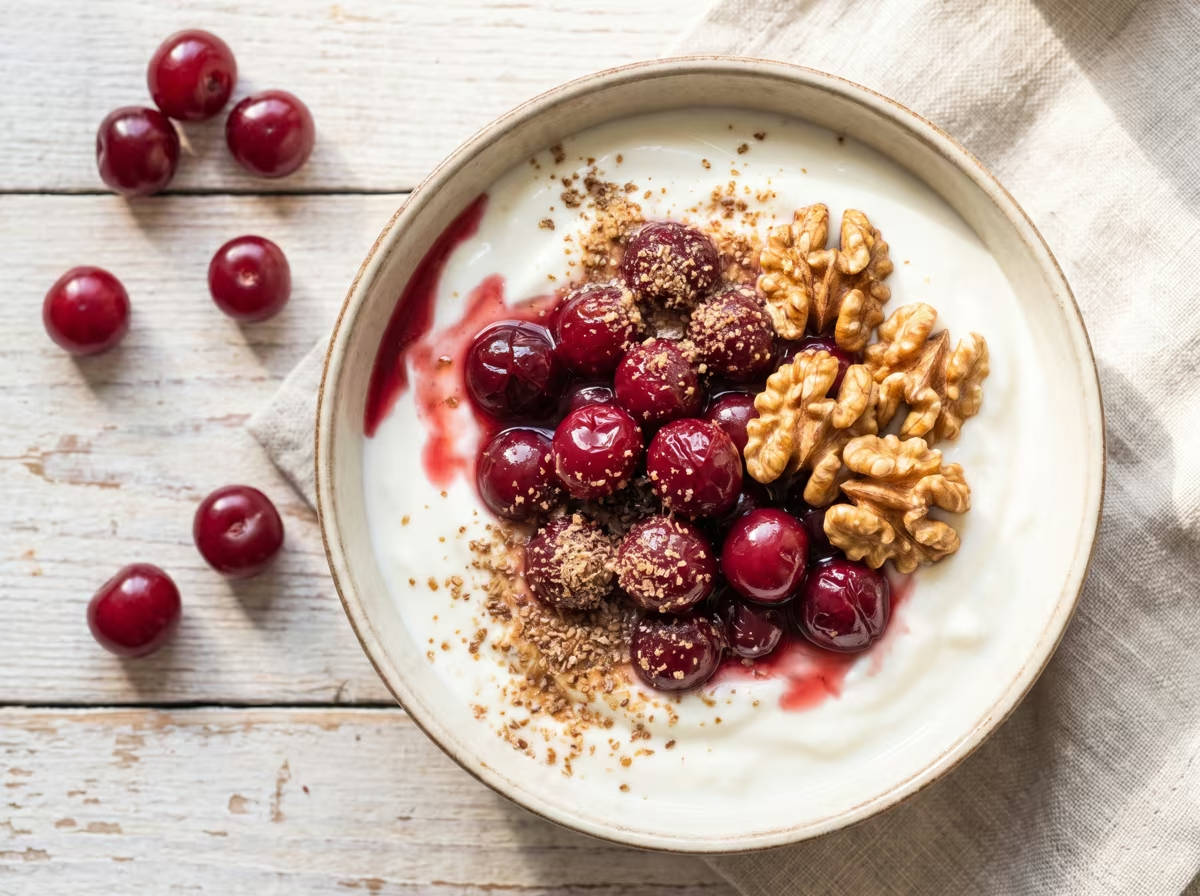
Yes, simply use unsweetened soya or coconut yoghurt. Other nutrient-dense breakfast options with proven benefits include our sour cherry bowl and pomegranate breakfast bowl.
How often should I eat beetroot?
A few times a week is an excellent target. Those with a history of oxalate kidney stones should consume it in moderation.
Summary
A beetroot breakfast puts betalains and dietary nitrates front and centre: blended with berries, natural yoghurt, and flaxseeds, it delivers a colourful, anti-inflammatory breakfast bowl with proven benefits for vascular health and oxidative stress. An inventive addition alongside the staple recipes in our guide to anti-inflammatory breakfasts.