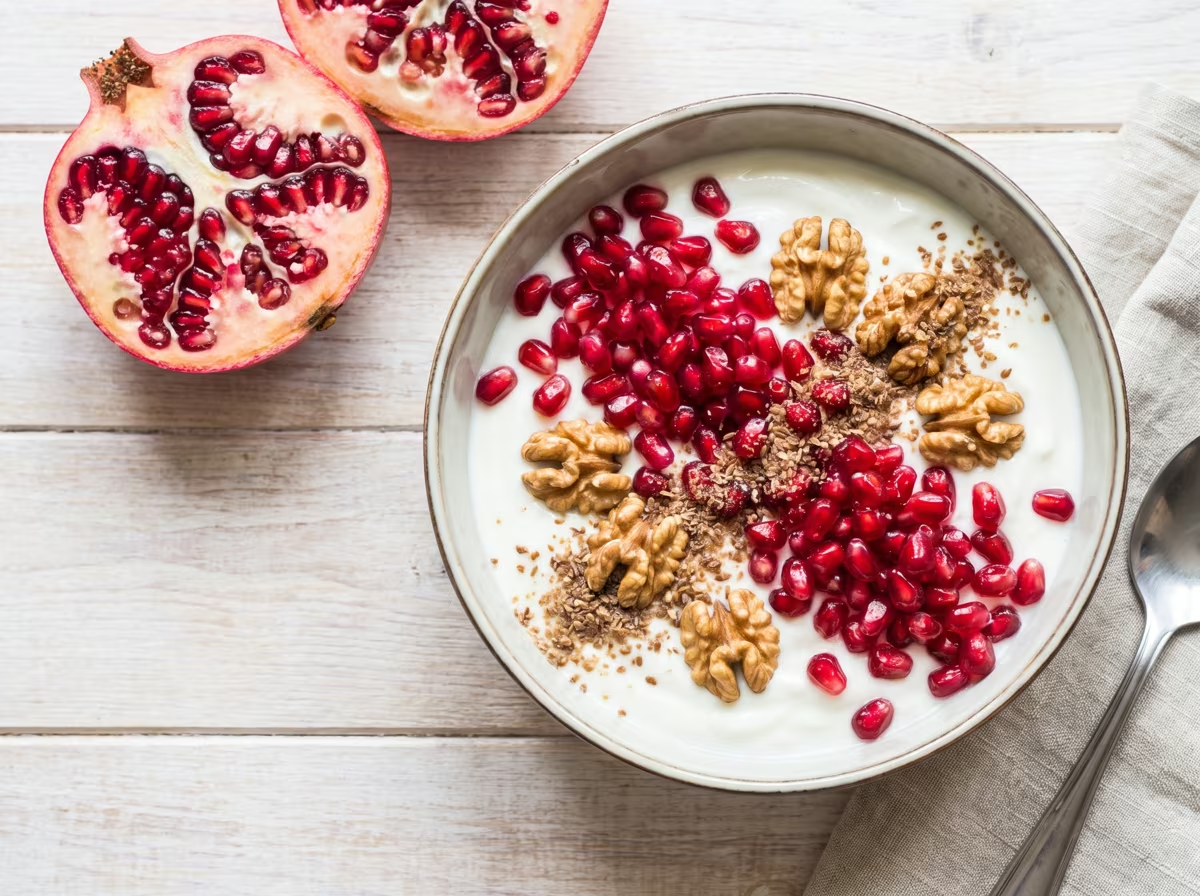
This pomegranate bowl puts one of the most polyphenol-rich fruits right at the centre of your morning: pomegranate is exceptionally rich in punicalagins and ellagitannins—plant compounds with potent antioxidant and anti-inflammatory properties, alongside protective flavonoids. Combined with natural yoghurt, walnuts and flaxseeds, it creates a crunchy, fruity, anti-inflammatory breakfast. Here is the recipe and the evidence-based science behind it.
Greek yoghurt and pomegranate benefits: why pomegranate is anti-inflammatory
The ruby-red arils of the pomegranate contain exceptionally high concentrations of polyphenols, most notably punicalagins. In scientific studies, these compounds inhibit pro-inflammatory signalling pathways—specifically targeting the central cellular switch via NF-κB inhibition—and exert potent antioxidant effects. In clinical research, anti-inflammatory activity is tracked using markers such as C-reactive protein (CRP), IL-6 and TNF-alpha; controlled trials on pomegranate juice and extract show a measurable reduction in these markers alongside favourable effects on blood pressure and vascular function.
The science in detail
Punicalagins & ellagitannins
The pomegranate’s ellagitannins are converted by the gut microbiota into bioactive compounds known as urolithins, which research links directly to anti-inflammatory and cytoprotective benefits. This explains why pomegranate offers health advantages that extend far beyond simple antioxidant activity.
Blood pressure & vascular health
Several human trials investigating pomegranate juice report a modest reduction in blood pressure and improved vascular endothelial function. This complements an anti-inflammatory diet, as chronic low-grade inflammation and cardiovascular health are closely intertwined.
Pomegranate breakfast bowl recipe (1 serving)
Ingredients: 200 g natural yoghurt, skyr or kefir · seeds of ½ pomegranate · 1 tbsp walnuts · 1 tbsp milled flaxseeds · ½ tsp ground cinnamon · optional 1 tsp honey.
Method:
- Halve the pomegranate and release the seeds (hold the cut side over a bowl and tap the back firmly with a wooden spoon).
- Spoon the yoghurt into a bowl, then scatter the pomegranate seeds, walnuts and flaxseeds evenly over the top.
- Dust with cinnamon and lightly sweeten with honey if desired.
As a porridge topping or in smoothies
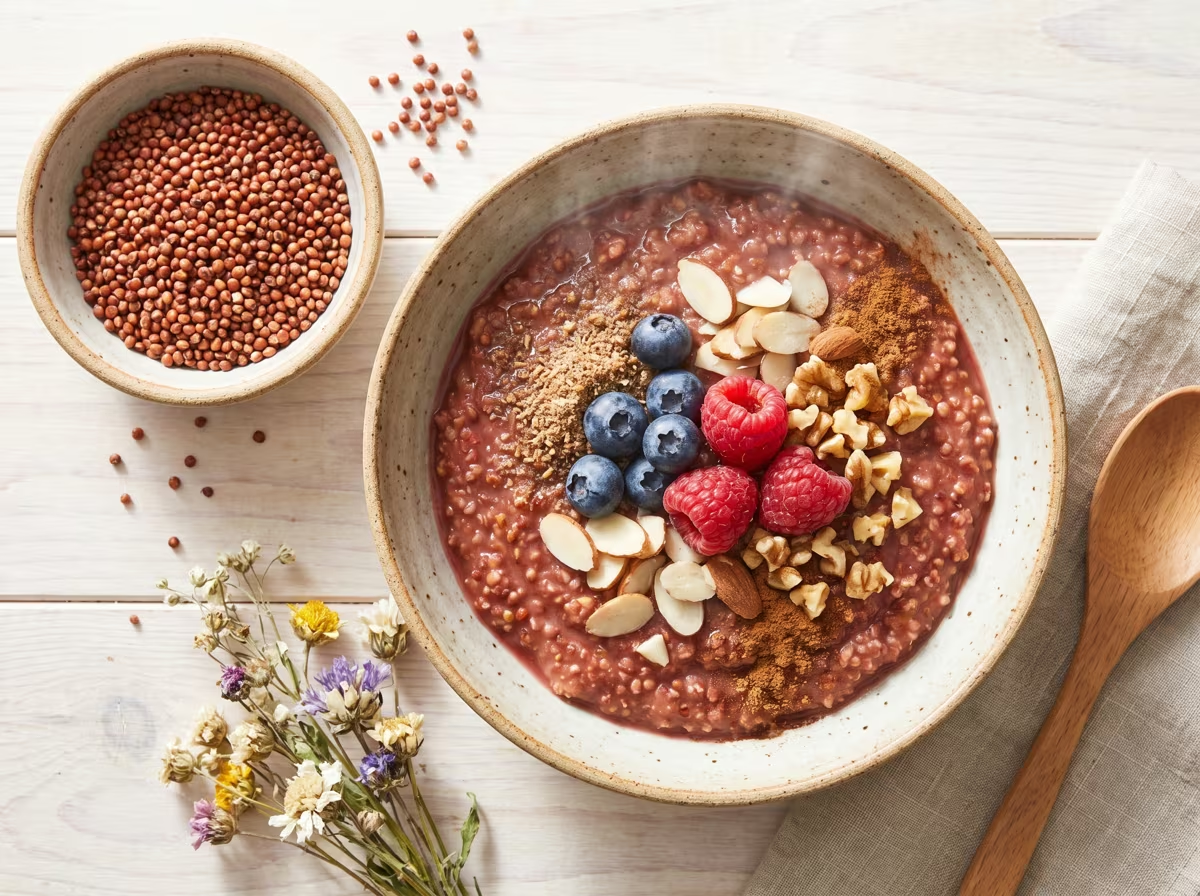
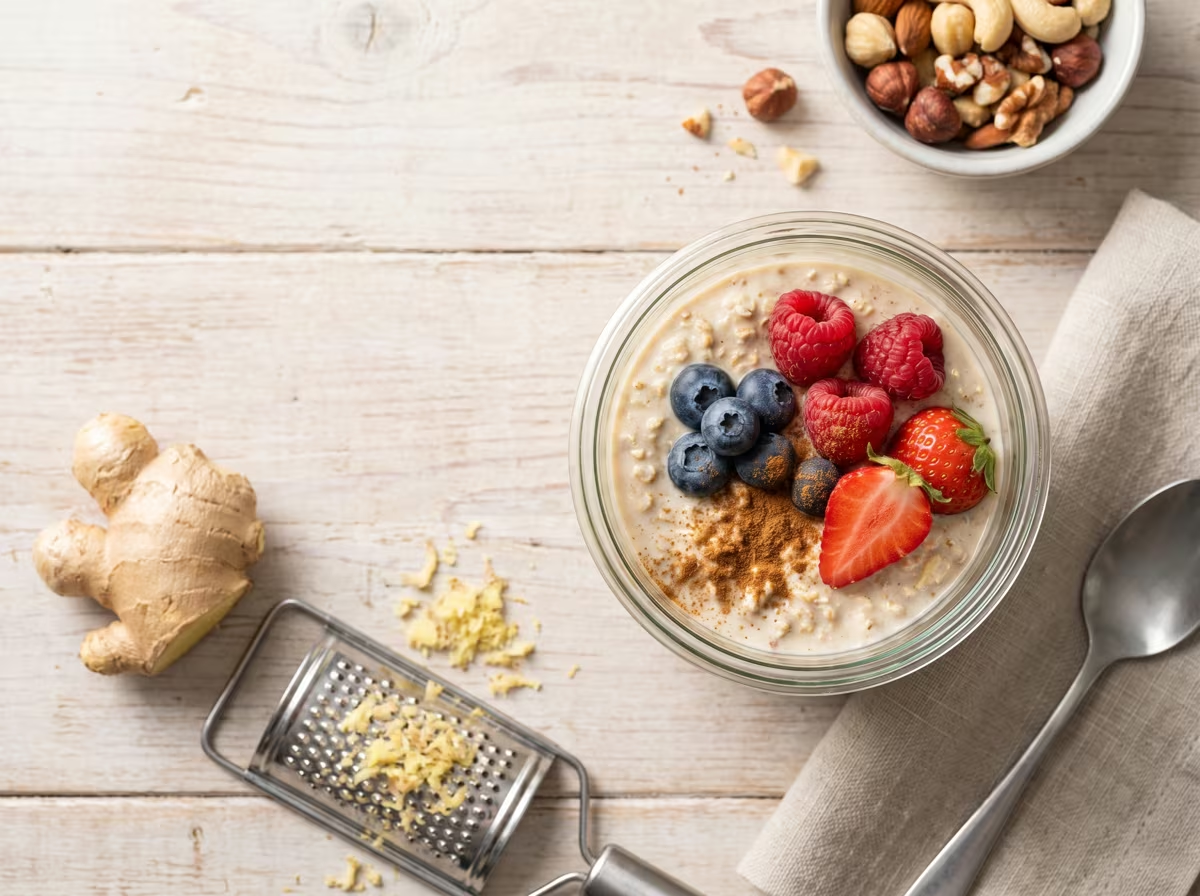
Pomegranate seeds also make an outstanding topping over warm anti-inflammatory porridge oats or blended into a breakfast smoothie. Whole seeds are always preferable to pure juice because they provide dietary fibre alongside beneficial flavonoids and contain less concentrated fruit sugar.
Fresh seeds, juice or frozen?
- Fresh seeds: the gold standard—delivering dietary fibre and minimal free sugars.
- Frozen seeds: convenient, available year-round, and nutritionally equivalent.
- Unsweetened juice: the form utilised in many clinical trials, but devoid of fibre and higher in free sugars—enjoy only in moderation.
Vegan & for weight loss
Made with a plant-based alternative, this pomegranate yoghurt bowl is entirely vegan. Choosing a high-protein base (such as skyr or fortified soya yoghurt) without added sugar makes it particularly effective for weight management—the seeds deliver natural sweetness and crunch alongside moderate sugar levels.
An honest appraisal
The clinical evidence supporting pomegranate polyphenols is solid; however, many studies utilised concentrated juice or extracts at higher doses than a single handful of seeds provides. The benefits are genuine, but moderate. The pomegranate bowl is not a medical cure, but rather a delicious, polyphenol-dense staple of an anti-inflammatory diet. Pomegranate can interact with the metabolism of certain prescription medications—anyone taking regular pharmaceuticals should consult their GP or pharmacist before consuming large quantities daily.
Frequently asked questions about the pomegranate bowl
Is pomegranate genuinely anti-inflammatory?
Yes. Pomegranate is rich in punicalagins and ellagitannins that inhibit inflammatory signalling pathways (NF-κB). Studies confirm reductions in inflammatory markers and improved vascular markers.
Seeds or juice?
Whole seeds are superior: they provide intact dietary fibre and far less free sugar than bottled juice.
Are frozen pomegranate seeds as good as fresh?
Yes, frozen seeds retain their polyphenols and offer year-round convenience.
What is the easiest way to remove pomegranate seeds?
Cut the fruit in half and firmly strike the skin side with the back of a wooden spoon—the seeds will fall straight out.
Is this bowl suitable for weight loss?
Yes, especially when paired with a high-protein yoghurt base and made without added sugars.
Can pomegranate interact with medications?
Yes. Much like grapefruit, it can alter the breakdown of certain medicines in the liver. Always consult your GP if on long-term medication.
Can I make the bowl vegan?
Yes, simply use unsweetened soya, coconut or almond yoghurt.
How much pomegranate should I use per serving?
The seeds from half a medium pomegranate provide an ideal, nutrient-dense daily portion.
Summary
The pomegranate bowl delivers concentrated polyphenol power to the breakfast table—featuring punicalagins and ellagitannins with proven benefits for vascular health and inflammatory markers. Complemented by probiotics and omega-3 fatty acids from walnuts, it stands out as one of the most antioxidant-rich morning meals available. Discover more inspiration in our comprehensive anti-inflammatory breakfast guide.
Scientific sources & references
Systematic reviews, meta-analyses and controlled clinical trials relevant to this article. All links verified on 16/08/2026.
- Asgary S, Keshvari M, Sahebkar A et al.: Pomegranate Consumption and Blood Pressure: A Review. Current pharmaceutical design 2017. PubMed 27748197. DOI: 10.2174/1381612822666161010103339.
- Kobylińska Z, Bochno A, Och E et al.: Phytochemical Diversity of <i>Punica granatum</i> L. and Its Multi-Target Biological Functions. 2026. PubMed 42075117. DOI: 10.3390/nu18081306.
- Caminiti R, Mazza V, Maiuolo J et al.: The Significant Antioxidant Effect Exerted by Pomegranate (<i>Punica granatum</i>): The Hidden Polyphenols. 2026. PubMed 41897423. DOI: 10.3390/antiox15030276.
- Mihaylova R, Elincheva V, Momekov G et al.: Unlocking the Therapeutic Potential of Ellagitannins: A Comprehensive Review of Key Representatives. 2025. PubMed 41302388. DOI: 10.3390/molecules30224328.
- Noreen S, Hashmi B, Aja PM et al.: Phytochemicals and pharmacology of pomegranate (<i>Punica granatum</i> L.): nutraceutical benefits and industrial applications: a review. 2025. PubMed 40212725. DOI: 10.3389/fnut.2025.1528897.
- Cordiano R, Gammeri L, Di Salvo E et al.: Pomegranate (Punica granatum L.) Extract Effects on Inflammaging. Molecules (Basel, Switzerland) 2024. PubMed 39275022. DOI: 10.3390/molecules29174174.
- Maphetu N, Unuofin JO, Masuku NP et al.: Medicinal uses, pharmacological activities, phytochemistry, and the molecular mechanisms of Punica granatum L. (pomegranate) plant extracts: A review. Biomedicine & pharmacotherapy = Biomedecine & pharmacotherapie 2022. PubMed 36076615. DOI: 10.1016/j.biopha.2022.113256.
- Venusova E, Kolesarova A, Horky P et al.: Physiological and Immune Functions of Punicalagin. Nutrients 2021. PubMed 34201484. DOI: 10.3390/nu13072150.