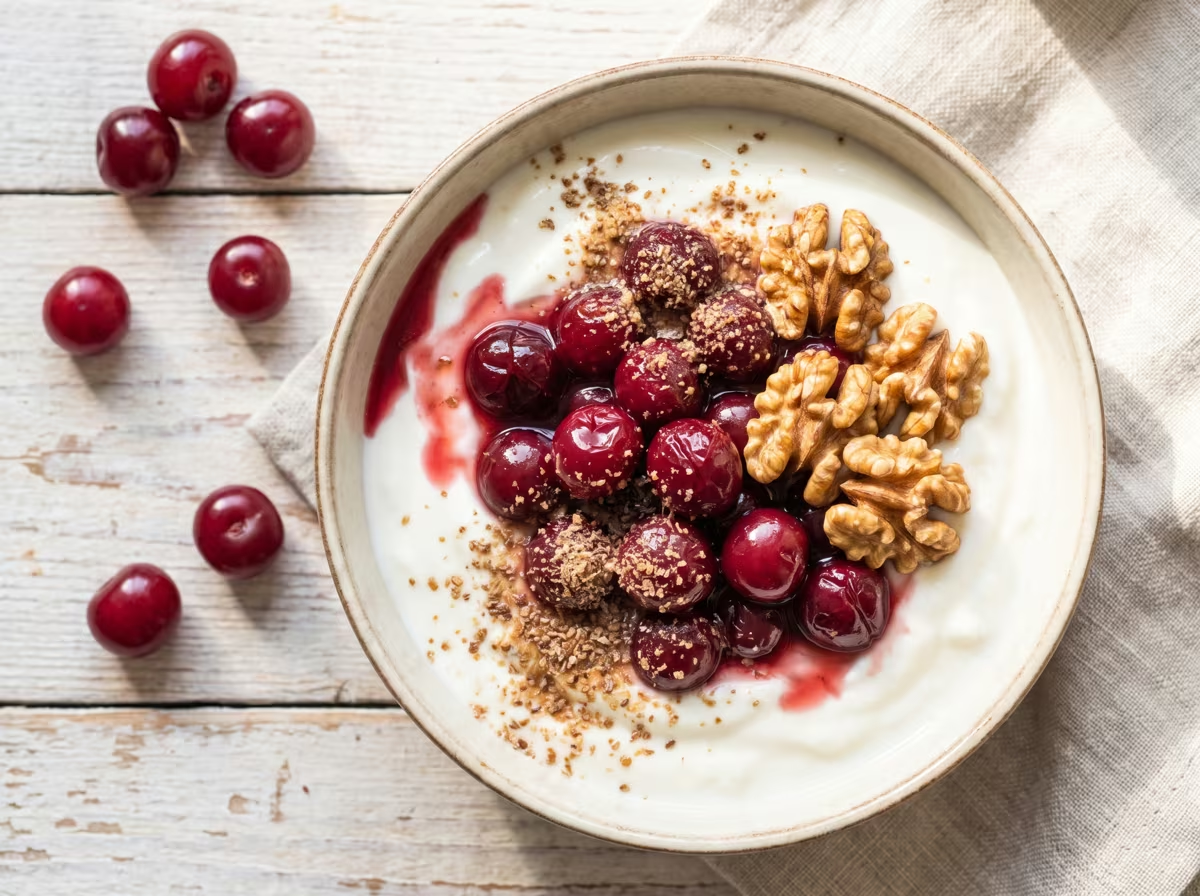
If you are exploring nutritious sour cherry breakfast recipes, this anti-inflammatory bowl is built around one of nature’s most thoroughly researched functional ingredients: Montmorency cherries. Combined with natural yoghurt, walnuts and flaxseeds, it creates a balanced morning meal whose hero ingredient—the anthocyanin-rich tart cherry—has been investigated in clinical trials for lowering inflammatory markers and accelerating muscle recovery after exercise. Here is the full recipe alongside the underlying science.
Why Montmorency Cherries Are the Star Ingredient
Sour cherries are exceptionally rich in anthocyanins—vibrant red-purple polyphenols known to modulate pro-inflammatory signalling cascades, including the pivotal NF-κB pathway and COX enzymes. This biochemical mechanism explains why tart cherry consumption is consistently linked in clinical studies with reduced systemic inflammation and lower oxidative stress. In scientific research, these physiological changes are tracked through key inflammatory markers such as CRP and IL-6.
The Clinical Evidence – Remarkable for Whole Fruit
Inflammatory Markers
Several controlled human trials evaluating Montmorency tart cherry juice and concentrate report a statistically significant reduction in serum CRP and IL-6. Whilst individual effect sizes are moderate, the anti-inflammatory response remains remarkably consistent across diverse study cohorts.
Muscle Recovery After Exercise
The most robustly validated benefit of tart cherries is their capacity to accelerate muscle recovery following strenuous physical exertion. Studies conducted with endurance runners and strength athletes demonstrate diminished delayed-onset muscle soreness (DOMS), faster recovery of maximal force production, and lower post-exercise inflammatory markers. For physically active individuals, enjoying a cherry bowl first thing in the morning offers targeted nutritional support.
Additional Health Benefits
Observational and preliminary intervention data suggest a reduced frequency of gout flare-ups, mediated by enhanced uric acid excretion and anti-inflammatory action. Furthermore, because sour cherries naturally contain trace amounts of melatonin and phytonutrients that support tryptophan metabolism, small-scale trials have observed modest improvements in sleep quality. Both outcomes are promising, though larger trials are required for definitive proof.
The Other Key Ingredients in Your Cherry Bowl
- Natural yoghurt or kefir: Supplies live probiotic cultures for gut microbiome health—fermented dairy products are supported by NHS and British Dietetic Association guidelines as foundational foods with recognised anti-inflammatory properties. You can also blend these ingredients to create a gut-friendly cherry kefir base.
- Walnuts: Deliver plant-based alpha-linolenic acid (ALA omega-3) and protective polyphenols.
- Milled flaxseeds: Provide essential ALA omega-3, lignans, and soluble dietary fibre (meta-analyses demonstrate measurable reductions in circulating CRP).
- Cinnamon: Adds complementary polyphenols whilst helping to support postprandial blood glucose regulation.
Sour Cherry Breakfast Recipes: The Classic Cherry Bowl (1 Serving)
Ingredients: 200 g natural yoghurt or kefir · 1 generous handful of sour cherries (frozen and defrosted, or fresh when in season) · 1 tbsp walnuts (roughly chopped) · 1 tbsp milled flaxseeds · ½ tsp ground cinnamon · optional 1 tsp raw honey.
Method:
- Defrost frozen sour cherries in the fridge overnight or for a few hours prior—they will release rich, ruby-red juices packed with polyphenols.
- Spoon your natural yoghurt or kefir into a breakfast bowl, then top with the sour cherries and their natural juices.
- Scatter over the walnuts, milled flaxseeds and cinnamon, sweetening lightly with honey if desired. For a higher-carbohydrate variation on active training mornings, fold these toppings into warm porridge oats to create nourishing cherry oats.
Fresh, Frozen, Juice or a Tart Cherry Smoothie?
Most clinical trials utilise tart cherry juice or concentrate because it provides a standardised, concentrated dose of anthocyanins. For everyday morning meals, frozen sour cherries represent the ideal all-round option: available year-round in UK supermarkets, economical, and retaining their full dietary fibre matrix. You can also blend them with yoghurt or plant milk into a refreshing tart cherry smoothie. Crucially, always select unsweetened fruit—syrup-packed or heavily sweetened varieties counteract the metabolic benefits.
Why Choose Sour Cherries Over Sweet Cherries?
While sweet cherries are nutritious, sour cherries (specifically the Montmorency variety) contain significantly higher concentrations of total anthocyanins and represent the exact cultivar used in clinical research. For targeted anti-inflammatory and exercise-recovery benefits, tart cherries remain the superior choice.
Vegan Variations & Weight Management
To prepare a plant-based bowl, simply swap dairy for an unsweetened soya, oat, or coconut yoghurt enriched with live cultures. For weight management, use a high-protein base such as Greek yoghurt, skyr, or British-made quark (offering prolonged satiety) and omit the honey—sour cherries provide ample natural fruit acidity and delicate sweetness without the need for refined sugar.
An Honest Assessment of the Science
Sour cherries are exceptionally well-researched for a single whole food, yet many existing studies involve modest sample sizes and some industry funding. The evidence is most reliable for muscle recovery and athletic performance; observed improvements in systemic inflammatory markers, uric acid levels, and sleep parameters are genuine but moderate. Unlike decadent sour cherry dessert recipes laden with added sugars, this breakfast bowl is a nutrient-dense, enjoyable dietary habit to support lower baseline inflammation—not a replacement for prescribed medical treatment.
Frequently Asked Questions About the Cherry Bowl
Are sour cherries genuinely anti-inflammatory?
Yes—their high anthocyanin content inhibits inflammatory signalling pathways, and multiple clinical trials show measurable reductions in CRP and IL-6 alongside enhanced recovery after exercise.
Should I choose sour cherries or sweet cherries?
Sour cherries (Montmorency) contain far higher concentrations of anthocyanins and are the specific variety validated in clinical trials, making them the more effective option.
Are frozen sour cherries as beneficial as fresh ones?
Yes. They are harvested at peak ripeness and rapidly flash-frozen, preserving their anthocyanins, vitamins and dietary fibre while remaining accessible all year round.
Does this bowl help relieve post-workout muscle soreness?
Yes. This is the most extensively documented benefit of tart cherries: reduced exercise-induced muscle damage, less soreness, and faster functional strength recovery.
What is the recommended serving size for sour cherries?
A standard handful (approx. 80–100 g fresh or defrosted). Ensure they are unsweetened, as candied or glacé cherries are excessively high in free sugars.
Can I prepare this recipe as a vegan meal?
Yes, simply use an unsweetened plant yoghurt made from soya, almond, or coconut containing active live cultures.
What can I substitute if sour cherries are unavailable?
If you cannot source tart cherries, dark berries such as blackberries or blueberries provide useful amounts of anthocyanins, though in lower concentrations than Montmorency cherries.
Is this breakfast bowl suitable for weight loss?
Yes, particularly when paired with a high-protein foundation (such as authentic Greek yoghurt, skyr, or quark) and prepared without added sugar or syrups.
Summary
This vibrant cherry bowl places one of the most extensively researched functional fruits at the centre of your morning routine—complemented by live probiotics, plant-based omega-3s, and prebiotic fibre. As one of the quickest and most versatile sour cherry breakfast recipes, it delivers steady energy without sharp blood glucose spikes. Learn more about anthocyanin benefits in our guide to blueberries and health, or discover further inspiration in our anti-inflammatory breakfast guide.
References and Sources
Systematic reviews, meta-analyses and controlled clinical trials relating to this article. All links were checked for accessibility on 16/08/2026.
- Koziara Z, Micioni Di Bonaventura MV, Cifani C. et al.: Tart cherries (<i>Prunus cerasus</i>) and metabolic health in overweight and obesity: evidence from preclinical and clinical studies. 2026. PubMed 42221777. DOI: 10.3389/fnut.2026.1828579.
- Zhu Y, Smith J, Cohn A. et al.: The effect of Montmorency tart cherry consumption on athletic performance and post-exercise recovery in healthy adults: a scoping review. 2026. PubMed 42146083. DOI: 10.3389/fnut.2026.1794292.
- Barforoush F, Ebrahimi S, Abdar MK et al.: The Effect of Tart Cherry on Sleep Quality and Sleep Disorders: A Systematic Review. 2025. PubMed 40964149. DOI: 10.1002/fsn3.70923.
- Gao R, Rapin N, Andrushko JW et al.: The effect of tart cherry juice compared to a sports drink on cycling exercise performance, substrate metabolism, and recovery. PloS one 2024. PubMed 39141644. DOI: 10.1371/journal.pone.0307263.
- Hill JA, Keane KM, Quinlan R et al.: Tart Cherry Supplementation and Recovery From Strenuous Exercise: A Systematic Review and Meta-Analysis. International journal of sport nutrition and exercise metabolism 2021. PubMed 33440334. DOI: 10.1123/ijsnem.2020-0145.
- Gao R, Chilibeck PD: Effect of Tart Cherry Concentrate on Endurance Exercise Performance: A Meta-analysis. Journal of the American College of Nutrition 2020. PubMed 31986108. DOI: 10.1080/07315724.2020.1713246.
- Vitale KC, Hueglin S, Broad E et al.: Tart Cherry Juice in Athletes: A Literature Review and Commentary. Current sports medicine reports 2017. PubMed 28696985. DOI: 10.1249/JSR.0000000000000385.