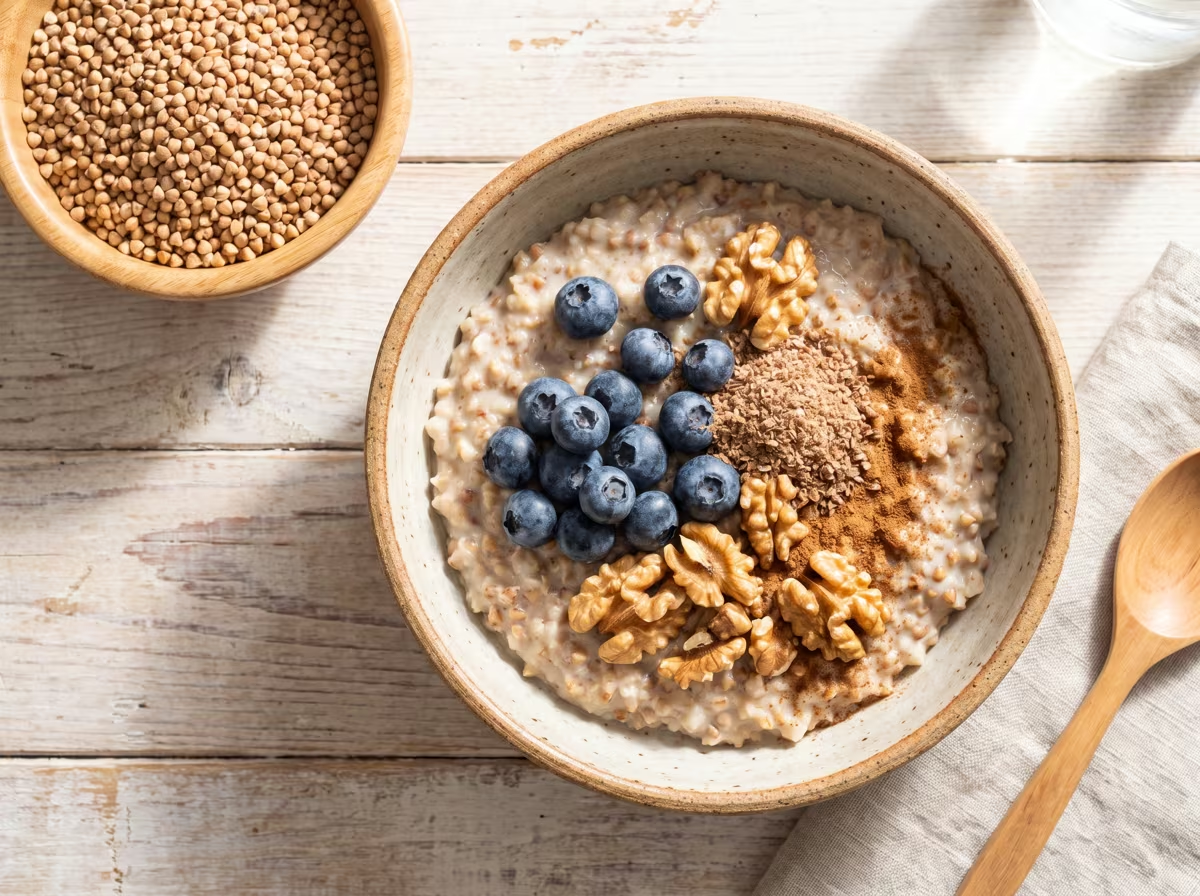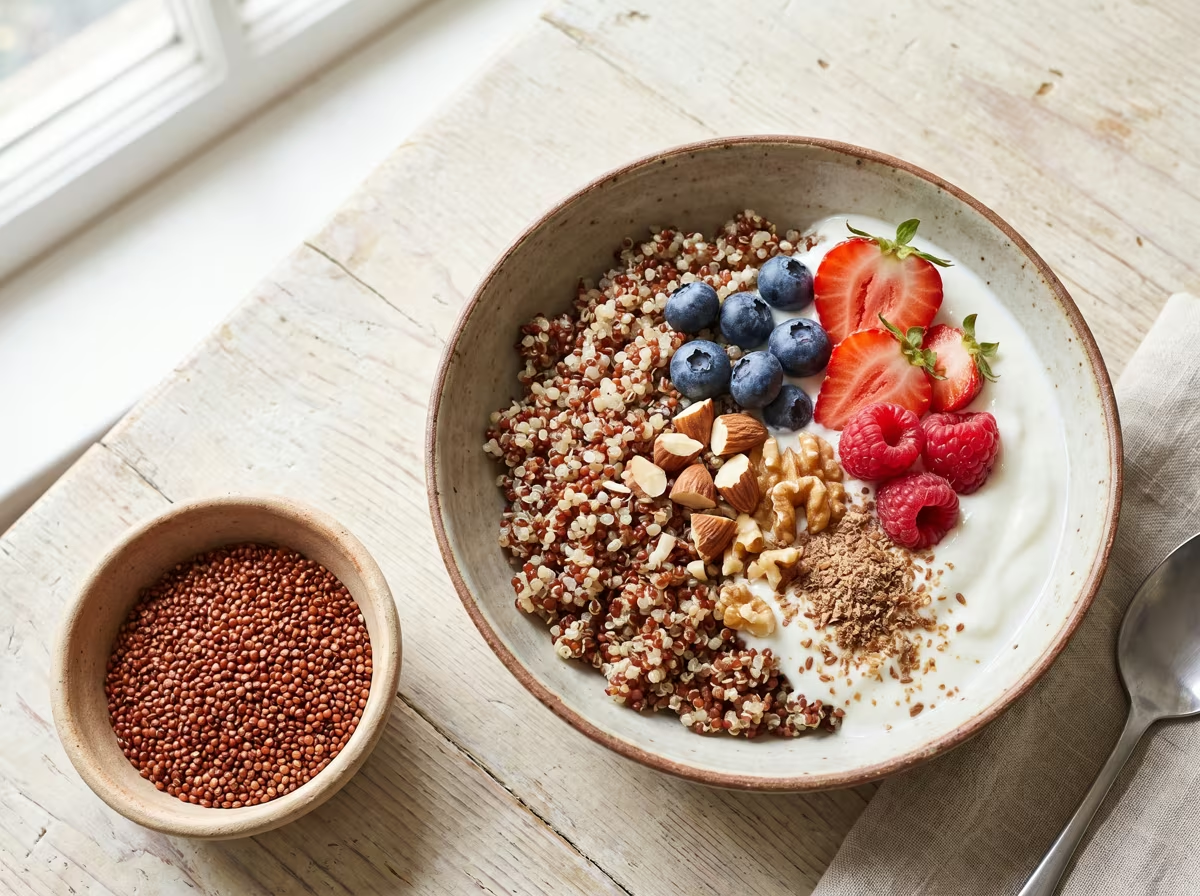
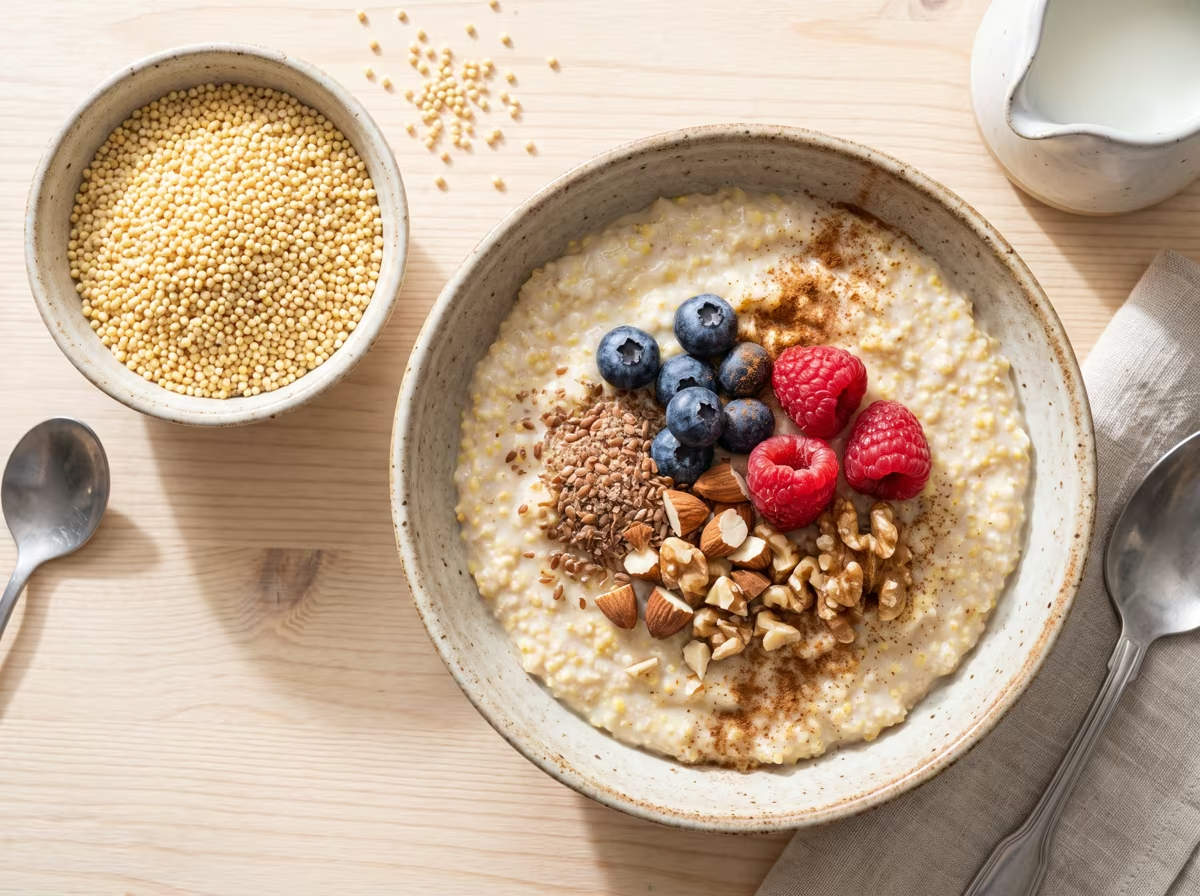
Millet porridge is an underrated anti-inflammatory breakfast: this gluten-free ancient grain is rich in resistant starch and essential minerals, keeping blood sugar stable through particularly slow digestion. In a study involving people with diabetes, regular millet consumption even improved insulin resistance. Gently cooked and served warm with berries and nuts, it makes a filling, anti-inflammatory bowl. Here is the recipe and the science behind it.
Is millet good for breakfast? Why it is anti-inflammatory
Millet is a gluten-free grain that is digested slowly: gastric emptying takes significantly longer than with many other grains, helping to prevent sharp blood sugar spikes. It is precisely these spikes that fuel oxidative stress and low-grade inflammation. In addition, millet delivers resistant starch, which is fermented in the large intestine into the anti-inflammatory short-chain fatty acid butyrate, alongside antioxidant polyphenols. In clinical research, anti-inflammatory qualities are evaluated using key markers such as CRP, IL-6, and TNF-alpha.
The science in detail
Blood sugar & insulin resistance
Millet and the related grain sorghum have a slow digestion rate that flattens the rise in blood glucose following a meal. In one clinical investigation, consuming roughly ¾ cup of millet daily over six weeks improved insulin resistance and reduced long-term blood glucose (HbA1c) and cholesterol levels in participants with diabetes. Keeping blood sugar steady is one of the most effective tools against chronic low-grade inflammation.
Resistant starch & minerals
Resistant starch nourishes the gut microbiota, promoting the production of anti-inflammatory butyrate. Millet also provides generous amounts of magnesium, iron, and zinc—minerals vital for metabolic health and immune function.
Millet porridge recipe: How to cook millet porridge (1 serving)
Ingredients: 50 g millet · 250 ml plant milk or water · ½ tsp cinnamon · 1 handful of berries · 1 tbsp nuts · 1 tbsp milled flaxseeds · optional: 1 tsp honey.
Method:
- Rinse the millet thoroughly in a fine sieve with hot water (this washes away natural bitter compounds).
- Bring to the boil with the plant milk or water, then reduce the heat and simmer gently for 15–20 minutes until creamy, stirring occasionally.
- Stir in the cinnamon, then top with berries, nuts, and flaxseeds.
Quicker with millet flakes
If you are pressed for time in the morning, opt for millet flakes: they take just 3–5 minutes to cook or can be soaked overnight, making a warm breakfast quick and effortless during a busy week.
Vegan & sugar-free millet breakfast bowl
Prepared with a plant-based milk alternative, this makes a delicious vegan breakfast. For a refined-sugar-free version, sweeten naturally with mashed banana or berries—ensuring the dish retains its low glycaemic index.
An honest assessment
The evidence regarding millet and blood sugar control is encouraging, but it stems from smaller studies, and the effects are moderate. Millet porridge is not a standalone diabetes management therapy, but rather a nourishing, gluten-free component of an anti-inflammatory diet. Anyone taking prescription medication for diabetes should consult their GP before making substantial dietary changes.
Frequently asked questions about millet porridge
Is millet really anti-inflammatory?
Millet has a low glycaemic index, provides resistant starch (yielding butyrate), and supplies polyphenols. In studies, it improved blood glucose regulation and insulin resistance—both of which are intimately linked to inflammation.
Does millet contain gluten?
No, millet is naturally gluten-free and suitable for people with coeliac disease.
Why rinse millet before cooking?
A hot rinse removes bitter saponins from the grain’s outer coating, yielding a much milder, creamier porridge.
Is millet healthier than oats?
Both are nutritious choices. Porridge oats offer cholesterol-lowering beta-glucan, whilst millet is a gluten-free grain particularly rich in minerals. If you want gluten-free variety, rotate millet with buckwheat porridge and amaranth porridge.
Can you make overnight millet porridge?
Yes, when using rolled millet flakes. Whole millet grains should be gently simmered on the hob.
Is millet porridge good for weight loss?
Yes. Its slow rate of digestion provides long-lasting satiety and prevents sudden energy crashes.
What does millet taste like?
It has a mild, subtly nutty taste that pairs wonderfully with cinnamon and fruit for a comforting breakfast.
How much millet is one portion?
Around 50 g of dry millet yields a satisfying, hearty portion once cooked.
Summary
Millet porridge is a gluten-free, blood-sugar-stabilising breakfast with proven benefits for insulin resistance and metabolic markers, driven by resistant starch and antioxidant polyphenols. It provides a nutrient-dense alternative to traditional morning staples alongside the suggestions in our anti-inflammatory breakfast guide.