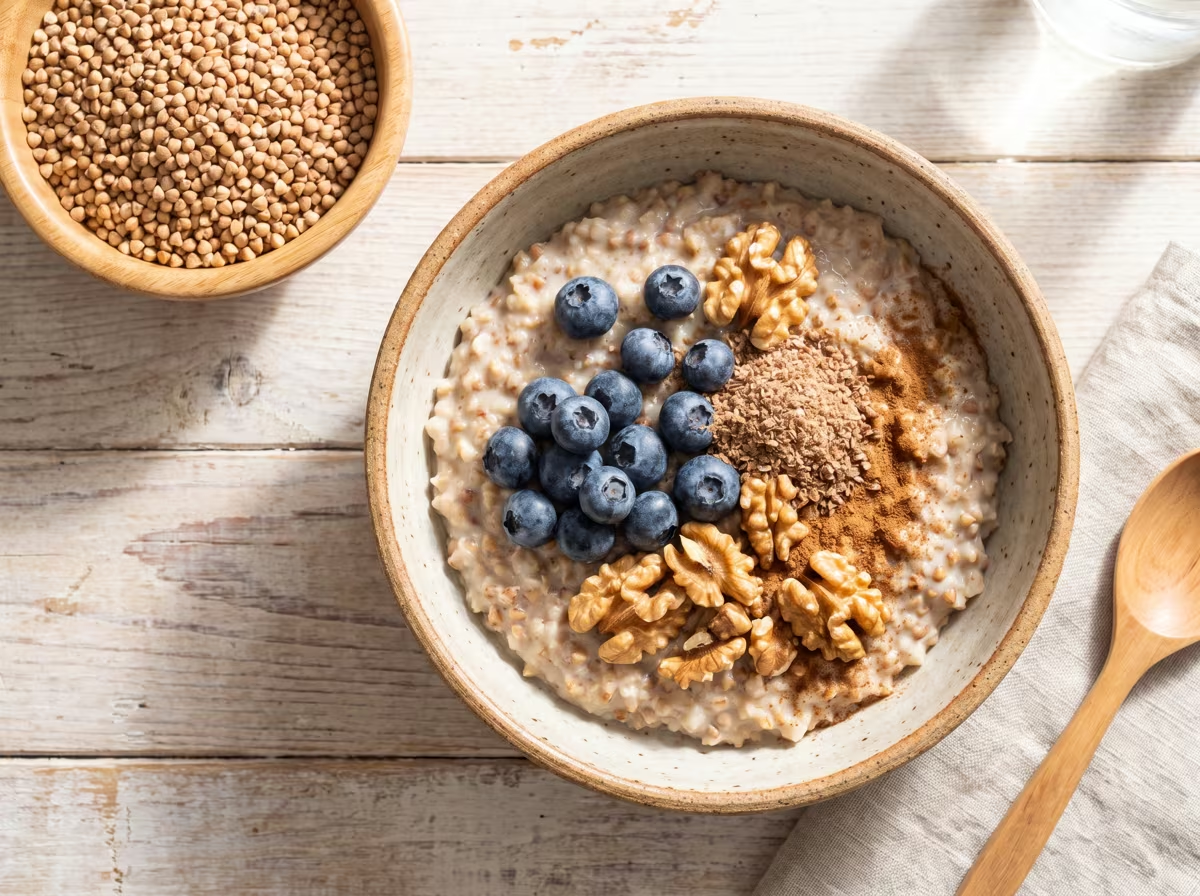
Buckwheat porridge is an anti-inflammatory breakfast whose hero ingredient has nothing to do with wheat: buckwheat is a gluten-free pseudocereal packed with unique plant compounds shown in clinical trials to support healthy blood pressure, cholesterol, and blood sugar levels. Cooked warm with berries, cinnamon, and walnuts, it creates a deeply satisfying, anti-inflammatory gluten-free breakfast. Here is the complete method alongside the science-backed evidence.
Buckwheat and Gluten: Why It Fights Inflammation
Despite its name, buckwheat is completely unrelated to wheat and contains no gluten. It provides the rare compound fagopyritol (D-chiro-inositol) and the flavonoid rutin, both documented in research for their vascular health benefits and their capacity to assist blood glucose regulation and blood pressure management. Buckwheat is also rich in resistant starch and dietary fibre, which are fermented in the colon into beneficial short-chain fatty acids such as butyrate. In clinical research, anti-inflammatory quality is measured via biomarkers such as CRP, IL-6, and TNF-alpha – and a low glycaemic index, as offered by buckwheat, helps prevent the sharp glucose spikes that fuel oxidative stress and inflammation.
The Science in Detail
Rutin & Fagopyritol
Rutin is an antioxidant flavonoid that supports vascular health and dampens inflammatory pathways. Fagopyritol plays a key role in insulin signalling; studies point towards improved blood glucose regulation. Together, they make buckwheat one of the most remarkable pseudocereals for anyone looking for an anti-inflammatory breakfast that maintains steady energy levels throughout the morning.
Resistant Starch & Low GI
Buckwheat is digested slowly, promoting steady blood sugar control. Its resistant starch nourishes beneficial gut microbiota, which produce butyrate (a vital short-chain fatty acid) to support the gut barrier and reduce systemic inflammation – a core mechanism that makes whole grains and pseudocereals naturally anti-inflammatory.
Gluten-Free & Nutrient-Dense
Buckwheat also delivers magnesium, iron, zinc, and high-quality plant protein containing all essential amino acids. For individuals with coeliac disease or non-coeliac gluten sensitivity, it represents a safe, nutrient-dense alternative to traditional cereal grains.
Buckwheat Porridge Recipe (1 Serving)
Ingredients: 50 g buckwheat (whole groats or flakes) · 250 ml plant milk or water · ½ tsp cinnamon · 1 handful of berries · 1 tbsp walnuts · 1 tbsp milled flaxseeds · optional 1 tsp honey.
How to make buckwheat porridge:
- Rinse whole buckwheat groats thoroughly in cold water before cooking (this softens any natural bitterness). Buckwheat flakes can be used straight away without rinsing.
- Bring to the boil with your chosen plant milk, then simmer gently over a low heat for 8–10 minutes (3–5 minutes if using flakes) until thick and creamy.
- Stir in the cinnamon, transfer to a bowl, and top with fresh berries, walnuts, and milled flaxseeds.
Overnight Buckwheat Porridge (Cold Prep)
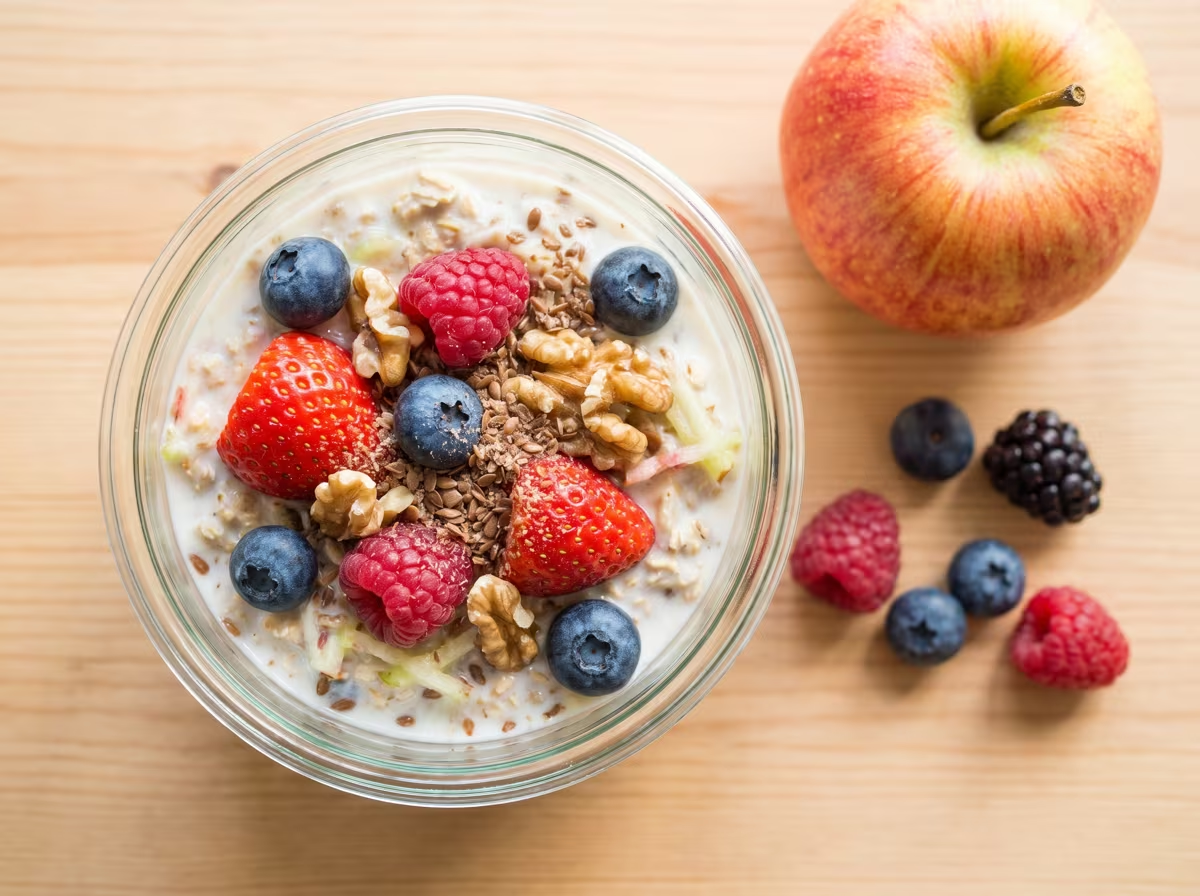
Buckwheat flakes can easily be soaked overnight in plant milk and yoghurt just like overnight oats – making them ideal for weekday meal prep. You will recognise the technique from our overnight oats recipe, but here gluten-free buckwheat takes centre stage.
Vegan & Sugar-Free Options
Prepared with unsweetened plant milk, this buckwheat porridge is naturally vegan. For a strictly sugar-free version, sweeten the bowl using mashed banana or fresh berries – this preserves a low glycaemic load whilst adding natural sweetness.
An Honest Assessment
Studies investigating rutin, fagopyritol, and resistant starch demonstrate plausible, predominantly moderate benefits, partly derived from small-scale clinical trials. Buckwheat porridge is not a medical treatment, but it serves as a wholesome, gluten-free, blood-sugar-stabilising cornerstone of an anti-inflammatory diet – particularly valuable for anyone who chooses or needs to avoid wheat.
Frequently Asked Questions About Buckwheat Porridge
Is buckwheat genuinely anti-inflammatory?
Buckwheat provides rutin and fagopyritol (supporting vascular health and healthy blood sugar) as well as resistant starch (which ferments into butyrate) and boasts a low glycaemic index – all proven anti-inflammatory properties.
Does buckwheat contain gluten?
No. Despite its name, buckwheat is a gluten-free pseudocereal and is entirely safe for people with coeliac disease.
Why should you rinse whole buckwheat?
Whole buckwheat groats can have a slightly bitter outer coating; a quick rinse in a fine sieve before cooking softens the flavour. Buckwheat flakes do not require rinsing.
Is buckwheat healthier than porridge?
Both offer excellent health benefits. Traditional porridge oats excel with cholesterol-lowering beta-glucan fibre, whilst buckwheat is naturally gluten-free and rich in rutin. Alternating between the two gives you the best of both worlds.
Can you eat buckwheat porridge cold?
Yes, an overnight buckwheat porridge made with flakes and soaked in plant milk is ideal for quick breakfasts on the go.
Is buckwheat porridge good for weight loss?
Yes. Its low glycaemic index and high content of dietary fibre and resistant starch promote long-lasting satiety and prevent energy crashes.
Can I use buckwheat flour instead of whole groats or flakes?
Whole groats or rolled flakes produce a far superior porridge texture; buckwheat flour is better suited to pancakes, blinis, or savoury galettes.
What does buckwheat taste like?
It has a warm, nutty, and slightly earthy flavour. Paired with cinnamon, fresh berries, and a light touch of sweetness, it makes a wonderfully comforting breakfast bowl.
Summary
Buckwheat porridge is an anti-inflammatory, gluten-free breakfast offering genuine nutritional power: rutin, fagopyritol, and resistant starch support vascular health and steady blood glucose regulation. Whether enjoyed warm or chilled overnight, vegan or sugar-free, it makes a valuable addition alongside the classics in our anti-inflammatory breakfast guide.
References & Further Reading
Systematic reviews, meta-analyses, and controlled trials relevant to this article. All links were checked for accessibility on 16/08/2026.
- Sharma S, Kumar S, Singh RK et al.: A Recent Advance on Phytochemicals, Nutraceutical and Pharmacological Activities of Buckwheat. Combinatorial chemistry & high throughput screening 2024. PubMed 37818573. DOI: 10.2174/0113862073265824231004115334.
- Muvhulawa N, Dludla PV, Ziqubu K et al.: Rutin ameliorates inflammation and improves metabolic function: A comprehensive analysis of scientific literature. Pharmacological research 2022. PubMed 35257898. DOI: 10.1016/j.phrs.2022.106163.
- Valido E, Stoyanov J, Gorreja F et al.: Systematic Review of Human and Animal Evidence on the Role of Buckwheat Consumption on Gastrointestinal Health. Nutrients 2022. PubMed 36615659. DOI: 10.3390/nu15010001.
- Raguindin PF, Adam Itodo O, Stoyanov J et al.: A systematic review of phytochemicals in oat and buckwheat. Food chemistry 2021. PubMed 32950005. DOI: 10.1016/j.foodchem.2020.127982.
- Zhu F: Chemical composition and health effects of Tartary buckwheat. Food chemistry 2016. PubMed 26948610. DOI: 10.1016/j.foodchem.2016.02.050.
- Kreft M: Buckwheat phenolic metabolites in health and disease. Nutrition research reviews 2016. PubMed 27046048. DOI: 10.1017/S0954422415000190.
- Giménez-Bastida JA, Zieliński H: Buckwheat as a Functional Food and Its Effects on Health. Journal of agricultural and food chemistry 2015. PubMed 26270637. DOI: 10.1021/acs.jafc.5b02498.