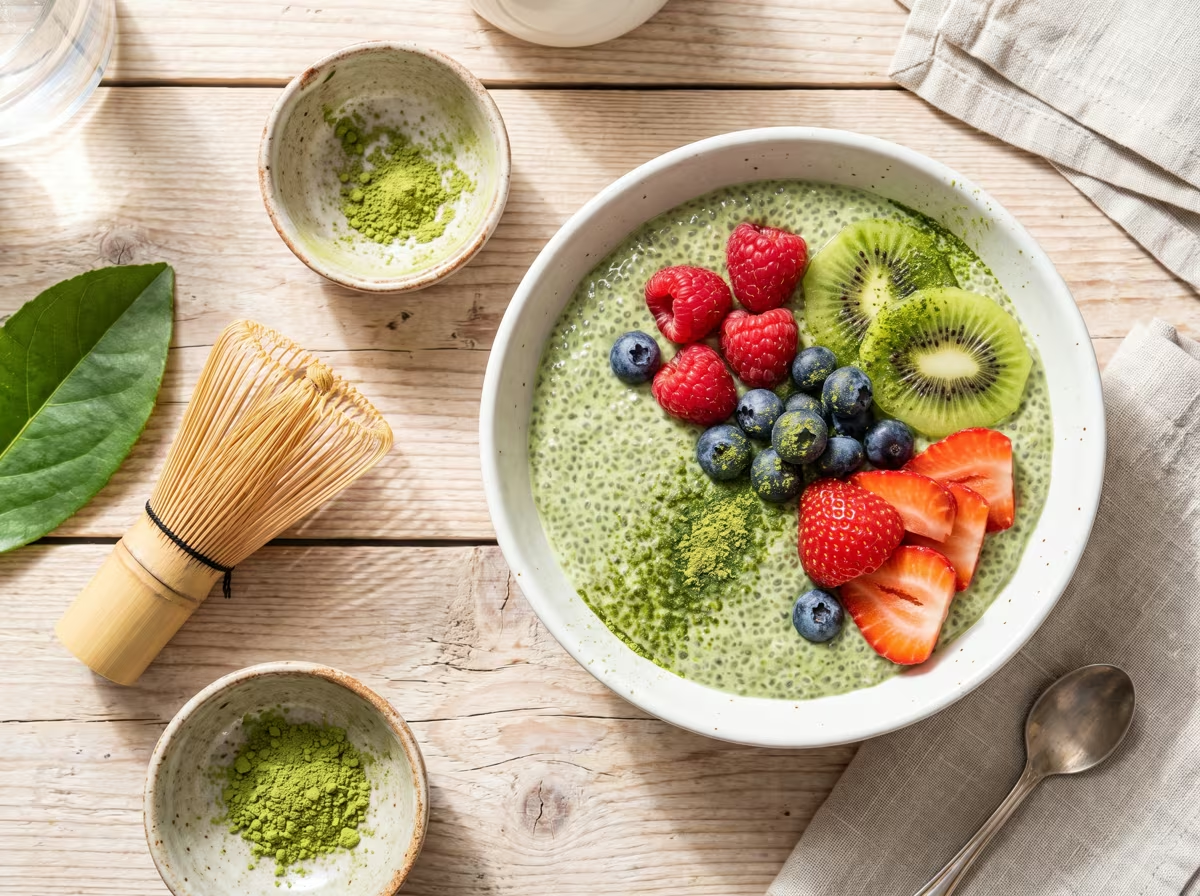
A matcha breakfast bowl puts anti-inflammatory nutrition front and centre: matcha—finely ground green tea powder—is exceptionally rich in the catechin EGCG, one of the most thoroughly researched plant-based antioxidants. When combined with chia seeds, berries and natural yoghurt, it creates a creamy, energising morning meal built on proven anti-inflammatory components, without the dreaded sugar crash. Here is the breakfast bowl recipe and the science behind it.
Why matcha combats cellular inflammation
With matcha, you consume the entire tea leaf rather than just an infusion, meaning you absorb significantly more catechins than from standard brewed green tea. The most prominent among them, EGCG (epigallocatechin gallate), has potent antioxidant properties and has been shown in studies to inhibit pro-inflammatory signalling pathways, including the NF-κB pathway. In clinical research, anti-inflammatory effects are measured via biomarkers such as CRP and IL-6; for green tea and its catechins, meta-analyses demonstrate clear beneficial effects on oxidative stress and inflammatory markers. Find out more background in our guide on green tea benefits and mechanisms.
Matcha breakfast recipes: Key ingredients in detail
Matcha – EGCG and L-theanine
Alongside EGCG, matcha provides the amino acid L-theanine, which works synergistically with caffeine to deliver sustained, calm alertness without the jitters often associated with coffee. For this bowl, ½ to 1 teaspoon of matcha is plenty. Because catechins are sensitive to heat, avoid mixing matcha with boiling water or scalding milk; use warm (around 70–80 °C) or cold liquids instead.
Chia seeds – Dietary fibre and ALA
Chia seeds absorb liquid to form a thick gel, supplying the plant-based omega-3 fatty acid ALA alongside soluble dietary fibre. They give the bowl its creamy texture, promote long-lasting satiety and help slow glucose absorption. You may already be familiar with this principle from chia seed pudding—here, matcha is the additional anti-inflammatory star.
Berries, matcha yogurt bowl toppings & kiwi
Berries contribute protective anthocyanins, natural yoghurt or kefir delivers live probiotics, and kiwi pairs exceptionally well with matcha whilst providing a rich boost of vitamin C. Together, they create a breakfast bowl supported by multiple anti-inflammatory pillars.
Basic recipe: Matcha breakfast bowl (1 serving)
Ingredients: 1 tsp matcha · 200 ml unsweetened plant-based milk alternative · 3 tbsp chia seeds · 100 g natural yoghurt or kefir · 1 handful of berries · ½ kiwi · optional 1 tsp honey.
Method:
- Whisk the matcha with a small splash of warm plant milk until smooth and free of lumps, then stir in the remaining liquid.
- Stir in the chia seeds and leave to swell for at least 15 minutes—or ideally overnight in the fridge.
- Top with natural yoghurt or kefir, fresh berries and sliced kiwi.
Matcha porridge as a warm alternative
During the colder months, you can easily adapt this into a warm breakfast: cook your porridge oats until creamy, allow them to cool slightly, and only then stir in the matcha powder (do not boil it, otherwise the delicate catechins will degrade). This pairs cholesterol-lowering oat beta-glucan directly with EGCG.
Vegan & sugar-free variations
Using a plant-based yoghurt alternative makes the matcha breakfast bowl completely vegan. For a sugar-free version, simply leave out the honey—the berries and kiwi provide ample natural sweetness alongside a low glycaemic load.
An evidence-based perspective
The scientific evidence connecting green tea to reduced inflammatory markers is solid, though the overall effects are moderate, and many clinical trials have utilised concentrated green tea extracts. A matcha breakfast bowl does not replace a balanced, varied diet. Keep in mind that matcha contains caffeine: caffeine-sensitive individuals should keep their dose low, and overall caffeine intake should be monitored during pregnancy in line with NHS guidance. Whilst extremely high doses of isolated green tea extracts have been linked to liver strain in rare cases, standard culinary quantities in a breakfast bowl recipe are far below those levels and completely safe.
Frequently asked questions about the matcha breakfast bowl
Does matcha really reduce inflammation?
Matcha is rich in the catechin EGCG, which has demonstrated potent antioxidant and anti-inflammatory mechanisms in clinical studies (such as the down-regulation of the NF-κB pathway). As a morning staple, it provides sound nutritional support.
Why is matcha more potent than regular green tea?
With matcha, the entire green tea leaf is stone-ground and consumed, allowing you to absorb significantly higher levels of catechins compared to steeped green tea where much of the leaf matter is discarded.
Can matcha be prepared with boiling water?
It is best avoided. Catechins are heat-sensitive—using hot (70–80 °C) or cold liquids protects these delicate compounds and prevents the tea from turning unpleasantly bitter.
How much matcha should I use per serving?
½ to 1 teaspoon is ideal. This supplies an effective dose of bioactive compounds and steady alertness without becoming overly bitter or overly caffeinated.
Does matcha contain a lot of caffeine?
Yes, but the natural presence of L-theanine creates a gentler, more sustained wakefulness without the sudden spikes and crashes of coffee. Sensitive individuals should start with a lower dose.
Can this bowl be served warm?
Yes, as a warm matcha porridge—simply stir the matcha into your cooked porridge oats once they have cooled slightly from the boil.
Is a matcha bowl good for weight management?
Yes. Chia seeds and natural yoghurt promote lasting fullness whilst keeping sugars low. Using high-protein natural yoghurt or Greek-style yoghurt helps sustain satiety throughout the morning.
Which grade of matcha should I buy?
For breakfast bowls and matcha smoothie bowls, culinary-grade matcha is perfectly suited. Look for a vibrant, bright green colour, which indicates freshness and high catechin retention.
Summary
A matcha breakfast bowl makes anti-inflammatory EGCG the centrepiece of your morning: paired with chia seeds, fresh berries and natural yoghurt, it delivers a creamy, energising breakfast loaded with evidence-based nutrients and a low glycaemic load. Discover more about the underlying science in our guide on green tea benefits and mechanisms, or explore further morning inspiration in our anti-inflammatory breakfast guide.
References and further reading
Review articles, meta-analyses and controlled clinical studies relevant to this article. All links were verified on 16 August 2026.
- Ohishi T, Goto S, Monira P et al.: Anti-inflammatory Action of Green Tea. Anti-inflammatory & anti-allergy agents in medicinal chemistry 2016. PubMed 27634207. DOI: 10.2174/1871523015666160915154443.
- Sławińska P, Raczkowska E.: Matcha as a Source of Bioactive Compounds: A Review of Health-Promoting Properties and Potential Applications. 2026. PubMed 42197072. DOI: 10.3390/nu18101613.
- Niu L, Luo Y, Xie W et al.: Dietary (-)-Epigallocatechin Gallate (EGCG): State-of-the-Art Advances in Bioactivities, Bioavailability Enhancement Strategies, and Applications in Nutrition and Health. 2026. PubMed 41599929. DOI: 10.3390/nu18020317.
- Capasso L, De Masi L, Sirignano C et al.: Epigallocatechin Gallate (EGCG): Pharmacological Properties, Biological Activities and Therapeutic Potential. Molecules (Basel, Switzerland) 2025. PubMed 39942757. DOI: 10.3390/molecules30030654.
- Kochman J, Jakubczyk K, Antoniewicz J et al.: Health Benefits and Chemical Composition of Matcha Green Tea: A Review. Molecules (Basel, Switzerland) 2020. PubMed 33375458. DOI: 10.3390/molecules26010085.
- Musial C, Kuban-Jankowska A, Gorska-Ponikowska M et al.: Beneficial Properties of Green Tea Catechins. International journal of molecular sciences 2020. PubMed 32143309. DOI: 10.3390/ijms21051744.