
It is invisible, painless – yet present in almost all of us: silent or chronic inflammation. Over months or years, these processes spread through the body without us noticing a thing. That is precisely what makes them so dangerous, as they are linked to numerous long-term conditions. From visceral fat to chronic sleep deprivation, discover how low-grade inflammation develops and how you can keep it in check through simple lifestyle adjustments.
Key Points at a Glance
- Silent inflammation (chronic low-grade inflammation) develops unnoticed over years and is a recognised risk factor for many chronic illnesses.
- A major driver is visceral fat around the abdomen, which releases pro-inflammatory messenger substances.
- Exercise lowers inflammatory markers – even independently of weight loss – via specialised proteins known as myokines.
- A Mediterranean diet significantly reduced the inflammatory markers CRP and interleukin-6 in clinical research.
- Sleep, stress and dental health also directly influence the body’s inflammatory load.
Silent Inflammation: What It Is
Inflammation is initially a natural protective mechanism: in response to harmful stimuli, pathogens or injury, messenger substances such as cytokines activate the immune system. Under normal circumstances, this is a self-regulating process that subsides after a short period.
Problems arise when these processes fail to resolve properly and the immune system remains permanently active. This state is referred to as chronic low-grade or silent inflammation. Unlike acute inflammation, which presents with redness, swelling and pain, it progresses entirely unnoticed. At most, non-specific signs such as fatigue, impaired cognitive function, sleep disturbances or increased susceptibility to infections may hint at its presence. In the context of accelerated biological ageing, researchers also refer to this phenomenon as “inflammaging”.
Excess Weight and Visceral Fat as Inflammatory Drivers
One of the most significant triggers is excess body weight. As BMI increases, the inflammatory marker CRP rises steadily – this applies to excess weight from adipose tissue, not to muscular individuals. Crucially, it is not just how much fat we carry, but where it is stored.
Visceral fat surrounding the internal organs is particularly critical. It is metabolically active and releases pro-inflammatory signalling molecules; additionally, macrophages accumulate within it, further amplifying inflammation. As waist circumference expands, markers such as CRP and interleukin-6 increase noticeably. The resulting fallout can include impaired insulin sensitivity, insulin resistance, and a heightened risk of type 2 diabetes, fatty liver disease and compromised metabolic health.
Exercise: The Anti-Inflammatory Power of Myokines
Physical activity provides a two-fold benefit: it reduces body fat and enhances insulin sensitivity. When muscles contract during exercise, they release anti-inflammatory signalling compounds known as myokines. As little as two and a half hours of moderate physical activity per week can lower inflammatory markers such as CRP and interleukin-6.
What makes this remarkable is that the effect persists even after controlling for weight loss. Exercise therefore exerts a direct anti-inflammatory effect regardless of changes in body weight.
Anti-Inflammatory Nutrition
Diet also plays a fundamental role. Highly processed foods, trans fats and refined sugar promote inflammatory pathways – for every 100 grams of processed food consumed per day, CRP levels can rise by roughly 4 per cent. Conversely, a Mediterranean diet has a proven anti-inflammatory effect:
- In a randomised trial, CRP levels dropped by 39 per cent over two years
- Interleukin-6 levels decreased by 33 per cent
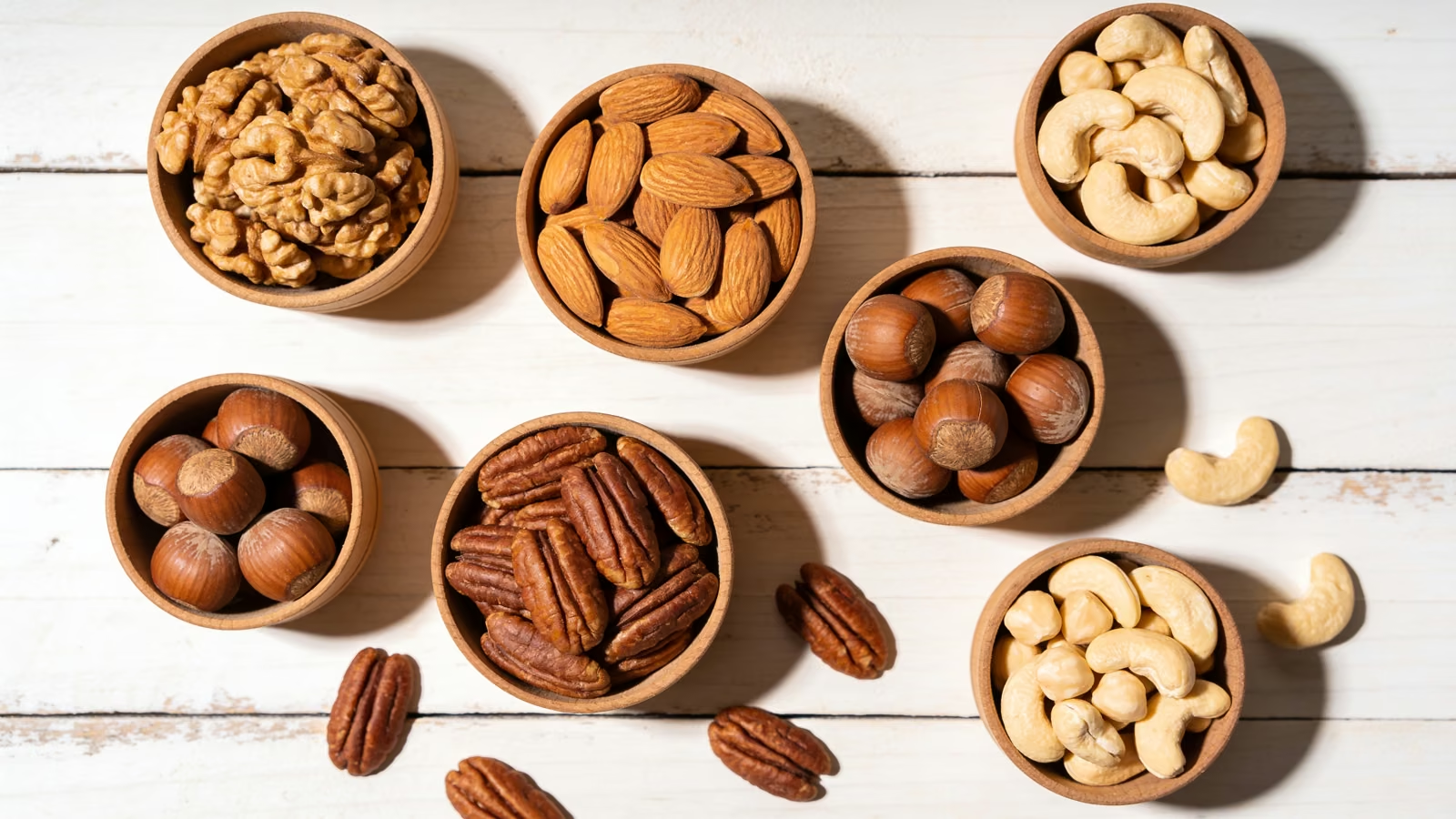
- This is attributed to antioxidants, omega-3 fatty acids and phytochemicals from vegetables, fruit, wholemeal grains, nuts, olive oil and oily fish
Sleep Deprivation, Stress and Dental Health
Several other lifestyle factors are frequently underestimated:
- Sleep: In one study, CRP and interleukin-6 rose significantly during acute sleep deprivation (4 hours of sleep instead of 8). A meta-analysis of 72 studies confirmed this link between lack of sleep, accumulating sleep debt and systemic inflammation.
- Stress: Chronic psychological stress elevates inflammatory markers via raised cortisol levels and adrenaline. Meditating three times daily reduced CRP levels by 14 per cent over eight weeks.
- Smoking and alcohol: Both increase inflammatory markers; quitting smoking allows these values to decline once again.
- Dental health: Individuals with periodontitis have more than double the CRP levels of healthy controls, as oral bacteria enter the bloodstream and drive systemic inflammation.
How to Combat Chronic Inflammation
The encouraging news is that much of this is within our control. Small, sustainable daily habits quickly add up:
- Engage in regular physical activity, aiming for at least two and a half hours each week
- Adopt a minimally processed Mediterranean diet
- Ensure sufficient, restorative rest by prioritising sleep hygiene – taking magnesium in the evening may also help
- Manage stress through meditation, mindfulness or dedicated relaxation techniques
- Maintain thorough oral hygiene and avoid smoking
Summary
Silent inflammation develops through a complex interplay of genetics, environment and lifestyle – and because it operates beneath the surface, it is especially insidious. Fortunately, we have considerable influence over these mechanisms. Increasing physical activity, eating a wholesome Mediterranean diet, prioritising sleep hygiene to prevent sleep debt, managing stress and maintaining healthy gums can measurably reduce the body’s inflammatory burden. It is not about achieving perfection, but about making conscious daily choices that protect long-term cardiovascular health and metabolic wellbeing over the years.
Frequently Asked Questions
What is silent inflammation?
A chronic, low-grade inflammation that progresses unnoticed over months or years. It is recognised as a key risk factor for cardiovascular health problems, type 2 diabetes and various other long-term illnesses.
What are the side effects of lack of sleep and silent inflammation?
Often there are no obvious symptoms initially. At most, non-specific signs such as fatigue, poor cognitive function, sleep disturbances or recurring infections point towards it. Key laboratory markers include CRP and interleukin-6.
What is the primary trigger of chronic inflammation?
Excess body weight, particularly deep visceral fat. It secretes pro-inflammatory messenger molecules that drive systemic inflammatory markers higher.
How does exercise reduce inflammation?
Contracting muscles secrete anti-inflammatory myokines during physical exertion. This protective benefit occurs independently of weight loss.
Which diet is anti-inflammatory?
A Mediterranean diet rich in vegetables, fruit, wholemeal grains, nuts, olive oil and fish. Clinical trials demonstrate that it significantly lowers CRP and interleukin-6.
Does poor sleep cause inflammatory markers to rise?
Yes. Research indicates that sleep deprivation and poor sleep cause CRP and interleukin-6 to increase. Aligning with your natural circadian rhythm and maintaining good sleep hygiene provide a protective, anti-inflammatory effect.
How is dental health connected to inflammation?
Infections in the mouth, such as periodontitis, allow bacteria into the bloodstream, intensifying systemic inflammation – affected individuals often show more than double the CRP levels.
Does stress relief help lower inflammation?
Yes. In one study, regular meditation reduced CRP levels by 14 per cent over eight weeks, whereas chronic stress elevates cortisol levels and fuels inflammation.