
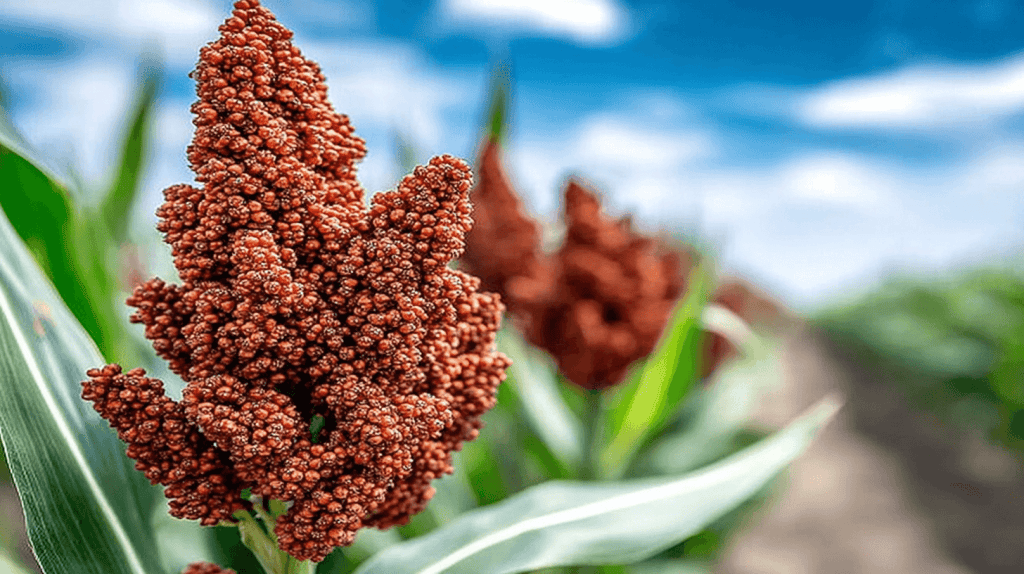
Gluten free grains offer people with coeliac disease and gluten intolerance a safe, nutrient-dense alternative to wheat, rye and barley. Yet exploring gluten-free grains is equally worthwhile for health-conscious individuals without dietary sensitivities: many of these alternatives, including sorghum, quinoa and amaranth, significantly outperform conventional cereals when it comes to nutrient density, dietary fibre and antioxidants. In this comprehensive guide, you will discover everything you need to know about gluten-free whole grains and pseudo-cereals — from a complete list to practical everyday culinary tips.
Table of Contents
- Key Takeaways
- What Are Gluten Free Grains?
- Complete Gluten-Free Grains and Flours List
- Sorghum: The Superfood Amongst Gluten Free Grains
- Quinoa, Buckwheat and Amaranth in Detail
- Millet, Rice and Teff as Dietary Staples
- Gluten-Free Grains for Baking
- Nutritional Comparison
- Gluten Free Grains and Coeliac Disease
- Culinary Uses and Recipe Ideas
- Scientific References
Key Takeaways
- Diverse Selection: There are more than 10 different gluten-free grains and pseudo-cereals available as nourishing alternatives to wheat, rye and barley.
- Sorghum Leads the Way: Among all gluten-free grains, sorghum boasts the highest concentration of secondary plant compounds, delivering 8 times more antioxidants than wheat.
- Ideal for Coeliac Disease: All naturally gluten-free whole grains and seeds are 100% safe for individuals with coeliac disease and gluten intolerance.
- Superior Nutrient Density: Many gluten-free alternatives, such as quinoa, amaranth and sorghum, surpass wheat in protein, minerals and essential vitamins.
- Baking Made Easy: With the right flour blends and binding agents, gluten-free grains can be used to bake delicious bread, cakes and pastries.
- Rich in Dietary Fibre: Sorghum, millet and quinoa in particular provide substantially more dietary fibre than refined white flour products.
- The Special Case of Oats: Pure oats are naturally gluten-free, but they are frequently exposed to cross-contamination with gluten-containing cereals — always choose certified gluten-free oats.
Basics: What Are Gluten Free Grains?
What Are Gluten Free Grains?
Gluten-free grains encompass all cereal varieties and grain-like plants (pseudo-cereals) that are naturally free from gluten. Gluten is a storage protein found predominantly in wheat, rye, barley, spelt and their related hybrids. In individuals with coeliac disease, gluten triggers an autoimmune response that leads to severe intestinal inflammation and long-term damage to health. Around 0.49% of the population are affected by coeliac disease and must adhere strictly to a lifelong gluten-free diet.
Gluten free grains provide a safe and frequently more nutrient-rich alternative. These naturally gluten-free grains do not contain gluten proteins at a genetic level and therefore do not trigger an immune reaction in coeliac patients. It is helpful to distinguish between true grains (which botanically belong to the grass family) and pseudo-cereals (grain-like seeds derived from other plant families).
Why Are Gluten-Free Grains Important?
Gluten-free whole grains play an essential role for several reasons:
Essential for Coeliac Disease: People with coeliac disease must eliminate gluten entirely to prevent bowel inflammation, malabsorption of nutrients and chronic complications. Incorporating gluten-free whole grains ensures a well-balanced, varied diet.
Beneficial for Gluten Sensitivity: Around 6% of the population experience non-coeliac gluten sensitivity, presenting with symptoms such as abdominal cramps, bloating and fatigue following gluten consumption. Gluten-free grains offer an easily digestible, symptom-free alternative.
Enhanced Nutritional Profile: Many gluten-free whole grains, such as sorghum, quinoa and amaranth, contain higher levels of protein, minerals, vitamins and phytonutrients than refined wheat flour.
Dietary Variety: Incorporating distinct gluten free foods and ancient grains broadens your culinary horizons, introducing exciting new flavours and textures to everyday meals.
What Is the Difference Between Grains and Pseudo-Cereals?
The distinction between true cereals and pseudo-cereals is straightforward:
True Grains: Botanically belonging to the grass family (Poaceae). Examples of gluten-free true grains include rice, millet, sorghum, teff and maize (corn). These plants produce grains with a characteristic anatomical structure comprising germ, endosperm and bran.
Pseudo-Cereals: These do not belong to the grass family botanically, but they produce seeds that are cooked and used in the same culinary manner as traditional grains. The primary gluten-free pseudo-cereals are quinoa (amaranth family), buckwheat (knotweed family) and amaranth (amaranth family). Pseudo-cereals often boast a superior amino acid profile compared to true cereals.
For a gluten-free diet, this botanical distinction makes no practical difference — both categories are completely gluten-free and safe to consume. What makes pseudo-cereals particularly noteworthy, however, is their exceptional nutrient density and ability to provide complete plant-based protein.
The Complete Gluten-Free Grains and Flours List
Which Grains Are Gluten-Free?
Here is the complete overview of all major gluten-free grains and seeds, pseudo-cereals and alternative flours:
True Gluten-Free Grains:
- Sorghum: An ancient grain boasting the highest antioxidant levels of all cereals (8x more than wheat)
- Millet (Panicum miliaceum): One of the oldest and smallest cultivated grains, particularly rich in silica
- Brown Millet: An exceptionally mineral-dense grain that can also be consumed finely ground without cooking
- Rice (Oryza sativa): The world’s most widely consumed staple grain, providing easily digestible energy
- Teff: A tiny Ethiopian grain with an extraordinary nutritional profile, rich in iron and calcium
- Maize / Corn (Zea mays): Naturally gluten-free, though generally lower in micronutrients than ancient grains
- Oats (Avena sativa): Naturally gluten-free but prone to cross-contamination — always use certified gluten-free porridge oats
Gluten-Free Pseudo-Cereals and Seeds:
- Quinoa (Chenopodium quinoa): A protein-packed pseudo-cereal containing all nine essential amino acids
- Buckwheat (Fagopyrum esculentum): A member of the knotweed family delivering high-quality protein and rutin
- Amaranth (Amaranthus): An ancient Andean grain rich in essential fatty acids, calcium and iron
- Kiwicha: A traditional Peruvian amaranth variety
- Cañihua: A hardy Bolivian grain closely related to quinoa
- Chia Seeds: Nutrient-dense seeds from Central America packed with omega-3 fatty acids and soluble fibre
Other Gluten-Free Flour Options:
- Lupin Flour: High-protein legume flour, excellent for baking and egg replacement
- Chestnut Flour: Milled from sweet chestnuts, naturally alkaline, slightly sweet and easy to digest
- Gram Flour (Chickpea Flour): Rich in plant protein, dietary fibre and minerals
- Almond Flour: Delicately nutty and ideal for low-carb, grain-free baking
This wide selection proves that living gluten-free does not mean settling for a limited diet. On the contrary, incorporating a variety of gluten free grains provides a broader spectrum of nutrients than a conventional wheat-based diet.
Are Oats a Gluten-Free Grain?
Oats are a unique case that often causes uncertainty. The full picture is as follows:
Yes, pure oats are naturally gluten-free: Oats (Avena sativa) do not inherently contain gluten. The primary storage protein in oats is avenin, which has a different molecular structure to the gluten found in wheat, rye and barley.
HOWEVER, cross-contamination is common: During commercial farming, harvesting and milling, standard oats are frequently handled using the same machinery, transport and processing facilities as wheat, barley and rye. This leads to significant cross-contamination.
The Solution: Certified Gluten-Free Oats: For individuals with coeliac disease, only specially packaged, certified gluten-free oats are safe. These are grown in dedicated fields, harvested with clean machinery and processed in strictly gluten-free facilities.
Individual Tolerance: A small minority (around 5%) of people with coeliac disease also react to pure avenin. If you experience symptoms, oats should be avoided altogether.
Bottom line: Oats can be a highly nutritious part of a gluten-free lifestyle, provided they are certified gluten-free and well-tolerated by your digestive system.
Sorghum: The Superfood Amongst Gluten Free Grains
Which Gluten-Free Grain Has the Most Antioxidants?
Sorghum is the undisputed champion when it comes to antioxidant content among all gluten free grains. This versatile grain outperforms all standard cereals by a wide margin:
8x More Antioxidant Power: A breakfast featuring sorghum flakes demonstrates eight times higher antioxidant activity than wholewheat breakfast cereals, as proven in comparative laboratory studies.
15-Fold Increase in Blood Antioxidants: Even more striking are the findings of a clinical trial examining sorghum pasta. When 30% of standard wheat flour was replaced with red sorghum flour, the antioxidant capacity in participants’ blood plasma rose by 15 times. This confirms that these potent antioxidants are not merely present in the food, but are readily absorbed and utilised by the human body.
Unique 3-Deoxyanthocyanins: Sorghum contains a rare class of polyphenols known as 3-deoxyanthocyanins, which are virtually unique to this grain. These plant compounds:
- Stimulate protective Phase II detoxification enzymes in the liver
- Inhibit the proliferation of cancer cells in laboratory models
- Show greater chemical stability and bioactivity than conventional anthocyanins
- Help defend cells against oxidative stress and chronic inflammation
Different Varieties of Sorghum: Sorghum is grown in several colours — white, red, black and yellow. As a rule, the darker the grain, the higher its concentration of polyphenols and antioxidants. Red and black sorghum reach antioxidant levels comparable to colourful fruits and vegetables. Whole white sorghum grain and flour are more widely available (costing approximately £3.50–£7 per 500g in specialist health food shops and online) and still comfortably surpass most standard grains.
Proven Health Benefits: The rich polyphenol profile of sorghum is associated with a reduced risk of several long-term health conditions:
- Cancer (particularly oesophageal, breast and colorectal cancers)
- Cardiovascular disease
- Neurodegenerative conditions such as Alzheimer’s disease
- All-cause premature mortality
A notable observational study in China highlighted significantly lower mortality rates from oesophageal cancer in regions where sorghum and millet formed a major part of the staple diet. Furthermore, animal studies indicate that sorghum extracts can suppress tumour growth in breast and colon cancers.
Additional Nutritional Value: Alongside its antioxidant powerhouse status, sorghum delivers 8–10% dietary fibre (more than most common cereals), valuable B vitamins, vitamin E, iron, magnesium and zinc.
Conclusion: If you are looking to introduce one new powerhouse grain into your diet, sorghum is the premier choice thanks to its extraordinary antioxidant density and high dietary fibre content.
Quinoa, Buckwheat, and Amaranth: Protein-Packed Gluten Free Grains
What Are the Best Gluten-Free Grains and Seeds Alternatives?
Alongside sorghum, quinoa, buckwheat, and amaranth rank among the most nutritious gluten free grains and pseudo-cereal alternatives:
Quinoa (Chenopodium quinoa):
Originating from South America, quinoa is a pseudo-cereal from the amaranth family (Amaranthaceae). It is widely regarded as one of the finest plant-based sources of protein available:
- Complete protein: Quinoa contains all nine essential amino acids that the body cannot produce on its own – a genuine rarity in the plant kingdom
- Rich in lysine: The essential amino acid lysine is often lacking in standard grains, but is abundant in quinoa
- Packed with minerals: Calcium, magnesium, iron, zinc, and potassium
- Vitamin boost: Vitamin B2 (riboflavin) and vitamin E
- Protein content: 12–15%, which is notably higher than most traditional cereals
- Culinary uses: Cooked just like rice, expanding to roughly three times its volume. Ideal for soups, stews, salads, veggie patties, and as a versatile side dish
Tip for quinoa: Rinse thoroughly in cold water before cooking to wash away the naturally bitter saponins on the outer seed coat.
Buckwheat (Fagopyrum esculentum):
Despite its deceptive name, buckwheat belongs to the knotweed family (Polygonaceae) and is completely unrelated to wheat. It was introduced to Europe in the 14th century:
- High-quality protein: Boasts an outstanding amino acid profile containing all essential amino acids
- Mineral-rich: Excellent levels of iron, magnesium, potassium, and calcium
- Vitamins: Rich in vitamins B1, B2, and E
- Easily digestible: Gentle on the gastrointestinal tract and suitable for sensitive stomachs
- Rutin content: Contains the antioxidant flavonoid rutin, which helps support vascular health and strengthen blood vessels
- Preparation note: Buckwheat groats should be rinsed well before and after cooking, as they release starch and can become gelatinous
- Culinary uses: Excellent as a gluten-free risotto alternative, in soups, bakes, porridge, and patties. Buckwheat flour is a classic choice for savoury pancakes, French galettes, blinis, and rustic cakes
Amaranth (Amaranthus):
Amaranth belongs to the amaranth family and served as a sacred staple food for the Incas and Aztecs over 3,000 years ago:
- Protein powerhouse: Contains 14–16% high-value protein with an exceptional amino acid composition
- High in lysine: Like quinoa, amaranth is rich in lysine
- Essential fatty acids: Offers a healthy ratio of omega-3 to omega-6 fatty acids
- Rich in minerals: Particularly high in calcium, iron, magnesium, phosphorus, and zinc
- Vitamins: Supplies vitamin E, folic acid, and essential B vitamins
- Lower carbohydrate content: Contains fewer carbohydrates than true cereals, fitting well into lower-carb diets
- Culinary uses: Perfect for muesli, bakes, and patties. Blended into flour mixes for baking, or toasted as puffed amaranth “pops” (similar to miniature popcorn)
Comparison: Quinoa vs Buckwheat vs Amaranth:
- Protein content: Amaranth (14–16%) > Quinoa (12–15%) > Buckwheat (10–12%)
- Complete protein: All three pseudo-cereals supply all essential amino acids
- Calcium: Amaranth > Quinoa > Buckwheat
- Iron: All three serve as excellent plant-based iron sources
- Flavour profile: Quinoa (mild and nutty), buckwheat (robust and earthy), amaranth (nutty with a gentle sweetness)
- Price point: Quinoa and amaranth tend to be slightly more expensive than buckwheat
All three pseudo-cereals are invaluable gluten free foods for vegetarians and vegans, offering premium plant-based protein with a complete amino acid profile.
Millet, Rice, and Teff: Traditional Gluten Free Grains
Which Gluten Free Grains Are Best for Coeliac Disease?
All genuine gluten free grains are safe for people with coeliac disease and gluten intolerance. Traditional whole grains such as millet, rice, and teff have stood the test of time as nourishing, dependable staples:
Millet (Panicum miliaceum):
One of the oldest cultivated crops in human history, millet has nourished cultures across the globe for millennia and has long been celebrated for its health-promoting properties:
- Rich in silica: Boasting the highest natural silicon content of all grains, millet helps maintain healthy bones, eyes, skin, hair, and nails
- Easy on digestion: Does not form heavy mucus in the digestive tract, making it very gentle on sensitive bowels
- Alkalising properties: Naturally helps maintain an alkaline balance in the body
- Minerals: Plentiful in iron, magnesium, fluorine, phosphorus, and sulphur
- Vitamins: Packed with B-complex vitamins, notably B1 and B6
- Culinary uses: Enjoyed as warming porridge, in soups, added to gluten-free bread doughs, or served as a side dish
- Price: Inexpensive and widely accessible, costing roughly £2.00 to £3.50 per 500g
Brown Millet:
Wild brown millet is an unhusked, whole-grain variant of traditional millet:
- Nutrient density: Unrivalled mineral concentration, delivering an even higher density of micronutrients than golden millet
- Bone and joint support: Three teaspoons daily can provide valuable nutritional support for cartilage and bone regeneration
- Cardiovascular wellness: Contributes to healthy circulation and vascular integrity
- Edible raw: When finely ground, it can be consumed uncooked (for instance, stirred into morning yoghurt or muesli)
- Skin radiance: Its concentrated trace elements nourish healthy skin from within
Rice (Oryza sativa):
Rice holds the same fundamental dietary significance across Asia as wheat historically has in the UK:
- Global staple: Provides everyday sustenance and vital calories for billions of people worldwide
- Energy-yielding: High complex carbohydrate content for sustained energy release
- Unique grain structure: Its protein is tightly bound to the starch core rather than concentrated solely in the outer bran layer
- Brown rice (whole grain): Preserves the nutrient-dense germ and bran layers, providing generous B vitamins, iron, and magnesium
- White rice: Mild and easy to digest, though lower in micronutrients due to the milling process
- Diverse varieties: Long grain, short grain, basmati, jasmine, black rice, and red rice
- Culinary uses: Ideal as a versatile side, in risottos, paellas, rice puddings, and sweet bakes. Rice flour is also a core ingredient in gluten-free flour blends
- Baking performance: Rice flour lacks elasticity on its own and should always be blended with starches and binders
Teff:
This ancient Ethiopian cereal grain is a staple of East African cuisine:
- Ethiopian national staple: The essential ingredient in making traditional fermented injera flatbread
- Distinctive taste: Rich, nutty flavour with subtle molasses undertones
- Nutrient-packed: Exceptional levels of plant protein, calcium, iron, and magnesium
- Tiny whole grain: The grains are minuscule, roughly the size of poppy seeds, meaning the nutrient-rich germ and bran are always eaten whole
- High in dietary fibre: Supports a healthy gut microbiome and aids optimal digestion
- Low GI carbohydrates: Low glycaemic index for steady, balanced blood sugar levels
- Culinary uses: Superb as a side grain, in breakfast porridge, traditional flatbreads, and artisan gluten-free baking
These time-honoured grains have sustained human health for thousands of years. For individuals with coeliac disease or non-coeliac gluten sensitivity, they are entirely safe, provided they are sourced from certified producers to prevent agricultural cross-contamination.
Gluten Free Grains for Baking: Practical Tips and Blends
The Essential Gluten-Free Grains and Flours List for Baking
Baking with gluten free grains requires slightly different methods compared to standard wheat flour, but creating delicious bakes is simple once you master the right flour blends:
The gluten challenge: Gluten is the structural protein network that provides elasticity, stretch, and rise to traditional doughs. Without gluten, baked goods lack this natural scaffolding – which is why combining complementary flours, starches, and natural binders is essential.
The best gluten-free flours for home baking:
1. White or brown rice flour: The dependable base of most everyday gluten-free flour blends
- Neutral, clean flavour
- Binds smoothly when paired with starches
- Ideal proportion: 30–50% of your total flour mix
- Top tip: Choose finely milled wholemeal brown rice flour for extra dietary fibre and nutrients
2. Sorghum flour: The antioxidant powerhouse
- Contains up to 8 times more antioxidants than standard refined wheat flour
- Pleasantly mild, slightly sweet taste reminiscent of wheat
- Ideal proportion: 30–50% of flour blends
- Particularly suited for rustic sandwich loaves, buns, and savoury bakes
- Pairs seamlessly with rice flour and starches
3. Buckwheat flour: Ideal for robust and savoury bakes
- Distinctive, rich, and earthy flavour
- Superb for crêpes, galettes, blinis, and dark rustic loaves
- Use up to 100% in pancakes, or 30–50% in blended bread recipes
- Naturally rich in rutin, minerals, and dietary fibre
4. Quinoa flour: The protein enhancer
- High protein content helps improve dough stability and crumb structure
- Distinct nutty, slightly earthy aroma
- Ideal proportion: 20–30% in flour blends
- Works brilliantly in artisan bread, muffins, and crunchy biscuits
5. Amaranth flour: For light and tender crumbs
- Nutty, mildly sweet flavour profile
- Recommended proportion: 15–25%
- Produces tender, moist textures in cakes, scones, and quick breads
6. Teff flour: For artisan dark loaves and flatbreads
- Deep, malty flavour that adds complexity to bakes
- Ideal proportion: 25–50% for sourdough-style loaves, flatbreads, and brownies
- Highly nutritious and mineral-dense
7. Millet flour: Mild and versatile
- Delicate, buttery flavour with a lovely golden colour
- Ideal proportion: 30–40% in blends
- Great for sponge cakes, biscuits, and sweet pastries
Essential Starches for Texture (20–30% of your blend):
- Potato starch: Creates a light, airy crumb and retains moisture
- Cornflour (maize starch): Provides fine structure and crispness
- Tapioca starch (tapioca flour): Delivers chewiness, golden crusts, and elasticity
- Arrowroot powder: A smooth, neutral-tasting starch for delicate pastries
Natural Binders (Essential for Structural Hold):
- Xanthan gum: Use 1 level tsp per 500g flour blend to mimic the elasticity and binding strength of gluten
- Guar gum: A gentle alternative to xanthan gum, especially suited for cold preparations and quick breads
- Psyllium husk: Outstanding whole-food binder that traps moisture; use 1–2 tbsp (powdered or whole) per 500g flour for yeast breads
- Milled chia seeds: Ground finely with water to create an effective gel; use 2 tbsp per 500g flour
Tried-and-Tested All-Purpose Gluten-Free Flour Blend:
- 40% Rice flour (or sorghum flour)
- 30% Buckwheat flour (or quinoa flour)
- 20% Starch (tapioca, potato, or maize starch)
- 10% Amaranth flour (or teff flour)
- + 1 tsp xanthan gum per 500g flour blend
Practical Tips for Gluten-Free Baking Success:
- Gluten-free doughs require significantly more liquid than standard wheat doughs
- Do not overwork the batter – without gluten strands to develop, excessive mixing simply incorporates unwanted density
- Baking times are often slightly longer to ensure the centre cooks through thoroughly
- Gluten-free bakes dry out faster; store cooled bakes in an airtight tin or slice and freeze
- Use slightly smaller loaf tins to support height and prevent bread from spreading flat
- Adding an extra egg or egg white improves rise, structural lift, and tenderness
- A dash of apple cider vinegar or lemon juice reacts with bicarbonate of soda to give superior oven spring and volume
With the right balance of flours, starches, and binders, baking wholesome bread, cakes, scones, and pizza bases with gluten free grains is easy and rewarding.
Nutrient Comparison: How Gluten Free Grains Compare
Which gluten free grains have the most nutrients?
Nutrient content varies considerably across different gluten free grains and seeds. Here is a detailed comparison:
Protein Champions:
- Amaranth: 14–16% protein, complete amino acid profile
- Quinoa: 12–15% protein, all essential amino acids
- Sorghum: 11–12% protein, good profile
- Buckwheat: 10–12% protein, high quality
- Millet: 10–11% protein
- Rice (wholegrain/brown): 7–8% protein
Dietary Fibre Leaders:
- Sorghum: 8–10% fibre – the clear winner!
- Quinoa: 7% fibre
- Amaranth: 7% fibre
- Millet: 4–6% fibre
- Buckwheat: 4–6% fibre
- Brown rice: 3–4% fibre
- White rice: 0.5–1% fibre
Antioxidant Content (ORAC Values):
- Sorghum (red/black): Extremely high, comparable to berries
- Sorghum (white): Very high, 8x higher than whole wheat
- Amaranth: High
- Quinoa: Medium to high
- Buckwheat: Medium (contains rutin)
- Millet: Medium
- Rice: Low
Iron Sources:
- Amaranth: 8–9 mg per 100g – outstanding!
- Quinoa: 4–5 mg per 100g
- Millet: 3–4 mg per 100g
- Sorghum: 3–4 mg per 100g
- Buckwheat: 2–3 mg per 100g
- Rice: 1–2 mg per 100g
Magnesium Sources:
- Amaranth: 250–300 mg per 100g
- Quinoa: 180–210 mg per 100g
- Buckwheat: 230 mg per 100g
- Millet: 150–170 mg per 100g
- Sorghum: 140–160 mg per 100g
- Rice: 40–100 mg per 100g (depending on variety)
Calcium Standouts:
- Amaranth: 150–200 mg per 100g – top tier!
- Quinoa: 80–100 mg per 100g
- Teff: 180 mg per 100g
- Other grains: 20–50 mg per 100g
Special Key Nutrients:
- Sorghum: Unique 3-deoxyanthocyanidins
- Quinoa: Complete protein rich in lysine
- Buckwheat: Rutin (supports blood vessel health)
- Millet: Highest silica content
- Amaranth: Squalene (antioxidant)
- Chia: Omega-3 fatty acids
Summary: There is no single “best” option. Depending on your individual nutritional needs, different gluten free grains excel:
- For antioxidants: Sorghum (especially red/black varieties)
- For protein: Amaranth, quinoa
- For dietary fibre: Sorghum
- For iron: Amaranth
- For calcium: Amaranth, teff
- For silica (hair and skin): Millet
Combining a variety of different whole grains and pseudo-cereals is the best way to achieve optimal nutrient diversity!
Which gluten-free grains have the most dietary fibre?
Sorghum is the clear front-runner with an 8–10% fibre content, followed by quinoa and amaranth at roughly 7% each. This is especially significant as most people in the UK do not consume enough dietary fibre. The NHS and the British Dietetic Association recommend an intake of at least 30g of fibre per day for adults, yet the current UK average stands at only 18–20g.
Dietary fibre is vital for:
- Healthy digestion and regular bowel movements
- A flourishing gut microbiome (prebiotics feeding beneficial bacteria)
- Stable blood glucose levels
- Lowering blood cholesterol levels
- Prolonged satiety and fullness
- Lowering the risk of bowel cancer
Swapping refined white flour or white rice for sorghum, quinoa or amaranth makes it straightforward to boost your daily fibre intake significantly.
Gluten Free Grains and Coeliac Disease: What You Need to Know
How healthy are gluten-free whole grains and pseudo-cereals?
Naturally gluten-free grains are essential for individuals with coeliac disease and gluten intolerance, whilst offering everyone else a wholesome, nutrient-dense alternative to refined wheat flour:
For people with coeliac disease:
Coeliac disease is a chronic, autoimmune condition of the small intestine triggered by dietary gluten. In affected individuals, consuming gluten causes:
- Inflammation and damage to the intestinal lining
- Flattening of the intestinal villi (villous atrophy)
- Impaired nutrient absorption (malabsorption)
- Nutritional deficiencies despite eating adequate calories
- Long-term complications: osteoporosis, fertility problems, increased risk of certain malignancies
The only effective treatment is a lifelong, strict gluten-free diet. Even minute amounts of gluten (as little as 10–50mg) can trigger gut damage. Naturally gluten free grains allow coeliac disease patients to enjoy a varied, balanced diet without compromising their health.
Essential rules for coeliac disease:
- Only use certified gluten-free products (bearing the Crossed Grain symbol)
- Be cautious with oats: choose only certified gluten-free oats
- Prevent cross-contamination: use dedicated toasters, separate utensils, and clean preparation surfaces
- Check packaged foods: avoid products labelled “may contain traces of gluten”
- When dining out: always inform the kitchen staff of your coeliac disease
For health-conscious individuals without coeliac disease:
Even without a medical diagnosis, incorporating these whole grains provides substantial health benefits:
Advantages:
- Higher nutrient density than refined white flour (rich in vitamins, minerals and dietary fibre)
- Abundant antioxidants (particularly in sorghum)
- Higher-quality, complete plant protein (quinoa, amaranth, buckwheat)
- Greater culinary variety
- Often gentler on the digestive tract
- Lower glycaemic index across many varieties
Disadvantages:
- Generally more expensive than conventional wheat flour
- Baking requires experimentation and adjustment
- Less widely available in smaller local shops
- Highly processed gluten-free convenience foods often contain elevated sugar and fat levels
Summary: While indispensable for anyone managing coeliac disease, gluten free foods and ancient grains offer a genuinely nutritious alternative for all – provided you choose whole grain varieties rather than heavily processed substitutes.
Culinary Uses and Recipe Ideas for Gluten Free Grains
Naturally gluten-free grains and flours are wonderfully versatile in the kitchen. Here are practical cooking tips for each variety:
Sorghum:
- Whole grains: Simmer for 45–60 mins; use like brown rice in grain bowls, salads, and side dishes
- Flour: Use at 30–50% in gluten-free flour blends for artisan bread, pancakes, and fresh pasta
- Flakes: Ideal for muesli, porridge, and homemade snack bars
- Popped: Dry-roast in a hot, covered pan until puffed for a light snack or muesli topper
Quinoa:
- Rinse thoroughly before cooking to remove bitter saponins
- Use a 1:2 ratio with water and simmer gently for 15–20 mins
- Excellent rice substitute in salads, hearty soups, vegetable fritters, and stuffed vegetables
- Quinoa flour can make up 20–30% of baking mixes
Buckwheat:
- Rinse well before and after boiling to manage starchiness
- Superb for savoury, risotto-style dishes and grain bakes
- Buckwheat flour works at 100% for traditional pancakes, blinis, and crêpes
- Toasted buckwheat groats (kasha) provide a richer, nutty flavour
Amaranth:
- Fine grains that cook in 20–25 mins
- Great for creamy porridge, muesli, or mixed alongside rice
- Puffed: Heat dry in a pan until popped for a crunchy topping
- Flour: Blend at 15–25% in bakes to improve moisture and crumb structure
Millet:
- Cooks in 15–20 mins
- Ideal for sweet or savoury breakfast porridge, side dishes, soups, and bakes
- Millet flour can comprise 30–40% of bread and pastry blends
Rice:
- Cooks in 15–45 mins depending on whether you use white or brown varieties
- Highly adaptable: pilafs, risotto, cold rice salads, rice pudding, sushi, and stir-fries
- Rice flour serves as a reliable neutral foundation for gluten-free baking blends
Quick Recipe Ideas:
Sorghum Buddha Bowl:
- Cooked wholegrain sorghum as the base
- Roasted vegetables (sweet potato, broccoli, bell peppers)
- Chickpeas or pan-fried tofu
- Sliced avocado with a lemon tahini dressing
Mediterranean Quinoa Salad:
- Cooled, fluffy quinoa
- Diced tomatoes, cucumber, and crisp peppers
- Crumbled feta or vegan alternative
- Extra virgin olive oil and fresh lemon dressing
Simple Buckwheat Pancakes:
- 200g buckwheat flour, 2 medium eggs, 300ml milk, pinch of salt
- Allow batter to rest for 30 mins
- Fry thinly in a lightly oiled frying pan
Creamy Millet Porridge:
- Bring 100g millet flakes to the boil with 400ml plant-based milk
- Simmer gently for 10 mins
- Serve topped with fresh berries, toasted nuts, and a drizzle of maple syrup
With these straightforward staples, you can create countless nutritious meals. Try experimenting with different whole grain varieties to enjoy maximum nutritional variety!
Scientific References
- Medeiros D, Vazquez-Araujo L, Chambers E. Sorghum: the Forgotten Grain. Food Technology Magazine. June 1, 2011.
- Awika JM. Sorghum: Its unique nutritional and health-promoting attributes. In: Taylor JRN, Awika JM, eds. Gluten-Free Ancient Grains. Woodhead Publishing; Cambridge, UK: 2017. 21-54.
- Xiong Y, Zhang P, Warner RD, Fang Z. Sorghum grain: From genotype, nutrition, and phenolic profile to its health benefits and food applications. Compr Rev Food Sci Food Saf. 2019;18:2025-46.
- Awika JM, Rooney LW. Sorghum phytochemicals and their potential impact on human health. Phytochemistry. 2004;65(9):1199-221.
- Pontieri P, Mamone G, De Caro S, et al. Sorghum, a healthy and gluten-free food for celiac patients as demonstrated by genome, biochemical, and immunochemical analyses. J Agric Food Chem. 2013;61(10):2565-71.
- Ragaee S, Abdel-Aal ESM, Noaman M. Antioxidant activity and nutrient composition of selected cereals for food use. Food Chem. 2006;98(1):32-8.
- Anunciação PC, Cardoso LM, Gomes JVP, et al. Comparing sorghum and wheat whole grain breakfast cereals: Sensorial acceptance and bioactive compound content. Food Chem. 2017;221:984-9.
- Vauzour D, Rodriguez-Mateos A, Corona G, Oruna-Concha MJ, Spencer JP. Polyphenols and human health: prevention of disease and mechanisms of action. Nutrients. 2010;2(11):1106-31.
- Taguchi C, Kishimoto Y, Fukushima Y, et al. Dietary intake of total polyphenols and the risk of all-cause and specific-cause mortality in Japanese adults: the Takayama study. Eur J Nutr. 2020;59(3):1263-71.
- Dykes L, Rooney LW. Phenolic compounds in cereal grains and their health benefits. Cereal Food World. 2007;52:105-111.
- Khan I, Yousif AM, Johnson SK, Gamlath S. Acute effect of sorghum flour-containing pasta on plasma total polyphenols, antioxidant capacity and oxidative stress markers in healthy subjects: A randomised controlled trial. Clin Nutr. 2015;34(3):415-21.
- Stefoska-Needham A, Beck EJ, Johnson SK, Tapsell LC. Sorghum: an underutilized cereal whole grain with the potential to assist in the prevention of chronic disease. Food Rev Int. 2015;31:401-37.
- Simnadis TG, Tapsell LC, Beck EJ. Effect of sorghum consumption on health outcomes: a systematic review. Nutr Rev. 2016;74(11):690-707.
- Chen F, Cole P, Mi Z, Xing LY. Corn and wheat-flour consumption and mortality from esophageal cancer in Shanxi, China. Int J Cancer. 1993;53(6):902-6.
- Yang L, Browning JD, Awika JM. Sorghum 3-deoxyanthocyanins possess strong phase II enzyme inducer activity and cancer cell growth inhibition properties. J Agric Food Chem. 2009;57(5):1797-804.
- Park JH, Darvin P, Lim EJ, et al. Hwanggeumchal sorghum induces cell cycle arrest, and suppresses tumor growth and metastasis through Jak2/STAT pathways in breast cancer xenografts. PLoS One. 2012;7(7):e40531.
- Darvin P, et al. Sorghum polyphenol suppresses the growth as well as metastasis of colon cancer xenografts through co-targeting jak2/STAT3 and PI3K/Akt/mTOR pathways. J Funct Foods. 2015;15:193-206.
- Morgan RA. Human tumor xenografts: the good, the bad, and the ugly. Mol Ther. 2012;20(5):882-4.
- Szadvari I, Krizanova O, Babula P. Athymic nude mice as an experimental model for cancer treatment. Physiol Res. 2016;65(Suppl 4):S441-53.
- Girard AL, Awika JM. Sorghum polyphenols and other bioactive components as functional and health promoting food ingredients. J Cereal Sci. 2018;84:112-24.
References
Review articles, meta-analyses, and controlled trials relating to the topic of this article. All links were checked for accessibility on 16 August 2026.
- Al-Toma A, Branchi F, Zingone F et al.: European Society for the Study of Coeliac Disease (ESsCD) 2025 Updated Guidelines on the Diagnosis and Management of Coeliac Disease in Adults. Part 2: Management, Follow-Up, and Complex Disease Courses. United European gastroenterology journal 2026. PubMed 41831197. DOI: 10.1002/ueg2.70195.
- Wall E, Semrad CE: Celiac Disease, Gluten Sensitivity, and Diet Management. Current gastroenterology reports 2024. PubMed 38865028. DOI: 10.1007/s11894-024-00931-x.
- Raiteri A, Granito A, Giamperoli A et al.: Current guidelines for the management of celiac disease: A systematic review with comparative analysis. World journal of gastroenterology 2022. PubMed 35125825. DOI: 10.3748/wjg.v28.i1.154.
- Leonard MM, Sapone A, Catassi C et al.: Celiac Disease and Nonceliac Gluten Sensitivity: A Review. JAMA 2017. PubMed 28810029. DOI: 10.1001/jama.2017.9730.
- Vici G, Belli L, Biondi M et al.: Gluten free diet and nutrient deficiencies: A review. Clinical nutrition (Edinburgh, Scotland) 2016. PubMed 27211234. DOI: 10.1016/j.clnu.2016.05.002.
- Rubio-Tapia A, Hill ID, Kelly CP et al.: ACG clinical guidelines: diagnosis and management of celiac disease. The American journal of gastroenterology 2013. PubMed 23609613. DOI: 10.1038/ajg.2013.79.