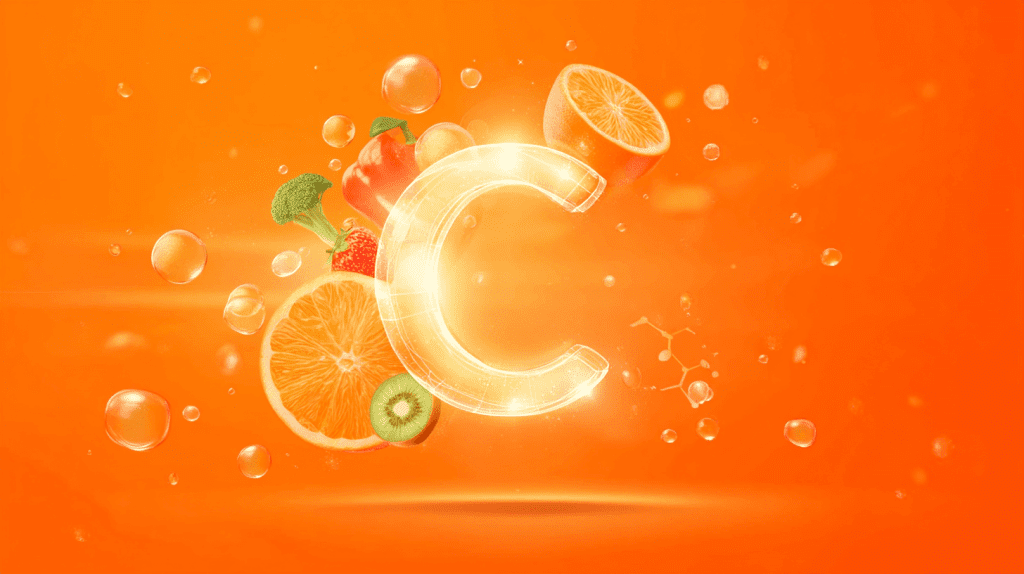
Vegetables packed with vitamin C are the key to a robust immune system and optimal health. Whilst many people reach for dietary supplements, research clearly demonstrates that the body absorbs vitamin C from natural sources far more effectively than from synthetic pills. By choosing the right vitamin c foods, you can effortlessly achieve the recommended 200 mg daily intake—entirely without artificial supplements. In this article, you will discover the best foods that have vitamin c to incorporate into your diet and how gentle cooking methods help preserve maximum nutrient absorption.
Table of Contents
- Key Takeaways
- Why Exactly 200 mg of Vitamin C Daily Is Optimal
- The Top 15 Vitamin C Foods: Vegetables
- Brassicas: The Secret Vitamin C Champions
- Proper Preparation: How to Preserve Vitamin C
- Vegetables vs Vitamin C Pills: The Crucial Difference
- How to Reach 200 mg Daily Without Supplements
- Scientific References
Key Takeaways
- Stinging nettle is the undisputed champion: Providing 333 mg of vitamin C per 100 g, stinging nettle contains over six times as much ascorbic acid as oranges or lemons.
- Brassicas dominate the top 15: 7 out of the 15 vegetables with the highest vitamin C content belong to the cabbage family—with Brussels sprouts and kale leading at 110 mg per 100 g each.
- 200 mg daily is the optimal dose: The human body achieves optimal nutrient absorption with up to 200 mg of vitamin C daily—anything consumed above this threshold is largely excreted.
- Raw vegetables preserve vitamin C: Because ascorbic acid is heat-sensitive, vitamin-rich vegetables are best enjoyed raw or very gently blanched.
- Vegetables outperform supplements: Studies demonstrate that vitamin C from natural dietary sources significantly lowers stroke risk, whereas vitamin C tablets provide no measurable protective benefit.
- 5 portions are plenty: Consuming 5 portions of fruit and vegetables each day (each offering roughly 50 mg of vitamin C) easily secures optimal blood plasma concentrations.
- Winter vegetables as an immune booster: Kale, Brussels sprouts, and horseradish are not only packed with vitamin C, but also supply antimicrobial mustard oils that support the immune system during seasonal infections.
- Nutrient synergy: Whole vegetables rich in vitamin C deliver essential minerals, folate for cell renewal and collagen synthesis, and protective antioxidants—a complete nutritional matrix that isolated supplements cannot replicate.
Why Exactly 200 mg of Vitamin C Daily Is Optimal: Key Vitamin C Benefits
How Was the Optimal Vitamin C Dose Determined?
The traditional daily recommended intake for vitamin C was historically established purely to prevent deficiency diseases such as scurvy, plus a modest safety buffer. However, the bare minimum required to stave off deficiency is not necessarily the optimal dose for lifelong vitality. Researchers therefore adopted a far more sophisticated approach: investigating how the body actively manages nutrient absorption.
Through detailed clinical trials assessing the absorption and excretion of ascorbic acid, scientists identified an ingenious mechanism: when you ingest 15 mg of vitamin C—roughly the amount found in a quarter of an orange—your digestive tract absorbs nearly 90% of it. In contrast, when taking a 1,250 mg synthetic supplement, the body drastically limits uptake to below 50%. The body recognises the surplus and restricts further absorption across the intestinal barrier.
What Happens in the Body at 200 mg of Vitamin C Daily?
The physiological sweet spot sits at roughly 200 mg per day. Up to this level, the body retains nearly 100% of the ingested vitamin C. Once intake exceeds 200 mg, intestinal transporters begin to limit further uptake. Concurrently, the kidneys reabsorb vitamin C back into the blood to maintain plasma levels steady at 70–80 micromoles per litre—the ideal therapeutic window.
Even if you were to consume ten times this quantity via high-dose supplements—such as 2,000 mg daily—your body simply excretes the excess in urine and faeces to keep blood concentrations within this strict physiological threshold. These evolutionary mechanisms clearly demonstrate that human biology is fine-tuned for a daily intake of approximately 200 mg of vitamin C.
What Role Does Vitamin C Play in Stroke Risk?
The 200 mg daily benchmark is strongly corroborated by cardiovascular health data. Meta-analyses of extensive cohort studies reveal that the risk of stroke is lowest among individuals with a daily vitamin C intake of around 200 mg. Crucially, these protective vitamin c benefits apply exclusively to vitamin C obtained from whole foods—not from pills or synthetic powders.
Whilst eating plenty of vitamin c foods is clinically shown to safeguard against heart attacks and stroke, antioxidant dietary supplements have repeatedly failed to demonstrate comparable cardiovascular protection. This highlights the clear superiority of whole-food nutrition over isolated vitamin pills.
The Top 15 Vitamin C Foods: Vegetables
Which Vegetable Has the Highest Vitamin C Content?
1. Stinging nettle (333 mg/100g): The standout surprise among native wild plants. Long dismissed as a garden weed, the common stinging nettle (Urtica) is an extraordinary superfood. Boasting 333 mg of vitamin C per 100 g, it exceeds the ascorbic acid content of oranges and lemons more than sixfold. Stinging nettle is also loaded with magnesium, calcium, and vitamin A. Steamed young shoots taste remarkably similar to spinach and make a wonderful addition to soups, herbal teas, and fresh pestos.
2. Parsley (160 mg/100g): This staple kitchen herb is far more than an attractive plate garnish. Parsley (Petroselinum crispum) brings not only vibrant flavour to cooking but also a generous supply of ascorbic acid. Because parsley is generally consumed raw, its entire vitamin content remains intact. A generous tablespoon of finely chopped flat-leaf or curly parsley sprinkled over salads, roasted vegetables, or soups contributes significantly towards your daily recommended intake.
3. Wild garlic (150 mg/100g): The fragrant herald of spring, wild garlic or ramsons (Allium ursinum), is adored by both culinary chefs and nutritionists. Supplying 150 mg of vitamin C per 100 g, it ranks among the highest vitamin c foods you can forage in the wild or cultivate in the garden. When foraging in woodlands, always be careful not to confuse it with poisonous lily of the valley or autumn crocus—always check for its distinct garlic scent.
4. Bell peppers (140 mg/100g): A classic dietary source of vitamin C, sweet bell peppers (Capsicum) deliver up to 140 mg of vitamin C per 100 g. The exact concentration depends heavily on ripeness: fully ripe red bell peppers provide substantially higher levels of ascorbic acid than unripe green ones. Enjoyed raw in crunchy salads, served with dips, or lightly sautéed, sweet bell peppers are exceptionally versatile.
5. Horseradish (114 mg/100g): The pungent horseradish root (Armoracia rusticana) offers a distinctive fiery kick alongside 114 mg of vitamin C per 100 g. Its unique value lies in its natural mustard oils (allyl isothiocyanates), which exert antimicrobial properties that bolster the immune system against seasonal bugs. Freshly grated horseradish paired with oily fish, lean beef, or folded into soft cheese makes an invigorating winter tonic.
Which Brassicas Are the Richest Sources of Vitamin C?
6. Brussels sprouts (110 mg/100g): Leading the brassica family in vitamin content, Brussels sprouts (Brassica oleracea var. gemmifera) provide an outstanding 110 mg of vitamin C per 100 g. They also supply vital folate to support red blood cell formation and collagen synthesis, along with potent plant compounds that reinforce the body’s natural defences.
7. Kale (110 mg/100g): A quintessential British winter green, curly kale (Brassica oleracea var. sabellica) matches Brussels sprouts milligram for milligram. With 110 mg per 100 g, it is a brilliant seasonal vegetable during the colder months. Kale is also notable for its high plant protein content and provides an abundance of potassium, magnesium, and iron. Whether lightly wilted, baked into crisp snacks, or blended into smoothies, it is exceptionally nutritious.
8. Broccoli (95 mg/100g): With its tender green florets, broccoli (Brassica oleracea var. italica) is one of the nation’s favourite healthy staples. Supplying 95 mg of vitamin C per 100 g in its raw state, plus beta-carotene, B-complex vitamins, potassium, calcium, and phosphorus, broccoli is a true nutritional powerhouse. Quick steaming or light blanching helps preserve its rich green colour and delicate vitamins.
10. Cauliflower (69 mg/100g): Cauliflower (Brassica oleracea var. botrytis) delivers 69 mg of vitamin C per 100 g alongside B vitamins, folate, and vital minerals. Its gentle, adaptable flavour makes it ideal for a vast range of dishes—from comforting Sunday roasts and cauliflower rice to spiced cauliflower steaks.
11. Kohlrabi (62 mg/100g): This crisp, refreshing turnip-rooted brassica (Brassica oleracea var. gongylodes) is especially enjoyable eaten raw, providing 62 mg of vitamin C per 100 g. Eaten as a crunchy midday snack or grated into slaws, kohlrabi enriches your diet with ascorbic acid alongside potassium, calcium, and magnesium.
13. Red cabbage (57 mg/100g): Deep purple red cabbage (Brassica oleracea convar. capitata var. rubra) adds rich colour and vital micronutrients to any meal. Providing 57 mg of vitamin C per 100 g along with vitamin E and anthocyanins—potent natural antioxidants—it is an indispensable winter vegetable with natural anti-inflammatory benefits.
15. Savoy cabbage (50 mg/100g): With its crinkled emerald leaves, Savoy cabbage (Brassica oleracea convar. capitata var. sabauda) supplies 50 mg of vitamin C per 100 g. Containing double the protein of red cabbage alongside iron and phosphorus, Savoy cabbage is a delicious, robust green for wholesome winter cooking.
Which Other Vegetables Are Great Foods That Have Vitamin C?
9. Fennel (93 mg/100g): The crunchy fennel bulb (Foeniculum vulgare) has a revered history in traditional herbal medicine, where its essential oils are celebrated for settling digestion. Offering 93 mg of vitamin C per 100 g, fennel actively supports immune health whilst its delicate aniseed sweetness elevates salads, broths, and tray bakes.
12. Rocket (62 mg/100g): Peppery wild rocket (Eruca sativa) delivers 62 mg of vitamin C per 100 g and is best eaten raw in fresh salads. Its pungent mustard oils create its characteristic peppery bite and, much like horseradish, help the immune system ward off minor winter ailments.
14. Spinach (50 mg/100g): Contrary to the popular cartoon myth, spinach (Spinacia oleracea) does not contain extraordinary quantities of iron. However, it excels with 50 mg of vitamin C per 100 g when eaten fresh. Whether tossed raw in salads or lightly wilted into main courses, spinach provides reliable everyday support for your immune defences.
Brassicas: The Secret Champions Among Vitamin C Foods
Why Do Brassicas Contain So Much Vitamin C?
A remarkable finding from this review of vitamin c foods is that nearly half—exactly 7 out of 15 vegetables—are members of the brassica family. This dominance is no accident of nature. Brassicas (Brassica oleracea) have evolved to produce concentrated levels of ascorbic acid alongside protective phytochemicals to defend their plant tissues.
In addition to vitamin C, brassicas contain valuable glucosinolates—sulphur compounds that convert into health-promoting mustard oils (isothiocyanates) during chopping and chewing. These compounds exhibit natural antimicrobial properties and support cellular health. The combination of vitamin C, folate, minerals, and antioxidants makes brassicas unbeatable everyday superfoods.
Which Brassicas Are Best for the Winter Season?
During the colder months, when colds and respiratory infections circulate widely, brassica vegetables truly come into their own. Curly kale and Brussels sprouts—both supplying 110 mg of vitamin C per 100 g—are hardy seasonal crops harvested precisely when our immune system requires extra nourishment.
Kale is traditionally harvested after the first autumn frost, as freezing temperatures trigger the conversion of plant starches into sugars, giving the leaves a milder, sweeter flavour. Brussels sprouts also develop their full, rich aroma after exposure to frost. Both vegetables store remarkably well, ensuring a steady supply of fresh, nutrient-dense produce throughout the winter.
Which Cooking Methods Best Preserve Vitamin C in Brassicas?
Because vitamin C is water-soluble and susceptible to thermal degradation, selecting the right cooking methods is vital. Several brassicas, including kohlrabi and red cabbage, can be eaten raw. For Brussels sprouts, kale, and broccoli, gentle steaming or brief blanching at moderate temperatures is strongly recommended.
Never boil brassicas for prolonged periods in large quantities of water, as this can leach out more than 50% of their ascorbic acid into the pan. Instead, steam vegetables over simmering water or braise them gently with a tight-fitting lid in very little liquid. This preserves their delicate vitamins, vibrant colour, and crisp texture.
Preparing Vitamin C Foods: How to Preserve Nutrient Levels
Why Should Foods That Have Vitamin C Be Eaten Raw?
Vitamin C (ascorbic acid) is exceptionally sensitive to heat, light, and oxygen. It begins to break down at temperatures above 60°C. When boiling in water, between 30% and 70% of the original vitamin C content can be lost depending on the duration and temperature. Therefore, whenever possible, enjoy vitamin-rich raw vitamin C foods to maximise your intake.
Particularly suitable as raw foods are bell peppers, kohlrabi, rocket, parsley, and wild garlic. Finely shredded red cabbage also makes an excellent salad. Even broccoli and cauliflower can be enjoyed raw when thinly sliced — this not only preserves vitamins, but also adds an appealing texture and flavour.
How Do You Blanch Vegetables Correctly?
If you prefer not to eat vegetables containing vitamin C raw, gentle blanching is the best alternative. When blanching, vegetables are submerged in boiling water for just 1 to 3 minutes before being plunged immediately into ice water. This method halts enzymatic processes, preserves the vibrant colour, and retains far more vitamins than prolonged boiling.
The loss of vitamin C during blanching is only 10–30%, compared to 50–70% with standard boiling. Ensure you use as little water as possible and keep the cooking time brief. The vegetables should remain al dente (with a slight bite) — which is not only healthier, but also far more enjoyable to eat.
Which Cooking Methods Preserve the Most Nutrients?
Aside from eating them raw, the gentlest cooking methods for preserving vitamins are:
- Steaming: Vegetables sit above — not in — boiling water. Vitamin loss is only 15–25%.
- Braising / gentle sweating: Cooking in very little liquid with a tight-fitting lid. Vitamin loss is 20–30%.
- Blanching: Brief immersion in boiling water followed by immediate iced cooling. Vitamin loss is 10–30%.
- Microwaving: Surprisingly gentle on vitamins when short cooking times are used. Vitamin loss is 15–30%.
Conversely, avoid boiling for long periods in large volumes of water, keeping food warm for extended stretches, and reheating multiple times. Ideally, prepare vitamin-rich vegetables fresh and consume them promptly.
Do Frozen Vegetables Lose Vitamin C?
Frozen vegetables are often richer in vitamins than supposedly “fresh” produce that has already been stored for several days. Vegetables destined for the freezer are flash-frozen immediately after harvesting — essentially locking in their vitamin content. When stored properly at -18°C, vitamin C remains stable for months.
In comparison, fresh vegetables continually lose vitamins through storage, exposure to light, and oxygen. After 3 to 7 days in the fridge, 30% to 50% of the original vitamin C content may already have degraded. If you are unable to buy fresh vegetables every few days, frozen produce is an outstanding alternative.
Whole Vegetables vs Vitamin C Pills: The Crucial Difference
Why Are Supplements Less Effective for Vitamin C Benefits Than Vegetables?
The scientific evidence is unambiguous: vitamin C from vegetables and fruit is proven to reduce the risk of cardiovascular disease, whereas vitamin C supplements show no comparable protective effect in controlled trials. Meta-analyses of randomised controlled trials demonstrate that antioxidant dietary supplements do not generally protect against heart attacks or strokes.
The reason lies in nutrient synergy: natural vitamin C foods never deliver isolated ascorbic acid alone, but rather a complex matrix of vitamins, minerals, dietary fibre, phytochemicals, and other bioactive compounds. These work together far more effectively than an isolated vitamin to support immune system function and overall health.
Take stinging nettle as an example: it delivers not only 333 mg of vitamin C, but simultaneously provides magnesium, calcium, vitamin A, iron, and chlorophyll-rich plant fibres. The body can utilise this nutrient combination with optimal nutrient absorption — whereas a vitamin C tablet contains nothing more than isolated ascorbic acid.
How Well Does the Body Absorb Vitamin C from Supplements?
The bioavailability of vitamin C from supplements drops dramatically at higher doses. While the body absorbs around 90% of low doses obtained from food (around 15 mg), the absorption rate plummets below 50% with high-dose supplements (such as 1,250 mg). The body recognises the unnaturally high dose and actively limits further uptake across the intestinal lining.
Even if you take 2,000 mg of vitamin C daily as a supplement — 10 times the optimal level — your body simply excretes the vast majority via urine and faeces. Blood levels remain in the same range as they would with 200 mg from natural dietary sources. Whilst your body tolerates the excess (vitamin C is water-soluble and non-toxic), it derives no extra benefit from it for processes like collagen synthesis.
Are There Situations Where Vitamin C Supplements Make Sense?
In certain circumstances, vitamin C supplementation can indeed be appropriate: in cases of diagnosed vitamin C deficiency, during severe illness with increased physiological demand, alongside severely restricted diets, or where medical conditions prevent the consumption of fresh fruit and vegetables.
For the vast majority of people, however, the NHS recommendation of 5 A Day easily delivers optimal levels of around 200 mg of vitamin C — alongside a complete nutrient matrix that no supplement can replicate. You are far better off investing your money in quality fresh vegetables than expensive tablets.
How to Reach 200 mg Daily with Vitamin C Foods (Without Supplements)
How Many Portions from a Vitamin C Vegetables and Fruits List Do You Need for 200 mg?
The rule of thumb is straightforward: an average portion of fruit or vegetables provides roughly 50 mg of vitamin C. With 5 portions a day, you easily achieve 250 mg — comfortably exceeding the optimal daily intake of 200 mg (well above the baseline daily recommended intake). The NHS “5 A Day” guidance is not arbitrary; it is rooted in these exact nutritional principles.
Naturally, the vitamin C content varies considerably between different vegetables. Whilst 60 g of stinging nettle provides 200 mg, you would need around 400 g of savoy cabbage. By cleverly combining the highest vitamin c foods, you can comfortably hit your target with just 2 to 3 portions.
Practical Daily Meal Plans Featuring Vitamin C Foods
Example 1 — Brassica Day:
- Breakfast: Smoothie with 30 g fresh parsley (48 mg)
- Lunch: 100 g steamed Brussels sprouts as a side dish (110 mg)
- Snack: 1 raw red pepper (approx. 100 g = 140 mg)
- Total: 298 mg — well above the optimum!
Example 2 — Raw Food Day:
- Breakfast: Vegetable sticks with 100 g raw bell peppers (140 mg)
- Lunch: Large salad with 50 g rocket (31 mg) and generous parsley (20 g = 32 mg)
- Dinner: 100 g raw kohlrabi salad (62 mg)
- Total: 265 mg — optimum achieved!
Example 3 — Winter Plan:
- Breakfast: Green smoothie with 20 g parsley (32 mg)
- Lunch: 150 g gently cooked kale (approx. 140 mg after cooking loss)
- Dinner: Raw broccoli salad 80 g (76 mg)
- Total: 248 mg — more than sufficient!
What Should You Look Out for When Shopping?
Freshness is key: the fresher the produce, the higher the vitamin C concentration. Ideally, buy local and seasonal — vegetables harvested ripe with short transit times retain substantially more vitamins than imported produce picked before maturity.
In winter, opt for classic brassicas like kale, Brussels sprouts, savoy cabbage, and red cabbage — these are in peak season and offer maximum nutrient density. In spring, wild garlic and fresh herbs enrich your menu. Available all year round are bell peppers, broccoli, and parsley.
Store vegetables in a cool, dark place and for as short a time as possible. Prepare vitamin-rich vegetables within 2 to 3 days of purchase. If longer storage is necessary, choose frozen vegetables — these are genuinely richer in vitamins than “fresh” produce that has lingered in storage for days.
Can You Consume Too Much Vitamin C from Vegetables?
No, an overdose from natural whole food sources is virtually impossible. Vitamin C is water-soluble, so any excess is simply excreted via the kidneys. Even if you were to consume 500 to 1,000 mg of vitamin C daily through vegetables, your body automatically regulates blood levels within the optimal range.
Unlike fat-soluble vitamins (A, D, E, and K), which can accumulate in body tissues, water-soluble vitamins like vitamin C carry no risk of dietary hypervitaminosis. The body’s intrinsic regulatory mechanisms — controlled intestinal absorption and renal reabsorption — maintain a perfect balance.
The only exception: individuals with kidney conditions or specific metabolic disorders should consult a doctor before consuming very high levels of vitamin C. For healthy individuals, the rule remains simple: the more vitamin-rich vegetables, the better.
Scientific Sources
- Levine M, Padayatty SJ, Espey MG. Vitamin C: a concentration-function approach yields pharmacology and therapeutic discoveries. Adv Nutr. 2011 Mar;2(2):78-88.
- Frei B, Birlouez-Aragon I, Lykkesfeldt J. Authors’ perspective: What is the optimum intake of vitamin C in humans? Crit Rev Food Sci Nutr. 2012;52(9):815-29.
- Chen GC, Lu DB, Pang Z, Liu QF. Vitamin C intake, circulating vitamin C and risk of stroke: a meta-analysis of prospective studies. J Am Heart Assoc. 2013 Nov 27;2(6):e000329.
- Ye Y, Li J, Yuan Z. Effect of antioxidant vitamin supplementation on cardiovascular outcomes: a meta-analysis of randomized controlled trials. PLoS One. 2013;8(2):e56803.