Haem iron is a specialised form of dietary iron found predominantly in animal dietary sources, differing fundamentally from the iron present in plant foods. Whilst haem iron is well known for imparting the characteristic savoury flavour to meat and boasting high bioavailability, the scientific community is increasingly investigating its potential link to an elevated cancer risk. This article examines the current state of research into haem iron, explains the biochemical distinctions between haem and non haem iron, and evaluates the clinical evidence regarding potential health risks.
Table of Contents
Key Findings
- Haem iron origin: Haem iron is derived from haemoglobin and myoglobin in meat, providing its distinct savoury flavour. Plant-based haem protein extracted from soya beans replicates this meaty flavour in plant-based alternatives such as the Impossible Burger.
- Cancer classification: The WHO classifies processed meat as a Group 1 carcinogen (proven carcinogenic to humans, in the same category as tobacco smoking), and red meat as probably carcinogenic (Group 2A, alongside DDT).
- IARC assessment: The International Agency for Research on Cancer (IARC) identifies strong evidence that haem iron contributes to the carcinogenic mechanisms underlying bowel cancer.
- Cautious appraisal: Other bodies, including the American Institute for Cancer Research and the World Cancer Research Fund, consider the current evidence limited and maintain a more reserved stance.
- Animal study findings: Animal models indicate that haem iron disrupts the gut microbiota, exacerbates inflammation, and promotes tumour development—albeit at exceptionally high doses.
- Dosage disparity: The concentrations of haem iron administered in animal trials equal roughly 500 times normal human dietary intake—the equivalent of consuming 18,144 kg of meat or at least 12 Impossible Burgers every single day.
- Multiple mechanisms: Red meat consumption may elevate cancer risk through several concurrent factors: arachidonic acid, methionine, trans fats, IGF-1, hormones, pesticide residues, and carcinogens generated during high-heat cooking.
- Bioavailability: Haem iron exhibits an absorption rate of 20–30%, offering significantly higher bioavailability than plant-derived non haem iron (which averages only a few percent).
- Additional carcinogenic drivers: Alongside haem iron, heterocyclic amines (formed during grilling and frying) and N-nitroso compounds (synthesised endogenously in the bowel) contribute to meat-associated cancer risk.
- Need for further research: Robust clinical trials in humans are essential to establish definitive conclusions regarding dietary haem iron intake and overall cancer risk.
What Is Haem Iron?
What Is Haem Iron?
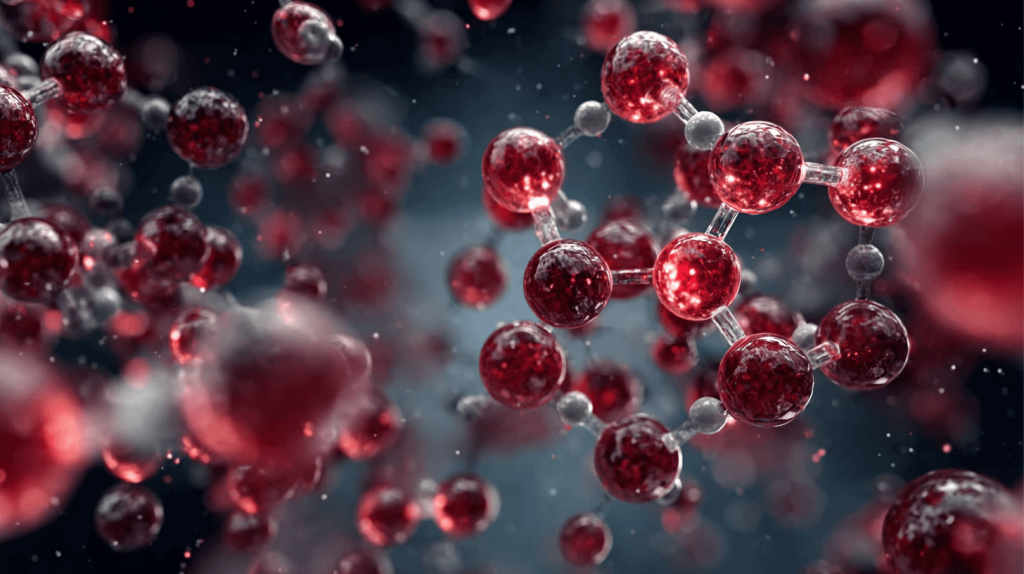
Haem iron is a specialised chemical form of iron bound within an organic molecular complex. The central iron atom is coordinated inside a ring-shaped porphyrin molecule known as haem. This coordination complex occurs naturally within the metalloproteins haemoglobin (in red blood cells) and myoglobin (in muscle tissue). Haem iron constitutes approximately one-third of total dietary iron in omnivorous diets and is found exclusively within animal dietary sources.
The human body contains roughly 4 to 5 grams of iron distributed across several physiological compartments: 66% in circulating haemoglobin, 19% stored as ferritin and haemosiderin, 10% in functional enzymes, and 5% in muscular myoglobin. This systemic allocation underscores the indispensable role of iron in oxygen transport, cellular energy production, and key enzymatic pathways that prevent iron deficiency anaemia.
Interestingly, haem iron is also the principal compound responsible for the characteristic aroma and taste of cooked meat. Food scientists now harness this property biotechnologically: plant-derived leg-haemoglobin, extracted from the root nodules of soya beans, imparts an authentic meaty flavour and aroma to vegetarian meat alternatives. The well-known Impossible Burger relies precisely on this plant-based haem protein for its meat-like taste and colour.
Dietary iron absorption of the haem form takes place through an exclusive transport mechanism in the small intestine, termed the haem pathway. This specialised route functions independently of the uptake channels used for non haem iron, accounting for the substantially higher bioavailability of animal-derived iron over plant sources.
Haem vs Non Haem Iron
Haem and Non Haem Iron: What Is the Difference?
The fundamental distinction between haem and non haem iron lies in their molecular structure, dietary origins, and comparative bioavailability. These physiological differences carry significant implications for everyday nutritional planning as well as long-term metabolic health.
Haem iron is organically bound and occurs exclusively in animal products. Accounting for roughly a third of an omnivore’s total dietary intake, it originates from haemoglobin and myoglobin in muscle meat, offal, and seafood. The human intestinal tract absorbs haem iron at a remarkable rate of 20 to 30 percent, allowing the body to readily utilise almost a third of what is ingested.
Non haem iron, by contrast, consists of inorganic ferric and ferrous iron complexes and is present in both plant foods and animal tissues, comprising the remaining two-thirds of dietary iron. However, its intestinal absorption rate is considerably lower, often amounting to just a few percent. Pulses, whole grains, dark leafy vegetables, and nuts represent standard plant-based sources of non haem iron.
Distinct intestinal pathways explain this variance in bioavailability: haem iron enters mucosal cells intact via the haem pathway, whereas non haem iron must be transported via divalent metal transporter 1 (DMT1) or the metal ion pathway (MIP). These non-haem routes are highly sensitive to dietary inhibitors such as phytates in unrefined grains, polyphenols in tea and coffee, and competitive calcium ions.
In practical terms, vegetarians and vegans generally require a higher overall iron intake to maintain healthy ferritin levels compared to individuals who consume meat. However, individuals relying on plant sources can utilise vitamin C synergy—pairing iron-rich whole foods with ascorbic acid—to enhance non-haem iron absorption substantially. Conversely, the uptake of haem iron remains largely unaffected by other dietary components, a property that offers high efficiency but reduces the body’s ability to down-regulate absorption when iron stores are replete.
Haem Iron Sources
Which Haem Iron Foods Contain the Highest Concentrations?
Because haem iron derives directly from the oxygen-binding proteins haemoglobin and myoglobin, it is found exclusively in foods of animal origin. The richest haem iron sources are offal and red meat, followed by poultry, fish, and seafood.
Prominent haem iron foods include:
- Offal: Liver (beef, pork, poultry) contains extraordinary quantities of haem iron—delivering up to 30 mg per 100 g in pig’s liver. Kidney and heart are likewise exceptional sources.
- Red meat: Beef, lamb, and venison provide an average of 2–3 mg of total iron per 100 g, the vast majority of which exists in the highly absorbable haem form.
- Poultry: Chicken and turkey supply approximately 1–2 mg of iron per 100 g, with notably higher concentrations found in dark cuts such as thighs and drumsticks.
- Fish and seafood: Oily fish such as tuna and sardines, as well as shellfish (particularly mussels and clams), are excellent sources providing 1–3 mg per 100 g.
- Processed meat: Sausages, ham, and cured bacon also deliver haem iron, though these items carry a formal carcinogenic classification from the World Health Organisation.
Crucially, standard cooking methods do not degrade haem iron, as the porphyrin ring is relatively heat-stable. Nevertheless, preparing meat at very high temperatures—such as intense grilling, barbecuing, or frying—promotes the formation of heterocyclic amines and polycyclic aromatic hydrocarbons, compounds that further elevate cancer risk.
A standard 100 g serving of lean beef supplies around 15–20% of the daily iron requirement for an adult man and approximately 10–15% for premenopausal women. While this high bioavailability makes animal products an efficient way to support red blood cell formation, efficiency alone does not necessarily make them the optimal dietary choice for long-term health.
Meat and Cancer Risk: The WHO Classification
In 2015, the International Agency for Research on Cancer (IARC), the specialised cancer agency of the World Health Organisation, published a landmark evaluation examining the relationship between red meat consumption, processed meats, and colorectal cancer risk. This evaluation drew a strict distinction between fresh and processed meat products.
Processed meat—encompassing bacon, ham, sausages, salami, and other meats preserved through salting, curing, smoking, or chemical preservatives—was classified as a Group 1 human carcinogen. This designation places processed meat in the same evidential category as tobacco smoking and asbestos, signifying scientific certainty that these foods cause cancer in humans. It indicates the strength of the scientific evidence rather than implying an identical magnitude of absolute risk.
Unprocessed red meat—specifically beef, pork, lamb, and game—was categorised as probably carcinogenic to humans (Group 2A), a category shared with agents such as the pesticide DDT. The epidemiological evidence linking red meat to malignancy is substantial, though slightly less conclusive than that for processed meats.
The IARC’s definition of processed meat encompasses a wide variety of everyday foods: sausages of all types, salami, cured or cooked ham, bacon, liver sausage, mortadella, corned beef, biltong, canned meats, and meat-based sauces. Breaded, seasoned, or chemically treated pre-packaged meats can also fall into this classification depending on their manufacturing process.
This heightened risk applies most prominently to colorectal cancer risk. The IARC estimated that every daily 50 g portion of processed meat increases bowel cancer risk by approximately 18%. For red meat, every daily 100 g portion increases the risk by roughly 17%. While these relative percentage increases appear modest on an individual daily basis, their cumulative impact over decades represents a major public health concern affecting millions of people across the UK and worldwide.
The Role of Haem Iron in Cancer Development
The question of what role haem iron plays in cancer development is the subject of intensive scientific debate. The mechanisms through which red meat consumption increases cancer risk are varied and complex — haem iron is merely one of several potential contributing factors.
The International Agency for Research on Cancer (IARC) assesses the evidence for haem iron as strong. In its view, there is convincing evidence that haem iron contributes to carcinogenic mechanisms. The proposed biochemical pathways include:
- Oxidative stress: Through Fenton reactions, haem iron can generate highly reactive free radicals capable of damaging DNA, proteins, and lipids.
- Disruption of gut microbiota: Animal studies demonstrate that haem iron can adversely affect gut microbiota composition, shifting the balance in favour of potentially harmful bacteria.
- Promoting inflammation: Haem iron can amplify inflammatory processes in the gut, which may promote carcinogenesis over the long term.
- Formation of N-nitroso compounds: In the gut, haem iron can catalyse the endogenous formation of carcinogenic N-nitroso compounds from nitrates and amines.
Other reputable bodies, such as the World Cancer Research Fund (WCRF) and the American Institute for Cancer Research (AICR), evaluate the evidence with greater caution. Whilst acknowledging indications of an association, they classify the overall evidence base as limited. Their reserve is grounded in several key considerations:
Firstly, red meat consumption is linked to numerous other potential carcinogens, making it difficult to isolate the specific contribution of haem iron. These include:
- Arachidonic acid: A pro-inflammatory omega-6 fatty acid found abundantly in meat.
- Methionine: A sulphur-containing amino acid associated with ageing processes and tumour development.
- Trans fats: Present notably in processed meats.
- IGF-1: A growth factor whose circulating levels are elevated by meat intake.
- Exogenous hormones: Hormonal growth promoters used in intensive livestock farming.
- Persistent organic pollutants: Pesticides and other environmental toxins that accumulate in animal adipose tissue.
- Formaldehyde: A carcinogen occurring naturally in certain meats.
Secondly, cooking muscle meat at high temperatures creates additional problematic compounds:
- Heterocyclic aromatic amines (HAAs): These DNA-damaging compounds form when muscle tissue is exposed to high, dry heat — during grilling, frying, baking, or roasting. Virtually all cooking methods apart from steaming and stewing lead to their formation.
- Polycyclic aromatic hydrocarbons (PAHs): Formed predominantly during open-flame grilling and barbecuing when fat drips onto hot coals.
The IARC rates the evidence for HAAs and N-nitroso compounds as strong — comparable to its assessment of haem iron. This underscores that whilst haem iron may represent an important factor, it is by no means the sole carcinogenic mechanism linked to meat consumption.
Scientific Evidence Base: Animal Studies and the Dosaging Problem
A central challenge in evaluating colorectal cancer risk from haem iron lies in translating animal data to humans. Whilst animal studies provide valuable mechanistic insights, the dosages administered raise serious questions regarding their relevance to human nutrition.
In almost all laboratory studies demonstrating a link between haem iron and tumour development, rodents were fed extraordinarily high amounts of haem iron or meat. Dosages in some cases were equivalent to an average human consuming 18,144 kilograms of meat per day — an absurd quantity far beyond any realistic dietary scenario.
Even the lowest doses tested in these studies correspond to roughly 12 Impossible Burgers per day — considerably more than even the most dedicated meat-eater would consume. This massive disparity between experimental dosages and real-world consumption makes it difficult to extrapolate findings to normal dietary habits.
A specific example illustrates this issue: in one frequently cited study, the authors claimed to test haem iron at “nutritional doses” designed to reflect human meat intake. The results showed a significant increase in tumour mass in the test animals. However, upon closer analysis of the actual amounts administered, it emerged that the rodents received haem iron at 500 times the concentration found in the human diet — equivalent to roughly 32 kilograms of meat per day.
These methodological limitations do not imply that haem iron is harmless, but they highlight the need to evaluate study findings critically. The observed effects — gut flora disruption, heightened inflammatory responses, and accelerated tumour progression — are understandable at extreme dosages, yet reveal very little about the risks of moderate meat consumption.
Another obstacle is inter-species translation. Rodent metabolism differs from human metabolism in many key respects. What induces tumours in mice at high concentrations will not necessarily produce identical effects in humans — and vice versa.
What is urgently required are robust human clinical trials examining the relationship between realistic intakes of haem iron and cancer risk. Such studies are methodologically demanding, as they require decades of longitudinal observation and must control for countless confounding factors. Early epidemiological data from observational studies point towards an association, but cannot establish causality.
In its safety evaluation of haem iron in food, the European Food Safety Authority (EFSA) primarily noted concerns regarding a potentially elevated colorectal cancer risk. However, its conclusion was carefully phrased: whilst mechanistic plausibility exists, current evidence from human studies remains insufficient to establish definitive limits or health warnings.
Haem Iron Supplements and Practical Guidance
Are Haem Iron Supplements Available and Recommended?
Haem iron supplements are indeed available on the market, though they are far less common than conventional non haem iron preparations. The primary advantage of a haem iron supplement lies in its gastrointestinal tolerability: whilst traditional iron tablets frequently cause side effects such as nausea, constipation, and stomach cramps, haem iron formulations are often better tolerated.
This superior tolerance stems from distinct absorption mechanisms: haem iron is absorbed intact via a dedicated haem transporter pathway and interacts far less with the intestinal mucosa than inorganic iron salts. Furthermore, haem iron absorption is much less susceptible to dietary inhibitors such as phytates.
Nevertheless, several potential drawbacks must be weighed before choosing haem iron supplements:
- Cancer risk: If haem iron does indeed promote carcinogenesis, concentrated intake via supplements could theoretically prove problematic — even if this remains insufficiently researched in clinical trials.
- Iron overload: The high bioavailability of haem iron increases the risk of excessive iron accumulation and elevated ferritin levels, particularly in individuals without increased physiological demand.
- Cost: Haem iron supplements are typically significantly more expensive than standard non haem iron tablets.
- Ethical considerations: Because haem iron is derived exclusively from animal dietary sources, these supplements are unsuitable for vegetarians and vegans.
For most individuals managing iron deficiency anaemia, conventional iron supplements paired with vitamin C synergy to enhance iron absorption remain fully adequate and practical. A haem iron supplement may serve as an alternative for patients who cannot tolerate standard iron salts, but should only be taken following consultation with a GP or pharmacist, alongside regular monitoring of haemoglobin and ferritin levels.
Practical Dietary Recommendations
Based on current scientific evidence, the following practical guidelines can be recommended:
- Limit processed meat: The WHO classification of processed meat as a Group 1 carcinogen is unambiguous. Consumption of sausages, bacon, ham, and cured products should be kept to a minimum.
- Moderate red meat consumption: If you choose to eat red meat, keep your intake within 300–500 g per week, in line with NHS guidance. Opt for lean cuts and gentle cooking methods.
- Mind your cooking methods: Avoid heavy charring, open-flame barbecuing, or burning meat. Steaming, stewing, and braising at moderate temperatures substantially reduce the formation of problematic compounds.
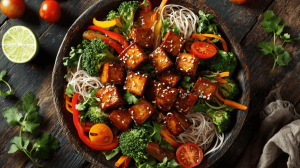
- Prioritise plant-based iron sources: Pulses, wholemeal grains, nuts, seeds, and dark leafy greens supply iron without the potential concerns linked to excessive haem iron foods. Pair these with vitamin C-rich foods to boost non haem iron absorption.
- Support gut health: A fibre-rich diet containing fermented foods fosters a diverse gut microbiome, which may exert a protective effect against colorectal cancer.
- Attend routine screening: If you have a family history or other risk factors for bowel cancer, participating in NHS bowel cancer screening is particularly vital.
It is important to emphasise that occasional, moderate red meat consumption poses no dramatic health risk for the vast majority of people according to current evidence. The data indicates that high, habitual intakes of processed and red meat are the primary concern. A predominantly plant-based diet incorporating occasional animal dietary sources offers a sensible, balanced compromise.
Scientific Sources
- International Agency for Research on Cancer (2015). IARC Monographs evaluate consumption of red meat and processed meat. WHO Press Release No. 240.
- World Cancer Research Fund / American Institute for Cancer Research (2018). Diet, nutrition, physical activity and cancer: a global perspective. Continuous Update Project Expert Report.
- European Food Safety Authority (2017). Safety of heme iron as a source of iron added for nutritional purposes to foods for the general population. EFSA Journal 15(12):5386.
- Hunnicutt J, He K, Xun P (2014). Dietary iron intake and body iron stores are associated with risk of coronary heart disease in a meta-analysis of prospective cohort studies. Journal of Nutrition 144(3):359-66.
- Aykan NF (2015). Red meat and colorectal cancer. Oncology Reviews 9(1):288.
- Gozzelino R, Arosio P (2016). Iron Homeostasis in Health and Disease. International Journal of Molecular Sciences 17(1):130.
- IJssennagger N, Belzer C, Hooiveld GJ, et al. (2015). Gut microbiota facilitates dietary heme-induced epithelial hyperproliferation by opening the mucus barrier in colon. Proceedings of the National Academy of Sciences 112(32):10038-43.
- Bastide NM, Pierre FH, Corpet DE (2011). Heme iron from meat and risk of colorectal cancer: a meta-analysis and a review of the mechanisms involved. Cancer Prevention Research 4(2):177-84.
- Cross AJ, Ferrucci LM, Risch A, et al. (2010). A large prospective study of meat consumption and colorectal cancer risk: an investigation of potential mechanisms underlying this association. Cancer Research 70(6):2406-14.
- Inoue-Choi M, Sinha R, Gierach GL, Ward MH (2016). Red and processed meat, nitrite, and heme iron intakes and postmenopausal breast cancer risk in the NIH-AARP Diet and Health Study. International Journal of Cancer 138(7):1609-18.
- Wikipedia (2024). Human iron metabolism. Online encyclopaedia.
Sources on the Topic
Systematic reviews, meta-analyses, and controlled trials relating to the topic of this article. All links were checked for accessibility on 16 August 2026.
- Kalman D, Hewlings S, Madelyn-Adjei A et al.: Dietary Heme Iron: A Review of Efficacy, Safety and Tolerability. Nutrients 2025. PubMed 40647237. DOI: 10.3390/nu17132132.
- Torti SV, Tesfay L, Torti FM et al.: Iron and Cancer. Advances in experimental medicine and biology 2025. PubMed 40603797. DOI: 10.1007/978-3-031-92033-2_18.
- Frazer DM, Anderson GJ, Collins JF et al.: Dietary Iron Absorption: Biochemical and Nutritional Aspects. Advances in experimental medicine and biology 2025. PubMed 40603785. DOI: 10.1007/978-3-031-92033-2_6.
- Abid Z, Cross AJ, Sinha R et al.: Meat, dairy, and cancer. The American journal of clinical nutrition 2014. PubMed 24847855. DOI: 10.3945/ajcn.113.071597.
- Fuqua BK, Vulpe CD, Anderson GJ et al.: Intestinal iron absorption. Journal of trace elements in medicine and biology : organ of the Society for Minerals and Trace Elements (GMS) 2012. PubMed 22575541. DOI: 10.1016/j.jtemb.2012.03.015.