The vegetarian diet is gaining growing popularity worldwide – and with good reason. Scientific studies clearly demonstrate that plant-based nutrition not only significantly lowers the risk of chronic illnesses, but can also make a substantial contribution towards reducing healthcare costs. A balanced meat-free diet offers numerous health advantages, from reducing the risk of coronary heart disease to aiding the prevention of various types of cancer. In this comprehensive guide, we explore the evidence-based research behind the vegetarian diet and show you how to gain the maximum benefit from this way of eating.
Table of Contents
- Key Takeaways
- What is a Vegetarian Diet?
- Health Benefits of a Vegetarian Diet
- Healthcare Costs and Economic Aspects
- Vegetarian Diet and Cardiovascular Health
- Cancer Prevention Through Plant-Based Nutrition
- Essential Nutrients and Vitamin B12
- Vegetarian Diets for Young Children
- Overview of Benefits and Risks
- Why a Vegetarian Diet is Good for the Environment
- Scientific References
Key Takeaways
- Disease reduction: Vegetarian and vegan diets significantly reduce the risk of chronic illnesses – particularly heart disease, type 2 diabetes, and certain cancers.
- Cost savings: Vegetarians incur considerably lower healthcare costs, including hospital admissions and outpatient care, with a nearly 50% reduction in treatment costs for depression.
- Stroke protection: The risk of ischaemic stroke drops by 60% and haemorrhagic stroke by 65% on a vegetarian diet.
- Cancer prevention: A vegan diet offers double the risk reduction for cancer compared to a vegetarian diet.
- Longevity: The more plant-based foods consumed, the lower the risk of premature death.
- Risks of returning to meat: Former vegetarians face a 231% higher risk of obesity, a 166% higher risk of diabetes, and a 152% higher risk of stroke.
- Vitamin B12: Vitamin B12 deficiency is a serious risk in exclusively plant-based diets without supplementation – targeted intake is essential.
- Expert endorsement: Leading dietetic bodies confirm that well-planned plant-based nutrition is suitable for all stages of life.
What is a Vegetarian Diet?
What does a vegetarian diet mean?
A vegetarian diet refers to a dietary pattern that excludes meat, poultry, fish, and seafood. The focus is placed on plant foods such as vegetables, fruit, wholemeal grains, pulses and legumes, nuts, and seeds. Depending on the specific variation, animal products such as dairy foods and eggs may also form part of the diet.
What exactly does a vegetarian diet involve?
A vegetarian diet encompasses several variations. The lacto-ovo vegetarian diet includes dairy products and eggs, whilst the lacto-vegetarian diet allows dairy products but excludes eggs. Pescetarians also eat fish, and flexitarians follow a predominantly plant-based diet with occasional exceptions. A vegan diet goes one step further by excluding all animal-derived products entirely.
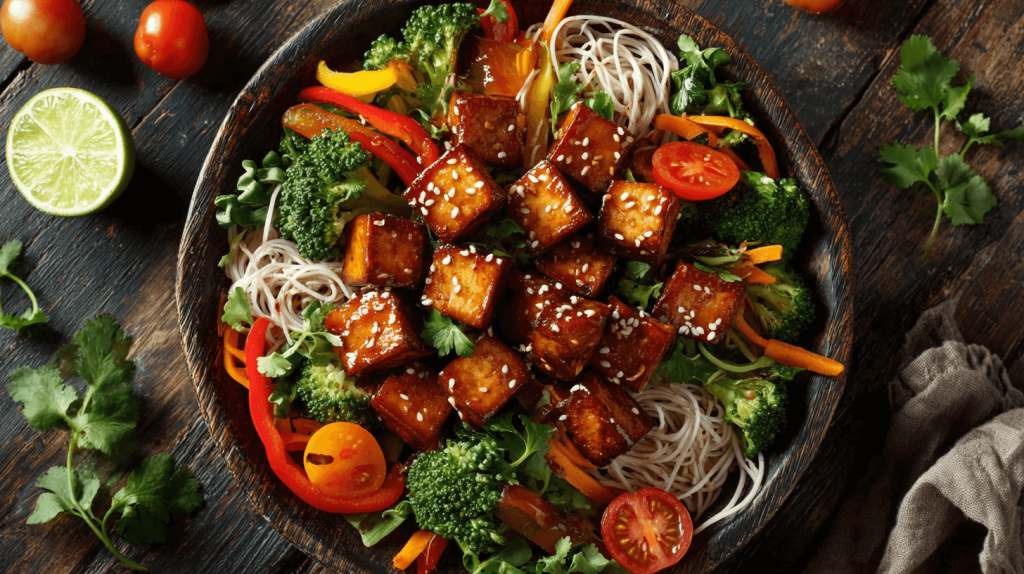
The variety found in plant-based eating offers impressive nutrient density. Pulses and legumes such as lentils, chickpeas, and beans provide high-quality protein for vegetarians, whilst wholemeal grains supply complex carbohydrates and dietary fibre. Nuts and seeds contribute essential fatty acids, and a vibrant selection of fruit and vegetables provides the body with vitamins, minerals, and protective phytochemicals.
Vegetarian Health Benefits: What the Research Shows
Why is a vegetarian diet healthier?
Scientific research clearly shows that a well-balanced vegetarian diet delivers substantial health rewards. Research indicates that individuals following plant-based nutrition achieve target cholesterol levels in 93% of cases, triglyceride targets in 88% of cases, and healthy blood pressure in 95% of cases. These impressive statistics stem from the lower saturated fat content and high levels of dietary fibre characteristic of plant-based meals.
A comprehensive meta-analysis of major prospective studies confirms a significant protective effect of a vegetarian diet against the incidence of and mortality from ischaemic heart disease, as well as against overall cancer risk. Plant-based nutrition works on multiple physiological fronts: it lowers cholesterol levels, enhances insulin sensitivity, reduces systemic inflammation, and helps maintain a healthy body weight.
Why choose a vegetarian diet?
The motivations for adopting a vegetarian lifestyle are diverse, spanning health considerations, ethical principles, and environmental concerns. From a medical perspective, the notably lower risk of lifestyle-related conditions makes a compelling case. Research consistently demonstrates that vegetarians experience significantly lower rates of type 2 diabetes, high blood pressure, certain cancers, and obesity.
Furthermore, plant-based nutrition plays an interesting role in infectious disease prevention. Whilst zoonotic viruses can pass readily between animals, there are no recorded instances of plant viruses transferring to humans – an often-overlooked advantage in the broader context of pandemic prevention.
Why is the vegetarian diet growing in popularity?
The shift towards plant-based eating has accelerated markedly in recent years. This momentum is driven by greater health awareness, better access to nutritional guidance from bodies like the NHS, and a wider availability of high-quality plant products in UK supermarkets. Major professional organisations, including the British Dietetic Association, confirm that well-planned plant-based diets are suitable for every stage of life and can support the prevention and management of specific medical conditions.
As an emeritus dean of a leading school of public health noted: “Attitudes towards vegetarian food have evolved from ridicule and scepticism, through benevolent tolerance and gradual, if occasionally reluctant, acceptance, to full scientific recognition.” This societal transition reflects an ever-growing body of robust clinical evidence.
Healthcare Costs and Economic Aspects
An often-overlooked aspect of plant-based nutrition is the substantial cost saving it offers to healthcare systems. A landmark Taiwanese study systematically evaluated direct medical expenditure among vegetarians compared with meat-eaters. The findings were striking: whilst dental treatment costs remained comparable, vegetarians incurred significantly lower expenditure for hospital admissions, outpatient consultations, and overall medical care.
Particularly noteworthy was a nearly 50% reduction in healthcare costs for treating depression among vegetarians, pointing towards an intriguing link between diet and mental wellbeing. These savings were largely driven by a marked reduction in chronic conditions such as hypertension, elevated cholesterol levels, type 2 diabetes, and heart disease – all conditions frequently exacerbated by poor dietary habits.
These findings suggest that promoting plant-rich diets represents a practical and effective strategy for easing the financial burden on healthcare services. With healthcare expenditure rising across the UK and internationally, supporting vegetarian dietary choices offers both individual health improvements and significant public economic savings.
Vegetarian Diet and Cardiovascular Health
Which heart disease symptoms are improved by a vegetarian diet?
A vegetarian diet lowers LDL cholesterol, blood pressure, and inflammatory markers. This helps reduce symptoms and complications associated with angina and cardiac arrhythmias, whilst significantly improving overall cardiovascular health.
Coronary heart disease and related cardiovascular conditions remain among the leading causes of death worldwide. Here, plant-based nutrition demonstrates powerful preventive potential. For individuals eating predominantly plant-based foods, the incidence of ischaemic heart disease drops substantially. The underlying biological mechanism is well understood: whole plant foods contain no dietary cholesterol and considerably less saturated fat than animal products.
How does a vegetarian diet affect stroke risk?
Vegetarians have a 60% lower risk of ischaemic stroke and a 65% lower risk of haemorrhagic stroke, with protective benefits observed even alongside vitamin B12 supplementation.
Two large Taiwanese cohort studies consistently demonstrated a marked reduction in stroke incidence among vegetarian cohorts. This protective effect persisted despite potentially elevated homocysteine concentrations associated with lower vitamin B12 intake. Furthermore, comprehensive meta-analyses confirm the powerful protective impact of plant-focused eating against the development of and mortality from coronary heart disease.
Cancer Prevention Through Plant-Based Nutrition
Which types of cancer are affected by a vegetarian diet?
Research into cancer prevention and plant-based diets has produced highly encouraging data. Systematic reviews and meta-analyses show that a vegetarian diet significantly reduces overall cancer risk. Most notably, a vegan diet provides roughly double the risk reduction of a standard vegetarian diet, particularly against gastrointestinal malignancies including colorectal cancer.
The protective mechanisms are varied. Plant foods are rich in antioxidants, phytochemicals, and dietary fibre, which work together to reduce inflammation and protect cellular DNA from oxidative damage. In particular, cruciferous vegetables such as broccoli and kale, along with berries, nuts, and whole grains, demonstrate strong protective properties in nutritional trials.
Furthermore, eating vegetarian leads to lower circulating insulin levels and reduced concentrations of insulin-like growth factor 1 (IGF-1), both of which have been implicated in tumour development. The leaner average body mass index (BMI) maintained by vegetarians provides an added layer of cancer prevention, given that excess adiposity is an established risk factor for numerous malignancies.
Vegetarian Health Benefits and Risks: Essential Nutrients and Vitamin B12
Which dietary sources of vitamin B12 are important for vegetarians?
Whilst following a vegetarian diet brings considerable wellbeing advantages, it requires mindful attention to specific micronutrients. Vitamin B12 is the primary nutrient of concern, as it is found naturally almost exclusively in animal-derived foods. A vitamin b12 deficiency is a serious clinical concern if a reliable, consistent source is not consumed.
For lacto-ovo vegetarians, adequate B12 intake can often be achieved through eggs and dairy products, though quantities can vary. Those following a purely plant-based or vegan approach must rely on fortified foods or food supplements. Fortified plant milks, breakfast cereals, and yeast extract can provide valuable B12, though a targeted daily or weekly supplement offers the most reliable assurance.
The UK reference nutrient intake (RNI) recommends around 1.5 to 2.4 micrograms daily for adults. Because vitamin b12 deficiency develops insidiously over several years, it can lead to anaemia and irreversible neurological damage if left unaddressed. Symptoms range from fatigue and poor concentration to severe nerve dysfunction. Anyone following plant-based nutrition should therefore have their B12 levels monitored regularly by their GP.
Which other nutrients require attention?
Iron absorption, calcium, zinc, iodine, and vitamin D warrant careful consideration. Pairing plant iron with vitamin C enhances absorption, whilst a diverse whole-food diet and sensible supplementation ensure all nutritional requirements are met.
Alongside B12, several other nutrients deserve focus. Iron from plant sources (non-haem iron) is less readily absorbed than haem iron from meat. However, iron absorption can be markedly boosted by pairing iron-rich foods with vitamin C. Excellent sources include pulses and legumes, wholemeal grains, nuts, and dark leafy greens.
Calcium, zinc, iodine, and vitamin D also require attention. Calcium is readily obtained from dairy products, fortified plant milks, calcium-set tofu, leafy green vegetables, and almonds. Zinc is widely available in wholemeal cereals, pulses, and seeds. Iodine can be supplied through iodised salt or sea vegetables. In the UK, vitamin D is primarily synthesised through sunlight exposure during spring and summer; health authorities recommend considering a 10-microgram daily supplement throughout the darker autumn and winter months.
Despite these considerations, clinical evidence confirms that a well-planned vegetarian diet meets all daily nutritional needs. The key lies in variety, nutrient-dense whole foods, and sensible supplementation where indicated.
Vegetarian Diet for Toddlers and Young Children
Is a vegetarian diet safe for toddlers and young children?
The question of whether a vegetarian diet is suitable for toddlers is frequently asked. The scientific consensus is clear: yes, a well-planned vegetarian diet is appropriate for all stages of life, including pregnancy, lactation, infancy, and childhood. Both the British Dietetic Association and the Academy of Nutrition and Dietetics have explicitly confirmed this in their official position statements.
However, plant-based nutrition for growing children requires particular care. Nutrient requirements during growth phases are high, whilst portion sizes remain small. Foods must therefore be exceptionally nutrient-dense. Reliable sources of protein for vegetarians include dairy products, eggs, pulses and legumes, tofu, and nuts. The standard recommendation is 0.8 grams of protein per kilogram of body weight, which equates to roughly 50 grams daily for adults—as demonstrated by approximately one billion people worldwide who eat no meat whatsoever.
For children, ensuring an adequate intake of calcium, vitamin D, and omega-3 fatty acids is vital, as is preventing vitamin B12 deficiency and supporting optimal iron absorption. Regular paediatric check-ups to review nutritional status and growth are recommended. Parents should seek evidence-based guidance from the NHS or consult a registered paediatric dietitian.
What effects does a vegetarian diet have on a child’s body?
Studies demonstrate that children following a well-planned vegetarian diet grow and develop normally. In fact, they frequently show lower rates of childhood overweight and obesity, and establish healthy eating habits early in life. A generous intake of fruit, vegetables, and wholemeal products supplies essential dietary fibre, supports a diverse gut microbiome, and establishes long-term preferences for wholesome foods.
Gradually introducing a diverse range of foods and textures is essential. Pulses and legumes should be thoroughly cooked and puréed to improve digestibility. Nuts and seeds can be finely ground or served as smooth nut butters. A colourful selection of vegetables and fruit delivers a broad spectrum of essential vitamins and minerals.
Vegetarian Health Benefits and Risks: An Overview
What are the vegetarian health benefits and risks?
A balanced assessment requires weighing up every aspect. The vegetarian health benefits NHS professionals and clinical research highlight are thoroughly documented: a substantially reduced risk of cardiovascular health complications—including coronary heart disease and stroke—as well as type 2 diabetes, certain malignancies such as colorectal cancer, and obesity. Healthier blood pressure, improved cholesterol levels, lower healthcare costs, and longer life expectancy provide further compelling evidence.
Conversely, potential nutritional challenges must be addressed, particularly regarding iron, zinc, omega-3 fatty acids, and the risk of vitamin B12 deficiency. However, these drawbacks are entirely preventable through thoughtful meal planning, dietary variety, and targeted supplementation where appropriate. Any risk arises solely from inadequate information and poor dietary planning.
A further perspective is revealed when examining former vegetarians. The Adventist Health Study evaluated individuals who transitioned from vegetarianism back to an omnivorous diet. Compared with sustained vegetarians, they exhibited a 231% higher risk of obesity, a 166% higher risk of diabetes, a 152% higher risk of stroke, and a 146% higher risk of heart disease. These data emphasise that regular meat consumption can reduce life expectancy by approximately 3.5 years. Maintaining a consistent vegetarian diet is therefore highly advantageous.
Can a partially vegetarian diet also offer health benefits?
Yes; simply increasing the proportion of plant-based foods in your diet lowers all-cause mortality. The higher the intake of whole plant foods, the greater the protective effect. Flexitarianism offers an accessible starting point.
The encouraging news is that you do not need to eliminate animal products entirely to experience significant advantages. Shifting towards plant-based nutrition brings measurable improvements. A dietary pattern centred on plant foods is associated with reduced all-cause mortality and, consequently, a significantly longer life expectancy.
One study examined cumulative mortality risks across various dietary categories: the higher the consumption of plant-based foods, the more pronounced the reduction in the risk of premature death. Researchers concluded that straightforward dietary modifications—such as boosting plant-based foods whilst scaling back on animal products—deliver measurable longevity benefits. This approach, often termed “flexitarianism”, serves as a practical, sustainable starting point for many.
Why a Vegetarian Diet Is Good for the Environment
Why is a vegetarian diet good for the environment?
A vegetarian diet cuts greenhouse gas emissions and land use by almost half. Requiring fewer natural resources, producing less methane, and driving less deforestation, it makes a substantial contribution to climate protection.
Beyond individual health outcomes, choosing a vegetarian diet delivers considerable positive impacts for the environment. Producing animal-derived food requires vastly more resources—land, water, and energy—than cultivating plant-based crops. Compared with average meat-heavy eating patterns, a vegetarian diet slashes greenhouse gas emissions and agricultural land footprint by nearly 50%.
The environmental footprint of meat production encompasses methane emissions from ruminant livestock, deforestation for grazing pastures and animal feed crops, intensive water consumption, and pollution from synthetic fertilisers and agricultural slurry. Transitioning towards plant-based nutrition dramatically reduces these pressures, aiding climate change mitigation, biodiversity conservation, and the safeguarding of freshwater resources.
In light of global climate challenges and escalating resource scarcity, daily dietary choices carry immense significance. A societal shift towards more plant-based eating could play a decisive role in achieving international sustainability goals.
Scientific References
- Lin CL, Wang JH, Chang CC, Chiu THT, Lin MN. Vegetarian Diets and Medical Expenditure in Taiwan-A Matched Cohort Study. Nutrients. 2019;11(11):2688.
- Jakše B, Jakše B, Pinter S, et al. Dietary Intakes and Cardiovascular Health of Healthy Adults in Short-, Medium-, and Long-Term Whole-Food Plant-Based Lifestyle Program. Nutrients. 2019;12(1):55.
- Spence JD, Tangney C. Lower risk of stroke with a vegetarian diet. Neurology. 2020;94(11):463-464.
- Chiu THT, Chang HR, Wang LY, Chang CC, Lin MN, Lin CL. Vegetarian diet and incidence of total, ischemic, and hemorrhagic stroke in 2 cohorts in Taiwan. Neurology. 2020;94(11):e1112-e1121.
- Dinu M, Abbate R, Gensini GF, Casini A, Sofi F. Vegetarian, vegan diets and multiple health outcomes: A systematic review with meta-analysis of observational studies. Crit Rev Food Sci Nutr. 2017;57(17):3640-3649.
- Singh PN, Arthur KN, Orlich MJ, et al. Global epidemiology of obesity, vegetarian dietary patterns, and noncommunicable disease in Asian Indians. Am J Clin Nutr. 2014;100 Suppl 1(1):359S-64S.
- Martínez-González MA, Sánchez-Tainta A, Corella D, et al. A provegetarian food pattern and reduction in total mortality in the Prevención con Dieta Mediterránea (PREDIMED) study. Am J Clin Nutr. 2014;100 Suppl 1:320S-8S.
- Rocha JP, Laster J, Parag B, Shah NU. Multiple Health Benefits and Minimal Risks Associated with Vegetarian Diets. Curr Nutr Rep. 2019;8(4):374-381.
- Reddy BL, Saier MHJ. The Causal Relationship between Eating Animals and Viral Epidemics. Microb Physiol. 2020;30(1-6):2-8.
- Melina V, Craig W, Levin S. Position of the Academy of Nutrition and Dietetics: Vegetarian Diets. J Acad Nutr Diet. 2016;116(12):1970-1980.
- Hardinge MG, Johnston PK. Recognition. Am J Clin Nutr. 1999;70(3 Suppl):431S-2S.