
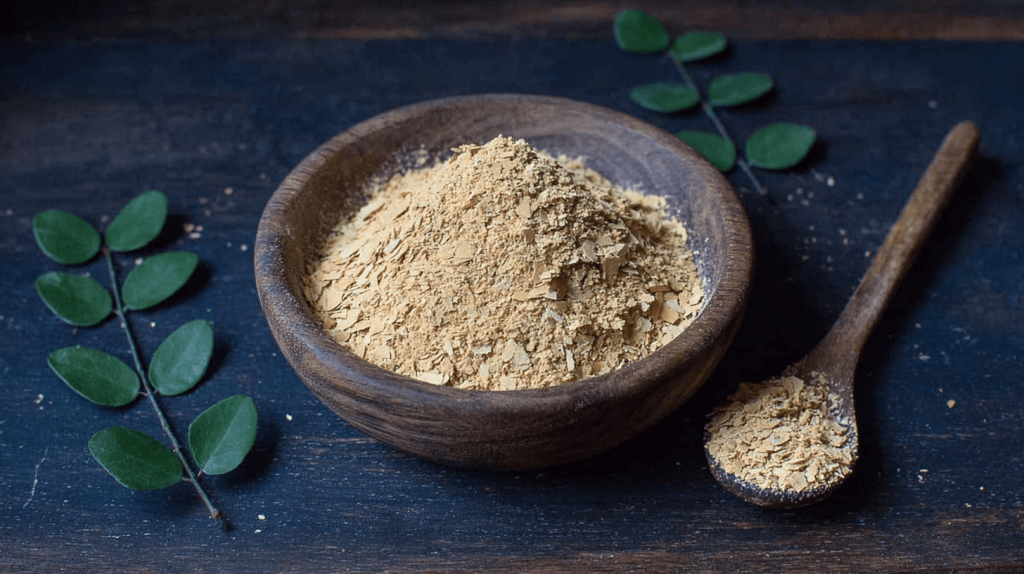
Insulin sensitivity describes how effectively your body’s cells respond to the hormone insulin. High insulin sensitivity is crucial for maintaining healthy blood glucose levels and can help prevent type 2 diabetes or even reverse prediabetes. In this evidence-based guide, you will discover what current brewers yeast diabetes research reveals about its capacity to improve insulin sensitivity, alongside the impressive clinical trial results supporting this natural approach.
Table of Contents
Key Takeaways
- Historical background: As early as 1854, the British Medical Journal reported on the beneficial effects of brewer’s yeast for diabetes – yet it took 150 years for this to be rigorously tested in clinical trials.
- Improve insulin sensitivity: Just ½ teaspoon of brewer’s yeast daily can significantly improve insulin sensitivity and lower fasting blood glucose.
- HbA1c reduction: Over 7 weeks, HbA1c levels fell from 8.0% to 6.6% – bringing participants close to non-diabetic ranges and showing that reversing prediabetes is achievable.
- Glucose tolerance factor: The primary mechanism relies on the chromium glucose tolerance factor in brewer’s yeast – isolated chromium supplements alone do not provide the same efficacy.
- Beta-glucan bonus: The soluble prebiotic fibre beta-glucan in brewer’s yeast provides additional blood pressure reduction and helped reduce waist circumference by 2.5 cm in 6 weeks.
- Cost-effective: The daily dose costs less than 10p – making it one of the most affordable, scientifically supported methods for glycaemic control.
What Is Insulin Sensitivity?
What is insulin sensitivity exactly?
Insulin sensitivity refers to the degree to which your body’s cells respond to the peptide hormone insulin. Think of insulin as a key that unlocks cells to allow glucose (blood sugar) inside. High insulin sensitivity means your cells respond promptly to minimal insulin, allowing pancreatic beta cells to regulate glycaemic control smoothly. This keeps blood glucose within a healthy range and prevents the metabolic dysfunction that leads to type 2 diabetes.
The opposite state is insulin resistance. When this occurs, cells become less responsive to insulin, forcing the body to produce far higher amounts to achieve the same clearance of glucose. This leads to chronically elevated blood sugar and is a hallmark of type 2 diabetes and metabolic syndrome.
Which symptoms indicate poor insulin sensitivity?
Reduced insulin sensitivity often manifests through the following warning signs:
- Elevated HbA1c levels: Long-term blood sugar readings above 5.7% (prediabetes is diagnosed between 6.0% and 6.5%, whilst diabetes is diagnosed at 6.5% and above).
- Elevated fasting blood glucose: Morning readings are raised (above 100 mg/dl or 5.6 mmol/L).
- Energy fluctuations: Noticeable lethargy or brain fog following carbohydrate-rich meals.
- Intense food cravings: Particularly for sugary foods or refined carbohydrates.
- Weight gain: Particularly around the abdomen (increased visceral body fat).
- Metabolic syndrome: A cluster of issues including high blood pressure, raised triglycerides, and excess weight.
The encouraging news is that insulin sensitivity is not fixed. Through targeted lifestyle measures and evidence-backed nutritional interventions like brewer’s yeast, it can be substantially improved and restored.
Brewers Yeast: Diabetes and How to Improve Insulin Sensitivity
Does brewers yeast lower blood sugar?
There are several established approaches to enhance insulin sensitivity: dietary changes, reducing body fat, regular exercise, and targeted nutritional supplementation. Brewer’s yeast (Saccharomyces cerevisiae) has demonstrated remarkable efficacy in clinical trials. The primary driver behind this effect is the naturally occurring chromium glucose tolerance factor (GTF) found in whole brewer’s yeast.
This specialised biological complex enhances cellular responsiveness to insulin and optimises glucose uptake from the bloodstream. Interestingly, pharmaceutical researchers have spent decades attempting to decode and synthesise this mechanism – after all, a natural, unpatentable whole food costing pennies per day offers little commercial incentive for global drug markets.
How does it improve insulin sensitivity?
Research confirms that the glucose tolerance factor in brewer’s yeast contains the essential trace mineral chromium. Crucially, studies demonstrate that taking standard isolated chromium supplements is not as effective. The difference lies in the unique organic chelation, co-factors, and superior bioavailability provided within the whole-food matrix of brewer’s yeast.
Hormonal regulation and metabolic support from brewer’s yeast occur through multiple mechanisms:
- Enhancing the insulin sensitivity of cellular membranes and protecting pancreatic beta cells
- Optimising glucose uptake into skeletal muscle and adipose tissue
- Supporting healthy glycogen storage in the liver
- Regulating overall cellular metabolism
In addition, brewer’s yeast is rich in the functional prebiotic fibre beta-glucan, which delivers further metabolic benefits (explored below in the section on blood pressure reduction).
Clinical Studies: Lowering HbA1c Levels and Improving Glycaemic Control
How much can brewer’s yeast lower HbA1c levels?
The clinical evidence supporting brewer’s yeast is compelling. After an initial 1854 report in the precursor to the British Medical Journal observed positive outcomes with brewer’s yeast for diabetic patients, it took 150 years for modern clinical science to test these findings in rigorous, randomised, double-blind, controlled trials.
The 3-Month Clinical Trial:
Participants received ½ teaspoon of brewer’s yeast daily for 3 months. The trial results showed:
- Placebo group: HbA1c levels remained unchanged at 9.0% (well within the uncontrolled diabetic range).
- Brewer’s yeast group: HbA1c levels dropped from 9.0% to 8.0% (a clinically significant 1-point reduction).
- Significant reductions in fasting blood glucose.
- Measurable improvements in overall insulin sensitivity.
Whilst this did not represent a complete cure, it delivered substantially improved glycaemic control for managing type 2 diabetes.
The 7-Week Study: Even More Remarkable Results:
In a second clinical trial, participants were given approximately ½ teaspoon of brewer’s yeast daily over a 7-week duration, starting from an average baseline HbA1c of 8.0%.
- Placebo group: Minor, non-significant change.
- Brewer’s yeast group: HbA1c levels dropped sharply from 8.0% to 6.6%.
An HbA1c level of 6.6% is almost back within the non-diabetic range (the NHS diagnostic threshold for diabetes begins at 6.5%). Achieving such a pronounced improvement in only 7 weeks is an extraordinary outcome for a natural dietary intervention.
Understanding HbA1c diagnostic ranges:
- Below 6.0%: Normal, healthy blood glucose
- 6.0% to 6.5%: Prediabetes (elevated risk)
- Above 6.5%: Type 2 diabetes
These clinical trials demonstrate that targeted brewers yeast diabetes interventions can improve insulin sensitivity so significantly that reversing prediabetes becomes entirely realistic.
Beta-Glucan and Blood Pressure Reduction
What is beta-glucan and how does it work?
Alongside the chromium glucose tolerance factor, brewer’s yeast provides another potent active component: beta-glucan. This is a bioactive soluble dietary fibre found in the cell walls of Saccharomyces cerevisiae, known for its extensive health benefits.
Beta-glucan is a complex polysaccharide that remains undigested in the upper gastrointestinal tract, exerting vital physiological effects as it travels through the gut:
- Binding bile acids and dietary cholesterol to aid lipid clearance
- Slowing carbohydrate absorption and blunting postprandial blood sugar spikes
- Modulating systemic inflammatory pathways
- Promoting a healthy, balanced gut microbiome
How does beta-glucan support blood pressure reduction?
One clinical study investigated the isolated effect of beta-glucan at a dose equivalent to 2–3 teaspoons of whole brewer’s yeast daily. Over 6 weeks, researchers recorded:
- Waist circumference: An average reduction of 2.5 cm
- Calorie intake: No significant difference between groups (confirming the effect was metabolic, rather than caused by calorie restriction)
- Blood pressure: Statistically significant blood pressure reduction in individuals with elevated readings
This hypotensive benefit has also been confirmed for whole brewer’s yeast: supplementing just ½ teaspoon daily led to a clear, meaningful reduction in high blood pressure among type 2 diabetic patients.
Why is this so important? Hypertension is a primary risk factor for cardiovascular disease and diabetic nephropathy (kidney disease). By simultaneously enhancing insulin sensitivity and promoting blood pressure reduction, brewer’s yeast provides valuable dual protection.
Reversing Prediabetes Naturally
Can prediabetes be reversed?
The short answer is yes. The clinical evidence demonstrates that prediabetes can be halted and reversed within weeks through targeted nutritional strategies. Bringing HbA1c levels down from 8.0% to 6.6% shifts a patient’s metabolic profile out of high-risk diabetic territory and back towards normal health.
Prediabetes is defined by:
- HbA1c levels between 6.0% and 6.5%
- Raised fasting blood glucose (100–125 mg/dl or 5.6–6.9 mmol/L)
- Underlying insulin resistance
- A substantially heightened risk of progressing to full type 2 diabetes
At this stage, the metabolic dysfunction is still fully reversible. Your cells can regain healthy insulin sensitivity when provided with the correct nutritional signals. Brewer’s yeast delivers these precise biological stimuli through its natural chromium glucose tolerance factor and beta-glucan content.
Timeline for reversing prediabetes with brewer’s yeast:
- Weeks 1–2: Initial improvements in morning fasting blood glucose readings
- Weeks 3–7: Significant reduction in HbA1c levels (measurable via routine blood tests)
- Weeks 8–12: Continued metabolic stabilisation and lasting improvements in insulin resistance
Important advice: This natural method should never be used as an unguided substitute for prescribed diabetes medications. If you take blood-glucose-lowering drugs or insulin, consult your GP or diabetes specialist nurse before introducing brewer’s yeast, as your dosage requirements may alter.
Dosage and Practical Application
How much brewer’s yeast should you take daily?
Based on published clinical trials, the effective therapeutic dose is straightforward:
Recommended daily dose: ½ teaspoon of brewer’s yeast (approx. 2–3 grams)
This modest daily amount is sufficient to:
- Improve insulin sensitivity and support pancreatic beta cells
- Lower HbA1c levels and support glycaemic control
- Promote blood pressure reduction
- Assist in reducing abdominal waist circumference
How to take it:
- Timing: Take in the morning with breakfast, or split evenly across the day.
- Form: Unfortified brewer’s yeast flakes or powder are preferable to brewers yeast tablets, as tablets frequently have lower bioavailability and contain binding agents.
- Serving suggestions: Stir into plain yoghurt, morning porridge oats, smoothies, or vegetable juices.
- Flavour: Mildly nutty, savoury, and slightly bitter; easy to blend seamlessly into food.
Cost and UK availability:
A standard 200g tub of brewer’s yeast flakes costs around £3 to £5 and lasts between 60 and 100 days. This works out to less than 10p per day – making it one of the most cost-effective, evidence-based tools available to improve insulin sensitivity.
In the UK, brewer’s yeast is widely stocked in:
- Pharmacies and high-street chemists (such as Boots)
- Health food shops (such as Holland & Barrett)
- Supermarkets and organic grocery shops
- Online retailers (Amazon and specialist nutritional supplement stores)
What to check before buying:
- Inactive brewer’s yeast / debittered flakes (not live brewing or active baker’s yeast)
- Free from artificial additives, binders, or bulking agents
- Certified organic where available
- Naturally occurring chromium content indicated on the nutritional label
Are there any brewer’s yeast side effects or contraindications?
Brewer’s yeast has an established safety profile and has been consumed as a nutritional whole food for generations. Potential brewer’s yeast side effects are infrequent and generally mild:
- Mild flatulence or bloating: Occasionally experienced during the first few days by sensitive individuals (typically subsides as the gut adapts).
- Allergic reactions: Very rare, but possible in individuals with a diagnosed yeast allergy.
- Medication interactions: May enhance the effect of hypoglycaemic diabetes medications (consult your GP).
Not recommended for:
- Anyone with a known yeast allergy
- Immunocompromised individuals or patients taking immunosuppressive medication
- Patients with central venous lines (due to theoretical risk of fungal colonisation)
- Individuals with Crohn’s disease or ulcerative colitis (consult your gastroenterologist first)
Scientific References
- (author unknown) The Medical Reform Conference. Association Medical Journal. April 28, 1854;2(69):365-366.
- Herapath WB. On the Employment of Torula Cerevisiae in Diabetes Mellitus. Original Communications. Association Medical Journal, Provincial Medical and Surgical Association. April 28, 1854:374-375.
- Hosseinzadeh P, Javanbakht MH, Mostafavi SA, et al. Brewer’s Yeast Improves Glycemic Indices in Type 2 Diabetes Mellitus. Int J Prev Med. 2013;4(10):1131-8.
- Toepfer EW, Mertz W, Polansky MM, Roginski EE, Wolf WR. Preparation of chromium-containing material of glucose tolerance factor activity from brewer’s yeast extracts and by synthesis. J Agric Food Chem. 1976;25(1):162-6.
- Grant AP, Mcmullen JK. The effect of brewers yeast containing glucose tolerance factor on the response to treatment in Type 2 diabetics. A short controlled study. Ulster Med J. 1982;51(2):110-4.
- Costello RB, Dwyer JT, Bailey RL. Chromium supplements for glycemic control in type 2 diabetes: limited evidence of effectiveness. Nutr Rev. 2016;74(7):455-68.
- Mosikanon K, Arthan D, Kettawan A, Tungtrongchitr R, Prangthip P. Yeast β-Glucan Modulates Inflammation and Waist Circumference in Overweight and Obese Subjects. J Diet Suppl. 2017;14(2):173-185.
- Hosseinzadeh P, Djazayery A, Mostafavi SA, et al. Brewer’s Yeast Improves Blood Pressure in Type 2 Diabetes Mellitus. Iran J Public Health. 2013;42(6):602-9.