Cancer cells have an enormous demand for cellular energy – and this is precisely what makes them vulnerable. But should cancer patients avoid sugar entirely to starve tumours of fuel? Numerous promises circulate regarding the ketogenic diet and fasting as part of a cancer diet. We examine what the Warburg effect really means, what clinical studies on glucose metabolism show, and where the limitations and risks of these strategies lie. Important note: this article does not replace professional medical advice. Anyone living with cancer should always discuss any dietary changes with their specialist oncology team or NHS doctor.
Key takeaways
- Cancer cells preferentially consume glucose (sugar) via altered glucose metabolism – known as the Warburg effect, often relying on lactic acid fermentation.
- The concept behind starving tumours is depriving them of fuel. However, completely starving cancer cells of sugar is impossible, as the body produces glucose naturally.
- Small studies on the ketogenic diet in brain tumours show tentative signals of extended survival, yet professional oncological bodies do not recommend it as a cancer treatment.
- Fasting can stimulate the immune response, but carries genuine risks: in animal models, refeeding phases have been shown to accelerate tumour growth.
- A balanced, consistent diet and medical supervision are vital – dietary strategies are no substitute for standard cancer therapy.
How cancer cells generate cellular energy: the Warburg effect
Cancer cells often exhibit a fundamentally different metabolism compared to healthy tissue. Almost a century ago, the biochemist Otto Warburg observed that tumour cells preferentially consume sugar – namely glucose – even when ample oxygen is available. Under normal conditions, healthy human cells generate their cellular energy inside the mitochondria using oxygen. Cancer cells, by contrast, rely on a far less efficient metabolic pathway involving lactic acid fermentation.
Because this metabolic process is considerably less efficient – sometimes up to 16 times less – tumours consume enormous amounts of nutrients in a very short space of time. Up to a certain size, cancer cells absorb nutrients purely by diffusion. Beyond this threshold, however, tumours must develop their own blood vessels to secure sufficient oxygen and nutrients. This process of new blood vessel formation is called angiogenesis – without a dedicated blood supply, tumour growth cannot continue.
Targeting the metabolic Achilles’ heel: what stops cancer cells from growing naturally?
It is precisely this heavy dependence on energy that makes cancer cells vulnerable in a specific way. Researchers therefore describe this as a metabolic Achilles’ heel – a vulnerability in cellular energy pathways that can be targeted therapeutically.
In 2015, an international research team discovered a previously overlooked protein that sustains energy metabolism across many aggressive tumours. When this protein is blocked, the tumour cell is deprived of fuel and gradually perishes through energy starvation, without damaging healthy cells. This principle – targeting a tumour at its energy source – forms the underlying concept behind starving cancer cells. Nutritional approaches such as strict carbohydrate restriction, the ketogenic diet, and fasting draw on this exact premise.
The ketogenic diet and cancer: what do studies show?
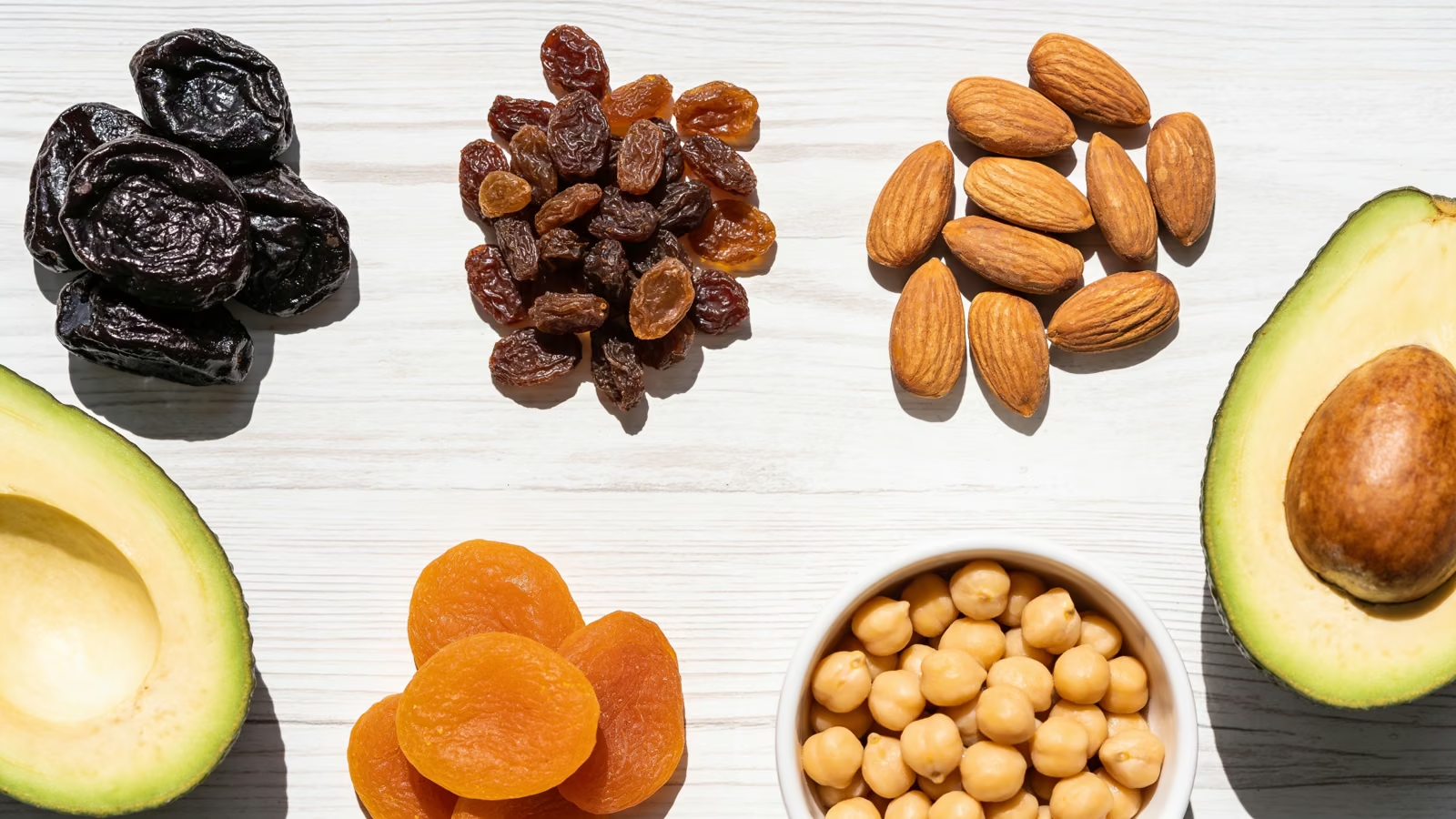
A ketogenic diet involves cutting carbohydrates almost entirely – virtually no bread, pasta, rice, or sugar, alongside minimal fruit and starchy vegetables. Instead, meals consist primarily of healthy fats and protein. Due to carbohydrate restriction, the liver converts fats into ketone bodies to generate cellular energy. The underlying hope is that tumour cells become compromised without their preferred supply of glucose.
It is crucial to understand that completely starving a tumour of sugar is virtually impossible, because the body produces its own glucose via gluconeogenesis, converting compounds such as protein. So, what does the clinical evidence show?
- A 2024 systematic review reported that patients with brain tumours following a ketogenic diet tended to experience longer overall survival.
- A clinical report from Greece (2025) investigated 18 patients with aggressive glioblastoma. Of the six patients who adhered strictly to the diet for at least 6 months, four were still alive 3 years after diagnosis (66.7%).
- In the control group without ketogenic nutrition, only one out of twelve survived for that same duration (8.3%).
As impressive as these figures appear, this represents a very small study with limited data. Professional oncological associations and the British Dietetic Association currently do not recommend the ketogenic diet as a cancer therapy. In national clinical guidelines for complementary oncology, a keto diet is explicitly advised against for normal-weight or underweight cancer patients, primarily due to the severe risk of malnutrition and unintentional weight loss.
Fasting in oncological nutrition: opportunities and risks
Therapeutic fasting involves consuming severely restricted calories, or no calories at all, over a defined period. Animal studies suggest that fasting may activate natural killer cells within the immune system that attack tumours. In mice, tumours in the fasting group were substantially smaller.
However, there is another side to the story. A 2024 study published in Nature by a research team led by Dr Alpaslan Tasdogan (University of Duisburg-Essen) highlighted counterproductive effects: following periods of fasting, subsequent refeeding actually accelerated tumour growth. Researchers observed heightened cell division in the gut alongside the inactivation of an essential tumour suppressor gene (APC). The sudden influx of nutrients following hunger stress triggered a regenerative wave – unfortunately stimulating tumour precursor cells as well.
Furthermore, fasting deprives not only tumour cells of cellular energy, but immune cells as well. Cytotoxic T-cells in particular require substantial energy to destroy abnormal cells. A starved body may have fewer reserves to fight malignancy, meaning the strategy can easily backfire.
Nonetheless, some positive signals exist. A phase II clinical trial from Milan (2023) evaluated a Fasting-Mimicking Diet (FMD) alongside chemotherapy in patients with aggressive triple-negative breast cancer. In subgroup analyses, patients undergoing regular fasting cycles achieved a median survival of approximately 30 months – compared to 17 months in the control group. However, participant numbers were small, and the trial was neither blinded nor randomised.
Should cancer patients avoid sugar in practice?
The notion that one can overcome cancer simply by cutting out sugar is overly simplistic. Clinical trials worldwide are investigating regimens such as 16-hour intermittent fasting. While there are indications of reduced chemotherapy side effects and improved immune modulation, serious cautionary signals from animal models remain.
Crucially, prolonged or extreme fasting during serious illness can lead to dangerous malnutrition, muscle wasting, and cachexia. For this reason, these strategies should never be attempted as self-treatment. A consistent, nutrient-dense cancer diet and close collaboration with your oncology team represent the safest path. Targeted nutrition can support cancer care – it cannot replace it.
Summary
Due to their high energy requirements and affinity for glucose, cancer cells are theoretically vulnerable – the core premise behind metabolic starvation strategies. The ketogenic diet and fasting have shown promising signals in isolated, small-scale studies, particularly in brain tumours and alongside chemotherapy. However, clinical evidence remains limited, and substantial risks exist: refeeding can accelerate tumour growth, and fasting can impair immune function. Clinical oncology guidelines do not recommend the ketogenic diet as a cancer therapy. Anyone exploring whether should cancer patients avoid sugar or adopt restrictive diets must consult their medical team – viewing nutrition strictly as a complementary measure, never as a substitute for evidence-based oncological care.
Frequently asked questions
Can you really starve cancer cells of fuel?
It is impossible to starve cancer cells completely through diet, as the body maintains glucose levels via gluconeogenesis. While dietary modifications can influence metabolic pathways, they cannot cure cancer or replace standard treatment.
What is the Warburg effect?
The Warburg effect refers to tumour cells preferentially metabolising glucose into lactic acid, even in the presence of oxygen. This inefficient process means they consume large quantities of nutrients rapidly.
Does sugar cause cancer?
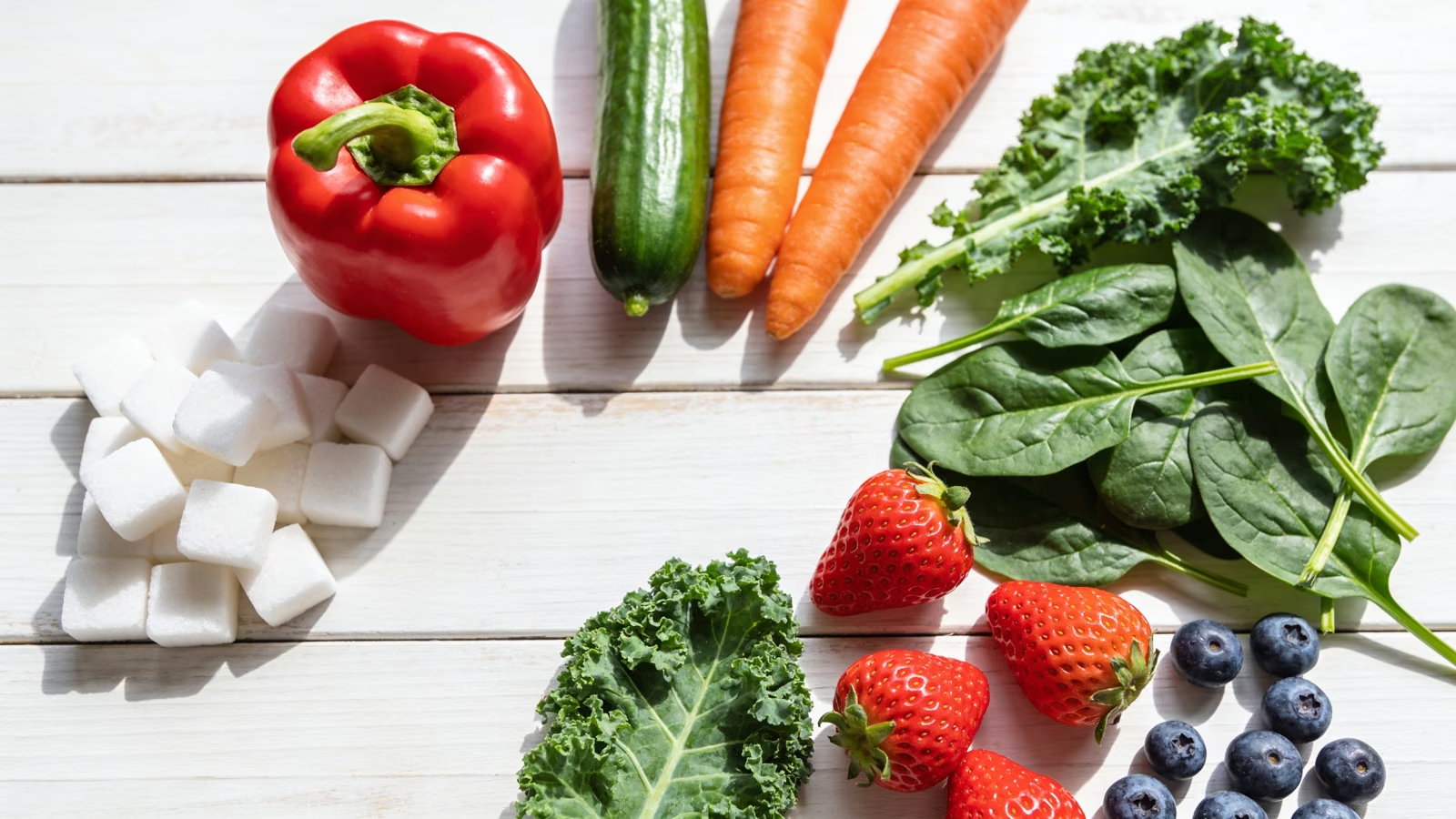
Cancer cells rely heavily on glucose for cellular energy, but consuming sugar does not directly cause cancer cells to multiply in isolation. While excess refined sugar contributes to insulin spikes and obesity, cutting out all carbohydrates will not cure malignancy. A balanced, nutrient-rich diet is essential.
Can a ketogenic cancer diet help treat tumours?
A few small studies in glioblastoma have indicated potential survival advantages. However, leading oncological bodies and the NHS do not recommend ketogenic diets for cancer, not least because of the risk of severe weight loss and malnutrition.
Is fasting beneficial during cancer treatment?
Fasting may enhance certain immune responses and reduce some chemotherapy-related side effects in early studies. However, animal models show that refeeding can stimulate tumour growth, and unsupervised fasting risks critical nutrient deficiencies.
What is a fasting-mimicking diet?
A Fasting-Mimicking Diet (FMD) provides a specific, calorie-restricted meal plan designed to replicate the biological effects of fasting. In a small Milanese trial, it was associated with extended survival when paired with chemotherapy, though larger randomised trials are still required.
Can fasting make cancer worse?
In a 2024 Nature study, the refeeding period following fasting promoted tumour growth and switched off a key tumour suppressor gene. Extreme or erratic fasting followed by sudden overeating may therefore prove detrimental.
Does sugar cause inflammation and should I change my diet?
High intake of refined sugars can trigger insulin spikes and systemic inflammation, but should cancer patients avoid sugar to the point of extreme restriction? Any dietary overhaul during cancer care must be agreed with your clinical oncology team to prevent muscle loss and ensure adequate nourishment.
References and Sources
Review articles, meta-analyses, and controlled trials relating to the topic of this article. Every link was checked for accessibility on 16 August 2026.
- Wali SS.: Fasting and Fasting-Mimicking Diets as Adjunctive Strategies in Cancer Therapy: Mechanisms, Evidence, and Clinical Implications. 2026. PubMed 42125729. DOI: 10.2147/ijgm.s604182.
- Barrea L, Caprio M, Tuccinardi D et al.: Could ketogenic diet “starve” cancer? Emerging evidence. Critical reviews in food science and nutrition 2022. PubMed 33274644. DOI: 10.1080/10408398.2020.1847030.
- Vaupel P, Schmidberger H, Mayer A et al.: The Warburg effect: essential part of metabolic reprogramming and central contributor to cancer progression. International journal of radiation biology 2019. PubMed 30822194. DOI: 10.1080/09553002.2019.1589653.
- Schwartz L, Supuran CT, Alfarouk KO et al.: The Warburg Effect and the Hallmarks of Cancer. Anti-cancer agents in medicinal chemistry 2017. PubMed 27804847. DOI: 10.2174/1871520616666161031143301.
- Liberti MV, Locasale JW: The Warburg Effect: How Does it Benefit Cancer Cells?. Trends in biochemical sciences 2016. PubMed 26778478. DOI: 10.1016/j.tibs.2015.12.001.