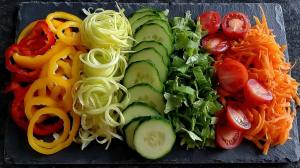

Fibromyalgia affects approximately 2% of the population, causing chronic widespread pain. For many people living with the condition, the pain burden is substantial and severely impairs quality of life. Yet there is hope: adopting an anti-inflammatory fibromyalgia diet has been shown to reduce pain perception and ease symptoms. Current research reveals that plant-based nutrition can lower pain scores by an average of 3 points on a 10-point scale—a clinically meaningful improvement. In this comprehensive guide, you will discover which anti inflammatory foods combat inflammation, how to tailor the best diet for fibromyalgia pain relief, and the scientific evidence supporting these nutritional strategies.
Table of Contents
- Key Takeaways
- Understanding Fibromyalgia – Basics and Diagnosis
- How Diet Influences Inflammation and Pain
- Top 10 Anti-Inflammatory Foods
- Foods to Avoid with Fibromyalgia
- Plant-Based Nutrition as Pain Therapy
- Practical Nutrition Tips for Everyday Life
- Essential Nutrients and Supplements
- Frequently Asked Questions
- Scientific References
Key Takeaways
- Fibromyalgia: Affects 2% of the population, predominantly women – 50% genetic, 50% modifiable through lifestyle factors
- Inflammation: Chronic low-grade inflammation drives pain hypersensitivity and central sensitisation in fibromyalgia
- Plant-based nutrition: Lowers pain scores by an average of 3 points on a 10-point scale – a clinically meaningful outcome
- C-reactive protein: Falls by 33% in just 3 weeks on a whole-food plant-based diet
- Dietary fibre: Nourishes gut bacteria that produce anti-inflammatory short-chain fatty acids
- Polyphenols: Plant-derived antioxidants exert powerful anti-inflammatory and analgesic effects
- Strawberries: 3 cups daily significantly reduce pain and inflammatory markers
- Animal products: Contain arachidonic acid, which fuels inflammation – substantially reduce meat consumption
- Processed foods: Saturated fats, trans fats, and added sugars drive pro-inflammatory cytokines and flare-ups
- Holistic approach: Combining an anti inflammatory diet UK approach with gentle exercise and stress management offers the best results
Understanding Fibromyalgia – Basics and Diagnosis
What is Fibromyalgia?
Fibromyalgia is a chronic pain disorder affecting around 2% of the population, with a markedly higher prevalence in women. The condition is characterised by chronic widespread pain throughout the entire body. For decades, medical professionals frequently dismissed fibromyalgia as psychosomatic, but modern neuroimaging and clinical research have thoroughly overturned this outdated view. Functional brain scans demonstrate clear, measurable disturbances in central pain processing and modulation, resulting in heightened pain perception and central sensitisation.
What are the Symptoms of Fibromyalgia?
The symptoms of fibromyalgia are diverse and extend far beyond pain alone. Primary symptoms include persistent aching across muscles, tendons, and ligaments, often described as a burning, throbbing, or deep gnawing discomfort. Many individuals also contend with profound fatigue, unrefreshing sleep, cognitive difficulties (“fibro fog”), and heightened sensitivity at specific anatomical tender points. Common co-occurring issues include tension headaches, irritable bowel syndrome (IBS), and mood fluctuations. Symptom severity can fluctuate unpredictably, with flare-ups frequently triggered by emotional stress, physical overexertion, or environmental factors.
What Causes Fibromyalgia?
The precise aetiology of fibromyalgia is complex and continues to be investigated. Twin studies indicate that roughly 50% of the risk is genetic, whilst the remaining 50% is determined by environmental and lifestyle factors—an encouraging insight, as lifestyle components can be actively modified. Persistent inflammatory mechanisms are widely considered a key contributor to chronic symptoms. When inflammatory cascades are triggered, pro-inflammatory cytokines stimulate peripheral nociceptors; over time, sustained activation leads to central sensitisation in the spinal cord and brain. This mechanism explains why individuals with fibromyalgia experience amplified pain responses compared to healthy controls.
How is Fibromyalgia Diagnosed?
Diagnosing fibromyalgia involves a process of clinical evaluation and exclusion, as there is no single laboratory test or imaging scan that confirms the condition. NHS GPs and rheumatologists assess comprehensive patient histories, carry out physical examinations, and perform targeted blood tests to rule out conditions with overlapping presentations, such as rheumatoid arthritis, lupus, or thyroid dysfunction. The American College of Rheumatology (ACR) diagnostic criteria focus on chronic widespread pain across multiple body regions persisting for at least three months, alongside characteristic symptoms such as fatigue, non-restorative sleep, and cognitive impairment. The historical 18-point tender point examination is now less heavily relied upon, reflecting the modern consensus that pain hypersensitivity in fibromyalgia is generalised rather than confined to isolated spots.
How an Anti-Inflammatory Fibromyalgia Diet Influences Pain
How Does Diet Affect Fibromyalgia?
Nutrition exerts a direct and measurable influence on systemic inflammation and pain perception in fibromyalgia. Landmark clinical research demonstrates that a pro-inflammatory eating pattern strongly correlates with heightened pain sensitivity in patients. The underlying mechanism is well-documented: dietary components such as saturated fats, trans fats, and excess cholesterol from ultra-processed foods and animal products stimulate pro-inflammatory cytokines. In contrast, whole-food plant-based nutrition rich in dietary fibre, phytonutrients, and polyphenols delivers powerful anti-inflammatory effects. By identifying individual fibromyalgia food triggers and adopting an anti inflammatory diet UK guidelines support, individuals can actively lower baseline inflammation and manage symptom intensity.
How Can Diet Relieve Pain?
The pain-relieving efficacy of an anti-inflammatory dietary pattern rests on several validated biological mechanisms. Firstly, soluble and insoluble dietary fibre from wholemeal cereals, pulses, vegetables, and fruit is fermented by the gut microbiome. This fermentation produces short-chain fatty acids such as butyrate, which act as crucial mediators of pain regulation and exert systemic anti-inflammatory actions. Eating plenty of fibre cultivates these protective bacteria—effectively establishing your own internal anti-inflammatory defence. Secondly, plant polyphenols from berries, green tea, extra virgin olive oil, and culinary herbs act as potent antioxidants that directly suppress inflammatory signalling pathways. Thirdly, minimising inflammatory triggers reduces chemical irritation of pain pathways throughout the central nervous system.
What Role Does Gut Health Play?
The gut microbiome plays a fundamental role in fibromyalgia and chronic widespread pain regulation. The human digestive tract harbours trillions of microorganisms that govern nutrient absorption and modulate immune responses. An altered microbial balance (dysbiosis) can compromise the gut mucosal barrier (“leaky gut”), allowing inflammatory metabolites to enter the bloodstream and fuel systemic inflammation. Prebiotic dietary fibre from plant foods feeds beneficial gut bacteria, prompting them to generate short-chain fatty acids that protect the intestinal lining and calm systemic immune activity. Incorporating traditional fermented foods such as sauerkraut, kimchi, or live unsweetened yoghurt can further introduce beneficial bacterial strains to support digestive and immune resilience.
Why are Antioxidants Important?
Antioxidants are essential for mitigating oxidative stress and controlling chronic inflammation. During ongoing inflammatory reactions, cells produce excess free radicals—unstable oxygen molecules that damage cellular structures and amplify pain signalling. Antioxidants neutralise these reactive compounds, breaking the cycle of tissue stress and pain amplification. Brightly coloured fruit and vegetables are particularly dense in these protective molecules: as a rule, deeper natural pigments signify higher concentrations of phytonutrients. Berries are abundant in anthocyanins, dark leafy greens supply lutein and chlorophyll, tomatoes offer lycopene, and citrus fruits provide vitamin C and flavonoids. Consuming a wide variety of plant foods ensures a broad spectrum of synergistic antioxidants working to protect your cells.
Top 10 Anti-Inflammatory Foods for a Fibromyalgia Diet
What Are Anti-Inflammatory Foods?
Anti-inflammatory foods are natural whole foods that contain specific bioactive compounds capable of reducing inflammatory processes throughout the body. Unlike pro-inflammatory foods that exacerbate chronic widespread pain and stiffness, anti-inflammatory foods actively help lower inflammatory markers and calm pain pathways. When planning an effective fibromyalgia diet, the following top 10 anti-inflammatory foods should become regular staples in your daily meals:
1. Berries (blueberries, raspberries, strawberries)
Berries are true nutritional powerhouses for managing symptoms. They contain high concentrations of polyphenols and anthocyanins, which exert potent anti-inflammatory effects. A randomised, double-blind crossover study demonstrated that consuming approximately 3 cups of strawberries daily significantly improved pain scores and reduced inflammatory markers. Regularly enjoying berries is one of the simplest and most delicious ways to fight inflammation naturally.
2. Dark leafy greens (spinach, kale, Swiss chard)
Leafy green vegetables provide vitamins A, C, and K, alongside numerous phytochemicals with strong anti-inflammatory properties. Their rich chlorophyll content provides valuable antioxidants and supports natural cellular protection. Aim for at least one generous portion of dark leafy greens every day – whether tossed into a fresh salad, blended into a morning smoothie, or lightly steamed as a side dish.
3. Cruciferous vegetables (broccoli, cauliflower, Brussels sprouts)
Cruciferous vegetables are packed with sulforaphane, a plant compound renowned for its powerful anti-inflammatory and cellular defence mechanisms. Broccoli is an exceptionally rich source of this compound. Furthermore, cruciferous veg provides abundant dietary fibre that nourishes your gut microbiome and supports healthy digestion. To preserve maximum nutrients, steam or lightly blanch your vegetables rather than boiling them for extended periods.
4. Turmeric
This vibrant golden spice contains curcumin, one of the most thoroughly researched anti-inflammatory plant compounds available. Curcumin functions via pathways comparable to non-steroidal anti-inflammatory drugs (NSAIDs), but without the associated gastrointestinal side effects. Always combine turmeric with a pinch of black pepper (piperine) to boost curcumin absorption by up to 2,000%. A practical tip: stir a level teaspoon of ground turmeric into curries, soups, or warm plant milk daily.
5. Ginger
Ginger is rich in gingerols, active compounds with documented analgesic and anti-inflammatory properties. Research indicates that ground ginger powder can match the pain-relieving efficacy of common painkillers such as ibuprofen, particularly for inflammatory and menstrual pain. Adding fresh ginger tea, freshly grated ginger root in cooking, or cold-pressed ginger shots can help reduce symptom severity and soothe flare-ups.
6. Oily fish (salmon, mackerel, sardines) or algae oil
The omega-3 fatty acids EPA and DHA found in oily fish possess profound anti-inflammatory properties. For vegetarians and vegans, pure microalgae oil provides an exceptional direct source of EPA and DHA without the environmental contaminants (such as heavy metals) or sustainability concerns associated with marine fish. Aim for 2 to 3 portions of sustainably sourced oily fish per week, or take a daily high-quality algae oil supplement.
7. Nuts and seeds (walnuts, flaxseed, chia seeds)
Nuts and seeds supply alpha-linolenic acid (ALA) – an essential plant-based omega-3 fatty acid – alongside essential minerals, plant protein, and protective antioxidants. Walnuts boast the highest omega-3 profile among all tree nuts. Whole flaxseeds (linseeds) should be finely milled or ground to ensure your body can absorb their nutrients. A daily handful of raw walnuts or 1 to 2 tablespoons of milled flaxseed stirred into porridge oats or yoghurt is ideal.
8. Extra virgin olive oil
High-quality cold-pressed extra virgin olive oil contains oleocanthal, a natural polyphenol that inhibits inflammatory enzymes in a manner remarkably similar to ibuprofen. It also delivers an array of complementary antioxidants that shield cells against oxidative stress. Drizzle 2 to 3 tablespoons daily over steamed vegetables or raw salads, reserving higher-heat frying for other suitable oils.
9. Green tea
Green tea is an outstanding source of epigallocatechin gallate (EGCG), one of nature’s most potent polyphenols and antioxidants. EGCG inhibits inflammatory signalling pathways and protects nerve tissues against oxidative damage. Enjoy 2 to 3 cups of green tea daily without refined sugar. For optimum flavour and polyphenol extraction without bitterness, brew leaves in water at around 80°C for 3 to 5 minutes.
10. Fermented foods (sauerkraut, kimchi, miso)
Naturally fermented foods supply billions of live probiotic bacteria that nurture the gut microbiome and help downregulate systemic inflammation. Traditional sauerkraut and kimchi are especially rich in beneficial lactic acid bacteria. Ensure you choose raw, unpasteurised varieties from the chilled aisle, as heat pasteurisation destroys these delicate live cultures. Incorporating 1 to 2 tablespoons daily alongside meals promotes a healthy gut environment.
Which Foods Are Good for Fibromyalgia?
Beyond the top 10 anti-inflammatory foods, several other nutrient-dense staples support overall wellbeing: whole grains (such as jumbo porridge oats, quinoa, and brown rice) deliver complex carbohydrates and sustained dietary fibre. Pulses (including lentils, chickpeas, and black beans) offer clean plant protein and prebiotic fibre. Citrus fruits provide vitamin C and bioflavonoids, while ripe tomatoes supply lycopene. Garlic and onions contain allicin and quercetin to modulate immune activity, and avocados supply heart-healthy monounsaturated fats. A colourful, varied plate remains the cornerstone of nutritional therapy.
Foods to Avoid: Identifying Fibromyalgia Food Triggers
Which Foods Should You Avoid with Fibromyalgia?
Eliminating pro-inflammatory dietary drivers is just as critical as introducing healing whole foods. To minimise symptom severity and prevent painful flare-ups, consider significantly reducing or removing these common fibromyalgia food triggers:
Red meat and processed meat: These products contain substantial amounts of arachidonic acid, an omega-6 fatty acid converted by the body into pro-inflammatory cytokines and prostaglandins. Sausages, ham, bacon, and fatty cuts of beef or pork should be strictly limited.
Ultra-processed foods: Ready meals, fast food, and heavily refined packaged snacks frequently contain industrial trans fats, hydrogenated oils, refined sugars, and chemical additives that trigger low-grade systemic inflammation and heighten pain sensitivity.
Refined sugar and white flour products: Refined sugars, white bread, pastries, and confectionery cause sharp spikes in blood glucose and insulin, fuelling inflammatory cascades. Replace white flour and sweets with wholemeal alternatives, whole grains, and the natural sweetness of whole fruit.
Excess saturated fats: Saturated fats derived from butter, double cream, lard, and high-fat cheeses can exacerbate inflammatory responses. Prioritise wholesome plant-based fats from nuts, seeds, extra virgin olive oil, and avocados instead.
Alcohol and excess caffeine: In many individuals, alcohol and high caffeine intake disrupt restorative deep sleep, irritate the nervous system, and trigger acute symptom flare-ups; they are best kept to a minimum or avoided entirely.
Should You Avoid Meat with Fibromyalgia?
Clinical evidence strongly suggests that significantly reducing meat intake – or adopting a completely plant-based approach – offers considerable therapeutic benefits for fibromyalgia. The underlying mechanism relates to arachidonic acid, an inflammatory fatty acid found almost exclusively in animal tissue. When metabolised, arachidonic acid generates inflammatory prostaglandins and leukotrienes that heighten central sensitisation. Clinical trials demonstrate that dietary patterns eliminating animal products consistently improve tender point counts, morning stiffness, and overall quality of life across fibromyalgia, rheumatoid arthritis, and osteoarthritis. Crucially, these symptomatic improvements occur even when body weight remains constant, confirming that symptom relief stems directly from the anti-inflammatory properties of plant-derived nutrition rather than weight loss alone.
What Does Arachidonic Acid Do in the Body?
Arachidonic acid is a polyunsaturated omega-6 fatty acid that serves as a direct precursor for the synthesis of pro-inflammatory eicosanoids. While the human body requires minute quantities of arachidonic acid for basic cellular functions, modern Western diets supply an excessive surplus. This dietary overload drives the overproduction of inflammatory mediators that amplify tissue irritation and lower the pain threshold in the central nervous system. The highest concentrations of arachidonic acid occur in factory-farmed red meat, egg yolks, poultry skin, and processed charcuterie. Unrefined plant foods contain virtually no arachidonic acid, which explains why transitioning towards plant-based nutrition rapidly reduces the body’s inflammatory burden.
Fibromyalgia and Vegan Diet: Plant-Based Nutrition for Pain Relief
Does a Plant-Based Diet Help with Fibromyalgia?
Scientific research provides clear validation: structured plant-based nutrition delivers measurable, significant relief for chronic musculoskeletal conditions and central sensitisation. Recent clinical investigations exploring fibromyalgia and vegan diet interventions observed profound improvements in both pain severity scores and daily physical function. Participants achieved an average pain reduction of 3 full points on a standard 10-point visual analogue scale – dropping from an initial baseline of 5–6 down to an average of 2. In clinical rheumatology, a 1-point reduction is recognised as clinically meaningful; a 3-point decrease represents a life-changing, transformative outcome.
What Is the Best Diet for Fibromyalgia Pain Relief?
For sustainable symptom control, the best diet for fibromyalgia pain relief centres on whole, unrefined plant foods rich in protective phytonutrients, antioxidants, and dietary fibre. In practical terms, build your meals around this framework: fill at least half of your plate with colourful vegetables; include daily portions of legumes such as lentils, chickpeas, or kidney beans as clean protein sources; choose wholemeal grains and porridge oats over refined carbohydrates; consume 2 to 3 portions of fresh fruit daily (favouring berries); and integrate healthy fats from seeds, walnuts, and avocados. Season generously with anti-inflammatory herbs and spices like ginger and turmeric, and drink green tea alongside plenty of pure water. This way of eating not only calms nervous system hypersensitivity, but also helps manage common co-morbidities including hypertension, type 2 diabetes, high cholesterol, and cardiovascular disease.
Furthermore, an unrefined, strictly plant-based diet rich in colourful vegetables, fruit, whole grains, pulses (such as split peas, chickpeas, beans, and lentils), seeds, and nuts has been shown to reduce serum C-reactive protein (CRP) – a premier clinical biomarker of systemic inflammation – by an impressive 33% in just 3 weeks.
Anti-Inflammatory Diet UK: Practical Everyday Tips
How Do I Transition My Diet?
Transitioning to an anti-inflammatory eating pattern does not have to happen overnight; a phased, realistic approach ensures long-term consistency. In week 1, swap one meat-heavy dinner for a wholesome plant-based meal, such as a hearty red lentil and vegetable curry. In week 2, add a generous handful of blueberries or raspberries to your morning porridge oats. In week 3, replace white bread and refined pasta with wholemeal and brown grain options. Batch cooking and meal prep simplify the weekly routine: prepare larger batches of quinoa, brown basmati rice, or puy lentils at the weekend to combine with freshly prepped vegetables during busy weekdays. Keep nutrient-dense snacks – such as raw almonds, whole fruit, and crunchy vegetable batons – within easy reach.
Does Intermittent Fasting Help with Fibromyalgia?
Time-restricted eating, particularly the popular 16:8 intermittent fasting method (fasting for 16 hours overnight and consuming meals within an 8-hour window), can offer notable relief for some individuals. Fasting affords the digestive tract and gut microbiome dedicated time to recover, helping clear cellular debris and lower inflammatory tone. However, the nutritional quality of the eating window is paramount: meals must consist of wholesome, anti-inflammatory foods rather than processed convenience items. Begin gently, assess how your energy and pain levels respond, and adapt accordingly; some individuals thrive on consistent, evenly spaced meals, whereas others experience great benefits with fasting. Listen carefully to your body’s signals.
Can You Lose Weight with Fibromyalgia?
Yes, and achieving a healthy weight often alleviates mechanical joint strain and reduces inflammatory adipokines secreted by excess fat tissue. Nevertheless, clinical studies into plant-based nutrition demonstrate that fibromyalgia symptoms improve markedly even when body weight remains entirely stable. This confirms that the therapeutic effect is driven fundamentally by anti-inflammatory phytonutrients rather than caloric restriction alone. The most sustainable strategy is a nutrient-dense whole food diet, which naturally encourages gradual, healthy weight loss where needed – without onerous calorie counting or restrictive crash dieting.
What Should You Drink with Fibromyalgia?
Optimal daily hydration is vital for cellular health and flushing metabolic waste products. Aim to drink 1.5 to 2 litres of water throughout the day. Freshly brewed green tea represents an exceptional beverage choice due to its high concentration of neuroprotective polyphenols. Herbal infusions such as fresh ginger root tea, turmeric tea, or peppermint can also soothe discomfort. While freshly prepared vegetable juices offer concentrated micronutrients, they should complement rather than replace whole fruits and vegetables, which retain intact prebiotic fibre. Minimise sugar-sweetened soft drinks, energy drinks, excess coffee, and alcohol, as these disrupt restorative sleep patterns and frequently act as inflammatory triggers.
Essential Nutrients and Supplements for a Fibromyalgia Diet
Which nutrients are particularly important?
When managing fibromyalgia, you should ensure an adequate intake of the following key nutrients:
Vitamin D: Many people with fibromyalgia have low vitamin D levels. Vitamin D plays a vital role in immune function and pain regulation. Ask your GP to check your vitamin D levels and take supplements if necessary (typically 1,000–2,000 IU daily during the winter months).
Magnesium: This essential mineral supports muscle and nerve function. Magnesium can help reduce muscle cramps and improve sleep quality. Good dietary sources include leafy green vegetables, nuts, seeds, and wholemeal products. If required, 300–400 mg of magnesium can be supplemented daily.
Omega-3 fatty acids: EPA and DHA provide powerful anti-inflammatory effects. If you do not eat oily fish, an algae oil supplement is an excellent alternative (around 250–500 mg of EPA+DHA daily).
Vitamin B12: Particularly vital for anyone following a fibromyalgia and vegan diet. B12 is essential for healthy nerve and brain function. Supplement with 1,000 µg daily or 2,000 µg twice weekly.
Iron, zinc, and selenium: These trace minerals are crucial for immune defence and energy metabolism. On a whole-food, plant-based nutrition plan, they are easily obtained from pulses, wholemeal grains, nuts, and seeds.
Please note: Supplements should complement a healthy diet, not replace it. The synergistic effect of all nutrients found in whole foods is far superior to isolated compounds.
Frequently Asked Questions
Which anti inflammatory foods should I eat daily?
Aim to include at least 3 portions of vegetables daily (especially berries, leafy greens, and cruciferous vegetables), 1–2 portions of fruit, a handful of nuts or seeds, along with turmeric and ginger as seasonings. Drink 2–3 cups of green tea. Base your meals around wholemeal grains and pulses. Adopting an anti inflammatory diet UK guidelines support can demonstrably reduce inflammation.
How quickly does the best diet for fibromyalgia pain relief work?
Initial improvements can often be felt after just 2–3 weeks. Clinical studies show that C-reactive protein (a key inflammatory marker) can drop by 33% in only 3 weeks, helping to lower pro-inflammatory cytokines. The full pain-relieving effect usually develops over 4–8 weeks. Consistency is key—the longer you stick to the dietary plan, the more noticeable the reduction in flare-ups.
Can I cut out meat entirely and still get enough protein?
Yes, absolutely! Pulses, lentils, chickpeas, beans, tofu, tempeh, quinoa, nuts, and seeds provide plenty of plant-based protein. One cup of cooked lentils provides around 18 g of protein. A varied plant-based diet ensures optimal protein intake whilst helping you avoid pro-inflammatory arachidonic acid found in meat.
What should I do if changing my diet feels overwhelming?
Take it step by step! Avoid trying to overhaul everything overnight. Start by swapping one meal a week, then build up gradually. Focus on adding anti-inflammatory foods (such as berries and vegetables) before cutting things out, or consider an elimination diet to identify fibromyalgia food triggers. Batch cooking makes meal preparation much easier. If needed, a registered dietitian can offer personalised support.
Scientific References
- Bair MJ, Krebs EE. (2020). Fibromyalgia. Ann Intern Med. 172(5):ITC33-ITC48.
- Heidari F, Afshari M, Moosazadeh M. (2017). Prevalence of fibromyalgia in general population and patients, a systematic review and meta-analysis. Rheumatol Int. 37(9):1527-1539.
- Sosa-Reina MD, et al. (2017). Effectiveness of Therapeutic Exercise in Fibromyalgia Syndrome: A Systematic Review and Meta-Analysis of Randomized Clinical Trials. Biomed Res Int. 2017:2356346.
- Elma Ö, et al. (2020). Do Nutritional Factors Interact with Chronic Musculoskeletal Pain? A Systematic Review. J Clin Med. 9(3):702.
- Correa-Rodríguez M, et al. (2020). Dietary Inflammatory Index Scores Are Associated with Pressure Pain Hypersensitivity in Women with Fibromyalgia. Pain Med. 21(3):586-594.
- Bjørklund G, et al. (2019). Does diet play a role in reducing nociception related to inflammation and chronic pain? Nutrition. 66:153-165.
- Schell J, et al. (2017). Strawberries Improve Pain and Inflammation in Obese Adults with Radiographic Evidence of Knee Osteoarthritis. Nutrients. 9(9):949.
- Towery P, et al. (2018). Chronic musculoskeletal pain and function improve with a plant-based diet. Complement Ther Med. 40:64-69.
- Sutliffe JT, et al. (2015). C-reactive protein response to a vegan lifestyle intervention. Complement Ther Med. 23(1):32-37.
- Bunner AE, et al. (2014). Nutrition intervention for migraine: a randomized crossover trial. J Headache Pain. 15:69.
Scientific References
Systematic reviews, meta-analyses and controlled clinical trials on this topic. All links were checked for availability on 16 August 2026.
- Miller EE, Jayakrishnan S, Froio F et al.: Mediterranean diet and its low-antigenic and anti-inflammatory properties on fibromyalgia: a systematic review. Clinical and experimental rheumatology 2025. PubMed 40576703. DOI: 10.55563/clinexprheumatol/2usk4p.
- Kahraman T, Ayaz A.: Dietary Phytonutrients in Fibromyalgia: Integrating Mechanisms, Biomarkers, and Clinical Evidence-A Narrative Review. 2025. PubMed 41470214. DOI: 10.3390/medicina61122211.
- Tomaino L, Serra-Majem L, Martini S et al.: Fibromyalgia and Nutrition: An Updated Review. Journal of the American College of Nutrition 2021. PubMed 32902371. DOI: 10.1080/07315724.2020.1813059.
- Lowry E, Marley J, McVeigh JG et al.: Dietary Interventions in the Management of Fibromyalgia: A Systematic Review and Best-Evidence Synthesis. Nutrients 2020. PubMed 32878326. DOI: 10.3390/nu12092664.