
Around 99 per cent of people have an inadequate omega-3 level, as measured by the omega 3 index. Yet these essential fatty acids are vital for our cells, heart and brain. However, not all omega-3s are the same: the two primary forms, EPA and DHA, perform entirely different functions. Without knowing this, it is easy to make the wrong choice when buying. Here is what really matters.
Key takeaways: omega 3 benefits at a glance
- The omega 3 index averages only around 4 per cent – whereas the optimal target is 8 to 11 per cent.
- EPA and DHA serve distinct roles: EPA has an anti-inflammatory effect, whilst DHA is a structural building block for the brain and eyes.
- The most common purchasing mistake: focusing solely on the total quantity of oil rather than the actual EPA and DHA content.
- In clinical studies, EPA reduced inflammatory markers, triglycerides and symptoms of depression.
- Omega-3 algae oil provides a high-quality plant-based alternative to fish oil for those who do not eat seafood.
Omega 3 index: why 99 per cent of people fall short
The omega 3 index is a blood test that measures the proportion of EPA and DHA in red blood cell membranes, reflecting your actual fatty acid profile over several weeks. The average level stands at just roughly 4 per cent – well below the optimal target range of 8 to 11 per cent. Startlingly, only about 0.4 per cent of people reach this optimal bracket.
At the same time, modern diets have skewed the ratio of omega-6 to omega-3 unfavourably. Observational studies show that the higher this ratio climbs, the higher the overall risk of mortality, as well as the risk of dying from cancer or cardiovascular disease.
EPA and DHA: the decisive difference
The two key omega-3 fatty acids fulfil very different roles in the body:
| EPA (Eicosapentaenoic Acid) | DHA (Docosahexaenoic Acid) | |
|---|---|---|
| Primary role | Anti-inflammatory regulation | Structural building block |
| Main focus | Inflammation, cardiovascular health, blood lipids, mood | Brain, nervous system, vision |
EPA acts as a direct antagonist to the omega-6 fatty acid arachidonic acid: both compete for the same enzymes. When more EPA is available, fewer pro-inflammatory messengers are produced, promoting instead anti-inflammatory resolving mediators such as resolvins.
Omega 3 benefits: how EPA supports inflammation, cardiovascular health and mood
The anti-inflammatory properties of EPA are well documented:
- Inflammation: In older overweight adults, omega-3 reduced the inflammatory marker interleukin-6 by 10 to 12 per cent after four months, whereas levels increased in the placebo group.
- Mood: A meta-analysis of 26 studies demonstrated that EPA-rich supplements can significantly reduce depressive symptoms. In one trial, 1 gram of EPA daily lowered symptoms by 35 per cent in 12 weeks.
- Heart: In a major trial involving over 8,000 participants, 4 grams of EPA daily lowered triglycerides by 20 to 30 per cent over five years and reduced the risk of cardiovascular events by approximately 25 per cent.
What DHA means for the brain and eyes
DHA is primarily a structural component. Within the brain, it maintains the structure and function of neurons, ensuring the flexibility of cellular membranes and efficient signal transmission. In one study, DHA supplementation improved working memory in young adults.
DHA is also concentrated heavily in the retina of the eye, supporting light-sensitive cells. In infants fed a DHA-enriched diet, visual acuity improved measurably – equivalent to roughly one and a half lines on a standard eye chart. Maintaining a sufficient DHA intake during pregnancy and breastfeeding is therefore especially vital for a child’s development.
Omega-3 deficiency: sources, fish oil and the conversion catch
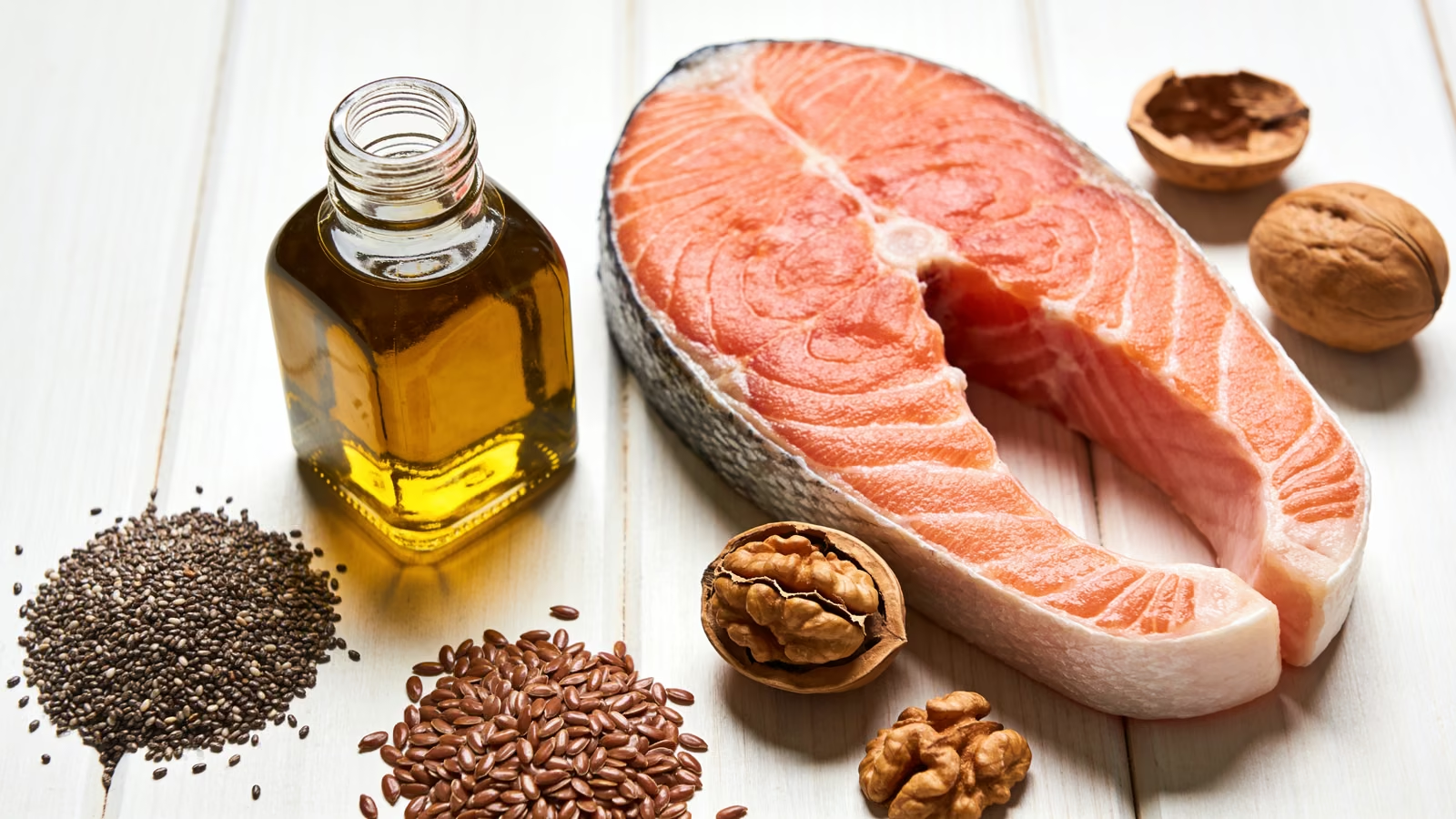
Plant sources such as flaxseeds, chia seeds and walnuts contain the precursor alpha-linolenic acid (ALA). However, the body converts only very small amounts of ALA into the active forms EPA and DHA. Direct dietary sources of EPA and DHA are found in oily fish such as salmon and mackerel, as well as traditional fish oil.
Anyone who does not eat fish regularly can turn to algae oil – a complete, plant-based source of pure EPA and DHA.
Choosing the best omega 3 supplement: omega 3 capsules and algae oil
The most frequent mistake when buying omega 3 capsules or liquid oil is looking only at the total oil volume rather than the active EPA and DHA concentration. When shopping, always look for:
- EPA and DHA content: the active fatty acids that provide real benefits, not just the total oil weight
- The right ratio: a higher EPA proportion for inflammation and heart health; higher DHA for brain and eye support
- Quality: verified purity, freshness and a low oxidation value (Totox score)
- Algae oil: an excellent plant-based alternative to fish oil, ideal for non-fish eaters
Summary
Omega-3 deficiency is one of the most widespread nutritional shortcomings, with the vast majority of people falling below healthy benchmarks. The key is understanding that EPA and DHA have different jobs: EPA regulates inflammation, cardiovascular health and mood, whilst DHA serves as the structural foundation for cellular membranes in the brain and eyes. When choosing the best omega 3 supplement, focus on the exact EPA and DHA levels and the ratio tailored to your health goals rather than overall oil volume. For those avoiding fish, high-grade algae oil provides an ideal solution. As with all nutritional interventions, patience is vital – improvements in your fatty acid profile develop over months and years.
Frequently asked questions
What is the omega 3 index?
It is a blood test measuring the percentage of EPA and DHA in red blood cell membranes, showing your true fatty acid supply over several weeks. The average level is only around 4 per cent, whereas the optimal target is 8 to 11 per cent.
What is the difference between EPA and DHA?
EPA provides anti-inflammatory effects and supports cardiovascular health and mood. DHA is a structural building block for the brain, nervous system and eyes.
What is the most common mistake when buying omega 3 supplements?
Focusing solely on the total amount of oil instead of checking the actual dosage of EPA and DHA – the biologically active fatty acids.
Is omega-3 algae oil as effective as fish oil?
Yes. Algae oil directly provides EPA and DHA and is a fully equivalent plant-based alternative to fish oil, making it ideal for vegetarians and vegans.
Are flaxseeds and walnuts sufficient for omega-3 intake?
They provide the plant precursor ALA, which the human body converts into active EPA and DHA in only negligible amounts. They are usually insufficient as a sole source.
Can omega 3 supplements help with depression?
Clinical studies show that EPA-dominant supplements can significantly reduce depressive symptoms, with one trial recording a 35 per cent reduction.
Why is DHA important during pregnancy?
DHA is a critical structural element for the developing baby’s brain and eyes. Maintaining adequate DHA intake during pregnancy and breastfeeding supports optimal infant development.
How quickly do omega 3 supplements work?
Changes do not happen overnight. Positive effects on triglycerides, inflammation or mood unfold gradually over weeks, months and years, requiring steady consistency.