
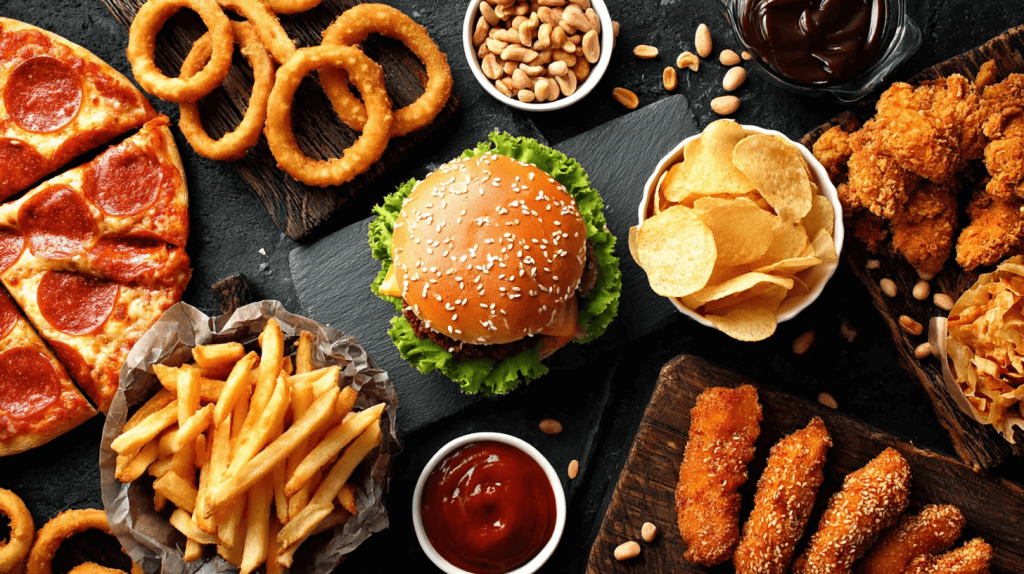
One in five deaths worldwide is attributable to unhealthy eating. Millions of people know full well that fast food, ready meals, and sugary drinks harm their health – yet they consume them anyway. Why do people make poor dietary choices even when they are fully aware of the consequences? The answer lies not merely in a lack of nutritional awareness, but primarily in deep-seated psychological mechanisms such as the optimism bias. This cognitive bias leads us to believe we live more healthily than the average person, even when our actual dietary habits are far from beneficial.
In this article, we explore the scientific evidence behind unhealthy eating behaviour, examine the role psychology plays in our food choices, and outline practical strategies to help you overcome poor dietary habits – without the burden of guilt.
Table of Contents
- Key Takeaways
- What is Unhealthy Eating?
- The Optimism Bias: Why We Think We Eat More Healthily
- Psychological Reasons for an Unhealthy Diet
- Eating Too Quickly: An Underestimated Health Risk
- Health Consequences of an Unhealthy Diet
- Genetics vs Lifestyle: What Really Matters?
- Diet-Related Diseases at a Glance
- How an Unhealthy Diet Changes the Body
- Strategies for Healthier Eating Behaviour
- From Guilt to Responsibility: The Right Mindset
- Scientific Sources
Key Takeaways
- One in five deaths linked to poor nutrition: Globally, one in five deaths is directly attributable to an unhealthy diet – 70% of all chronic illnesses in industrialised nations are diet-related and therefore preventable.
- The optimism bias hinders change: People tend to believe they eat more healthily than the average person, even when their diet is objectively poor – this psychological self-defence mechanism prevents necessary behavioural change.
- Knowledge alone is not enough: Most people know what constitutes a balanced diet, but a lack of motivation and psychological barriers prevent them from translating nutritional awareness into daily action.
- Eating too quickly makes you ill: Rushing meals disrupts digestion, contributes to excess weight, and raises the risk of metabolic syndrome, type 2 diabetes, and cardiovascular disease.
- Short-term effects appear within days: After just a few days of poor nutrition, negative effects on the immune system and an increased susceptibility to infections become evident.
- Genetics play a minimal role: Only 10% of chronic diseases are genetically predetermined – 90% of cancer cases are preventable through lifestyle and dietary modifications.
- Family patterns are habits, not genetics: What runs in families is typically unhealthy dietary habits and learned behaviours, rather than faulty genes.
- Parallels with smoking: Much like smokers, individuals with poor dietary habits systematically underestimate their personal health risks whilst overestimating genetic factors.
- Environmental factors shape behaviour: Easy availability, aggressive advertising, time pressures, and social norms push us towards poor choices – personal responsibility does not exist in a vacuum.
- From guilt to responsibility: Rather than feeling guilty, individuals should recognise their own agency – everyone has the power to make positive choices for their future health.
What is Unhealthy Eating?
What constitutes an unhealthy diet?
Unhealthy eating refers to an eating behaviour characterised by a high intake of ultra-processed foods, saturated fats, refined sugar, and salt, alongside an inadequate intake of essential nutrients such as vitamins, minerals, fibre, and healthy fats. This includes fast food, ready meals, sugary drinks, commercially processed snacks, and products laden with trans fats.
However, poor dietary habits are not just about food selection – how and when we eat also plays a decisive role. Eating in a rush, mindless snacking, late-night eating, and distracted eating in front of the television or a computer screen are behaviours that contribute to unhealthy eating, even if the food items themselves are not inherently detrimental.
What eating unhealthy can do to you
The health consequences of an unhealthy diet are serious and can manifest much faster than many realise. Within just a few days, an impaired immune response and heightened vulnerability to bacterial infections can develop. Over the longer term, unhealthy eating leads to:
- Overweight and obesity: Excessive calorie consumption coupled with nutrient deficiencies results in unwanted weight gain.
- Metabolic disorders: Insulin resistance, metabolic syndrome, and type 2 diabetes develop as a result of chronically elevated blood sugar levels.
- Cardiovascular disease: Atherosclerosis, high blood pressure, heart attacks, and strokes are exacerbated by saturated and trans fats.
- Inflammatory processes: Chronic low-grade inflammation throughout the body fuels numerous long-term conditions.
- Gut health: The gut microbiome is disrupted, leading to digestive issues and weakened immune defences.
- Cancer: Certain types of cancer are significantly promoted by poor dietary choices.
Germany, for instance, occupies a concerning position: ranking near the top in Western Europe for diet-related cardiovascular fatalities. Across Western industrialised nations, more than 70 per cent of all chronic illnesses are heavily driven by nutrition or lifestyle – meaning they are largely preventable.
The Optimism Bias: Why We Think We Eat More Healthily
What is the optimism bias in nutrition?
The optimism bias is a psychological phenomenon whereby individuals systematically believe that negative events are far more likely to happen to others than to themselves. In the context of nutrition, this means that most people are convinced they follow a healthier diet than the average person – even when their actual dietary habits are objectively poor.
Studies show that people systematically underestimate their intake of red meat, fatty foods, eggs, sweets, alcohol, and butter. When asked how much junk food or unhealthy fare they consume, respondents regularly claim to eat less than the average individual. This distorted self-perception is not deliberate dishonesty; it is an unconscious coping mechanism designed to protect our psyche.
Why do people think they eat better than the average?
The optimism bias serves an important psychological function: it protects our self-esteem and reduces anxiety. Acknowledging how poor our nutritional choices truly are would force us to confront uncomfortable realities regarding our personal health risks.
Research demonstrates that people not only downplay their unhealthy eating behaviour, but also resort to two primary defence strategies when confronted with reality:
- Behavioural denial: “I really don’t eat that much fast food” – people reduce their estimates even further when presented with data on actual average consumption.
- Risk trivialisation: “Meat isn’t actually that bad for you” – the perceived severity of the unhealthy habit is downplayed.
These psychological mechanisms explain why public health campaigns frequently struggle to make an impact: those who do not view themselves as part of an at-risk group simply ignore preventive advice.
How does psychology influence our eating behaviour?
Psychological triggers play a vastly greater role in driving poor nutritional choices than most people assume. Alongside the optimism bias, several other psychological factors dictate our eating behaviour:
- Cognitive dissonance: The tension between knowledge (“fast food is bad for me”) and action (“I’m eating it anyway”) creates psychological discomfort, which we attempt to resolve through rationalisation.
- Instant gratification vs long-term consequences: Processed foods and junk food offer immediate sensory satisfaction and convenience, whereas the adverse health consequences lie in the distant future.
- Habit formation and the dopamine reward system: Repeated dietary habits become automated behavioural loops, heavily reinforced by dopamine pathways in the brain, making them difficult to break and contributing to junk food addiction and intense food cravings.
- Emotional eating: Stress, low mood, boredom, and other emotional states frequently trigger episodes of comfort eating and cravings for ultra-processed foods.
- Social norms: When our immediate social circle routinely consumes an unhealthy diet, that behaviour is perceived as standard and is easily adopted.
Psychological Reasons for an Unhealthy Diet
Why do I eat unhealthy food?
The reasons behind poor dietary choices are complex and go far beyond a simple lack of information. In reality, most people understand the basic principles of a balanced diet – after all, nobody drinks fizzy, sugary drinks under the illusion that they are beneficial for health.
The core issue is not a lack of nutritional awareness, but an inability or reluctance to translate knowledge into daily practice. The key psychological reasons for maintaining an unhealthy diet include:
- Lack of problem recognition: Many individuals fail to recognise that their diet is problematic – the optimism bias convinces them that their eating habits are superior to those around them.
- Lack of motivation: Even when an issue is recognised, the motivation to change is often missing because negative consequences feel too remote or improbable.
- Overestimating genetic factors: Many people mistakenly believe that conditions like cancer or cardiovascular disease are purely hereditary, leading them to believe that diet plays a negligible role.
- Environmental cues and psychological triggers: We live in an obesogenic environment that constantly tempts us to indulge – aggressive marketing, high street availability, and social cues continuously promote processed foods.
- Time constraints and stress: Fast-paced modern routines leave little time for preparing balanced meals from scratch or practising mindful eating.
Why is changing dietary habits so difficult?
Changing your eating behaviour is among the most challenging lifestyle modifications to achieve. Several key obstacles make dietary changes especially difficult:
- Strength of ingrained habits: Dietary habits are often established in early childhood and deeply wired into the brain’s dopamine reward system.
- Multiple daily decisions: Unlike quitting smoking, which involves eliminating a single substance, eating decisions must be made multiple times a day – each meal represents a potential stumbling block.
- Social integration: Sharing meals is an integral social activity – altering your diet can sometimes lead to social friction or awkwardness.
- Conflicting information: Although fundamental principles remain consistent, sensationalised media headlines and trending fad diets create confusion and decision fatigue.
- Absence of immediate feedback: The benefits of balanced nutrition accumulate gradually over months and years, whereas the reward from comfort foods is immediate.
In addition, cognitive dissonance further complicates lasting change: individuals often devise elaborate rationalisations to justify continuing their unhealthy eating patterns rather than taking action to change them.
Eating too quickly: an underestimated health risk
Why is eating quickly bad for your health?
Eating too quickly is one of the most underestimated causes of health issues. Whilst discussions around unhealthy eating usually focus on food choices, the way we consume our meals plays an equally vital role.
Rushed eating leads to several problematic consequences:
- Disrupted satiety cues: Fullness signals take 15–20 minutes to reach the brain; eating fast means consuming significantly more calories before feeling satisfied
- Impaired digestion: Inadequate chewing places excess strain on the digestive tract and can lead to bloating, acid reflux, and indigestion
- Blood sugar fluctuations: Eating rapidly triggers sharp spikes in blood glucose followed by steep crashes, causing intense food cravings and fatigue
- Weight gain: Studies show that fast eaters have a significantly higher risk of overweight and obesity
- Increased risk of metabolic syndrome: The combination of excess weight, insulin resistance, and impaired lipid metabolism is exacerbated by eating too quickly
What happens inside the body when you eat too fast?
The physiological processes involved in rushed eating explain why this habit is so detrimental:
Digestive phase: Digestion begins in the mouth. The enzyme amylase in saliva starts breaking down carbohydrates, whilst thorough chewing mechanically breaks down food. Eating quickly bypasses this crucial stage, allowing larger food particles to enter the stomach and making subsequent digestion much harder.
Hormonal regulation: The satiety hormone leptin is released by adipose tissue to signal to the brain that sufficient energy is available. This process takes time. Concurrently, levels of the hunger hormone ghrelin decline. Fast eating disrupts this finely tuned hormonal regulation.
Blood glucose and insulin response: Rapidly ingested food, particularly when rich in simple carbohydrates, causes a sharp rise in blood glucose levels. The body responds with a massive release of insulin, leading to an equally rapid drop in blood sugar—the classic “sugar crash”.
Gut microbiome: The gut microbiome is negatively affected by hastily eaten, poorly chewed meals. Beneficial gut flora struggle to process larger, less digestible food particles, which can promote dysbiosis and inflammation of the intestinal lining.
What role does time pressure play in unhealthy eating?
Time pressure is one of the primary drivers of poor eating behaviour in modern society. The consequences are wide-ranging:
- Eating on the go: When pressed for time, people eat on the commute, in the car, or at their desks—environments that encourage fast, distracted eating
- Fast food consumption: A lack of time makes fast food appealing; it is readily available, but frequently nutritionally poor
- Skipping meals: Under pressure, meals are often missed entirely, triggering intense food cravings and subsequent overeating
- Poorer meal quality: Preparing fresh, wholesome meals requires time that many people feel they simply do not have
How can you eat more slowly and improve your nutritional awareness?
The good news is that pacing your meals is a learnable skill. The following strategies can help:
- Allow at least 20 minutes per meal: Set a minimum time target for every main meal
- Put your cutlery down between mouthfuls: This simple habit automatically slows your eating pace
- Chew thoroughly: Aim to chew each mouthful 20 to 30 times
- Eliminate distractions: Eat without your smartphone, television, or computer screen
- Take smaller bites: Smaller forkfuls naturally lead to a slower pace of eating
- Practise mindful eating: Build nutritional awareness by consciously focusing on the flavour, texture, and aroma of your food
- Dine with others: Conversation around the table naturally regulates your eating speed
- Schedule time for meals: Block out meal times in your daily diary just as you would an important appointment
Health consequences: what eating unhealthy can do to you
Which diseases are caused by an unhealthy diet?
The list of diet-related illnesses is extensive, encompassing the leading causes of mortality across developed nations:
Cardiovascular diseases (the leading cause of death):
- Atherosclerosis (narrowing and hardening of the arteries)
- High blood pressure (hypertension)
- Coronary heart disease
- Heart attack (myocardial infarction)
- Stroke
Metabolic disorders:
- Type 2 diabetes
- Metabolic syndrome
- Insulin resistance
- Non-alcoholic fatty liver disease (NAFLD)
- Gout
Overweight and obesity:
- Severe obesity (BMI > 30)
- Visceral adiposity (harmful intra-abdominal fat)
Cancers:
- Bowel cancer (colorectal cancer)
- Breast cancer
- Pancreatic cancer
- Kidney cancer
- Oesophageal cancer
Other conditions:
- Chronic low-grade inflammation
- Osteoporosis
- Arthritis
- Chronic inflammatory bowel conditions
- Depression and mental health disorders
How long does it take before an unhealthy diet makes you ill?
The timeline is often surprising: an unhealthy diet affects your health far more rapidly than most people realise.
Short term (days to weeks):
- Impairments to immune function emerge within just a few days
- Increased vulnerability to bacterial infections
- Lethargy, brain fog, and poor concentration
- Digestive discomfort
- Skin changes and breakouts
Medium term (months to years):
- Weight gain becomes noticeable
- Blood glucose and blood pressure readings deteriorate
- Blood lipid levels (cholesterol and triglycerides) rise
- Inflammatory markers increase throughout the body
- Initial signs of metabolic dysregulation develop
Long term (years to decades):
- Clinical manifestation of chronic illnesses
- Progressive development of atherosclerosis
- Onset of type 2 diabetes
- Markedly heightened risk of heart attack and stroke
- Significantly elevated cancer risk
It is vital to recognise that this damage accumulates over time. Every year of unhealthy eating adds to the overall disease burden. However, the encouraging reality is that the process is rarely irreversible: substantial damage can be repaired through targeted dietary improvements, particularly when changes are made early.
Genetics vs lifestyle: what really counts?
What role do genes play in diet-related diseases?
One of the most persistent misconceptions in public health is overestimating genetic determinism. Many people fall prey to an optimism bias or assume that conditions like cancer, heart disease, or diabetes simply “run in the family” and are inevitable. The scientific evidence paints a very different picture:
Genetic contribution to chronic diseases:
- Cancer: only around 10% attributable to genetics
- Type 2 diabetes: predominantly driven by lifestyle
- Cardiovascular disease: largely governed by diet and lifestyle factors
- Obesity: genetic predisposition plays a part, but environmental influences dominate
Studies on identical twins provide the clearest evidence: even individuals with identical genomes exhibit stark differences in disease progression depending on their lifestyle and dietary habits. Of all chronic conditions examined in twin research, cancers demonstrate the lowest purely genetic component.
How many illnesses are preventable through diet?
The figures are both striking and empowering:
- 90% of cancers could be prevented through lifestyle modifications, as demonstrated in a landmark study from the 1960s—an estimate that remains robust more than half a century later
- 70% of all chronic illnesses in Western societies are strongly tied to dietary habits or lifestyle and are therefore preventable
- 80% of cardiovascular disease cases could be avoided through a balanced diet, regular exercise, and not smoking
- One in five deaths globally is directly linked to unhealthy eating
These findings highlight the enormous potential of preventive healthcare. At the same time, they present an ethical and communicative challenge: how best to convey this message clearly without placing blame on individuals.
Why do I eat unhealthy food? What is truly passed down in families:
When illnesses seem to “run in the family”, the underlying transmission is usually behavioural rather than genetic:
- Dietary habits and eating patterns are passed down from generation to generation
- Cooking methods and flavour preferences are established during early childhood
- Eating behaviour (such as eating rapidly, serving oversized portions, or emotional eating) is learnt
- Psychological triggers and household social norms strongly shape health attitudes
- Shared environmental factors (such as the availability of processed foods and household economic circumstances) play a substantial role
An overview of diet-related illnesses
What is metabolic syndrome?
Metabolic syndrome, often described as the “deadly quartet”, is a cluster of risk factors closely linked to an unhealthy diet:
The key diagnostic components:
- Abdominal obesity: Increased waist circumference (men > 102 cm, women > 88 cm)
- Elevated triglycerides: High levels of circulating blood fats
- Low HDL cholesterol: Insufficient levels of “good” protective cholesterol
- High blood pressure: Hypertension
- Impaired glucose regulation: Insulin resistance or diagnosed type 2 diabetes
Metabolic syndrome is particularly insidious because it remains asymptomatic for years whilst causing progressive vascular and organ damage. It multiplies the risk of suffering a heart attack, stroke, or type 2 diabetes by two to three times.
How it develops through poor nutrition:
Metabolic syndrome typically develops through years of consuming an unhealthy diet heavy in:
- Refined carbohydrates, sugary drinks, and added sugars
- Saturated fats and industrial trans fats
- Ultra-processed foods
- Excessive overall calorie intake
Combined with physical inactivity, this pattern leads directly to insulin resistance—the core driver of metabolic syndrome. Body cells lose sensitivity to insulin, leaving blood glucose levels chronically elevated and forcing the pancreas to produce increasingly unsustainable amounts of insulin.
How unhealthy eating changes the body
Unhealthy eating alters the human body at a cellular level. While these changes are initially invisible, they eventually manifest as chronic illness:
Metabolic alterations:
- Insulin resistance: Cells become desensitised to insulin, leading to persistent elevations in blood glucose
- Impaired lipid metabolism: Raised triglycerides, reduced HDL cholesterol, and elevated LDL cholesterol
- Mitochondrial dysfunction: The cellular powerhouses operate with reduced metabolic efficiency
- Chronic inflammation: Low-grade systemic inflammation drives numerous degenerative conditions
Gastrointestinal changes:
- Microbiome dysbiosis: Harmful bacterial strains proliferate, displacing beneficial protective flora
- Intestinal permeability (“leaky gut”): Compromised gut barrier function allows endotoxins into the bloodstream
- Impaired nutrient absorption: Essential vitamins and minerals are less effectively absorbed
Neurological changes:
- Dopamine reward system: Highly processed foods overstimulate neural pathways in patterns reminiscent of junk food addiction
- Neurotransmitter balance: Production of serotonin and dopamine becomes dysregulated
- Neuroinflammation: Inflammatory processes within the brain impair mood regulation and cognitive function
Cardiovascular alterations:
- Endothelial dysfunction: The delicate inner lining of blood vessels suffers structural damage
- Atherosclerosis: Fatty plaques accumulate in the arterial walls, progressively narrowing the vessels
- Increased blood viscosity: Thicker, more sluggish blood flow raises the risk of thrombosis
Strategies for Healthier Eating Behaviour: Overcoming Unhealthy Eating
How Can You Break Dietary Habits and Overcome an Unhealthy Diet?
Overcoming unhealthy eating habits requires more than sheer willpower – it calls for intelligent strategies based on scientific insights into behavioural change:
1. Small, concrete steps instead of radical overhauls:
- Start with a single change (such as drinking an extra glass of water each day)
- Wait until this habit is firmly established before tackling the next one
- Avoid overwhelming yourself with complete, overnight lifestyle transformations
2. Optimise your environment:
- Remove unhealthy foods, processed foods, and sugary drinks from your immediate surroundings
- Make nutritious options readily available and visible
- Keep fresh fruit within easy reach on the counter
- Never shop whilst hungry to prevent impulse buys and tackle food cravings at the source
3. Create implementation intentions:
- Formulate specific if-then plans: “When it is 12 o’clock, I will eat my prepared salad”
- These mental links make healthy eating behaviour far more automatic
4. Meal preparation and planning:
- Batch-cook and prepare wholesome meals when you have the time and energy
- Plan your weekly meals in advance to avoid relying on fast food
- Always keep healthy emergency options on hand in the freezer or cupboard
5. Mobilise social support:
- Share your goals with friends and family
- Find allies who are pursuing similar dietary changes
- Join community groups or wellness networks for shared accountability
What Truly Motivates People to Maintain a Healthy Diet?
Motivation is the cornerstone of lasting change, but not all forms of motivation are equally effective in sustaining nutritional awareness:
Intrinsic vs extrinsic motivation:
- Intrinsic (sustainable): Wanting to feel more energised, enhance long-term wellbeing, and be active for your children
- Extrinsic (short-lived): Wanting to drop a dress size for a wedding next month or change your appearance solely for others
Positive reinforcement works better than fear:
Studies consistently demonstrate that positive framing (“You will feel more vibrant and alert”) is far more effective than fear-based messaging (“You will become unwell”). When faced with fear, our minds often resort to denial or optimism bias, whereas positive prospects genuinely inspire action.
Incorporate immediate rewards:
- Pay attention to short-term benefits (improved sleep, clearer focus, better mood, and steady energy)
- Celebrate small daily victories
- Reward yourself for reaching milestones (with non-food treats like a massage, a new book, or a day out)
Which Evidence-Based Strategies Support Long-Term Dietary Change?
Proven psychological strategies that support lasting transformation include:
1. Self-monitoring:
- Keep a food diary using an app or a notebook
- Developing conscious awareness is the vital first step towards change
- Research shows that the simple act of logging what you consume naturally leads to healthier choices
2. Stimulus control:
- Identify the psychological triggers behind unhealthy eating (such as stress, fatigue, boredom, or specific environments)
- Develop alternative coping responses to soothe the dopamine reward system without junk food
- Avoid situations and cues that consistently provoke mindless snacking
3. Cognitive restructuring:
- Challenge unhelpful, irrational thoughts (“I have already slipped up today, so I may as well eat whatever I want”)
- Replace all-or-nothing thinking with a flexible, balanced mindset
- Cultivate constructive, encouraging internal self-talk
4. Relapse prevention:
- Expect occasional setbacks – they are a normal part of the learning curve
- Devise practical plans in advance for challenging social occasions or busy weeks
- View lapses as valuable learning opportunities rather than personal failures
5. Gradual exposure and palate retraining:
- Regularly introduce new, nutrient-dense wholefoods to your meals
- Taste preferences are not fixed – give your palate adequate time to adapt away from hyper-palatable processed items
- Within two to three weeks, previously unappealing vegetables and whole grains often start tasting naturally delicious
From Guilt to Responsibility: Cultivating the Right Mindset Around Unhealthy Eating
How to Avoid Guilt and Shame Around What Eating Unhealthy Can Do to You
Communicating personal responsibility in healthcare is a delicate balancing act. On the one hand, it is vital to convey that our daily choices exert enormous influence over our long-term health. On the other hand, this message must never devolve into blaming or shaming individuals, particularly those who are already managing chronic illness.
The dilemma:
If up to 90% of certain chronic conditions and lifestyle-related cancers could theoretically be prevented through preventative habits, what does that feel like for someone who has just received a diagnosis? Asking “Is this my fault?” is an understandable, deeply distressing reaction. Public health messaging intended to empower can inadvertently foster self-blame and distress.
The crucial difference between guilt and responsibility:
- Guilt: Looks backwards, paralyses action, focuses on perceived personal failure, and breeds shame
- Responsibility: Looks forward, empowers the individual, focuses on agency, and generates positive motivation
Helpful reframing techniques:
- Instead of: “I have failed” → “I am learning, adapting, and building better habits”
- Instead of: “It is my fault I am unwell” → “I have the power starting today to make supportive choices for my body”
- Instead of: “I should have started years ago” → “The most powerful moment to make a change is right now”
- Instead of: “I lack willpower” → “Changing entrenched behaviours is challenging, but entirely achievable step by step”
Acknowledging systemic and environmental factors:
Individual responsibility does not operate in a vacuum. A wide range of structural determinants profoundly shape eating behaviour and food choices:
- Socioeconomic status and local access to affordable, fresh produce
- Health literacy and early education
- Cultural traditions and social norms
- Aggressive marketing of ultra-processed items by the food industry
- The relative price and convenience of fast food compared to fresh ingredients
- Demanding working hours, shift work, and chronic time scarcity
Recognising these systemic influences does not diminish personal agency; rather, it contextualises it. Whilst we are not entirely passive victims of our circumstances, neither are we entirely detached from them.
Fostering agency and empowerment:
The overarching goal is to equip individuals with genuine agency – the understanding that every positive choice makes a meaningful difference to their wellbeing:
- Focus on upcoming choices rather than dwelling on past meals
- Emphasise small, achievable, and sustainable adjustments
- Acknowledge real-life obstacles without using them as a reason for inaction
- Celebrate consistency and progress rather than demanding perfection
The scientific reality remains clear:
Ultimately, clinical evidence remains unequivocal: lifestyle factors, including moving away from habitual unhealthy eating, play a major role in preventing and managing chronic disease. Concealing this evidence out of fear of causing discomfort would deprive people of the opportunity to take charge of their health. The key lies in how we communicate this knowledge – not as an accusation, but as an empowering tool for lifelong vitality.
As the clinical perspective highlights: “The truth remains the truth, regardless of how challenging it may feel. Our role is to guide patients away from self-blame and towards proactive responsibility. You possess personal control; you can make different, nourishing choices from this point forward. We must provide people with a clear sense of agency in their everyday lives – and ideally, take these preventative steps long before chronic illness develops.”
Scientific Sources
- Goldberg JP, Hellwig JP (1997). Nutrition research in the media: the challenge facing scientists. Journal of the American College of Nutrition.
- Shepherd R (2005). Influences on food choice and dietary behavior. Forum Nutr.
- Cole JA, et al. (2013). Do practitioners and friends support patients with coronary heart disease in lifestyle change? a qualitative study. BMC Family Practice.
- Shepherd R (2002). Resistance to changes in diet. Proceedings of the Nutrition Society.
- Miles S, Scaife V (2003). Optimistic bias and food. Nutrition Research Reviews.
- Sproesser G, et al. (2015). Comparative optimism about healthy eating. Appetite.
- Klein WM, Kunda Z (1993). Maintaining Self-Serving Social Comparisons: Biased Reconstruction of One’s Past Behaviors. Pers Soc Psychol Bull.
- Klein WM (1996). Maintaining self-serving social comparisons: attenuating the perceived significance of risk-increasing behaviors. J Soc Clin Psychol.
- Masiero M, et al. (2015). Personal fable: optimistic bias in cigarette smokers. Int J High Risk Behav Addict.
- Masiero M, et al. (2018). Optimistic bias in young adults for cancer, cardiovascular and respiratory diseases: A pilot study on smokers and drinkers. J Health Psychol.
- Weinstein ND, Marcus SE, Moser RP (2005). Smokers’ unrealistic optimism about their risk. Tob Control.
- Weinstein ND (1987). Unrealistic optimism about susceptibility to health problems: conclusions from a community-wide sample. J Behav Med.
- Scaife V, Miles S, Harris P (2006). Chapter 16 The impact of optimistic bias on dietary behavior. In: Shepherd R, Raats M. The Psychology of food choice. CABI, Oxfordshire, United Kingdom.
- Oliveri S, et al. (2019). ‘You do not get cancer by chance’: Communicating the role of environmental causes in cancer diseases and the risk of a ‘guilt rhetoric’. Psychooncology.
- Higginson J (1969). Present trends in cancer epidemiology. Proc Can Cancer Conf.
- Rappaport SM (2016). Genetic Factors Are Not the Major Causes of Chronic Diseases. PLoS One.