A single endogenous protein that simultaneously influences muscle mass, body fat, and even lifespan? That is precisely what a high-profile study in the journal Nature suggests – at least in animal models. The messenger substance in question is interleukin 11, and lower levels of it in mice were linked to increased muscle, reduced fat, and a roughly 25% longer life. In this article, we examine what lies behind these findings, why they are so intriguing, and why you shouldn’t jump to conclusions about miracle cures just yet.
Interleukin 11 Longevity: A Protein That Influences Muscle, Fat, and Lifespan?
Messenger molecules control countless processes throughout your body – from immune defence to metabolic health. Interleukin 11 is one of them. For a long time, it was considered relatively unremarkable. However, recent research indicates that it plays a surprisingly significant role in chronic inflammation, muscle and fat metabolism, and biological ageing. What makes it remarkable is the direction of the effect: having less of this pro-inflammatory protein appears to be beneficial. That is precisely what makes the study so unusual and worthy of discussion.
What is Interleukin-11 and What Does Interleukin-11 Do?
Interleukin 11 belongs to the interleukin family – specialised signalling proteins involved in cytokine signalling that allow cells to communicate, particularly during immune and inflammatory responses. It is produced by many cell types, especially liver cells. In moderation, it carries out normal physiological roles. Problems arise when there is persistently too much of it circulating in the body. It is this state – chronically elevated levels – that researchers are increasingly highlighting as a potential driver of biological ageing, fibrosis, and disease.
The Nature Study: A 25% Longer Lifespan – in Mice
A publication in Nature, one of the world’s most prestigious scientific journals, caused quite a stir. The key finding from this Nature study was that animals engineered to produce little to no interleukin 11 lived significantly longer – on average, by around 25 per cent. They also displayed greater muscle mass maintenance, reduced adipose tissue, and appeared biologically younger. The crucial caveat, however, is the phrase: in mice. Whilst such findings provide a compelling signal for fundamental research, they are not proof that the same applies to humans.
Interleukin-11 Function: Why Less of This Protein May Be Better
Normally, we assume that having more of a beneficial compound is better. When examining interleukin-11 function, however, the opposite seems to hold true. In laboratory trials, lower levels were associated with greater muscle mass, reduced body fat, younger cells, and a longer healthy lifespan. The underlying reason is likely that the protein fuels inflammatory pathways. An excess keeps the body in a state of silent, persistent alert. Having less of it could dial down this alarm – thereby supporting biological processes linked to vitality and longevity.
Interleukin-11 and Chronic Inflammation in the Body
The key to understanding this mechanism is chronic inflammation. Acute inflammation is helpful – it aids defence and tissue repair. Low-grade chronic inflammation, by contrast, is recognised as a contributing cause of many age-related conditions. Interleukin-11 activates inflammatory pathways and, when chronically elevated, can fuel this persistent, low-level burn. That is precisely why researchers are keen to explore ways to reduce the protein: the hope is to slow down one of the foundational drivers of ageing – although currently, this remains largely confined to experimental models.
STAT3 and mTOR: The Signalling Pathways Behind It
Interleukin-11 operates through downstream pathways known as STAT3 and mTOR. While this sounds technical, it is fundamental: mTOR, for instance, regulates cell growth and protein synthesis, and a persistently overactive mTOR pathway is linked to accelerated biological ageing. When these pathways are driven into overdrive, the consequences can be detrimental. Lower levels of interleukin-11 mean less over-activation of these cascades. For everyday health, the core principle is simple: it is about keeping inflammatory and growth signals in healthy balance.
Why Chronic Inflammation Is So Harmful
Chronic inflammation is a common thread running through many widespread conditions – from cardiovascular disease and type 2 diabetes to an increased risk of cancer. It damages tissues gradually and quietly over many years. Consequently, any factor that dampens this smouldering fire is of great scientific interest, and interleukin-11 fits this picture as a potential player. For daily life, the more actionable takeaway remains: an anti-inflammatory lifestyle – regular physical activity, a nutrient-dense diet, minimal stress, and avoiding smoking – works effectively without needing experimental interventions.
The Experiment: Switching the Gene On or Off
To investigate the exact role of the protein, researchers took a rigorous approach: in one group of animals, they knocked out the gene responsible for interleukin-11, preventing the body from producing it. A control group retained normal gene expression. Every other factor – age, diet, housing conditions, and ambient temperature – was kept identical. This allowed any observed effects to be directly attributed to that single difference. This strict experimental control is the great strength of animal trials and a key reason why the findings have been taken seriously by the scientific community.
Why Animal Studies Are So Informative Here
An experiment of this kind simply could not be conducted in humans – researchers cannot switch off human genes and monitor participants under laboratory-controlled conditions for an entire lifetime. In this respect, animal studies offer a distinct advantage: completely standardised parameters. At the same time, this represents their main limitation: mice are not humans. Their metabolism, lifespans, and disease trajectories differ significantly. An impressive result in rodent models is a promising starting point for research, not the final word.
Less Interleukin-11, Greater Muscle Mass
A primary finding of the study was that animals lacking interleukin-11 had higher lean mass, consisting predominantly of skeletal muscle. This is notable because muscle mass maintenance is consistently correlated with better overall health and lower all-cause mortality in clinical research. A protein whose absence promotes muscle retention is therefore exceptionally interesting. Whether and to what extent this effect occurs in humans remains an open question, but it aligns with the concept that chronic inflammation breaks down muscle, and suppressing it supports muscular health.
Less Interleukin-11, Less Body Fat
Simultaneously, the animals lacking the protein had a lower proportion of adipose tissue. More muscle and less body fat is precisely the body composition shift many individuals aim for. A key reason is that muscle tissue is metabolically active: greater muscle mass increases resting energy expenditure and improves the clearance of fats and glucose from the bloodstream. The effects on muscle and fat are therefore closely linked. Here too, the results are striking in animal models, but yet to be confirmed in human clinical trials.
Why Muscle Supports Fat Loss and Healthy Ageing
Muscle does far more than provide physical strength: it elevates your basal metabolic rate, utilises circulating glucose and lipids, and stabilises metabolic health. Maintaining adequate muscle mass is therefore a dual win – supporting both healthy body composition and vitality in later years. In the interleukin-11 research, preserved muscle mass, reduced fat, and extended lifespan went hand in hand. This reinforces a principle that holds true regardless of any single protein: investing in your musculature is one of the most effective long-term health decisions you can make.
Telomeres: The Protective Caps on Your DNA
Particularly fascinating was the researchers’ examination of telomeres. These are the protective end caps on your chromosomes – much like the plastic aglets on the ends of shoelaces. They prevent DNA strands from fraying or improperly fusing together. Telomeres are regarded as one of the most accurate biological markers of cellular age. How rapidly they shorten reveals a great deal about biological ageing – and this is precisely where the study revealed a striking divergence.
How Cell Division Drives Ageing
Our cells renew themselves through replication, but they cannot divide indefinitely. With every cell division, a small segment of the telomere is lost. Once the caps become critically short, the cell ceases dividing – entering senescence or initiating programmed cell death to prevent genetic damage. As these senescent cells accumulate throughout the body, tissues age. Factors such as chronic stress, smoking, and highly processed diets accelerate telomere shortening. A slower rate of telomere loss is therefore considered a hallmark of a longer, healthy lifespan.
Longer Telomeres in the Absence of the Protein
In the study, the telomeres in animals without interleukin-11 were significantly longer – indicating that they were biologically younger than control animals of the exact same chronological age. This provides strong evidence that the protein actively participates in the ageing process rather than merely correlating with other phenotypic changes. Longer telomeres, increased muscle, reduced fat, and a longer lifespan form a coherent biological picture. Nonetheless, whether this translates directly to human biology remains unproven.
Mitochondria: The Powerhouses of the Cell
Another evaluated marker concerned the mitochondria, the powerhouses of your cells. When mitochondrial function declines, it often marks the initial step towards fatigue, weight gain, and metabolic dysfunction. In the group lacking interleukin-11, physiological markers pointed to significantly improved mitochondrial efficiency. Better functioning cellular powerhouses mean more available energy – including for muscular performance. This fits neatly into the broader picture: reducing this pro-inflammatory protein appears to exert favourable effects across multiple biological levels simultaneously.
Better Cellular Powerhouses, More Energy
Why is mitochondrial function so crucial? Because virtually every action in your body requires cellular energy (ATP) – from muscular contraction to cognitive processing. Efficient mitochondria generate this energy cleanly, producing fewer damaging reactive oxygen species as by-products. When mitochondrial capacity wanes, physical and metabolic performance drops, and biological ageing accelerates. The fact that lower interleukin-11 correlated with enhanced mitochondrial health is therefore another vital piece explaining why the animals remained healthier and lived longer.
The Result: Substantially Longer Lifespan (in Models)
All these strands converged on a single outcome: the animals without interleukin-11 lived noticeably longer – by approximately a quarter of their lifespan. Preserved muscle mass, reduced body fat, longer telomeres, improved mitochondrial function, and an extended lifespan all occurred concurrently. For geroscience and longevity research, this is an exciting indication that a single protein target might influence several biological ageing pathways simultaneously. The essential qualification remains: this has only been demonstrated in animal models, not in humans.
Why This Cannot (Yet) Be Applied to Humans
As compelling as the data may appear, the leap from rodents to humans is substantial. Humans live for decades longer, develop different pathologies, and possess distinct immune system nuances. Completely knocking out a cytokine can also trigger unforeseen adverse effects, as interleukins perform essential physiological roles in wound healing and host defence. Whether lowering this protein in humans can be achieved safely and effectively remains completely unknown and is the subject of ongoing clinical investigation. Anyone currently claiming “anti-ageing through interleukin-11” is running far ahead of the science.
Can You Lower Interleukin-11? Interleukin-11 Inhibitor Research
Currently, targeting and lowering interleukin-11 in humans is only possible within experimental settings – such as through specialised therapeutic antibody treatments and experimental interleukin-11 inhibitor drugs currently being investigated in clinical trials, which are not available to the public. There is no off-the-shelf supplement or medication for everyday use. What remains an interesting question, however, is whether an anti-inflammatory lifestyle can indirectly modulate its levels. Early, preliminary evidence points in this direction – offering a far more practical starting point than any experimental medical intervention.
Omega-3 (DHA and EPA) as a Potential Lever
One study explored whether interleukin-11 levels could be modulated nutritionally by administering the omega-3 fatty acids DHA and EPA. In animals with an optimal intake of omega-3, levels of the inflammatory markers interleukin-11 and interleukin-6 decreased significantly. Omega-3 fatty acids are well known for their anti-inflammatory properties and their benefits for cardiovascular and cognitive health are well documented. This aligns with the wider research. However, it must be noted that specific studies on this exact mechanism remain limited – it is a promising preliminary indicator, not an established clinical strategy.
How Omega-3 Helps Lower Inflammatory Markers
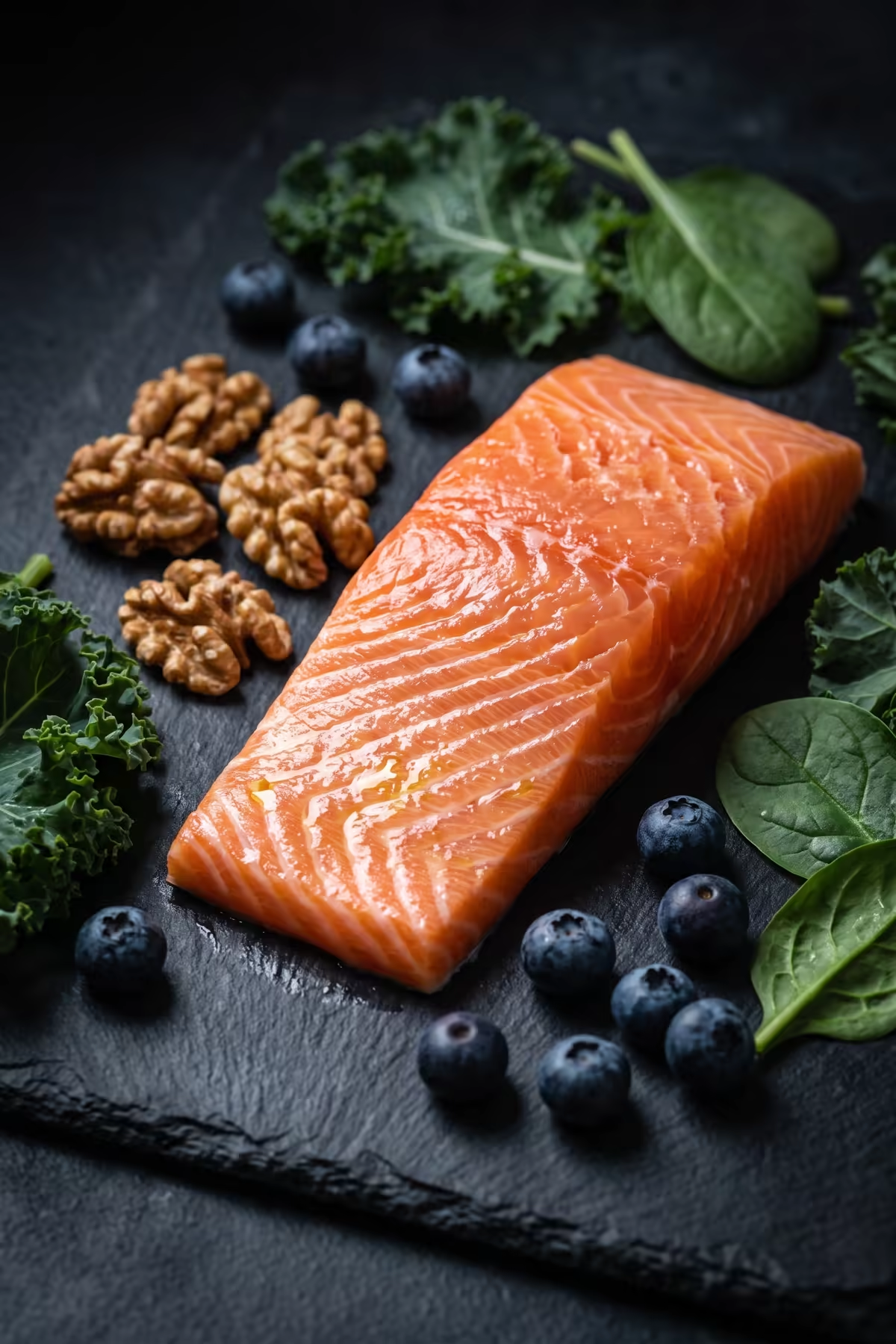
In the body, omega-3 fatty acids are converted into specialised pro-resolving mediators that dampen inflammation rather than promote it. For this reason, a consistent omega-3 intake is linked with lower systemic inflammatory markers. In practical dietary terms, this means eating oily fish such as salmon, mackerel, or sardines, alongside plant-based sources like flaxseed and chia. Whether this significantly reduces interleukin-11 levels in humans has not been definitively proven – but adopting an anti-inflammatory, omega-3-rich diet is beneficial for numerous other evidence-based health reasons.
The Crucial Catch: Oxidised Omega-3
Here lies a critical point that is frequently overlooked: omega-3 fatty acids are highly delicate and prone to going rancid – that is, oxidising. If elevated systemic oxidative stress coincides with consuming already oxidised omega-3 supplements, the intended health benefits can be compromised. Whilst this has been demonstrated primarily in animal models under severe oxidative strain and is less acute in standard daily life, the takeaway is unequivocal: the quality, purity, and freshness of fish or algae oil are just as important as the dose you take.
Why Dietary Antioxidants Are Essential
To prevent omega-3 fatty acids from oxidising within the body, adequate levels of antioxidants are required. They neutralise free radicals and help protect vulnerable polyunsaturated fats from oxidative degradation. You can obtain abundant antioxidants from berries, colourful vegetables, and regular physical activity – exercise naturally stimulates the body’s endogenous antioxidant defence systems. Anyone increasing their omega-3 intake should therefore ensure their diet is rich in varied plant antioxidants. This balanced nutritional synergy is the practical, everyday foundation of long-term health.
Combining fat-soluble and water-soluble antioxidants
Antioxidants work in different cellular compartments. Fat-soluble antioxidants such as coenzyme Q10, astaxanthin, or curcumin protect lipid-rich structures, whilst water-soluble ones like vitamin C safeguard the aqueous environment. Only when combined do they provide comprehensive cellular defence. In everyday life, you can achieve this naturally by eating a colourful, plant-rich diet. Dietary supplements may be helpful in select cases, but they are not a necessity – and higher doses, in particular, should always be discussed with a doctor or registered dietitian rather than taken on guesswork.
How to spot a high-quality omega-3 oil
If you rely on omega-3 oil, paying attention to quality is well worth it. A key indicator of freshness is the TOTOX value, which measures the level of oxidation – the lower the score, the better. Reputable brands undergo independent testing and ideally measure the finished bottled oil. You should also look for dark glass bottles, cool storage, and a clear expiry date. I deliberately refrain from naming specific brands here: what matters are the criteria you use to evaluate products yourself, not a recommendation from a promotional video.
What you can do today: living an anti-inflammatory lifestyle
The good news is that you don’t need to wait for a therapeutic antibody or IL-11 inhibitor drugs. The proven path to easing chronic inflammation is an anti-inflammatory lifestyle: moving regularly and challenging your muscles, enjoying plenty of vegetables, berries, and omega-3 sources, not smoking, managing stress, and getting sufficient sleep. This demonstrably lowers inflammatory markers and supports the exact metabolic health pathways highlighted in the research – without experimental treatments and with zero risk.
What the research does NOT say – the limitations
To be completely honest: that remarkable 25 per cent extension in healthy lifespan comes entirely from animal studies. Whether humans will benefit, whether an interleukin-11 inhibitor can safely lower levels in people, and what side effects might arise remain open questions. The evidence linking omega-3 to this cytokine pathway is also based on a small number of trials. That is no reason to downplay the science – it is genuinely exciting. But it is a clear reason to avoid jumping to conclusions and to be wary of anyone selling a ready-made anti-ageing formula based on these early findings.
Conclusion: interleukin 11 longevity is fascinating, but still early days
Interleukin 11 is a compelling example of how a single pro-inflammatory protein can link muscle mass maintenance, adipose tissue, and biological ageing. The Nature study represents a true milestone in fundamental biomedical science – but it is the beginning of the journey, not the final destination. For your daily routine, the practical takeaway remains refreshingly grounded: build and maintain muscle, follow an anti-inflammatory diet rich in vegetables and omega-3, ensure a good intake of antioxidants, and prioritise restorative sleep. These measures deliver real benefits right now – without having to wait for science’s final verdict.
Interleukin-11 function and the role of the liver
It is intriguing to look at where interleukin 11 is produced in the body: whilst many cell types can generate it, liver cells are particularly active producers. The liver is already a central hub for metabolic health and detoxification where countless physiological processes converge. The fact that the liver generates substantial amounts of this cytokine signalling molecule underscores how closely liver function, systemic inflammation, and metabolic regulation are entwined. It gives us yet another compelling reason to support liver health: through moderate alcohol consumption, maintaining a healthy weight, and eating a nutrient-dense, minimally processed diet.
Frequently asked questions
What is interleukin 11, and what does interleukin-11 do?
It is an endogenous signalling protein (cytokine) involved in inflammatory pathways and tissue fibrosis. Emerging research suggests that persistently elevated levels may accelerate biological ageing, promote visceral fat accumulation, and drive muscle loss.
Do humans live longer with lower interleukin 11?
So far, this has only been demonstrated in animal studies: mice lacking the protein lived approximately 25 per cent longer. These findings cannot simply be applied directly to humans.
Can you lower interleukin 11 yourself?
Targeting it directly is currently only possible in experimental settings and not through over-the-counter supplements. Indirectly, an anti-inflammatory lifestyle may help modulate related cytokine signalling, though clinical proof is still pending.
Does omega-3 help against interleukin-11?
In one study, the omega-3 fatty acids DHA and EPA were shown to reduce inflammatory markers. However, the data remains limited, and omega-3 is not a magic bullet.
Why is oxidised omega-3 a problem?
Omega-3 fatty acids are delicate and can turn rancid. When combined with elevated oxidative stress, the potential benefits can be reversed. Freshness and certified oil quality are therefore essential.
What does muscle mass maintenance have to do with all this?
Animals with reduced interleukin 11 retained more skeletal muscle and accumulated less adipose tissue. Maintaining muscle mass is independently associated with better metabolic health and longevity.
What are telomeres?
Protective caps at the ends of chromosomes. They shorten with each cell division and serve as a biomarker of biological ageing. In mice with inhibited interleukin 11, telomeres remained notably longer.
What practical steps can I take today?
Build muscle, eat an anti-inflammatory diet with plenty of vegetables, berries, and omega-3s, obtain antioxidants through whole foods, avoid smoking, and get plenty of quality sleep. If considering supplementation, seek professional medical advice.
Further reading on muscle health: Muskelkraft aus dem Darm · HMB: stärker als Kreatin? · Ecdysteron im Faktencheck.