Few exercises are as intrinsically linked to classical Pilates as the pilates hundred (often simply called The Hundred). Traditionally performed right at the start of a session, it fires up the abdominal muscles through rhythmic arm pulses and focused breath control. Its name stems from the 100 pulsing movements spread across ten full breath cycles. Here is how to perform The Hundred correctly—as an effective warm-up exercise and core activation tool to kickstart your workout.
At a Glance
- The Hundred targets both the rectus abdominis and the deep transverse abdominis, serving as a classic warm-up.
- The arms pulse vigorously up and down whilst holding the upper body in a gentle chest lift.
- The breathing pattern is essential: inhale for 5 pulses, exhale for 5 pulses—repeated ten times.
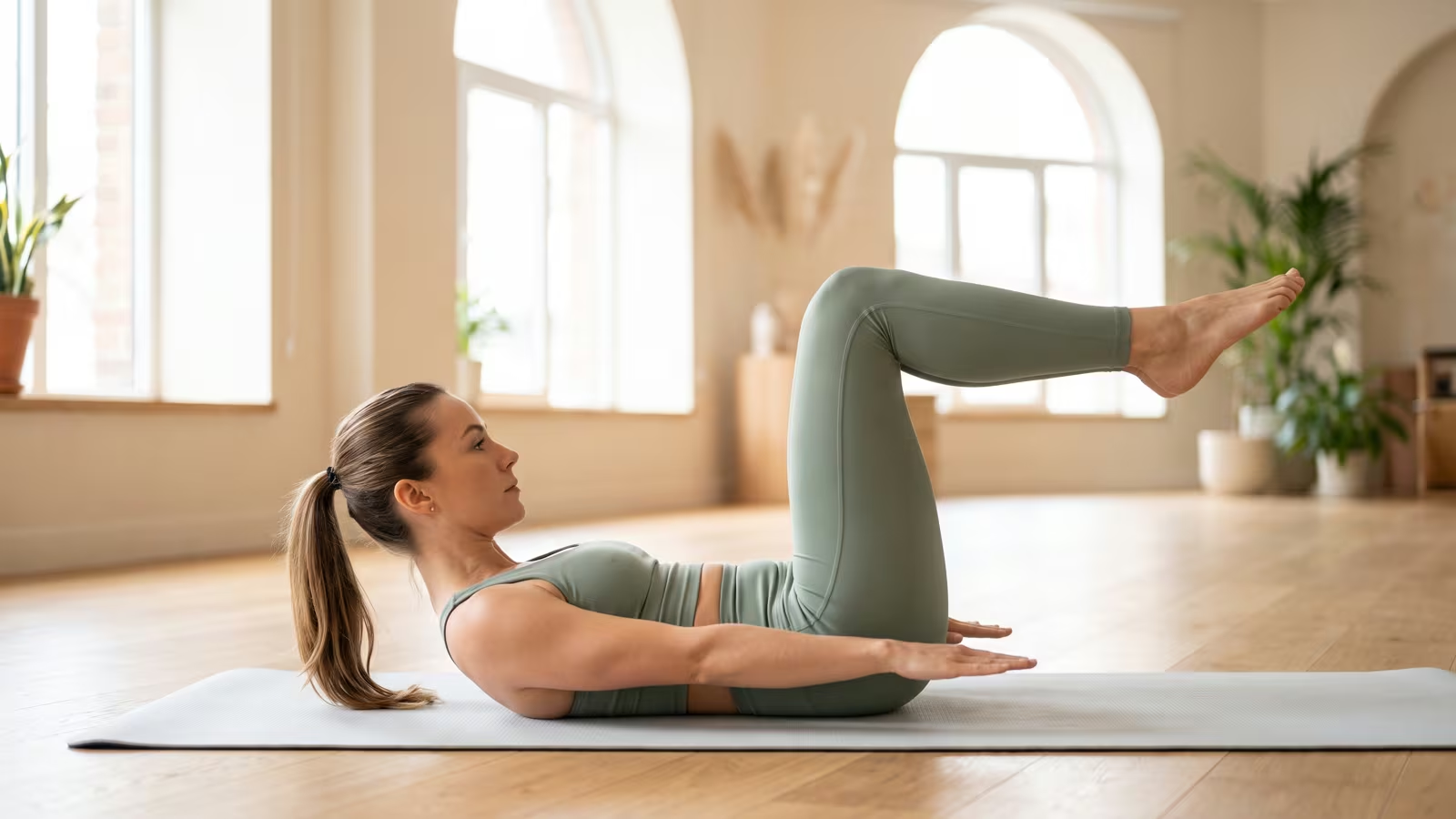
- The lower and straighter your legs, the more challenging the exercise; beginners should keep their legs elevated or in tabletop position.
- The lower back remains firmly anchored to the mat, maintaining proper spine alignment with a long, relaxed neck.
The Hundred Pilates Benefits: What Is It and What Does It Do?
The Hundred is a dynamic activation exercise designed to prepare the entire body for movement. By sustaining a curled upper-body position, the rectus abdominis works isometrically whilst the deeper abdominal muscles ensure pelvic stability. The vigorous arm pulses stimulate circulation and generate warmth throughout the muscular system. Conscious breathing synchronises movement with the breath—a foundational pillar of Pilates. For this reason, The Hundred typically opens a class: it engages the powerhouse and primes the body for more demanding exercises ahead.
How to Do the Pilates Hundred: Step-by-Step
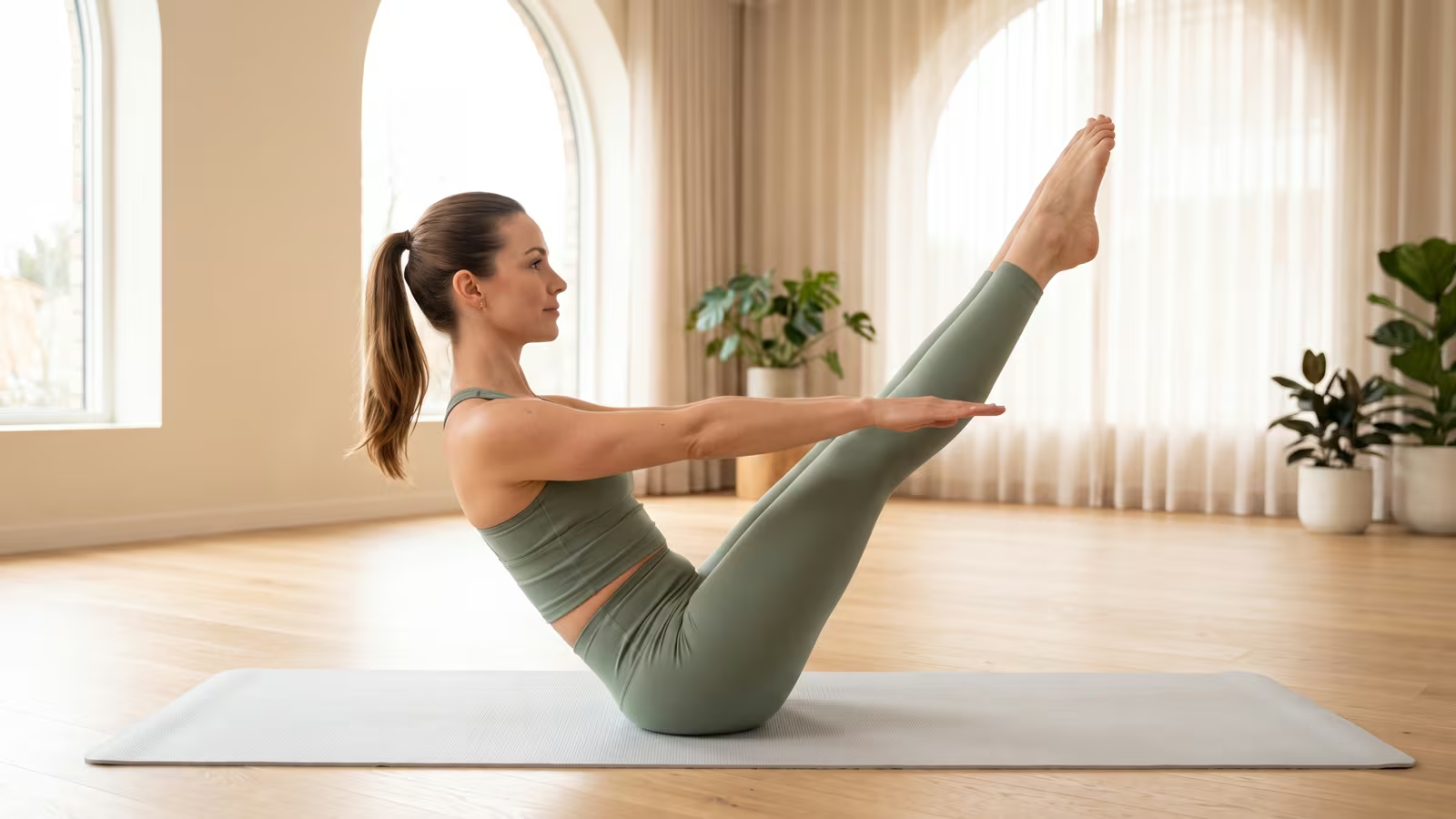
Lie flat on your back and bring your legs into a tabletop position. Draw your navel towards your spine to engage the transverse abdominis, lift your head and shoulders off the mat, and extend your arms long beside your body, hovering a few centimetres above the floor. Now begin to pulse your straight arms vigorously up and down—making small, energetic movements driven from the shoulders. Inhale steadily for five pulses and exhale for five. Repeat this cycle ten times to reach 100 pulses, ensuring your lower back remains imprinted on the mat throughout.
Mastering the Correct Breathing Pattern
Breathwork is the very foundation of The Hundred. The classic cadence is: inhale for five arm pulses, exhale for five arm pulses. A single cycle of ten pulses equates to one full breath—ten cycles complete the 100. Direct your breath deeply into the lateral ribs and chest without releasing abdominal tension. This rhythmic pattern cultivates breath control and sharpens mental focus. If you are new to the practice, adopt a steady, manageable pace and gradually build up to the full 100 pulses over time.
Common Mistakes and How to Avoid Them
The most frequent mistake is neck strain: lifting the head too high or without sufficient abdominal engagement forces the neck to take the load. Keep your gaze directed towards your navel and initiate the lift from your core. Another common issue is an arching lower back, particularly when extending the legs too low—if this occurs, raise your legs higher to protect your spine alignment. Many practitioners also mistakenly pulse from the wrists rather than initiating the movement from the back of the shoulders, which diminishes its effectiveness. Finally, avoid holding your breath; maintaining the breathing pattern is central to the exercise.
Modifications: From Pilates 100 Beginner to Advanced
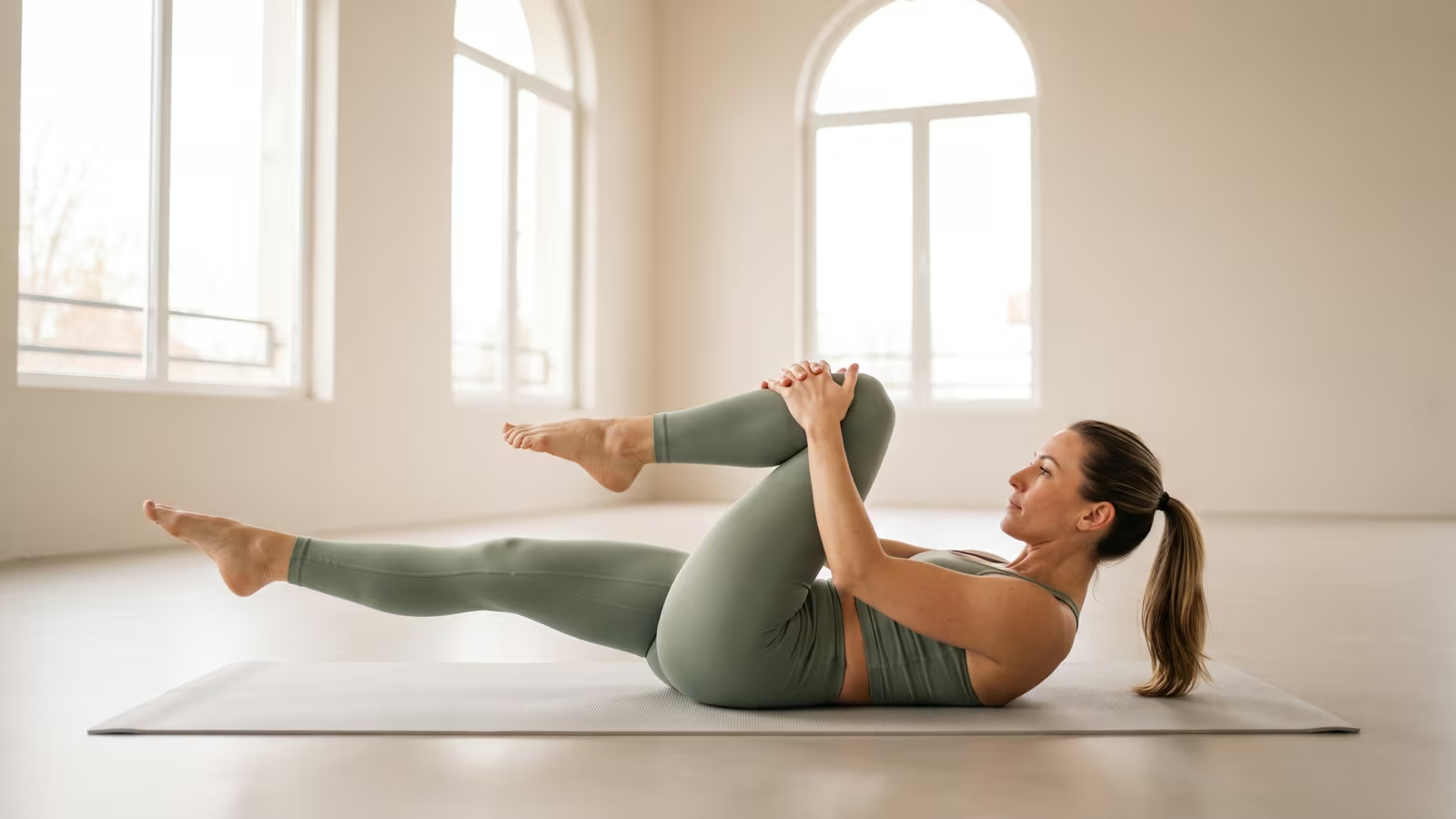
For a pilates 100 beginner setup, keep your legs in a tabletop position or rest your head flat on the mat whilst pulsing the arms—this relieves neck tension whilst building foundational strength. Once confident, extend your legs straight towards the ceiling. To increase the intensity, lower your extended legs on a diagonal towards the floor: the lower they go, the harder your abdominal muscles must work to maintain pelvic stability. The Hundred serves as an ideal opener for a mat sequence alongside the Roll-Up and the Single Leg Stretch.
Summary
The pilates hundred is the quintessential starting point for any classical session—and an exceptional method for awakening the core whilst uniting breath with motion. The secret lies in disciplined breathing, keeping the lower back flush against the mat, and generating crisp arm pulses from the shoulder girdle. With appropriate modifications, this exercise is accessible for all fitness levels. Incorporate the pilates hundred into your next core session—ten breath cycles, one hundred pulses, and your body is ready.
Frequently Asked Questions
Why is the hundred exercise called The Hundred?
Because you perform a total of 100 dynamic arm pulses—divided across ten breath cycles consisting of five pulses on the inhale and five on the exhale.
Which muscles does the pilates hundred work?
It primarily engages the rectus abdominis and the deep transverse abdominis to sustain the chest lift and stabilise the pelvis, whilst activating the circulatory and respiratory systems.
How do you breathe correctly during the hundred pilates?
Inhale steadily for five arm pulses, then exhale smoothly for five pulses. Repeating this sequence ten times completes the 100. Breathe laterally into the ribcage without collapsing your abdominal core activation.
How do you perform pilates hundreds level 1 as a beginner?
For a pilates hundreds level 1 variation, keep your knees bent in a tabletop position or keep your head resting on the mat whilst pulsing the arms. Gradually progress towards extending the legs as your core strength develops.
Why does my neck ache during The Hundred?
This usually happens when lifting the head without engaging the deep abdominal muscles. Focus your gaze towards your abdomen, draw power from your centre, or rest your head on the mat until neck and core stamina improve.
How can I make The Hundred more challenging?
Straighten your legs and lower them closer towards the mat on a lower diagonal. The closer your feet are to the ground, the harder your abdominal muscles must work to prevent your back from arching.
Do I have to complete 100 pulses right away?
Not at all. Start with 50 or 60 pulses and build up gradually, stopping as soon as you find it difficult to maintain a flat back and a relaxed neck.
When in a workout should you perform The Hundred?
Traditionally, it is performed right at the start of a Pilates mat session as a warm-up exercise and core activation routine to stimulate circulation and prepare the body for the workout.