The pilates rollup is one of the most rewarding classical mat pilates movements: lying on your back, you roll up vertebra by vertebra towards your toes and peel back down with equal control. While it looks elegant, it builds deep core strength and enhances overall spine mobility at the same time. The rollup is effectively two exercises in one – strength and flexibility. Here is how to perform it with proper form, along with modifications for beginners who find the controlled roll challenging at first.
Key takeaways
- The pilates rollup strengthens the rectus abdominis and mobilises the spine vertebra by vertebra.
- The movement is slow and fluid, avoiding momentum – your abdominal muscles do the work.
- As you roll up, the spine peels off the floor segment by segment, not as a rigid board.
- Beginners can use bent knees or support from their arms.
- It provides ideal preparation for more challenging exercises such as the Teaser.
What is the roll up exercise and what are the pilates roll up benefits?
The rollup combines two distinct goals in a single movement. Firstly, it strengthens the rectus abdominis, which lifts you in a controlled manner, alongside the deeper core musculature. Secondly, it fosters spinal articulation and spine mobility: rolling up and unrolling vertebra by vertebra ensures every section of the spine is mobilised and lengthened. In the final seated forward bend position, the rollup stretches the posterior chain and improves hamstring flexibility. This combination of strength and flexibility makes it a foundational mat pilates exercise – and a restorative movement for anyone who spends long hours sitting.
How to do a pilates roll up: step by step
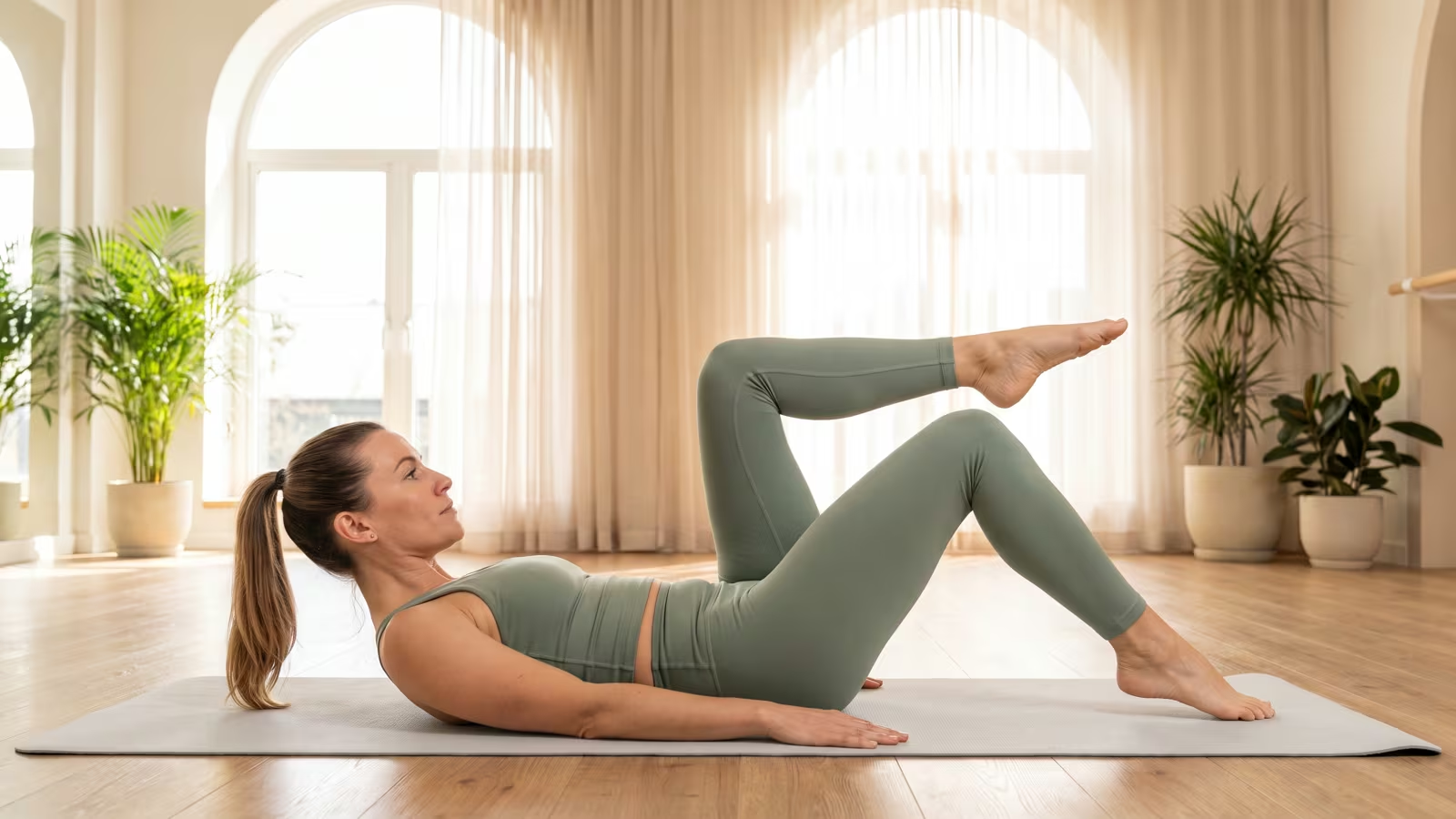
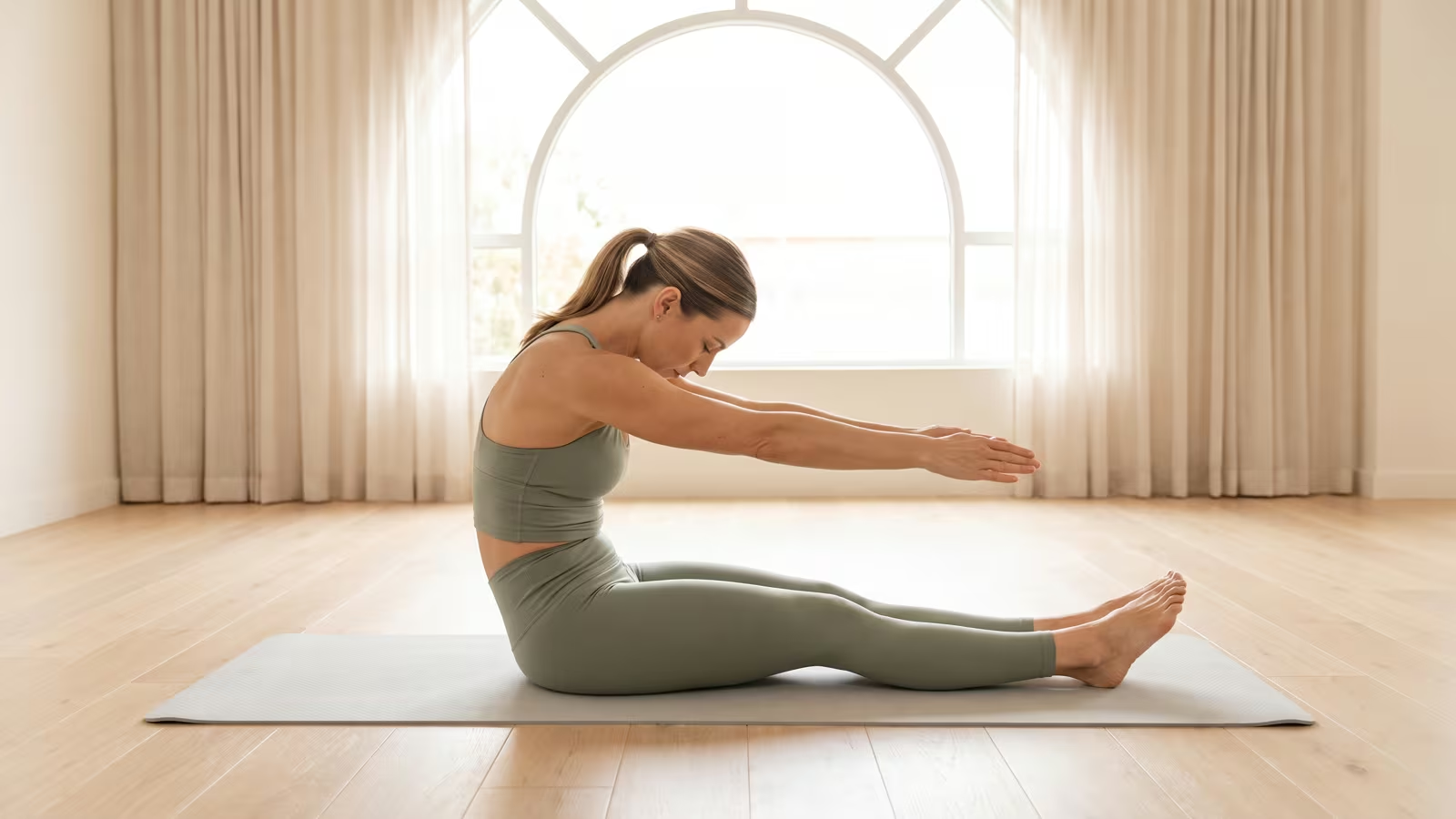
Lie flat on your back with your legs extended and arms stretched overhead. Engage your powerhouse activation by drawing your navel gently towards your spine. Bring your arms forwards towards the ceiling, initiate a subtle pelvic tuck, and begin to roll up your head and upper body vertebra by vertebra – peeling smoothly off the mat. Reach forwards towards your toes with a gently rounded spine. Then, roll back down with equal control, vertebra by vertebra, until you are lying flat. Exhale as you roll up and inhale as you lower down, avoiding any reliance on momentum.
Common mistakes in the pilates rollup
The classic mistake is using momentum: jerking yourself upwards bypasses abdominal engagement and prevents true articulation vertebra by vertebra. The movement must originate slowly from your centre. Another mistake is dropping back down abruptly instead of unrolling segment by segment, which forfeits the mobilising benefit. Feet lifting off the mat during the roll-up is also common; press your heels consciously into the floor. If you find you cannot rise without swinging, choosing an appropriate modification is the right way forward.
Roll up pilates modifications for beginners
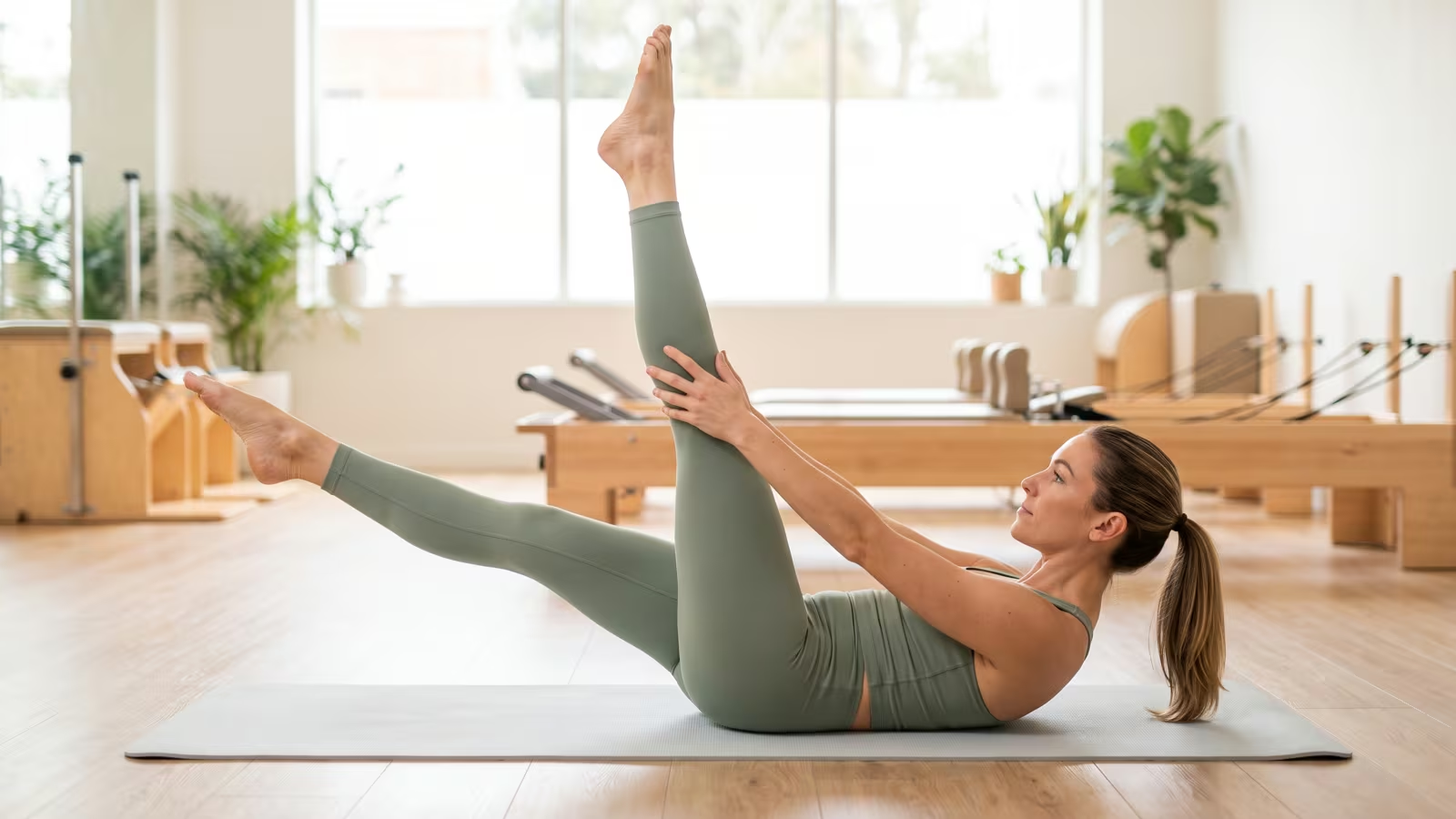
If a full roll-up proves difficult, gentle modifications can help a pilates roll up beginner build strength safely. Option 1: Bend your knees and place your feet flat on the floor – the shorter lever makes rolling up considerably easier. Option 2: Use your hands for support by walking them up the backs of your thighs. Option 3: Practise only the slow roll-down from a seated position first, training the same movement pattern in reverse. The rollup provides a solid foundation for the Teaser and pairs naturally with The Hundred.
How often and how many repetitions?
Because the movement requires such precise control, 5 to 8 clean repetitions across 2 to 3 sets are highly effective. Quality comfortably beats quantity: a single slow, articulate roll-up delivers far more value than ten rushed reps. Two to three sessions per week are plenty. You can also use the exercise as a restorative mobility drill after long periods of sitting. Only progress to straight legs without hand support once you can execute every repetition completely free of momentum.
Summary
The pilates rollup unites abdominal strength and spinal mobility in one elegant movement. The key lies in rolling up and down segment by segment without relying on momentum. By building up through introductory modifications, you gain an exercise that builds both strength and flexibility – ideal for anyone who spends long hours at a desk. Incorporate the rollup into your workout routine – start with bent knees and progress towards the full, fluid version.
Frequently asked questions
Which muscles does the roll-up work?
It primarily targets the rectus abdominis and deeper core stabilisers. At the same time, it mobilises the spine and stretches the hamstrings and posterior chain in the forward reach.
What is the difference between a roll-up and a sit-up?
The roll-up articulates the spine slowly vertebra by vertebra. A traditional sit-up lifts the torso more as a rigid unit. The roll-up prioritises control, spinal articulation, and mobility over momentum.
Why do I need momentum during the roll-up?
If you need momentum, your abdominal strength cannot yet support the full range of motion. Use a modification with bent knees or arm support until you can roll up smoothly without jerking.
Is the roll-up suitable for beginners?
Yes, when using the appropriate modifications. Start with bent knees or support behind the thighs and progress gradually as your core strength improves.
Is the roll-up good for your back?
It gently mobilises the spine and can relieve stiffness caused by prolonged sitting. However, if you have acute back pain or disc issues, check with a GP or physiotherapist beforehand.
How many roll-ups should I do?
5 to 8 slow, controlled repetitions in 2 to 3 sets are plenty. One controlled roll-up is far more beneficial than many rushed ones.
Why do my legs lift off the floor when rolling up?
This happens when the abdominal muscles cannot yet carry the movement alone. Consciously anchor your heels into the mat or switch to the bent-knee modification.
Does the roll-up prepare you for the Teaser?
Yes. Articulating the spine with control is the fundamental movement pattern of the Teaser. Mastering the roll-up builds the essential core control required for this advanced exercise.