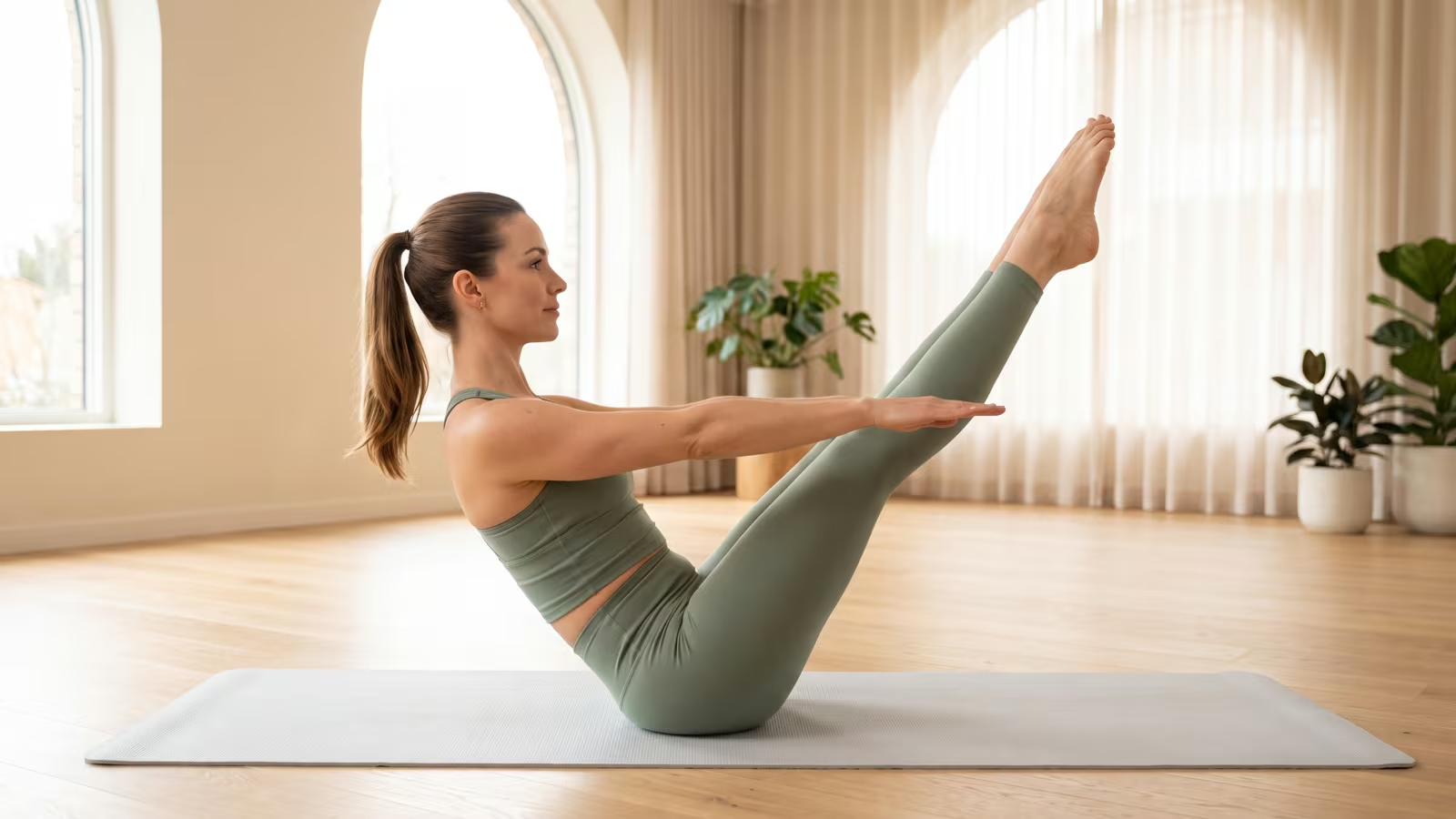
The Pilates teaser is widely regarded as the crowning exercise of classical matwork – elegant to watch, yet brutally honest when it comes to abdominal strength. Starting flat on your back, you roll smoothly up into a balanced v-sit position where only your pelvis remains in contact with the mat whilst your torso and legs lift in unison. The move unites strength, spinal articulation, core balance, and flexibility into one fluid motion. Here is how to master it step by step – using accessible teaser modifications that even beginners can achieve.
Key takeaways
- The Pilates teaser targets the entire abdominal wall whilst developing core balance and spinal articulation.
- It demands genuine strength and control – which is why it should be built up progressively rather than forced.
- The spine rolls up and down vertebra by vertebra, rather than lifting as a rigid plank.
- Beginners can use bent knees or feet flat on the floor as accessible modifications.
- The teaser is a milestone goal: build your baseline core strength first before tackling the full expression.
What is a teaser in Pilates and why is it so challenging?
The teaser is one of the most iconic classical matwork exercises – and arguably one of the toughest. The reason lies in its multi-layered demands: you need deep abdominal strength to lift both the upper body and legs, exceptional core balance and lumbar control to hold the v-sit position, and sufficient hamstring and hip flexor mobility. Because all these elements must align simultaneously, the move serves as the ultimate benchmark for postural control and trunk stability. When executed well, it looks completely effortless – precisely what makes it the hallmark of Pilates mastery.
How to do the teaser exercise in Pilates: step by step
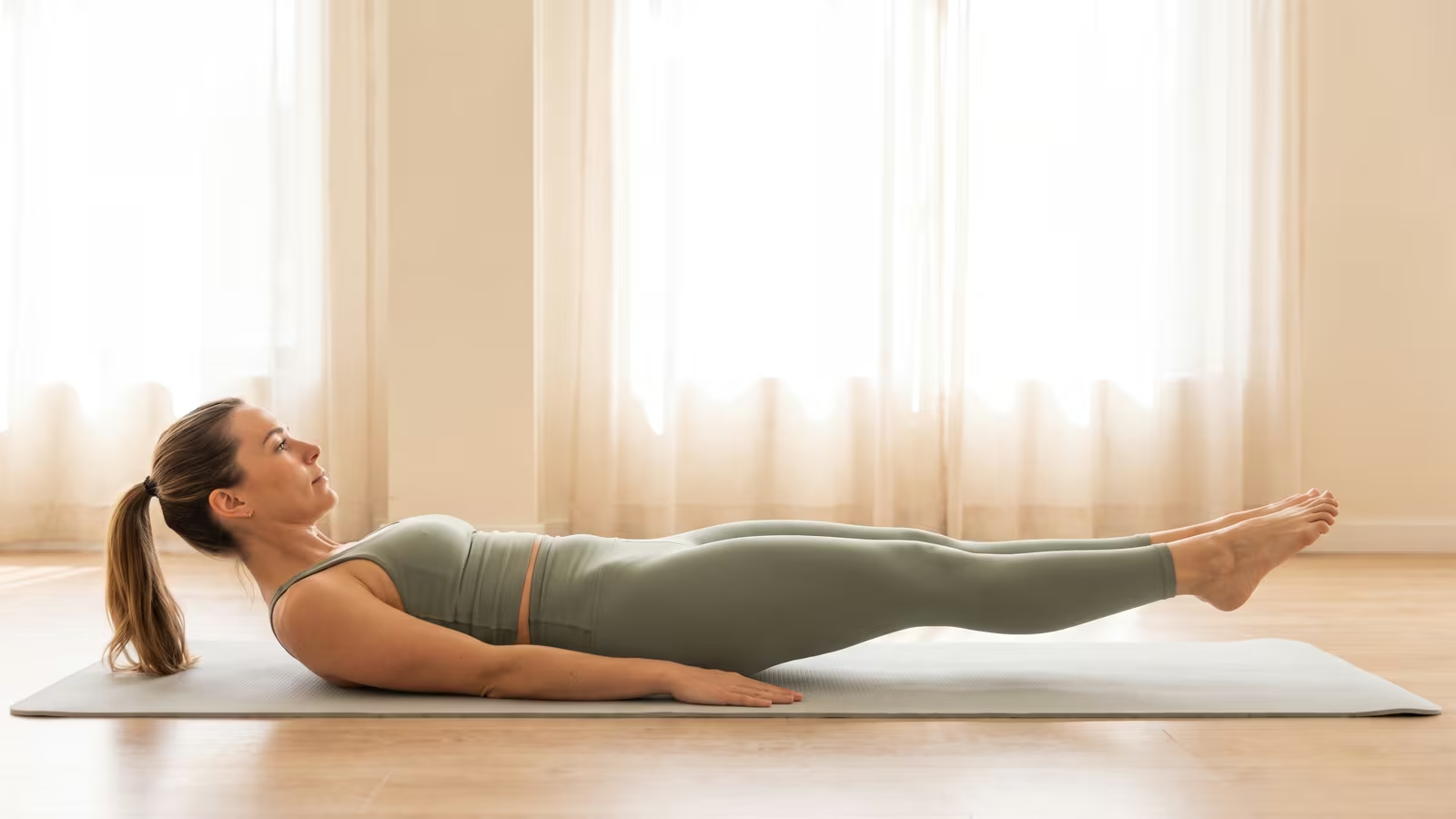
Lie flat on your back with your arms extended overhead and legs long. Draw your navel gently towards your spine to engage your centre. Float your legs off the mat at a low angle and simultaneously begin rolling your upper body up vertebra by vertebra, reaching your arms forward towards your toes. In the final position, your body forms a crisp V: torso and legs elevated, balanced solely on your sit bones. Pause briefly to demonstrate core balance and lumbar control, then peel back down to the mat with equal precision, vertebra by vertebra. Maintain a slow, flowing tempo throughout.
Pilates teaser progression: how to build up step by step
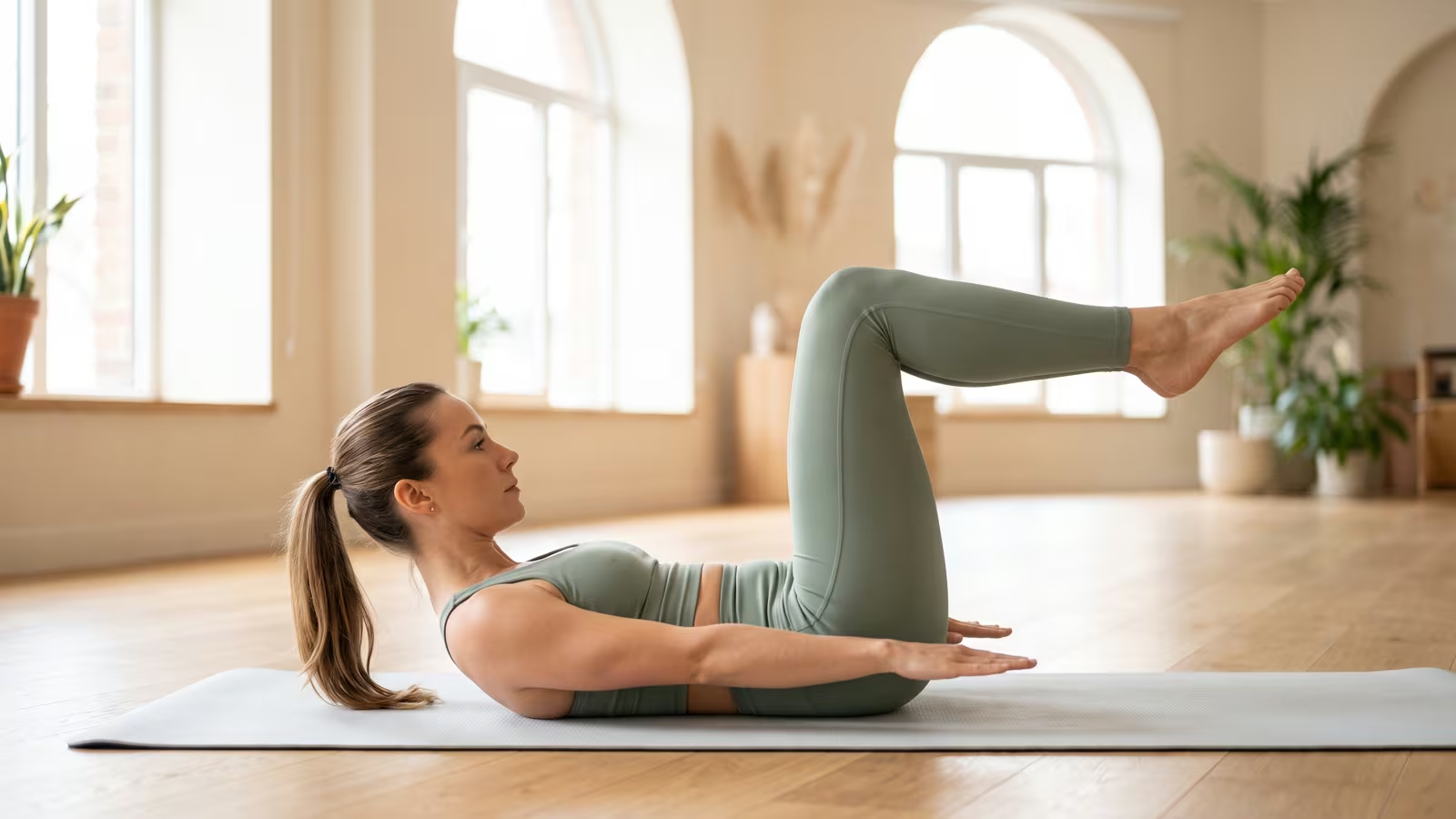
Avoid forcing the full movement before you are ready – build it systematically instead. Stage 1: Keep your feet flat on the floor, rolling only your upper torso up with arms reaching forward (half teaser). Stage 2: Keep one foot grounded whilst extending the other leg into the diagonal v-sit position. Stage 3: Lift both legs into tabletop (knees bent at 90 degrees) and roll the upper body up. Only when you can maintain lumbar control through these teaser modifications should you attempt the full version with straight legs. Practising the Roll-Up and The Hundred will also establish an ideal foundation.
Common mistakes to avoid during the teaser
The most frequent mistake is relying on momentum: jerking yourself up into the v-sit bypasses the deep abdominal muscles and disrupts core balance. The movement must originate entirely from controlled abdominal strength. Another common fault is a collapsed, rounded lower back at the top of the movement – aim instead for spinal articulation and an elongated crown. Collapsing back down onto the mat rather than unrolling vertebra by vertebra is equally counterproductive. Rushing into the full expression without foundational strength only leads to frustration; taking time with the progressions pays far greater dividends.
Who is the exercise for and what are the Pilates teaser benefits?
The teaser is a milestone exercise rather than a starting point for novices. If you are new to matwork, focus first on core fundamentals and master the preliminary stages before progressing. For intermediate and advanced practitioners, it is a magnificent movement to demonstrate and refine postural control, strength, and coordination. If you have existing neck or lower back issues, proceed with caution, as rolling up places considerable demand on the spine – seek advice from a GP or physiotherapist if in doubt, and stick to the gentler modifications.
The bottom line
The teaser represents the pinnacle of core training: it harmonises abdominal strength, balance, and flexibility into a single seamless movement. Success comes through patience, spinal articulation, and structured progressions – never through momentum or strain. By developing baseline strength and working methodically through each stage, you will master one of the most rewarding exercises in the Pilates repertoire. Set the teaser as your long-term goal, and commit to working through the progressive steps to get there.
Frequently asked questions
Which muscles does the teaser work?
It primarily targets the rectus abdominis and deep transversus abdominis, alongside hip flexor mobility and strength. At the same time, it develops core balance, lumbar control, and flexibility throughout the spine and hamstrings.
Why is the teaser so difficult?
Because it demands abdominal strength, core balance, and flexibility simultaneously. If any one of these components is lacking, holding the v-sit position becomes unsustainable. That is why building up through progressive stages is essential.
How do I learn the Pilates teaser as a beginner?
Through structured stages: start by rolling up with feet flat on the floor, then try lifting one extended leg, followed by tabletop legs. The full straight-legged version should only be attempted once these feel solid.
How do I avoid using momentum during the teaser?
Roll up slowly, vertebra by vertebra, rather than flinging your torso upwards. If you find yourself needing momentum to lift, the full version is currently too advanced – return to a modified variation.
Is the teaser bad for your back?
When performed with proper form, no; however, it does place significant demands on spinal articulation. If you experience back or neck discomfort, consult a doctor or chartered physiotherapist, and stay with the supported variations.
How often should I practise the teaser?
Aim for two to three sessions per week, integrating preparatory exercises and modifications into your routine. Consistent, mindful practice leads to faster, safer progress than sporadic maximum-effort attempts.
How many repetitions should I do in a row?
Just 3 to 5 clean, controlled repetitions are sufficiently challenging. Form, postural control, and precision matter far more here than chasing high rep counts.
Which exercises help prepare for the teaser?
The Roll-Up is particularly effective for spinal articulation, whilst the Hundred builds endurance and abdominal strength. Both provide an excellent foundation for the teaser.