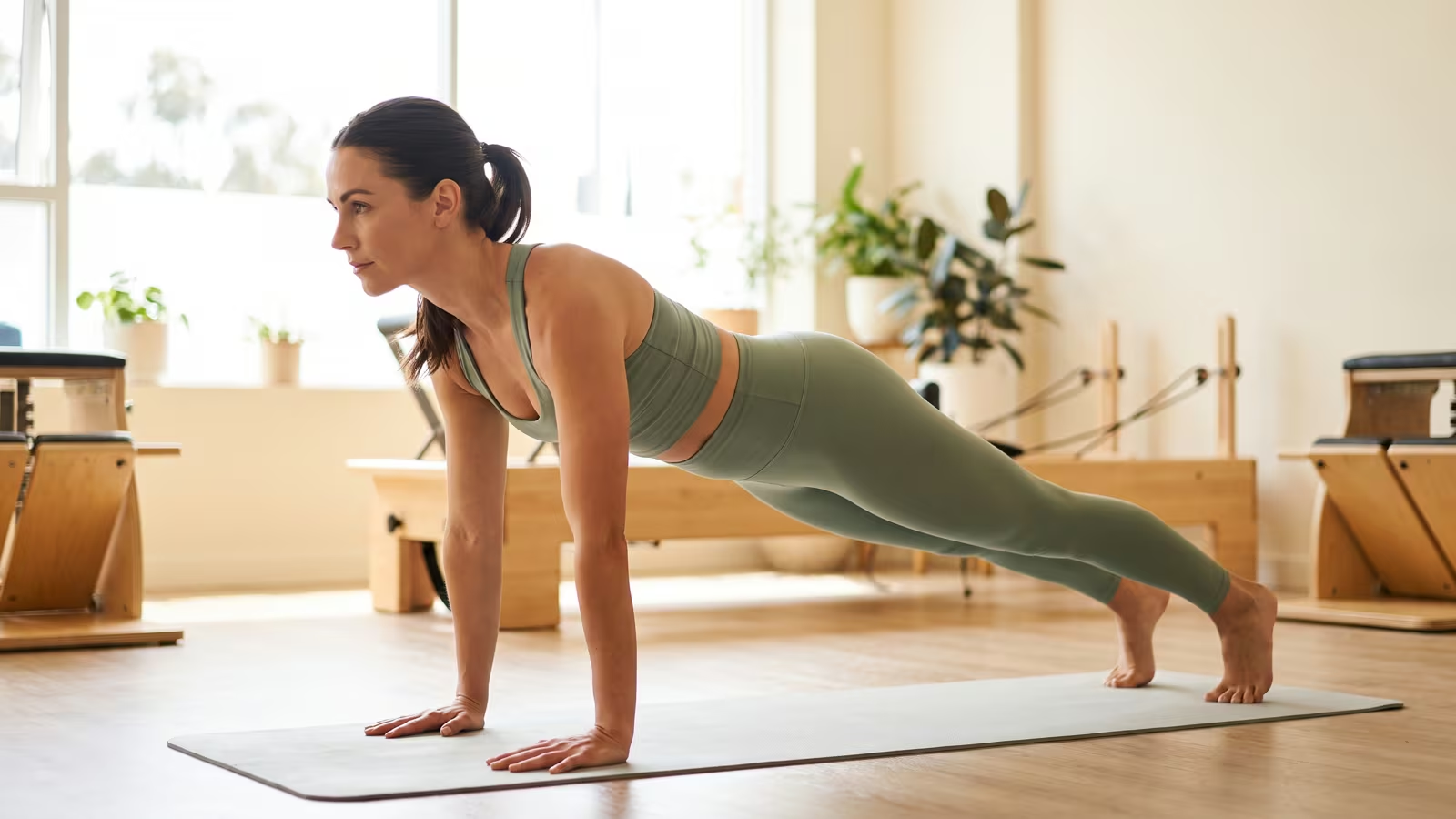
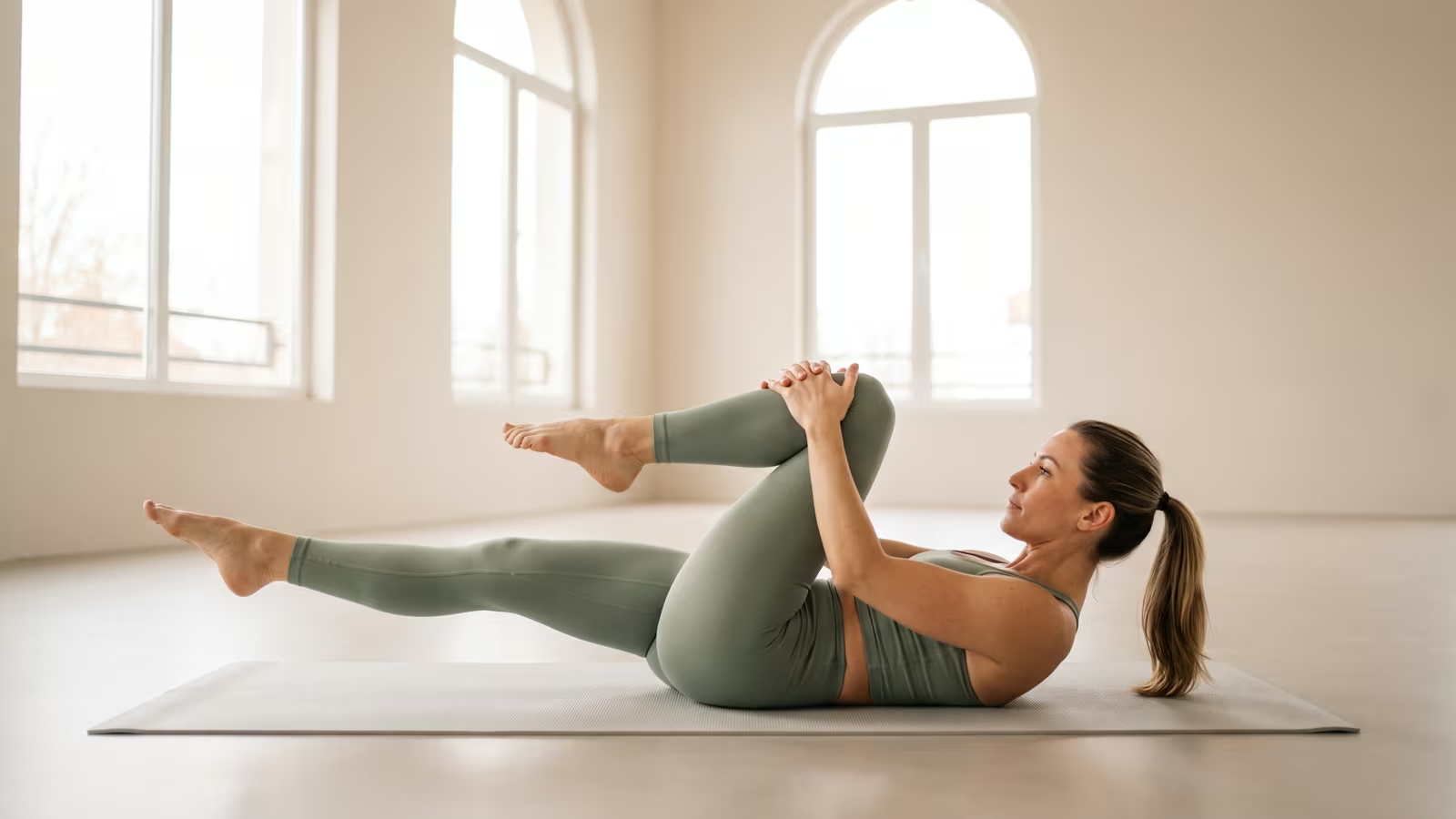
The single leg stretch – alternating leg extensions whilst lying supine – is one of the most fluid mat pilates exercises for targeting the core. Alternating between drawing one knee to chest whilst extending the other leg long and low requires continuous abdominal strength and coordination. Whilst the movement appears gentle, it demands genuine core stability. Here is how to perform the exercise with control to strengthen your midsection without straining your back.
Key Takeaways
- The exercise builds abdominal strength throughout the core whilst challenging coordination.
- The upper body remains curled up and stable as the legs move alternately.
- The lumbar spine stays imprinted on the mat – the lower the extended leg, the greater the challenge.
- The movement is fluid yet controlled, accompanied by calm, rhythmic breathing.
- Ideal as a gentle, low-impact drill for beginners and as part of a warm-up.
Single Leg Stretch: Muscles Worked
This drill primarily challenges the rectus abdominis to sustain the curled upper body, alongside the deep abdominal muscles and hip flexors that maintain pelvic alignment. Because the legs move reciprocally, it introduces a dynamic element of torso stabilisation: the trunk must remain motionless as the limbs alternate. This blend of strength and control makes the exercise a cornerstone of mat pilates, reinforcing the vital link between breath, core stability, and limb movement.
How to Perform the Movement: Step-by-Step
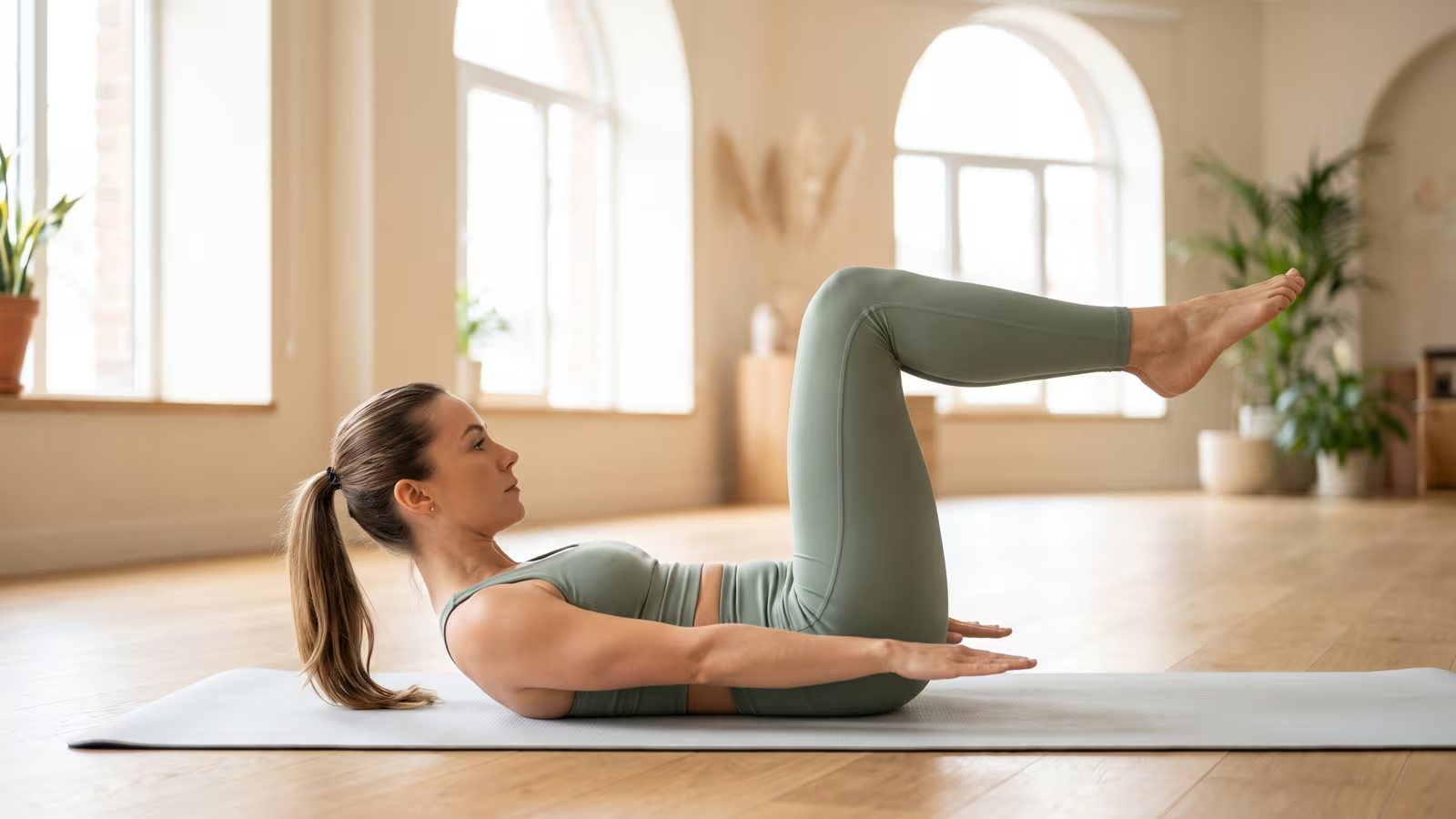
Lie on your back, bring your legs into a tabletop position, and gently curl your head, neck, and shoulders off the mat. Draw your navel towards your spine. Place both hands onto your right shin and draw the knee to chest whilst extending the left leg long and low in front of you. Transition with fluid movement: bring the left knee in and extend the right leg. Keep the upper body lifted and steady throughout, ensuring your lumbar spine remains firmly supported on the mat. Maintain steady breathing and keep the pace slow and deliberate.
Common Mistakes to Avoid
The most frequent fault is a collapsing upper body: resting your head down mid-set releases tension in the abdominal wall. Maintain a steady chest lift throughout. Another common error is an arching lumbar spine, which happens when the extended leg drops too low – simply aim the leg higher to protect the lower back. Rushing through repetitions is another pitfall; the exercise relies on controlled fluid movement, not momentum. Finally, draw each knee in gently rather than yanking the shin, preserving seamless torso stabilisation.
Variations and Single Leg Stretch Pilates Modifications
For beginners, a suitable single leg stretch pilates modification is to keep the head resting flat on the mat and focus purely on the leg switches, which relieves strain on the neck and hip flexors. Pointing the extended leg higher towards the ceiling also reduces leverage. To increase the intensity, lower the extended leg closer to the floor and slow the cadence. The drill pairs naturally with The Hundred and the pilates scissors to form a classic mat pilates series.
Sets and Repetitions: How Often Should You Practise?
Aim for 2 to 3 sets of 16 to 20 leg switches (8 to 10 repetitions per side). Because the movement is low impact, it works brilliantly within a wider sequence or as a core warm-up. Practising two to three times a week is ample for noticeable progress. Ensure your chest remains lifted and your lumbar spine stays flat against the mat throughout the entire set; if your form deteriorates, pause, reset, and resume with proper pelvic alignment.
Conclusion: Single Leg Stretch Pilates Benefits
The exercise unites abdominal strength, coordination, and rhythmic breathing into an effective, joint-friendly workout. It protects the spine against the mat and adapts easily to any fitness level – making it a staple of any mat pilates routine. The secret lies in keeping the chest curled and the pelvis steady. Incorporate this movement into your next training session – smoothly, mindfully, and with measured breathing.
Frequently Asked Questions
Which muscles are targeted during this exercise?
Mainly the rectus abdominis and deep stabilising core muscles, alongside the hip flexors. It also refines coordination, as the legs move reciprocally whilst the torso remains stable.
Is this exercise suitable for beginners?
Yes, perfectly. You can rest your head on the mat or extend the working leg at a higher angle. Both options reduce intensity and safeguard the lower back.
How should I breathe during the movement?
Maintain a steady, rhythmic breath. Many practitioners exhale with each leg switch. The key is to avoid holding your breath whilst keeping your abdominal muscles engaged.
Why is my upper body dropping during the set?
This usually indicates fatigue in the abdominal wall. Rest your head down briefly, take a short pause, or switch to a modified variation until you can hold the curled position securely.
Does this exercise place strain on the back?
Not if the lumbar spine remains anchored to the mat. Strain only occurs if the extended leg dips too low and causes the lower back to arch. If so, raise the leg higher.
How many repetitions should I do?
2 to 3 sets of 16 to 20 leg switches, two to three days a week. Controlled, quality execution is far more important than high rep counts.
What is the difference between this and the pilates scissors?
With this exercise, one knee bends towards the chest whilst the other extends. In the pilates scissors, both legs remain straight as they alternate in a scissor-like motion.
Can I use this pilates leg stretch for warming up?
Yes. Thanks to its smooth, low-impact motion, it is ideal for waking up the core and preparing the body for more demanding exercises.