A macrobiotic diet is based on whole grains, vegetables, and legumes, and can achieve impressive results in managing type 2 diabetes. Scientific studies show that patients were able to lower their HbA1c levels from 12.6 to 5.7 and discontinue insulin entirely. The Ma-Pi 2 diet, a specialised form of the macrobiotic diet, normalised blood glucose levels within a week, significantly outperforming official diabetes guidelines. In this article, you will discover how a macrobiotic diet works, what the scientific evidence shows, and how you can implement it in practice.
Table of Contents
Key Takeaways
- Drastic HbA1c reduction: In a 6-month study, HbA1c levels in diabetic patients fell from 12.6 (uncontrolled despite insulin) to 5.7 (non-diabetic) through the Ma-Pi 2 diet.
- Insulin completely discontinued: All participants in the study were able to eliminate their insulin injections entirely after 6 months on a macrobiotic diet.
- Rapid results: The Ma-Pi 2 diet normalised fasting blood glucose levels after just 7 days (from 129 to 95 mg/dl), whereas the control group reached only 110 mg/dl after 21 days.
- Medication reduction: 75% of participants were completely free of any diabetes medication after 6 months through dietary intervention alone.
- Superiority over ADA guidelines: The macrobiotic diet outperformed American Diabetes Association recommendations across all blood glucose control parameters.
- Cholesterol reduction: LDL cholesterol fell by 20–48% and triglycerides by nearly 40%, significantly reducing cardiovascular risk.
- Whole grains as the foundation: The diet consists of 50–60% whole grains such as brown rice, barley, and millet, complemented by 20–25% vegetables.
- High carbohydrate intake has a positive effect: Despite providing 72% of energy from carbohydrates, blood glucose control improved significantly, challenging the low-carb assumption in diabetes management.
- Yin-yang principle: The macrobiotic diet is based on the Taoist concept of balance between expansive (yin) and contractive (yang) foods.
- Vitamin B12 supplementation required: As the macrobiotic diet is strictly plant-based, vitamin B12 must be supplemented to prevent nutritional deficiency.
Basics of the Macrobiotic Diet
Macrobiotic Diet: What Is It in Simple Terms?
The macrobiotic diet is a lifestyle approach based on Taoist teachings and the principle of yin and yang. The term originates from ancient Greek and means “long life” (makros = large or long, biotikos = relating to life). The modern form of macrobiotics was established by Japanese philosopher George Ohsawa and gained popularity in the West during the 1970s and 1980s.
At its core, it seeks to create balance in the body through wholesome nutrition, promoting long-term health and longevity. The macrobiotic diet is wholefood-centred, rich in dietary fibre, and low in fat. It largely avoids ultra-processed foods and animal products.
What Do Yin and Yang Mean in the Macrobiotic Diet?
In macrobiotic philosophy, all foods are classified by their energetic qualities into yin (expansive) and yang (contractive). The aim is to maintain an optimal balance between the two.
Yin foods (expansive, cooling):
- Sugar and sweets
- Tropical fruits
- Dairy products
- Coffee and alcohol
- Nightshades (tomatoes, potatoes, aubergines)
Yang foods (contractive, warming):
- Whole grains
- Legumes
- Root vegetables
- Sea vegetables (seaweed)
- Fermented foods and fermented soya products
Whole grains, particularly brown rice, are regarded as ideally balanced with an approximate yin-to-yang ratio of 5:1, forming the core staple of the macrobiotic diet.
Impact on Type 2 Diabetes
How Does a Macrobiotic Diet Help with Diabetes?
A macrobiotic diet can support type 2 diabetes management through several physiological pathways. Scientific studies highlight impressive outcomes driven by distinct mechanisms:
1. Improved gut microbiota: The high dietary fibre content from whole grains and vegetables nourishes beneficial gut bacteria. These produce short-chain fatty acids, which enhance insulin sensitivity and reduce systemic inflammation.
2. Correction of metabolic acidosis: Animal protein intake can cause mild metabolic acidosis, which has been linked to insulin resistance. A purely plant-based macrobiotic diet helps correct this acid-base imbalance.
3. High dietary fibre intake: Dietary fibre from whole grains slows glucose absorption in the gut and prevents sharp postprandial blood glucose spikes.
4. Low glycaemic index: Intact whole grains have a lower glycaemic index than refined carbohydrates, supporting steady blood glucose control.
5. Weight reduction: The macrobiotic diet is naturally low in calories and saturated fat, promoting weight loss in individuals living with overweight — a fundamental factor in improving type 2 diabetes.
Why Does a Macrobiotic Diet Lower Blood Glucose?
The blood glucose-lowering effect of the macrobiotic diet stems from a combination of nutritional factors. Whole grains such as brown rice, barley, and millet supply complex carbohydrates that break down slowly, ensuring a gradual release of energy rather than sharp blood sugar spikes.
Another central component is the exclusion of animal products. Evidence suggests that saturated animal fats can impair insulin sensitivity. The Ma-Pi 2 diet is strictly plant-based and contains minimal saturated fat.
Furthermore, overall meal composition plays a major role: pairing whole grains with legumes and vegetables provides a balanced nutrient matrix, offering essential amino acids, vitamins, and minerals essential for metabolic health.
How Quickly Does a Macrobiotic Diet Work for Diabetes?
Research on the Ma-Pi 2 diet indicates remarkably rapid improvements. In a randomised controlled trial, fasting blood glucose levels in participants following the macrobiotic diet normalised within one week.
Participants began with average fasting blood glucose levels of 129 mg/dl. After just 7 days, levels dropped to 95 mg/dl — safely within the non-diabetic range. By contrast, the control group following standard diabetes dietary guidelines reached only 110 mg/dl after 21 days, remaining in the diabetic range.
Long-term outcomes after 6 months:
- HbA1c levels decreased from 12.6 to 5.7 (uncontrolled diabetes → non-diabetic range)
- 100% of participants were able to discontinue insulin
- 75% were completely off all diabetes medication
- LDL cholesterol dropped by 20%
- Triglycerides dropped by 40%
Scientific Studies on the Ma-Pi 2 Diet
What Does the Research Say About the Macrobiotic Diet in Diabetes?
Scientific evidence examining the macrobiotic diet in diabetes management is primarily derived from clinical studies on the Ma-Pi 2 diet, a standardised macrobiotic food plan developed specifically for diabetes care.
1. Pooled Analysis (Porrata-Maury et al., 2014): A pooled analysis of several short-term intervention studies demonstrated consistent, significant improvements in blood glucose control among type 2 diabetes patients following the Ma-Pi 2 diet.
2. MADIAB Trial (Soare et al., 2014): This randomised controlled trial compared the Ma-Pi 2 diet directly against American Diabetes Association dietary guidelines. The macrobiotic group showed superior outcomes across all clinical parameters:
- Faster normalisation of fasting blood glucose (1 week vs 3 weeks)
- 100% of participants achieved fasting levels below 110 mg/dl (control group: <50%)
- Five out of seven participants had to reduce or discontinue glucose-lowering medications to avoid hypoglycaemia
- LDL cholesterol fell to an average of 62 mg/dl — a 48% reduction in only 3 weeks
3. Long-term intervention study (Porrata et al., 2009): This study investigated the effects of the Ma-Pi 2 diet over 6 months in patients with severe, poorly controlled diabetes (baseline HbA1c 12.6 despite insulin therapy). The outcomes were substantial:
- HbA1c levels dropped from 12.6 to 5.7 (non-diabetic threshold)
- All participants discontinued insulin therapy completely
- 75% no longer required any oral antidiabetic medication
What Is the Ma-Pi 2 Diet?
The Ma-Pi 2 diet is a standardised macrobiotic food plan formulated by Italian physician Dr Mario Pianesi. It is entirely plant-based and structured around the following dietary composition:
Daily dietary breakdown:
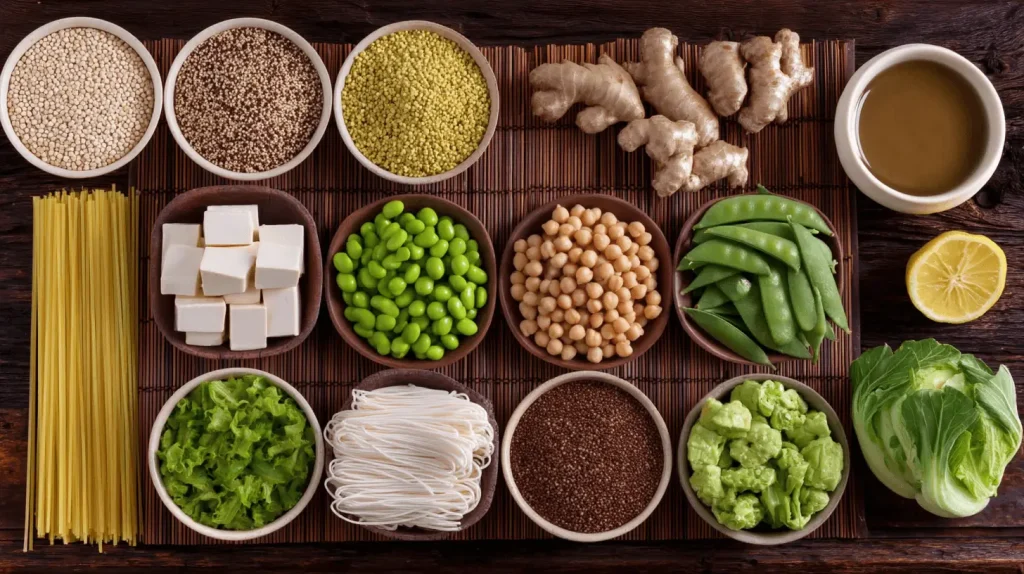
- Whole grains (50–60%): Brown rice, barley, millet, buckwheat
- Vegetables (20–25%): Seasonal and locally grown, steamed or raw
- Legumes (10–15%): Adzuki beans, chickpeas, lentils
- Sea vegetables (5%): Nori, kombu, hiziki
- Beverages: Green tea, roasted barley tea
Sample macrobiotic meals for a day:
Breakfast: Savoury wholemeal barley or millet bake with green tea
Snack: Brown rice and sesame balls
Lunch: Vegetable and millet soup, brown rice salad with mixed vegetables, adzuki beans
Snack: Wholemeal crackers or steamed seasonal vegetables
Dinner: Vegetable and barley soup, steamed greens, chickpeas, green tea
The diet supplies roughly 72% of energy from carbohydrates, which may surprise those accustomed to low-carbohydrate protocols for diabetes. However, clinical trials demonstrate that these unrefined carbohydrates from intact whole grains do not worsen glycaemic control, but rather contribute to dramatic improvements in blood glucose control.
What Is the Scientific Consensus on the Macrobiotic Diet?
Scientific appraisal of the macrobiotic diet highlights both distinct therapeutic benefits and practical considerations. While its metabolic advantages in type 2 diabetes are well documented, dietitians note the importance of preventing nutritional deficiencies.
Demonstrated benefits in clinical research:
- Marked improvement in glycaemic control in type 2 diabetes
- Reduction in cardiovascular risk markers (LDL cholesterol, triglycerides)
- Effective weight loss support in overweight patients
- Anti-inflammatory effects mediated by gut microbiota modulation
Nutritional precautions:
- Risk of vitamin B12 deficiency (supplementation is essential)
- Potential shortfalls in vitamin D, calcium, and omega-3 fatty acids if unmonitored
- Requires substantial meal preparation and planning
- Potential social limitations due to dietary restrictions
Leading health organisations, including the British Dietetic Association (BDA) and the NHS, recognise the health benefits of a balanced, predominantly plant-based wholefood diet, whilst underlining the need for adequate micronutrient intake, particularly vitamin B12.
Allowed and Prohibited Foods on a Macrobiotic Diet
Which Foods Are Allowed in a Macrobiotic Food Plan?
The macrobiotic diet focuses on natural, unprocessed and seasonal foods. Here is a detailed list of the permitted food groups:
Whole grains (50–60% of the diet):
- Brown rice (the staple of the diet)
- Barley
- Millet
- Buckwheat
- Oats (including porridge oats)
- Wholemeal pasta (egg-free)
- Wholemeal bread (unsweetened)
Vegetables (20–25%):
- Green leafy vegetables (kale, Swiss chard, pak choi)
- Root vegetables (carrots, turnips, radishes, beetroot)
- Round vegetables (cabbage, pumpkin, squash)
- Onions, leeks
- Sea vegetables (seaweed: nori, kombu, wakame, hiziki)
Legumes (10–15%):
- Adzuki beans
- Chickpeas
- Lentils (green, brown, red)
- Black beans
- Tofu (not deep-fried)
- Tempeh
- Miso (fermented soya paste)
Occasionally (in small quantities):
- Nuts and seeds (sesame seeds, pumpkin seeds, almonds)
- Locally grown fruit (apples, pears – non-tropical)
- White fish (once a week in less strict variations)
Drinks:
- Green tea
- Barley tea (mugicha)
- Grain coffee (cereal coffee)
- Water
What Foods Are Excluded from Macrobiotic Meals?
The macrobiotic diet excludes certain food groups that are regarded as energetically unbalanced or detrimental to health:
Strictly avoided:
- Animal products: Meat, sausages, processed meats, poultry
- Dairy products: Milk, cheese, butter, yoghurt
- Eggs
- Sugar and confectionery: Refined sugar, chocolate, cakes and biscuits
- Nightshades: Tomatoes, potatoes, peppers, aubergines (considered overly yin)
- Tropical fruits: Bananas, pineapples, mangoes (considered too expansive/yin)
- Processed foods: Ready meals, fast food, tinned foods with artificial additives
- Stimulants: Coffee, black tea, alcohol
- Highly refined oils: Chemically extracted and refined vegetable oils
Restricted:
- Tropical spices (black pepper, curry powder – ginger and garlic are preferred)
- Large quantities of fruit (maximum 2–3 portions per week)
- Oils and fats (limited to small amounts of cold-pressed sesame oil)
These restrictions are grounded in the principle that extreme yin or yang foods disrupt internal balance. The diet aims to centre daily consumption on balanced, harmonious whole foods.
Benefits and Risks of the Macrobiotic Diet
What Are the Health Benefits of a Macrobiotic Diet?
The macrobiotic diet provides numerous health benefits supported by scientific research:
For patients with type 2 diabetes:
- Significant blood glucose reduction: A reduction in HbA1c levels of up to 7 points in 6 months, particularly evident in clinical trials evaluating the Ma-Pi 2 diet
- Medication reduction: Improved insulin sensitivity often allows patients to reduce or discontinue insulin and oral anti-diabetic medications under medical supervision
- Rapid improvements: Positive changes in blood glucose control can be observed after just one week
- Long-term glycaemic control: Sustainable improvement in overall glycaemic index management
Cardiovascular health:
- Cholesterol reduction: LDL cholesterol can decrease by 20–48%
- Triglyceride lowering: Reductions of up to 40%
- Blood pressure regulation: Aided by low sodium content and abundant dietary potassium
General health benefits:
- Weight loss: Natural calorie deficit achieved through wholesome, nutrient-dense foods rich in dietary fibre
- Enhanced gut health: High dietary fibre intake fosters a diverse and healthy gut microbiome
- Anti-inflammatory action: Plant-based antioxidants help combat chronic low-grade inflammation
- Lower cancer risk: Whole-food, plant-rich diets are associated with a reduced risk of various chronic diseases and cancers
Environmental sustainability:
- Lower carbon footprint driven by plant-based eating
- Emphasis on local, seasonal and organic produce
- Minimal industrial processing and plastic packaging
What Are the Potential Risks and Disadvantages?
Despite its notable advantages, there are potential nutritional risks and lifestyle challenges that must be addressed:
Nutritional deficiencies:
- Vitamin B12 deficiency: The most critical risk in strict plant-based eating. Vitamin B12 is indispensable for neurological function and red blood cell formation, making supplementation mandatory.
- Vitamin D: Without adequate sunlight exposure or fortified foods, deficiency can easily develop during British autumn and winter months.
- Calcium: Excluding dairy products can lead to inadequate calcium intake unless sufficient dark leafy greens, tofu and sesame seeds are consumed daily.
- Omega-3 fatty acids: Essential EPA and DHA from oily fish are missing in strict versions.
- Iron: Non-haem iron from plant sources is less readily absorbed than animal-derived haem iron.
Practical challenges:
- Time commitment: Preparing whole grains and fresh seasonal vegetables from scratch takes considerably longer than relying on convenience food.
- Social restrictions: Dining out, travelling or attending social gatherings can present logistical difficulties.
- Palate adjustment: Eliminating refined sugar, excess table salt and intense flavour enhancers requires an adjustment period.
- Ingredient sourcing: Specialised ingredients such as seaweeds and traditional fermented foods may require visits to Asian supermarkets or health food shops.
Medical considerations:
- Not suitable for all demographics: Pregnant or breastfeeding women, infants, children and teenagers have elevated micronutrient requirements and should not follow the strict regimen.
- Diabetes medication management: Blood-sugar-lowering medication must be adjusted by a GP to prevent dangerous episodes of hypoglycaemia.
- Underweight individuals: Those with a low body mass index may find unwanted weight loss difficult to manage on such a high-fibre, low-calorie plan.
The British Dietetic Association and NHS guidelines advise anyone adopting a restrictive macrobiotic diet to undergo regular blood tests, with particular attention to vitamin B12, vitamin D, iron and calcium levels.
Do I Need Dietary Supplements on a Macrobiotic Diet?
With a carefully structured macrobiotic food plan, only a small selection of supplements is strictly necessary, whilst others are advisable depending on individual health status:
Essential:
- Vitamin B12: 250–500 µg daily or 2,500 µg once weekly (as methylcobalamin or cyanocobalamin)
Strongly recommended:
- Vitamin D: 1,000–2,000 IU (25–50 µg) daily, particularly between October and March in the UK (verified by blood tests)
- Omega-3 (DHA/EPA): 250 mg DHA daily from microalgae oil if no fish is eaten
As required (based on blood test results):
- Iron: Only if a clinical deficiency is diagnosed; absorption can be enhanced by pairing plant iron with vitamin C
- Calcium: 500–1,000 mg daily if dietary intake from leafy greens, fortified plant milks, tofu and sesame is insufficient
- Iodine: Generally supplied via sea vegetables, though monitoring is prudent to avoid under- or over-consumption
- Zinc: If low levels are confirmed via diagnostic testing
Regular clinical monitoring (recommended every 6–12 months) is key to catching any nutritional shortfalls early and supplementing accurately.
Who Is the Macrobiotic Diet Suitable For?
The macrobiotic diet can offer meaningful therapeutic value for several groups, provided it is tailored to individual nutritional needs:
Particularly beneficial for:
- Individuals with type 2 diabetes: The strongest clinical evidence exists for improving glycaemic markers and metabolic health in this group
- People looking to lose weight: Natural weight management without rigid calorie counting
- Individuals with raised cholesterol: Substantial reductions in blood lipid profiles
- People with high blood pressure: Supported by a naturally low-salt and potassium-rich whole-food intake
- Health-conscious adults: As a preventative, clean-eating dietary framework
Feasible with GP or specialist guidance:
- Patients with type 1 diabetes: Insulin dosages must be monitored and adjusted meticulously
- Individuals with chronic kidney disease: High dietary potassium and protein sources require tailored medical advice
- People with sensitive digestion: A sudden increase in dietary fibre can initially cause bloating or digestive discomfort
Not recommended or only suitable in a heavily modified form:
- Pregnant and breastfeeding mothers: Substantially elevated nutritional requirements and heightened risk of deficiencies
- Infants, children and adolescents: Active growth phases require high caloric and micronutrient density
- Individuals who are underweight or recovering from eating disorders: High risk of further malnutrition and unintended weight loss
- Patients with acute severe illnesses: Elevated protein, energy and metabolic demands
As a general rule, anyone transitioning to a macrobiotic diet—especially those managing pre-existing medical conditions or taking prescription medications—should always consult their GP or a registered dietitian first.
Putting a Macrobiotic Food Plan into Practice
Transitioning to a macrobiotic diet requires a little planning and kitchen preparation at first, but it quickly becomes an effortless routine. Here is a practical step-by-step guide to getting started:
Step-by-step transition:
- Weeks 1–2: Swap white rice for brown rice, and refined white bread for 100% wholemeal bread
- Weeks 3–4: Introduce a daily portion of legumes (such as brown lentils, red lentils or chickpeas)
- Weeks 5–6: Gradually reduce your consumption of meat, poultry and dairy products
- Weeks 7–8: Experiment with sea vegetables (nori, wakame) and fermented foods such as tempeh and traditional miso
- Week 9 onwards: Fully transition to complete, balanced macrobiotic meals
Essential kitchen equipment:
- Rice cooker or heavy-bottomed pressure cooker (for whole grains and pulses)
- Steamer basket or bamboo steamer for vegetables
- High-quality chef’s knife for precision vegetable slicing
- Airtight glass storage jars for grains, dried pulses and sea vegetables
Weekly shopping essentials:
- Short-grain brown rice (a 5 kg bag for two people)
- Pearl barley, millet and buckwheat
- Assorted dried or tinned legumes (chickpeas, adzuki beans, lentils)
- Fresh seasonal vegetables (aim for at least 5 different varieties)
- Sea vegetables (nori sheets, kombu, wakame)
- Organic firm tofu, tempeh and unpasteurised miso paste
- Cold-pressed toasted sesame oil and whole sesame seeds
- Loose-leaf green tea or bancha twig tea
Meal prep tips:
- Batch-cook whole grains for 2–3 days and keep them chilled in an airtight container
- Cook large batches of dried legumes and freeze them in handy individual portions
- Wash and prep hardy vegetables in advance, storing them in crisping containers
- Prepare a rich kombu-based vegetable stock ahead of time for quick daily miso soups
Dining out on a macrobiotic diet:
- Japanese restaurants: Miso soup, vegetable sushi rolls (cucumber, avocado), steamed edamame and seaweed salad
- Pan-Asian restaurants: Steamed brown or jasmine rice with wok-steamed greens and plain tofu dishes
- Italian restaurants: Wholemeal pasta with simple tomato or garlic and vegetable sauces (request no parmesan or dairy)
- General dining: Mixed grain or green salads topped with chickpeas, with vinaigrette and wholemeal bread on the side
Common beginner mistakes to avoid:
- Transitioning too quickly: A rapid jump in dietary fibre can overwhelm unaccustomed gut flora; pace your switch over several weeks
- Lack of dietary variety: Rotate your selection of whole grains and seasonal greens regularly
- Skipping B12 supplements: Begin taking a reliable vitamin B12 supplement from day one
- Consuming too few calories: Whole grains are your primary energy source; ensure portion sizes are hearty and sustaining
- Neglecting medical supervision: If you have diabetes, your medication must be calibrated with your doctor to reflect improved insulin sensitivity
Crucial guidance for diabetes patients:
- Monitor your blood glucose levels diligently (several times a day during the initial transition)
- Liaise closely with your GP to adjust anti-diabetic drug dosages as your blood sugar drops
- Keep fast-acting carbohydrates readily accessible in case of early hypoglycaemic symptoms
- Schedule follow-up HbA1c tests after 3 and 6 months to track your clinical progress
- Treat dietary changes as a powerful supportive therapy alongside your ongoing medical care, rather than an unmonitored alternative
Frequently Asked Questions
Can a macrobiotic diet really help me stop taking insulin?
In the clinical trial, 100% of participants were able to discontinue their insulin completely after 6 months on the macrobiotic Ma-Pi 2 diet. However, these were controlled study conditions under close medical supervision. Whether and when you can reduce or stop taking insulin depends on many individual factors: the severity of your type 2 diabetes, disease duration, insulin sensitivity, and adherence to the dietary transition. Reducing insulin must NEVER be attempted without medical supervision, as there is a risk of dangerous hyperglycaemia or hypoglycaemia.
Is a macrobiotic diet better than low-carb for diabetes?
Studies on the macrobiotic Ma-Pi 2 diet demonstrate impressive results despite a high carbohydrate proportion (72%). This refutes the assumption that carbohydrates are inherently bad for people with diabetes. What matters is carbohydrate quality: whole grains with a low glycaemic index, high dietary fibre content, and zero additives support stable blood glucose control. Low-carb diets can also be effective, but often suffer from poor long-term adherence and can raise cholesterol. A macrobiotic diet offers the advantage of being sustainably achievable whilst simultaneously improving cardiovascular risk factors.
How long does it take for blood glucose levels to improve?
In the studies, initial improvements were seen after just 7 days: fasting blood glucose levels dropped from an average of 129 mg/dl to 95 mg/dl. After 3 weeks, most markers had improved significantly, and after 6 months participants achieved non-diabetic HbA1c levels. Note: these findings come from clinical trials with strict dietary adherence. Individual results may vary depending on baseline health, genetics, and consistency in following the macrobiotic food plan.
Do I have to give up meat and dairy products completely?
The Ma-Pi 2 diet used in the diabetes studies is strictly plant-based and contains no animal products. This complete exclusion appears to be crucial for achieving the observed benefits. There are also less rigid forms of the macrobiotic diet that occasionally permit fish; however, these have not been specifically evaluated for diabetes management. If you wish to achieve the results demonstrated in the clinical trials, completely avoiding animal products is recommended – alongside appropriate vitamin B12 supplementation.
Can I combine a macrobiotic diet with metformin?
Yes, a macrobiotic diet can be safely combined with metformin. In fact, this is often sensible during the initial stages. Metformin works synergistically with dietary changes, as it also enhances insulin sensitivity. In the trials, many participants were taking metformin initially, but were able to reduce their dosage or discontinue it over time. Close blood glucose monitoring is essential to prevent hypoglycaemia from the combined effect. Discuss with your GP or diabetes specialist when and how quickly your medication can be adjusted.
Is a macrobiotic diet expensive?
A macrobiotic diet does not have to be expensive. The staple foundations – whole grains, legumes, and seasonal vegetables – are relatively inexpensive. Brown rice, pearl barley, and lentils cost considerably less than meat, cheese, or ultra-processed ready meals. Speciality items such as sea vegetables (seaweed), organic tofu, or high-quality toasted sesame oil may carry a higher price tag, but are only used in small quantities. Overall, grocery costs are usually lower than those of a standard diet containing animal products. The biggest investment is time, not money.
Will I get enough protein from macrobiotic meals?
Yes, with appropriate planning, protein intake is entirely sufficient. Combining whole grains with legumes provides all essential amino acids in adequate amounts. A typical macrobiotic food plan featuring 60% grains and 10–15% legumes comfortably meets the daily adult protein requirement (0.8 g per kilogram of body weight). Quinoa, buckwheat, tofu, and tempeh are particularly rich in plant protein. The key is combining diverse plant-based protein sources across the day. For athletes or those with increased requirements, the proportion of legumes can easily be increased.
What should I do about sugar cravings?
Sugar cravings are completely normal in the first few weeks as your body adjusts away from refined sugar. Over time, following a macrobiotic diet helps regulate blood glucose levels so cravings become far less frequent. During the transition phase, helpful options include: small portions of dried fruit, naturally sweet vegetables such as butternut squash or carrots, rice syrup as an occasional alternative to sugar, or amazake (a traditional fermented rice drink with natural sweetness). Ensuring you eat sufficient whole grains is essential, as they stabilise blood glucose and keep cravings at bay.
Can people with type 1 diabetes follow this diet?
In principle, people with type 1 diabetes can also benefit from a macrobiotic diet, although clinical studies have primarily been conducted on type 2 diabetes. In type 1 diabetes, pancreatic insulin production has ceased entirely, meaning exogenous insulin is always necessary. However, macrobiotic meals can help lower overall insulin requirements and stabilise blood glucose control. Because complex carbohydrates from whole grains are released steadily, blood sugar spikes and fluctuations are minimised. Rigorous blood glucose monitoring and careful insulin titration under the guidance of an experienced endocrinologist or diabetes specialist team are vital.
Where can I find ingredients for macrobiotic recipes?
Most core ingredients can be found in major UK supermarkets: whole grains, legumes, fresh vegetables, and tofu are widely available. For specialist items such as sea vegetables, miso paste, tempeh, fermented foods, or organic whole grains, health food shops (such as Holland & Barrett or independent wholefood stores), East Asian grocers, or online retailers are ideal. Sea vegetables (nori, kombu, wakame) are readily available and affordable at East Asian grocers. Online retailers and specialist wholefood suppliers also stock the complete range. In time, sourcing your staples becomes second nature.
Scientific References
- Porrata-Maury C, Hernández-Triana M, Ruiz-Álvarez V, et al. (2014). Ma-Pi 2 macrobiotic diet and type 2 diabetes mellitus: pooled analysis of short-term intervention studies. Diabetes Metab Res Rev. 30 Suppl 1:55-66.
- Fallucca F, Porrata C, Fallucca S, Pianesi M. (2014). Influence of diet on gut microbiota, inflammation and type 2 diabetes mellitus: First experience with macrobiotic Ma-Pi 2 diet. Diabetes Metab Res Rev. 30 Suppl 1:48-54.
- Fallucca F, Fallucca S, Pianesi M. (2014). The effects of the MA-PI 2 macrobiotic diet in the treatment of type 2 diabetes and diet-induced metabolic acidosis. Diabetes Metab Res Rev. 30(8):659-660.
- Porrata C, Sánchez J, Correa V, et al. (2009). Ma-pi 2 macrobiotic diet intervention in adults with type 2 diabetes mellitus. MEDICC Rev. 11(4):29-35.
- Soare A, Khazrai YM, Del Toro R, et al. (2014). The effect of the macrobiotic Ma-Pi 2 diet vs. the recommended diet in the management of type 2 diabetes: the randomized controlled MADIAB trial. Nutr Metab (Lond). 11:39.
- Nathan DM, Kuenen J, Borg R, et al. (2008). Translating the A1C assay into estimated average glucose values. Diabetes Care. 31(8):1473-1478.