
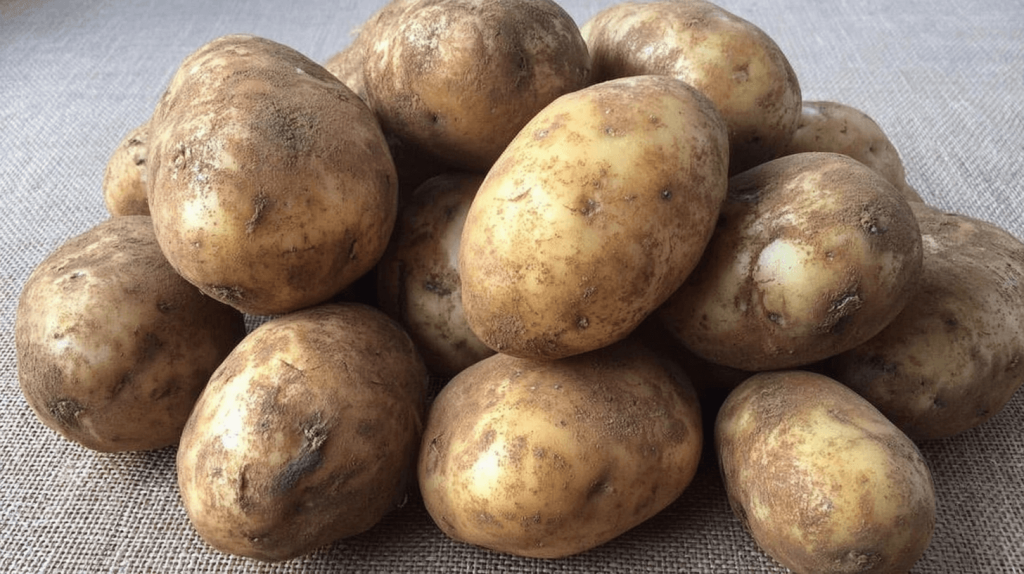
The potatoes glycaemic index has been the subject of scientific debate for years. Whilst potatoes are widely regarded as a nutritious vegetable, their glycaemic index of 78 paints a rather different picture. Harvard studies demonstrate that each additional portion of potatoes per day increases the risk of type 2 diabetes by 20 per cent. The method of preparation plays a crucial role here – deep-fried potatoes are five times more harmful than boiled potatoes.
Table of Contents
Key Takeaways
- High glycaemic index: Boiled potatoes have a glycaemic index of 78, placing them firmly amongst high-GI foods.
- Proven diabetes risk: Over 20 years of research, the Harvard Nurses’ Health Study revealed that high potato consumption increases the risk of type 2 diabetes by 20 per cent for each additional daily serving.
- Cooking method is critical: Deep-fried potatoes and chips are five times more detrimental than boiled potatoes – having just three servings per week raises diabetes risk by 20 per cent.
- Glycaemic load is decisive: Despite a high glycaemic index, potatoes have a moderate glycaemic load of 10, making them acceptable when consumed in sensible portions.
- Iranian study shows the opposite: In populations following a wholesome diet rich in fruit, vegetables, and whole grains, potato consumption was associated with up to a 50 per cent reduction in diabetes risk.
- Blood sugar regulation: Culinary preparation dictates how quickly postprandial glucose rises – boiled and cooled potatoes manage blood sugar spikes far better than hot mashed potato.
The Potatoes Glycaemic Index Explained
What Does the White Potato GI Index Reveal?
The potatoes glycaemic index measures how rapidly potato carbohydrates are digested and cause postprandial glucose levels to surge. With a value of 78, boiled potatoes rank as a high-GI food. The glycaemic index is measured on a scale from 0 to 100, where pure glucose represents the reference value of 100. A GI above 70 is considered high, between 55 and 70 is medium, and below 55 is low.
A breakdown of the potato GI across different culinary preparations reveals marked differences:
- Instant mashed potato: glycaemic index 87
- Baked potatoes glycemic index: 86
- Boiled potato glycemic index: 78
- Chips / French fries: glycaemic index 63–75 (depending on preparation)
- Boiled sweet potatoes: glycaemic index 64
How Does the Potato GI Trigger Blood Sugar Spikes?
Foods with a high glycaemic index cause rapid blood sugar spikes. This places substantial strain on the body’s glucose regulation: the pancreas must secrete large surges of insulin to transport glucose out of the bloodstream and into cells. Over time, frequent consumption of high-GI foods can foster insulin resistance and ultimately lead to type 2 diabetes.
A normal fasting blood sugar level sits between 70 and 100 mg/dl. After eating potatoes with a high glycaemic index, blood glucose can spike above 140 mg/dl. Consistently elevated postprandial glucose values indicate impaired glucose tolerance – a key precursor to clinical diabetes.
Why Do Potatoes Have Such a High Glycaemic Index?
The high potatoes glycaemic index stems directly from their starch structure. Potato starch consists primarily of amylopectin, a rapidly digestible carbohydrate. When heated in water, this starch gelatinises and becomes even more accessible to digestive enzymes. This explains why smooth mashed potato exhibits the highest glycaemic index – the mechanical mashing combined with heat completely breaks down the cellular structure and frees the starch.
Standard GI charts for diabetes management show that potatoes sit near the very top of the scale. Only white bread, cornflakes, and pure glucose produce higher figures.
Which Glycaemic Index Values Are Considered Healthy?
A favourable glycaemic index is below 55 – these low-GI foods release glucose gradually into the bloodstream without causing sharp blood sugar spikes. Values between 55 and 70 are intermediate, whilst those above 70 are high. To support metabolic health and prevent type 2 diabetes, the NHS and British Dietetic Association recommend centring meals on low-GI carbohydrates:
- Excellent (GI under 40): Pulses, lentils, most green vegetables, nuts, and whole grains such as quinoa
- Good (GI 40–55): Sweet potatoes, wholemeal pasta, basmati rice, and most fresh fruits
- Acceptable (GI 55–70): Wholemeal bread, brown rice, and porridge oats
- Limit or avoid (GI over 70): White potatoes (78), white bread (75), cornflakes (81), and glucose (100)
Maintaining stable blood sugar is best achieved through a diet composed predominantly of low-GI foods, which actively protects against insulin resistance and type 2 diabetes.
Harvard Studies: Potatoes and Diabetes Risk
What Did the Harvard Nurses’ Health Study Discover?
The Harvard Nurses’ Health Study stands as one of the most comprehensive nutritional investigations in modern medicine. Over two decades, researchers tracked the dietary habits of hundreds of thousands of women. The conclusions were unmistakable: high potato intake significantly elevates diabetes risk. Every additional daily portion of potatoes was linked with a 20 per cent higher risk of developing type 2 diabetes.
Crucially, this association was not confined to deep-fried options. Mashed potatoes and baked jacket potatoes were also tied to increased diabetes incidence. This indicates that the high potatoes glycaemic index remains problematic regardless of basic preparation.
Did the Researchers Control for Other Dietary Factors?
Yes, the Harvard researchers applied rigorous statistical adjustments. They controlled for:
- Meat consumption: Individuals who consume more potatoes often eat larger amounts of red and processed meat, which independently increases diabetes risk.
- Added fats: Butter, soured cream, and other rich toppings were statistically isolated.
- Overall dietary pattern: Total vegetable intake, sugary soft drink consumption, and the ratio of plant to animal fats were accounted for.
- Lifestyle variables: Physical activity, smoking status, and body mass index (BMI) were fully adjusted.
Even after these comprehensive adjustments, the correlation between potato consumption and diabetes risk persisted, confirming that the potato GI represents an independent metabolic risk factor.
What Did the 2018 Meta-Analysis Conclude?
A meta-analysis published in 2018 pooled data from six large prospective cohort investigations, including the Harvard Nurses’ Health Study and the Health Professionals Follow-up Study. Analyzing hundreds of thousands of participants, the synthesis confirmed that every daily serving of potatoes increases type 2 diabetes risk by 20 per cent.
The authors concluded that the high potatoes glycaemic index and subsequent sharp blood sugar spikes contribute to long-term insulin resistance. Professor Walter Willett, former chair of the Department of Nutrition at Harvard, stated pointedly that in national dietary guidelines, potatoes should not be categorised alongside green vegetables, but rather grouped closer to refined carbohydrates and sweets.
Preparation Methods: How to Lower Glycemic Index of Potatoes
Why Are Deep-Fried Potatoes Particularly Harmful?
The Harvard studies highlighted a dramatic difference: deep-fried potatoes – including chips, crisps, and hash browns – proved five times more damaging than boiled potatoes. Consuming as few as three portions of chips per week increases type 2 diabetes risk by 20 per cent.
The hazard extends well beyond the glycaemic index alone. High-temperature frying generates harmful compounds:
- AGEs (Advanced Glycation End Products): These pro-inflammatory compounds promote tissue inflammation and directly worsen insulin resistance.
- Acrylamide: A chemical byproduct formed when starchy foods are cooked at high temperatures.
- Trans fats: Frequently present in commercial frying oils, trans fatty acids severely impair insulin sensitivity.
- Oxidised oils: Repeatedly heated frying fats create lipid peroxides that damage metabolic function.
Chips therefore combine a high potato GI with substantial cellular and metabolic stress caused by thermal degradation products.
Boiled Potato Glycemic Index: Are They a Healthier Choice?
Boiled potatoes offer several distinct nutritional advantages over fried alternatives:
- Resistant starch: Allowing cooked potatoes to cool facilitates the formation of resistant starch, which blunts the postprandial glucose surge. This starch bypasses digestion in the small intestine and functions like soluble dietary fibre.
- Absence of toxic byproducts: Boiling at 100°C produces neither AGEs nor acrylamide.
- Preserved micronutrients: Water-soluble vitamin C and B-complex vitamins are partially retained.
- Rich in potassium: Potatoes serve as an excellent source of dietary potassium, vital for healthy blood pressure and insulin function.
Practical tip: Boil potatoes a day in advance and eat them cold in a salad or gently reheated. The boiling and cooling process generates resistant starch, which can reduce the glycaemic index from 78 down to around 55–60.
How Does Day-Old Potato GI Compare?
The glycaemic index of day-old cooked potatoes is substantially lower than that of freshly boiled tubers. Whilst freshly boiled, piping hot potatoes have a GI of 78, cooled potatoes drop to approximately 55–60. This notable reduction is driven by retrogradation – the crystallisation of amylose molecules as they cool.
This newly formed resistant starch exhibits unique physiological benefits:
- Indigestible in the upper GI tract: Resistant starch passes through the small intestine intact and reaches the colon, where beneficial gut microbiota ferment it into short-chain fatty acids.
- Prebiotic fibre effect: It acts as a prebiotic substrate, fostering a healthy gut microbiome.
- Attenuated blood glucose response: Because less starch is enzymatically cleaved into free glucose, postprandial glucose rises far more gently.
- Enhanced satiety index: Resistant starch improves satiety and curbs appetite, leading to a higher satiety index score after meals.
Crucially, gentle reheating does not destroy this crystal structure: chilled potatoes that are subsequently warmed retain roughly 70–80% of their resistant starch. Cold preparations – such as a traditional potato salad dressed with olive oil and a dash of vinegar – provide the greatest reduction in glycaemic response.
Which Preparation Methods Work Best?
To minimise blood sugar spikes whilst enjoying potatoes, consider these optimal preparation techniques:
- New potatoes boiled in their skins: Retaining the skin adds dietary fibre that slows carbohydrate digestion.
- Cold potato salad: The boiling and cooling process develops resistant starch to significantly lower the overall potato GI.
- Steamed whole potatoes: Gentle steaming preserves micronutrient integrity while maintaining intact cellular structure.
- Baked jacket potato paired with quark or cottage cheese: Adding lean protein and healthy fats delays gastric emptying and moderates glucose absorption.
Preparations to avoid or strictly limit:
- Commercial deep-fried chips and fries
- Smooth, buttery mashed potato (highest glycaemic index)
- Processed, packaged potato snacks with artificial additives
- Re-fried or twice-cooked potato products
Glycaemic Load: More Important Than the Index?
What is the difference between glycaemic index and glycaemic load?
When assessing potatoes, glycaemic index indicates how rapidly a food causes blood sugar spikes, regardless of portion size. By contrast, glycaemic load takes into account the actual amount of carbohydrates consumed. It is calculated as: (glycaemic index × carbohydrates per portion in grams) ÷ 100.
For standard white potatoes, this means:
- Potato GI: 78 (high)
- Carbohydrates per 150g portion: 20g
- Glycaemic load: (78 × 20) ÷ 100 = 15.6 (medium)
A glycaemic load below 10 is considered low, 11–19 is medium, and 20 or above is high. Despite a high white potato GI index, potatoes therefore sit in the medium range for glycaemic load.
Does glycaemic load make potatoes healthier?
Looking at glycaemic load shows that moderate potato portions can be manageable—particularly when combined with other foods. Eating potatoes alongside protein (such as fish or quark) and vegetables helps buffer postprandial glucose levels.
However, major Harvard studies identified an increased risk of type 2 diabetes even with standard serving sizes. Whilst a single 150g portion of potatoes has a medium glycaemic load, daily consumption quickly accumulates. These cohort studies factored in realistic portion sizes and still observed a 20 per cent higher diabetes risk per daily serving.
How should you fit potatoes into a low-GI diet?
To incorporate potatoes into a low glycaemic diet, dietitians recommend the following:
- Limit portion size: Keep to a maximum of 150g of potatoes per meal.
- Do not eat them daily: Enjoy them 2–3 times a week rather than every day.
- Pair with low-GI foods: Combine with non-starchy vegetables, pulses, and wholemeal options.
- Add lean protein: Quark, cottage cheese, fish, and pulses slow down glucose absorption.
- Let them cool: Resistant starch forms during cooling, improving metabolic response.
- Add vinegar: The acetic acid in a vinaigrette potato salad can lower post-meal blood sugar surges by up to 30 per cent.
A standard glycaemic index chart demonstrates that sweet potatoes (GI 64) or pulses (GI 25–40) remain preferable alternatives for blood sugar management.
The Contradiction: The Iranian Study
What did the Iranian study discover?
A 2018 study published in the Canadian Journal of Diabetes arrived at a contrasting conclusion: participants who consumed more boiled potatoes had a 50 per cent lower risk of diabetes. Why the discrepancy?
The explanation lies in dietary context. In Iran, boiled potatoes are the traditional preparation method rather than chips or french fries. Furthermore, individuals eating substantial amounts of potatoes in Iran typically followed an overall healthier dietary pattern:
- Higher intake of fruit and vegetables
- More pulses (characteristic of a low glycaemic diet)
- More whole grains
- Fewer ultra-processed foods
- Lower red and processed meat intake
What does this mean for diabetes prevention?
The Iranian research highlights that overall dietary context is paramount. Within a balanced diet rich in low-GI foods, a moderate boiled potato glycemic index impact may be neutral or even beneficial.
Conversely, in a typical Western diet—characterised by high red meat consumption, processed items, and low vegetable intake—potatoes exacerbate diabetes risk. US observational studies often reflect potatoes eaten as chips, crisps, or baked potatoes loaded with butter, bacon, and sour cream.
Why are observational studies debated?
The potato industry, led by manufacturers such as McCain Foods, has questioned the Harvard findings, arguing that observational studies establish correlation rather than direct causation. Higher potato intake might simply serve as a marker for a less healthy lifestyle overall.
There is some merit to this critique. Although researchers statistically controlled for numerous confounding variables, eliminating residual confounding entirely in observational nutritional science is challenging. A 2016 systematic review in The American Journal of Clinical Nutrition concluded that existing evidence was insufficient to confirm definitively that potatoes cause diabetes.
Nevertheless, the consistency of findings across massive cohorts and the biological mechanism—where recurring glucose spikes drive insulin resistance—strongly suggest that the metabolic relationship is genuine.
How to Prepare Potatoes Properly
How to lower glycemic index of potatoes
Applying the correct cooking and preparation methods makes a substantial difference to postprandial glucose rises:
- Boiling and cooling: After boiling, chill potatoes in the fridge for at least 24 hours. The starch retrogrades and becomes resistant starch.
- Add an acid: Vinegar inhibits digestive enzymes that break down starch into glucose. A cold potato salad dressed with vinaigrette is an effective option.
- Pair with healthy fats and protein: A tablespoon of extra virgin olive oil or 100g of quark slows gastric emptying.
- Leave them whole: Intact boiled potatoes produce a lower glycaemic response than smooth mash.
- Keep the skins on: Dietary fibre in the skin moderates glucose absorption.
- Choose waxy varieties: Waxy salad potatoes contain a higher proportion of amylose (slow-digesting starch) compared to floury baking varieties.
What are the best alternatives to white potatoes?
For individuals managing insulin resistance, prediabetes, or elevated blood glucose, several lower-impact alternatives exist:
- Sweet potatoes: A glycaemic index of 64 instead of 78, alongside higher fibre and beta-carotene.
- Pulses: Lentils (GI 25), chickpeas (GI 35), and kidney beans (GI 40)—all delivering a significantly lower glycaemic impact.
- Quinoa: GI 53, offering higher protein content and complex carbohydrates.
- Wholemeal pasta: GI 50, providing higher intact fibre.
- Cauliflower mash: A very low glycaemic load alternative with a texture similar to traditional mash.
How do regular potatoes compare to sweet potatoes?
The difference in potatoes glycaemic index profiles is notable: sweet potatoes have a GI of roughly 64, whereas standard white potatoes sit around 78. This difference means sweet potatoes release carbohydrates into the bloodstream at a steadier rate, offering clear benefits for type 2 diabetes management.
Factors explaining the lower GI of sweet potatoes include:
- Higher fibre content: More soluble and insoluble fibre that delays carbohydrate digestion.
- Favourable starch composition: A higher amylose-to-amylopectin ratio.
- Bioactive compounds: Anthocyanins and carotenoids that support glucose regulation.
- Intact structure: Less frequently over-processed or mashed compared to standard spuds.
Additional nutritional advantages of sweet potatoes:
- Beta-carotene: A 100g serving meets standard daily requirements for provitamin A.
- Lower glycaemic load: Despite their natural sweetness, they have a GL of only 11 (compared to 15.6 for standard white potatoes).
- Antioxidant profile: Purple varieties in particular are exceptionally rich in anthocyanins.
- High satiety index: The dense dietary fibre promotes fullness and helps manage appetite.
For anyone managing blood glucose, sweet potatoes represent a preferable everyday starch, sitting in the medium GI band (55–70) rather than the high GI band (70+).
How often should you eat potatoes?
Drawing on the epidemiological data, dietitians recommend:
- A maximum of 2–3 portions per week rather than daily consumption.
- Portion sizes kept to 100–150g of boiled or steamed potatoes.
- Chips and crisps limited to once a month or avoided where possible.
- Always pair with vegetables and protein: Avoid serving potatoes as an isolated carbohydrate dish.
- Keep them as a side: Non-starchy vegetables should ideally occupy half your plate.
Maintaining stable blood sugar relies on dietary variety. Rather than relying on potatoes every day, alternate with wholemeal grains, pulses, and colourful seasonal vegetables.
Scientific References
- Halton TL, Willett WC, Liu S, Manson JE, Stampfer MJ, Hu FB. Potato and french fry consumption and risk of type 2 diabetes in women. Am J Clin Nutr. 2006;83(2):284-90.
- Muraki I, Rimm EB, Willett WC, Manson JE, Hu FB, Sun Q. Potato consumption and risk of type 2 diabetes: results from three prospective cohort studies. Diabetes Care. 2016;39(3):376-84.
- Bidel Z, Teymoori F, Davari SJ, Nazarzadeh M. Potato consumption and risk of type 2 diabetes: A dose-response meta-analysis of cohort studies. Clin Nutr ESPEN. 2018;27:86-91.
- Zhang Y, You D, Lu N, et al. Potatoes consumption and risk of type 2 diabetes: a meta-analysis. Iran J Public Health. 2018;47(11):1627-35.
- Farhadnejad H, Teymoori F, Asghari G, Mirmiran P, Azizi F. The association of potato intake with risk for incident type 2 diabetes in adults. Can J Diabetes. 2018;42(6):613-8.
- Borch D, Juul-Hindsgaul N, Veller M, Astrup A, Jaskolowski J, Raben A. Potatoes and risk of obesity, type 2 diabetes, and cardiovascular disease in apparently healthy adults: a systematic review of clinical intervention and observational studies. Am J Clin Nutr. 2016;104(2):489-98.
- Zhao L-G, Zhang Q-L, Liu X-L, Wu H, Zheng J-L, Xiang Y-B. Dietary protein intake and risk of type 2 diabetes: a dose-response meta-analysis of prospective studies. Eur J Nutr. 2019;58(4):1351-67.
- Decker EA, Ferruzzi MG. Innovations in food chemistry and processing to enhance the nutrient profile of the white potato in all forms. Adv Nutr. 2013;4(3):345S-50S.
- Chiuve SE, Willett WC. The 2005 Food Guide Pyramid: an opportunity lost? Nat Clin Pract Cardiovasc Med. 2007;4(11):610-20.
- McGill CR, Kurilich AC, Davignon J. The role of potatoes and potato components in cardiometabolic health: a review. Ann Med. 2013;45(7):467-73.
- Osella AR, Veronese N, Notarnicola M, et al. Potato consumption is not associated with higher risk of mortality: a longitudinal study among southern italian older adults. J Nutr Health Aging. 2018;22(6):726-30.
- Beals KA. Potatoes, nutrition and health. Am J Potato Res. 2019;96(2):102-10.
- McCain Foods.