The crunch is the classic core exercise – and for that very reason, it is frequently performed incorrectly. When executing a crunch, you only curl your upper back off the exercise mat rather than sitting all the way up. This small, controlled movement targets the rectus abdominis with precision. Here is how to do crunches properly to achieve maximum muscle activation, prevent neck strain and lower back issues, and progress with effective variations.
Key takeaways
- The crunch primarily targets the rectus abdominis – the front of the abdominal wall.
- Only the upper back is lifted, whilst the lower back remains firmly on the mat.
- The effort comes entirely from the abdominals, not the neck – your hands are only there to support your head.
- Lift slowly, pause briefly at the top, and lower with control – focus on controlled movement over momentum.
- Crunches build core strength but cannot do everything alone: combine them with exercises for the obliques and deep stabilising muscles.
What is an abdominal crunches exercise and which muscles work?
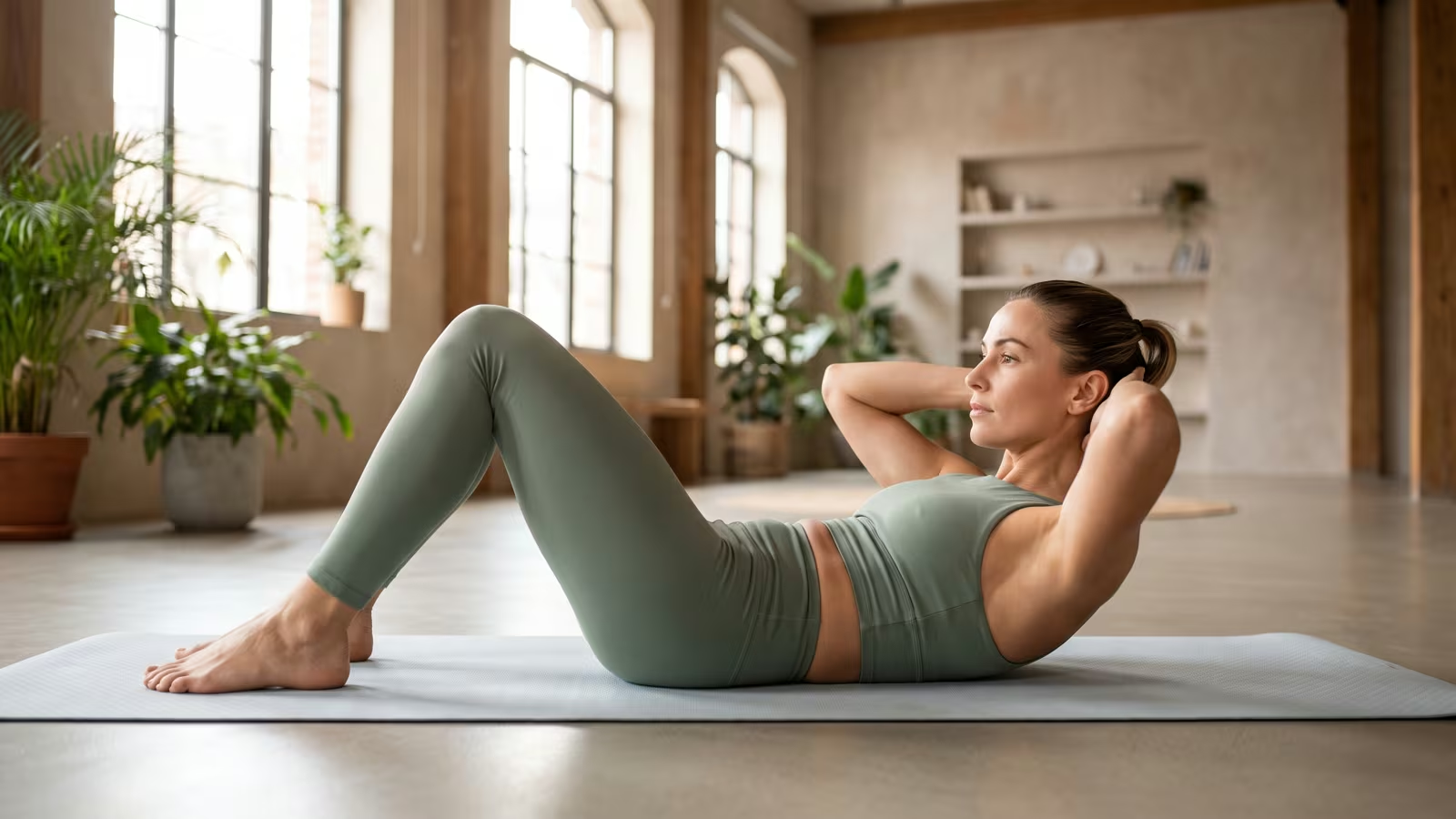
The crunch is a modified, shorter variation of the traditional sit-up. Instead of raising your entire torso, you only lift your head and shoulder blades off the floor – your lower back stays grounded. This isolates the rectus abdominis (the straight abdominal muscle) whilst keeping the hip flexors largely disengaged. This is precisely what makes the abdominal crunches exercise far gentler on your spine than a full sit-up: because there is no excessive spinal flexion and the hip flexors do not pull on the pelvis, the strain stays exactly where it belongs – in the abdominal wall.
How to do crunches properly: step by step
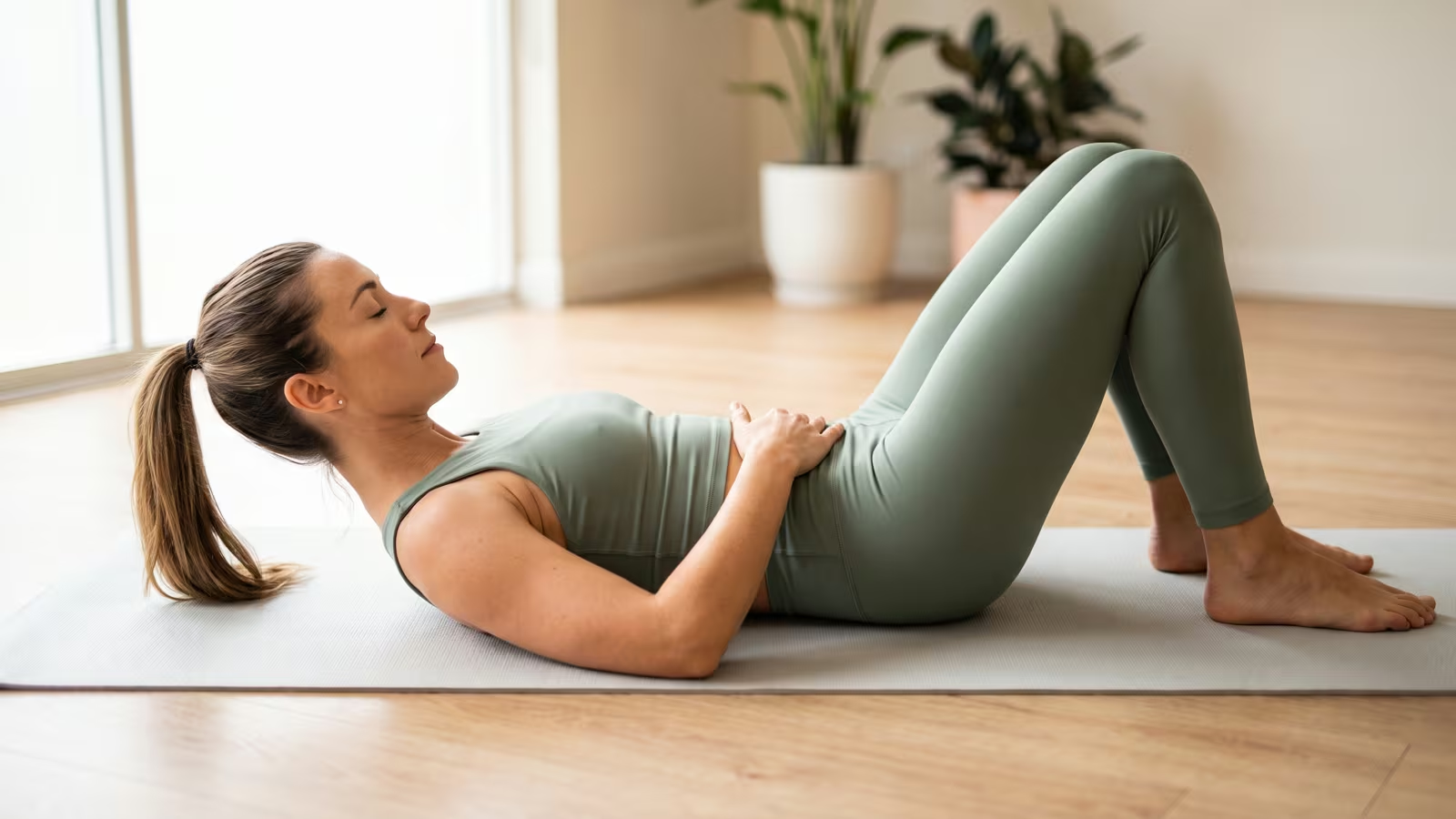
Lie on your back on an exercise mat, place your feet flat on the floor hip-width apart, and rest your hands lightly behind your head or cross them over your chest. Draw your navel gently inwards towards your spine. As you exhale, slowly curl your head and shoulder blades away from the floor by contracting your abs – your lower back remains pressed into the mat. Hold the tension briefly at the top, then lower yourself down with controlled movement without resting your head completely on the floor. Keep your gaze directed diagonally upwards so that you maintain a fist-sized gap between your chin and chest, protecting against neck strain.
Common mistakes when doing stomach crunches
The most frequent mistake is pulling on the neck: yanking your head upwards with your hands causes neck strain rather than building strong abs. Your fingertips should merely cradle the skull. Another widespread error is relying on momentum – swinging yourself up bypasses muscle activation entirely. In addition, sitting up fully (as in a sit-up) shifts the workload onto the hip flexors and lower back. Lastly, holding your breath reduces intra-abdominal pressure and core stability; always exhale steadily as you curl upwards.
Variations to adjust intensity and maximise stomach crunches benefits
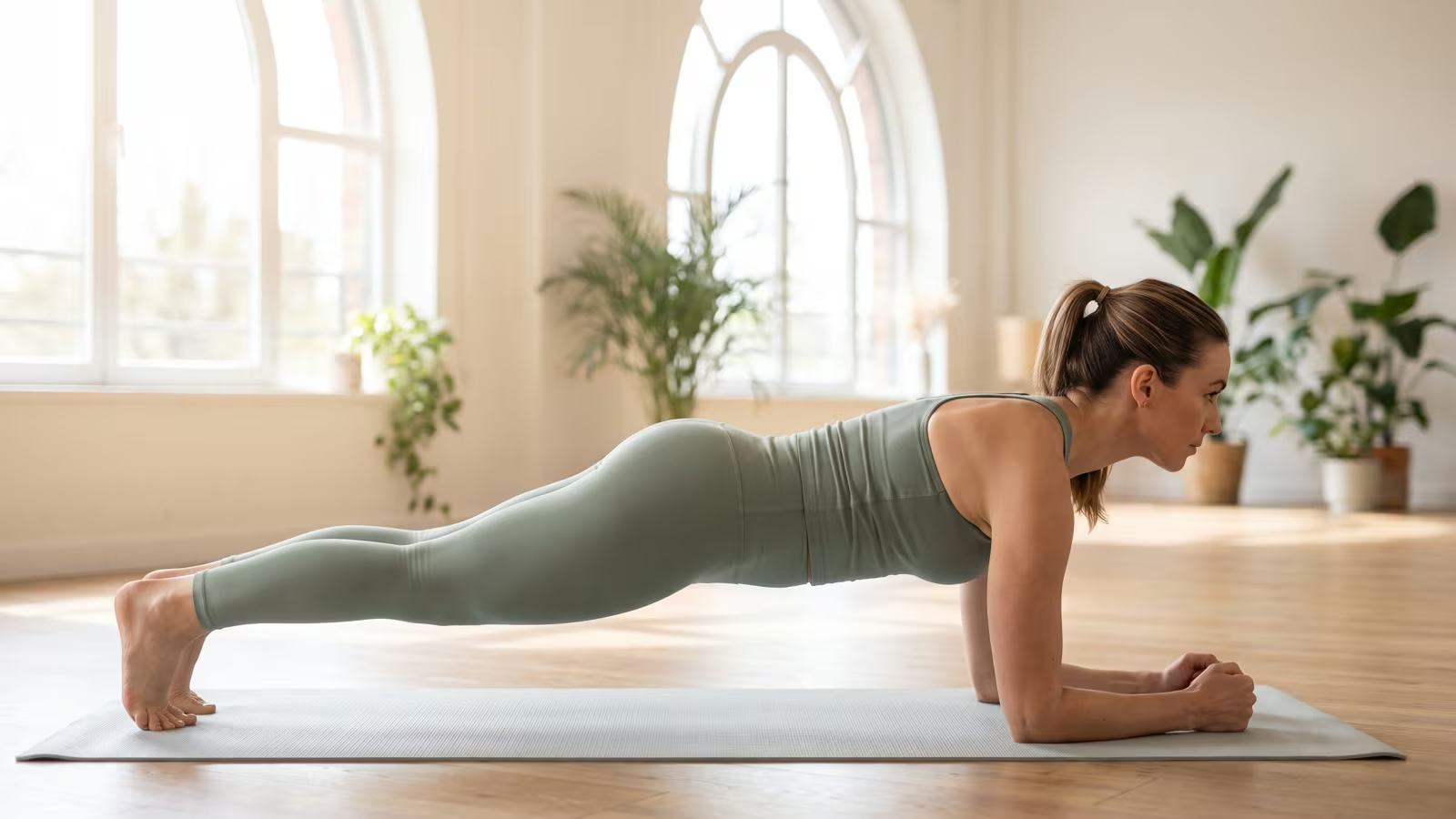
If standard stomach crunches feel too demanding, cross your arms over your chest to shorten the lever arm. To increase intensity, extend your arms overhead or raise your legs into a tabletop position. If you want to engage the obliques, rotate one shoulder towards the opposite knee as you lift (diagonal crunch). Because the standard crunch focuses predominantly on the rectus abdominis, you should always combine it with other movements – such as the Russian twist for the waist and the plank for deep core stability.
How many stomach crunches should you do and how often?
A sensible target is 2 to 3 sets of 12 to 20 clean repetitions. Doing hundreds of crunches in one go yields little benefit – as soon as your technique falters, the set is finished. Two to three training sessions per week are plenty to strengthen the rectus abdominis. It is also important to note: doing crunches alone will not suddenly produce a six-pack. They develop the muscle underneath, but definition only becomes visible with a lower body fat percentage, which is primarily achieved through a balanced diet.
The bottom line
Crunches remain a staple in core training – provided your form is immaculate. Lifting only the upper back, driving the contraction through the abs, maintaining a neutral neck, and working at a deliberate tempo will target the rectus abdominis effectively. Understanding how to do crunches properly makes them a valuable tool within a varied workout routine. Incorporate 2 to 3 sets of clean stomach crunches into your workout, and pair them with exercises for the obliques and deep core stabilisers.
Frequently asked questions
Which muscles do stomach crunches target?
They primarily target the rectus abdominis, which forms the front of the abdominal wall. The internal and external obliques and deeper transverse abdominal muscles receive minimal activation.
What is the difference between a crunch and a sit-up?
In a crunch, you only lift your head and shoulder blades, whereas a sit-up involves raising your entire torso. Crunches are far kinder to the lower back because the hip flexors are not heavily recruited.
How many crunches should I do a day?
Aim for 2 to 3 sets of 12 to 20 controlled repetitions, two to three days a week. High repetition volume never compensates for poor form.
Why does my neck hurt when doing crunches?
Neck pain usually occurs when you pull your head forward with your hands. Keep your hands relaxed, maintain space under your chin, and focus on initiating all movement from your abdominal wall.
How to do crunches for a flat tummy and defined abs?
Crunches strengthen and thicken the abdominal muscles, but a flat stomach and visible definition require a lower overall body fat percentage, which depends mostly on your nutrition and overall energy balance.
Are stomach crunches bad for your lower back?
Not when performed with correct technique. Issues only arise from swinging, sitting all the way up, or letting the lower back arch off the mat. If you experience discomfort, try the dead bug exercise instead.
How should I breathe during crunches?
Exhale as you curl your shoulders off the floor and inhale as you lower yourself back down. This breathing pattern helps maintain abdominal tension and core stability throughout.
Are abdominal crunches suitable for beginners?
Yes. Beginners can start by crossing their arms over the chest and performing a smaller number of repetitions, prioritising strict technique before increasing volume.