Pilates is uniquely suited to strengthening the midsection – controlled, gentle on the joints, and requiring no equipment. The key lies in conscious powerhouse activation to build deep core stability. In this guide, you will discover the 15 best pilates stomach exercises, graded from gentle to advanced – each with a concise explanation and a link to detailed step-by-step guidance. This allows you to build your own effective mat pilates workout step by step.
Key Takeaways
- Pilates stomach exercises strengthen the entire midsection – including the rectus abdominis, obliques, and deep transverse abdominis.
- The foundation of every movement is an activated powerhouse: navel drawn gently inwards, paired with subtle pelvic floor engagement.
- Start with gentle foundational movements and gradually progress to more demanding variations.
- Maintaining a neutral spine and safe lumbar alignment protects the back throughout most exercises.
- Two to three sessions a week are sufficient; achieving a flatter stomach requires both consistent training and balanced nutrition.
The Foundation: Activating the Powerhouse
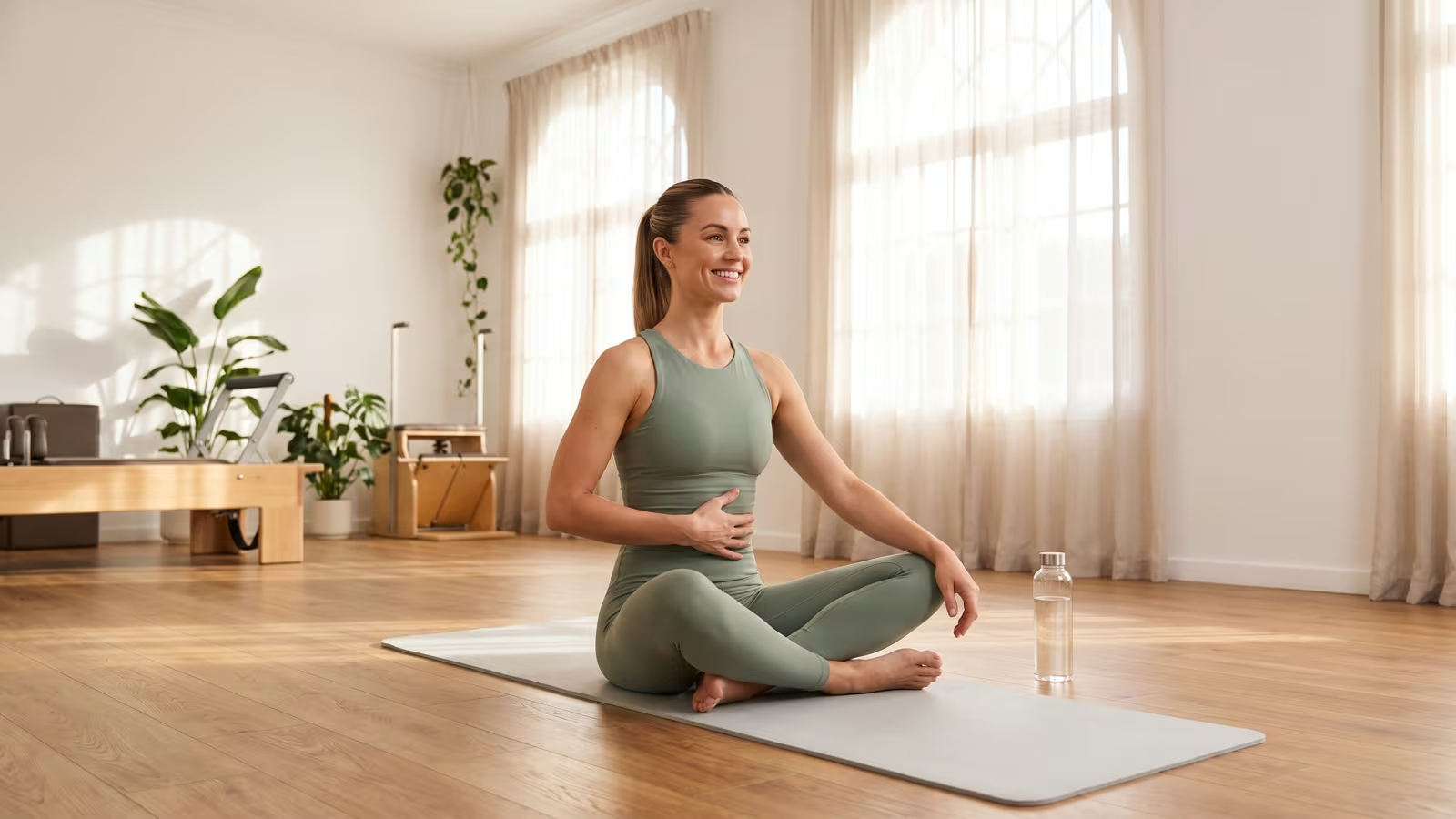
Before jumping into individual movements, it is well worth mastering the fundamental principles. In Pilates, every movement originates from the centre – the powerhouse. You activate it by gently drawing your navel in and up on an exhalation, whilst maintaining light pelvic floor engagement. Hold this deep tension through the transverse abdominis whilst your arms and legs move. Activating your powerhouse before each exercise not only makes your workout far more effective, but also protects your back. It is the single most important habit in all of Pilates.
Pilates Stomach Exercises for Beginners: Gentle Starting Moves
For beginners, postnatal recovery, and anyone with a sensitive back, movements that avoid curling up and keep the back flat on the floor are ideal. The Dead Bug activates deep stabilising muscles whilst being exceptionally gentle on the spine. Toe Taps offer the gentlest introduction to targeting the lower abs. The Bear Plank builds core stability with minimal spinal strain. These three bodyweight exercises form a secure foundation upon which everything else builds.
Pilates Core Workout: Classics for All-Over Abdominal Strength
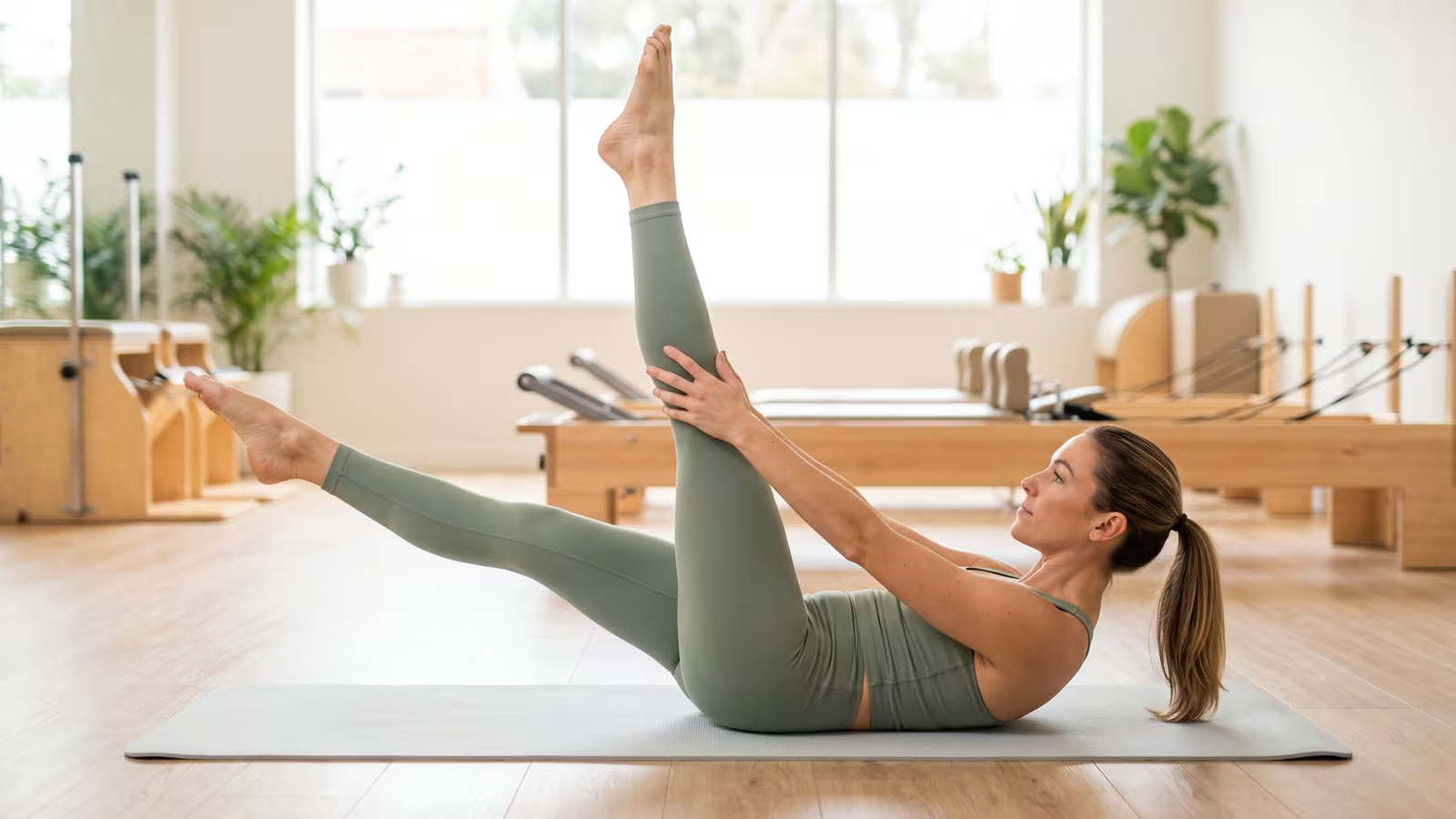
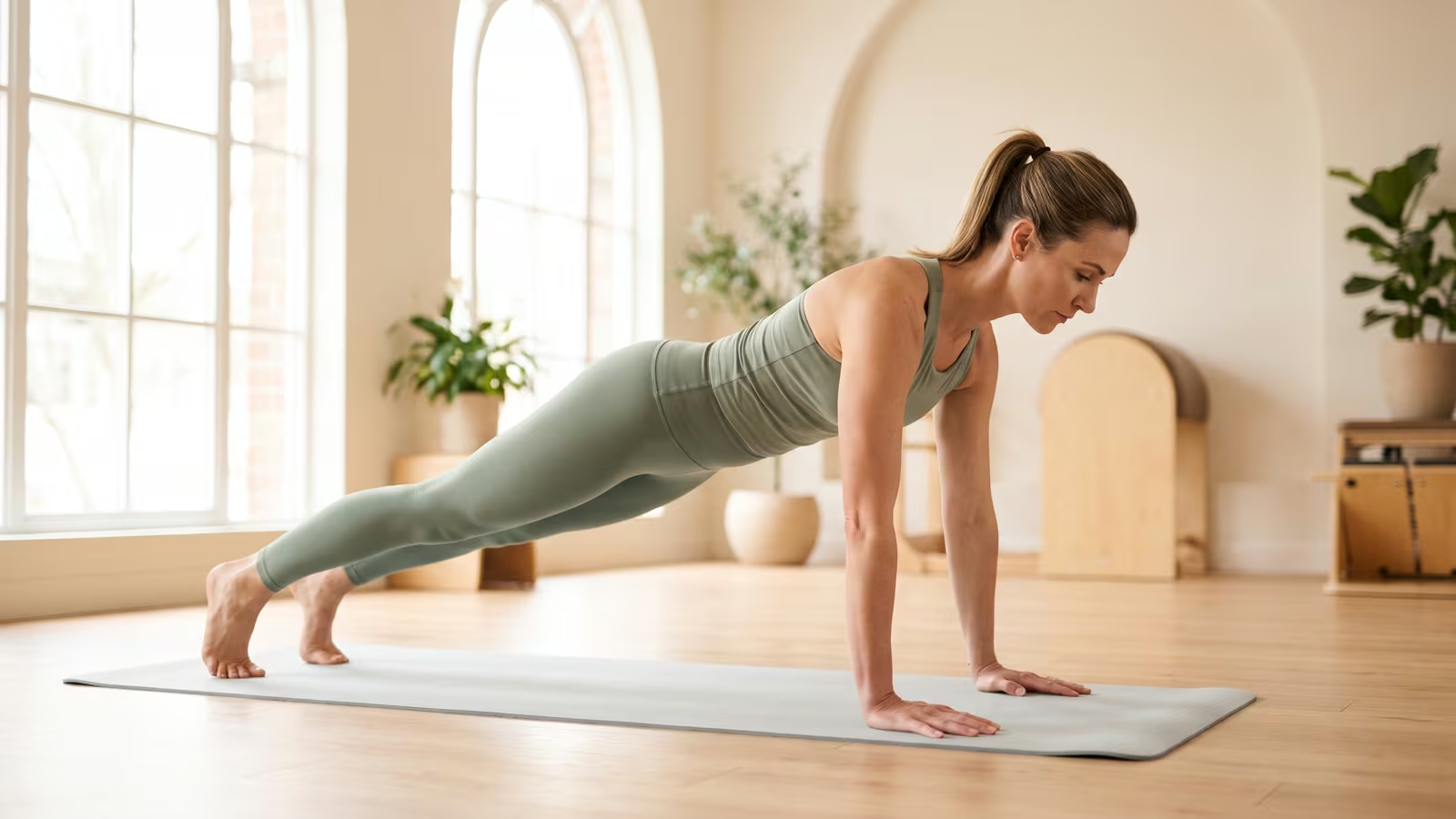
Once the fundamentals are secure, introduce the classic moves that challenge your entire midsection. The Hundred is the traditional warm-up exercise that awakens the core. The Roll-Up strengthens the stomach and mobilises the spine. The Single Leg Stretch combines strength with coordination. Classic crunches and the plank also belong in every balanced programme – the former targeting the rectus abdominis, the latter reinforcing overall core stability.
Pilates for Flat Stomach and Small Waist: Sculpting the Obliques
To define and tone the waist, you need targeted exercises for the obliques. The Criss-Cross provides controlled Pilates rotation for the sides of the waist. The Russian Twist challenges rotational strength from a seated balance. The Side Plank stabilises the lateral core muscles, whilst dynamic side plank hip dips add an extra training stimulus. Together, these four exercises provide comprehensive conditioning for the waistline.
Pilates Exercises for Belly Fat: Targeting the Lower Abs
The lower stomach is often considered the most stubborn area. You can target it specifically with leg raises, which challenge the lower section of the rectus abdominis, and with scissor kicks, which engage both the lower abdomen and the backs of the legs simultaneously. The aforementioned Toe Taps also belong in this category. For all of them, ensure proper lumbar alignment with a steady pelvis. This ensures safe execution and genuinely activates the abdominal muscles rather than overloading the hip flexors.
Advanced Pilates Abs: The Teaser and Dynamic Movements
Once you have built sufficient strength and control, you can progress to the ultimate hallmark exercise: the Teaser, which combines strength, balance, and flexibility in an elegant V-sit position. For dynamic, cardiovascular conditioning, add Mountain Climbers and the Bicycle Crunch, which studies regularly rank amongst the most effective abdominal exercises. These advanced bodyweight exercises round off your repertoire once foundational stability is second nature.
How to Structure Your Pilates Stomach Exercises Routine
To start, choose four to six exercises across different categories – such as one foundational movement, one for the waist, one for the lower abs, and one stabilising exercise. Ensure active powerhouse activation before every movement, prioritising slow, controlled form over speed and volume. Two to three sessions per week are more than enough to build noticeable strength in the midsection. It is important to remember: exercises build muscle tone, but a visibly flat stomach is achieved in combination with a balanced diet.
Conclusion
Pilates offers suitable stomach exercises for every fitness level – from the gentle Dead Bug to the demanding Teaser. By starting with the basics, activating the powerhouse, and progressing steadily, you will build a strong, defined core whilst safeguarding your spine. Put together your personal programme from these 15 exercises and stay consistent. Select four exercises across different categories now and begin your first pilates stomach exercises session.
Frequently Asked Questions
Can Pilates help flatten your stomach?
Pilates strengthens and tones the abdominal muscles whilst improving posture. A visibly flatter stomach also requires a balanced diet – exercise alone does not spot-reduce belly fat.
How often should I do Pilates for my stomach?
Two to three sessions per week are sufficient to noticeably strengthen your midsection. Your muscles require recovery time between workouts.
What is the best Pilates exercise for the stomach?
There is no single “best” exercise. The most effective approach is a combination of movements targeting the rectus abdominis, obliques, and transverse abdominis, paired with core stability work.
Which exercise is best for beginners?
The Dead Bug and Toe Taps are ideal, as they gently activate deep muscles without placing strain on the back. The Bear Plank makes a great subsequent progression.
Do I need equipment for Pilates stomach exercises?
No. All of the exercises featured rely on bodyweight on a simple exercise mat. Light weights can be used to increase difficulty in advanced variations, but they are entirely optional.
How long does it take to see results?
Core strength and posture often improve within two to four weeks. Achieving visible muscle definition depends on overall body fat percentage and takes more time.
Is Pilates also good for your back?
Yes. A strong, stable core relieves strain on the spine and helps prevent back pain. If you have pre-existing back complaints, consult a doctor or physiotherapist before starting.
Can I do Pilates stomach exercises if I am over 50?
Absolutely. Many movements, such as the Dead Bug, Toe Taps, and Bear Plank, are low impact, gentle on the joints, and easily adaptable to any fitness level.